When you’re ready to hang something on your wall, one question often stops you: how big should the drill hole be for wall anchors? Getting this right is crucial.
Drill too small, and the anchor won’t fit; drill too big, and the anchor won’t hold. You want your shelves, pictures, or TV mounts to stay secure without any damage. You’ll discover simple tips to choose the perfect hole size every time.
Keep reading, and you’ll gain the confidence to tackle your next project like a pro.
Types Of Wall Anchors
Choosing the right wall anchor is important for a strong hold. Different anchors work for different walls and weights. Understanding types helps pick the right one for your project. Here are common wall anchor types and how they work.
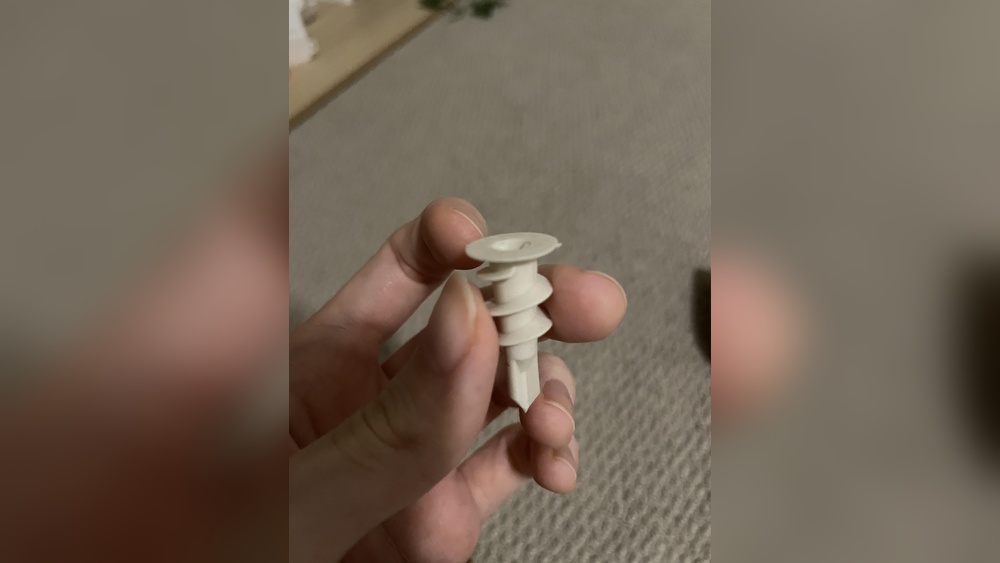
Plastic Expansion Anchors
Plastic expansion anchors are simple and popular. Drill a hole slightly smaller than the anchor. Push the anchor into the hole, then screw in. The anchor expands, gripping the wall tightly. Best for light loads on drywall or plaster.
Toggle Bolts
Toggle bolts have metal wings that open inside the wall. Drill a hole big enough for the folded wings. Insert the bolt and tighten. The wings spread and hold behind the wall. Use for heavy items on hollow walls like drywall.
Molly Bolts
Molly bolts are metal anchors with a sleeve. Drill a hole matching the bolt size. Insert the bolt and tighten to expand the sleeve inside. This locks the bolt firmly in place. Ideal for medium-weight loads in drywall or plaster.
Sleeve Anchors
Sleeve anchors work well in solid walls like brick or concrete. Drill a hole the same size as the anchor. Insert the anchor and tighten the bolt. The sleeve expands and grips the hole walls. Perfect for heavy loads on masonry surfaces.
Self-drilling Anchors
Self-drilling anchors do not need a pre-drilled hole. Screw them directly into drywall or thin plaster. Their sharp tip cuts into the wall as you turn. These anchors hold light to medium weight items. Quick and easy to install.

Credit: www.reddit.com
Factors Affecting Hole Size
Choosing the right hole size for wall anchors is important. Many factors affect how big the hole should be. Knowing these helps you drill the perfect hole. This ensures a strong hold and prevents damage to the wall.
Anchor Type
Different anchors need different hole sizes. Plastic anchors usually need a hole the same size as their body. Metal anchors may require a slightly larger hole. Expansion anchors need enough space to open and grip the wall.
Wall Material
The type of wall changes the hole size needed. Drywall needs smaller holes than brick or concrete. Soft walls can be damaged if the hole is too big. Hard walls need bigger holes to fit the anchor properly.
Anchor Diameter
The diameter of the anchor decides hole size. The hole should match the anchor’s diameter closely. Too small a hole makes it hard to insert the anchor. Too big a hole makes the anchor loose and weak.
Weight Load
Heavier loads need stronger anchors and proper hole size. Bigger anchors hold more weight and need bigger holes. For light items, smaller anchors and holes work fine. Always consider the weight to keep the wall safe.
Standard Drill Bit Sizes For Anchors
Choosing the right drill bit size for wall anchors ensures a strong hold. Drilling a hole too big or too small can weaken the anchor’s grip. Each anchor type has a standard drill bit size to fit perfectly. Knowing these sizes helps you drill accurate holes and secure items safely.
Common Sizes For Plastic Anchors
Plastic anchors are popular for light to medium loads. They usually need drill bits from 3/16 inch to 1/2 inch. A 3/16 inch drill bit fits small plastic anchors for picture frames. Larger anchors, for shelves or curtain rods, need 1/4 inch to 1/2 inch bits. Always check the anchor package for the exact size.
Sizes For Metal Anchors
Metal anchors offer stronger support. They require precise drill bit sizes for a tight fit. Common drill bits for metal anchors range from 1/4 inch to 3/8 inch. Some heavy-duty anchors use 1/2 inch bits. Drilling the right size hole prevents the anchor from spinning or loosening.
Specialty Anchors Drill Sizes
Specialty anchors include toggle bolts and molly bolts. Toggle bolts need holes larger than their folded wings, often 1/2 inch or more. Molly bolts require drill bits sized to their metal sleeve, usually 3/8 inch or 1/2 inch. Follow the manufacturer’s instructions for these anchors to ensure safety and strength.
Measuring Anchor Diameter
Measuring the anchor diameter is a key step before drilling a hole for wall anchors. The correct hole size depends on the anchor’s diameter. Knowing this size helps you drill the right hole, ensuring a secure fit. Too small a hole will make it hard to insert the anchor. Too large a hole will reduce the anchor’s holding power. Here are some simple ways to measure the anchor diameter accurately.
Using A Caliper
A caliper is a handy tool for measuring anchor diameter. It gives a precise reading in millimeters or inches. Place the anchor between the jaws of the caliper. Gently close the jaws until they touch the widest part of the anchor. Read the measurement on the scale. This method works well for plastic and metal anchors. It avoids guesswork and helps pick the right drill bit size.
Manufacturer Recommendations
Anchor packages often list the recommended drill bit size. Check the box or instruction sheet. Manufacturers test their anchors to find the best hole diameter. Follow their advice for best results. This saves time and prevents damage to walls. If you lose the packaging, visit the manufacturer’s website. Look for product details or installation guides.
Trial And Error Method
This method uses a few test holes to find the right size. Start with a drill bit slightly smaller than the anchor diameter. Drill a hole in scrap wood or drywall. Try inserting the anchor gently. If it fits tight but can go in, it’s good. If it’s too hard or splits the material, use a bigger bit. Repeat until the hole size matches the anchor perfectly.
Drilling Techniques
Drilling holes for wall anchors requires careful technique. Proper drilling ensures a secure hold and prevents damage. Different wall types need different approaches. Correct tools and methods make the job easier and safer.
Using The Right Drill Bit
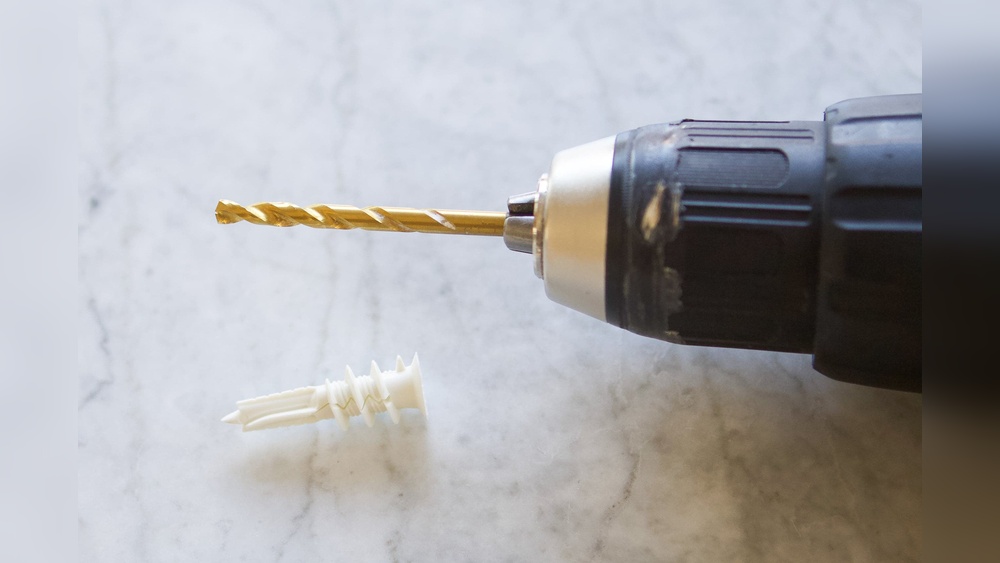
Choose a drill bit that matches the anchor size. Use a masonry bit for brick or concrete walls. For drywall, a standard twist bit works well. Avoid bits that are too small or too large. The right bit creates a clean hole for the anchor.
Drilling Into Drywall
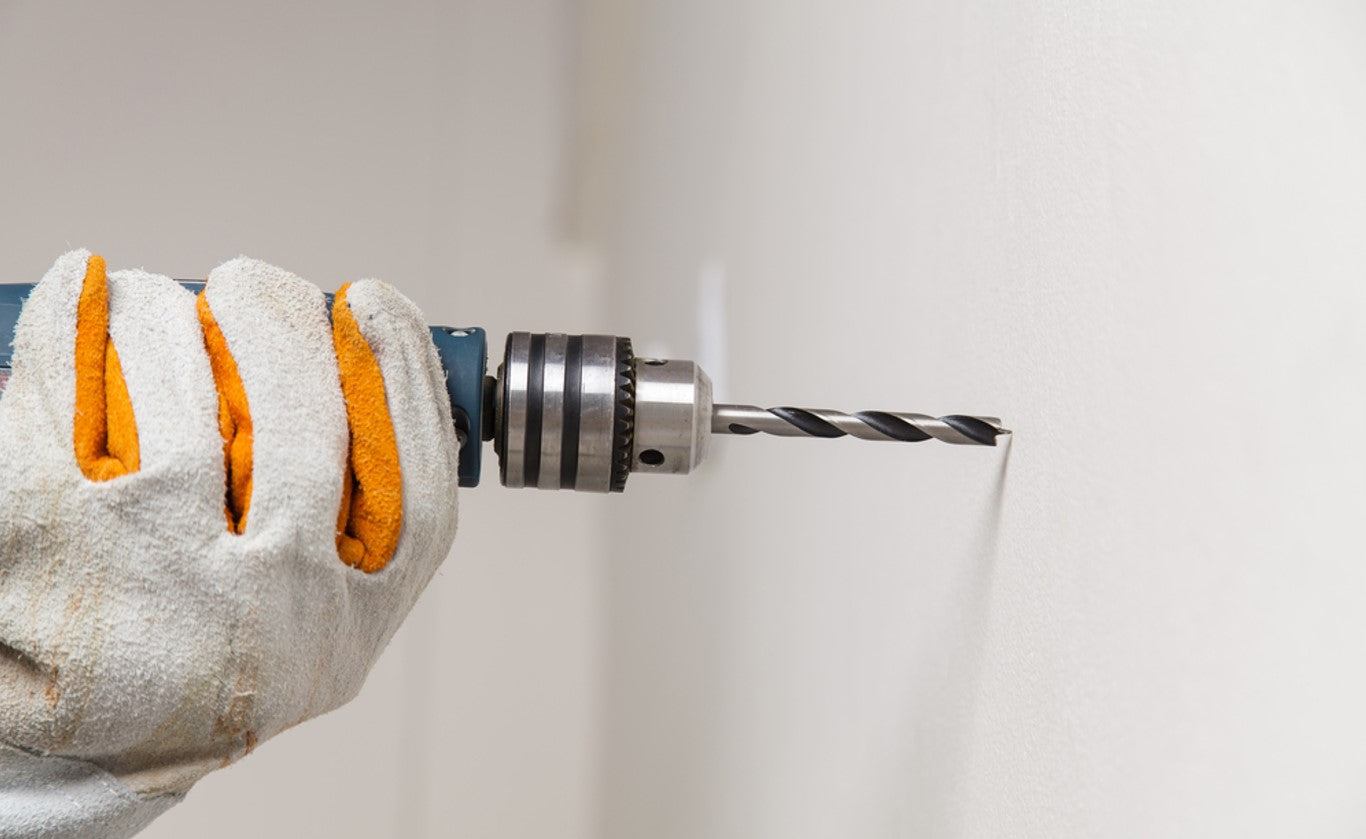
Mark the spot clearly before drilling. Drill slowly to avoid cracking the drywall. Keep the drill perpendicular to the wall. Stop drilling as soon as the bit passes through. Drywall is soft and needs gentle handling.
Drilling Into Concrete And Masonry
Use a hammer drill for tough surfaces like concrete. Start with a small pilot hole to guide the bigger bit. Drill slowly and steadily to reduce dust. Wear safety goggles to protect your eyes. Concrete drilling requires patience and care.
Avoiding Wall Damage
Measure twice and drill once. Avoid drilling near electrical wires or pipes. Use a stud finder for wooden studs. Keep the drill steady and do not push too hard. Proper technique prevents cracks and holes from enlarging.

Credit: www.youtube.com
Common Mistakes To Avoid
Drilling the right hole for wall anchors is key to strong support. Many people make simple mistakes that weaken the hold. Avoid these errors to keep your anchors firm and safe.
Drilling Too Large Or Small
Drilling a hole too big makes the anchor loose. It will not hold weight and can fall out. Drilling too small makes it hard to insert the anchor. The wall may crack or the anchor may break. Match the drill bit size to the anchor size exactly.
Ignoring Wall Type
Different walls need different anchors and drill sizes. Drywall, concrete, and brick each react differently. Using the wrong drill size can damage the wall. Identify the wall type before drilling. Choose the right anchor for the material.
Not Using Pilot Holes
Pilot holes guide the drill and prevent splitting. Skipping pilot holes can cause cracks or uneven holes. This weakens the anchor’s grip. Always start with a small pilot hole, then use the correct size drill bit.
Over-tightening Anchors
Turning anchors too hard can strip the hole. It makes the anchor loose and weak. Tighten anchors just enough to hold firm. Stop if you feel resistance or see damage. Proper torque keeps the anchor secure and the wall safe.
Tips For Secure Anchor Installation
Secure anchor installation is key to holding items safely on your wall. Small mistakes can cause anchors to fail. Follow simple steps for strong, lasting support. These tips help your anchors hold tight and prevent damage.
Cleaning The Hole
Remove dust and debris from the drilled hole. Use a small brush or blow air inside. Clean holes help anchors grip better. Avoid loose particles that reduce anchor strength.
Proper Anchor Insertion
Insert the anchor straight into the hole. Push it gently until it is flush with the wall. Use a hammer lightly if needed. Do not force the anchor too hard. Proper fit keeps anchors steady and secure.
Testing Anchor Stability
After installation, test the anchor by pulling lightly. Check if it moves or feels loose. A stable anchor means safe support for your items. Fix any loose anchors before hanging heavy objects.
Credit: simpleweld.com
Frequently Asked Questions
What Drill Bit Size For Wall Anchors Is Recommended?
Use a drill bit the same diameter as the anchor’s body. This ensures a snug fit and strong hold. Check the anchor packaging for specific drill size recommendations.
How To Measure Hole Size For Wall Anchors Accurately?
Measure the anchor’s diameter with a caliper or ruler. Match the drill bit size exactly to this measurement. This prevents loose or overly tight holes.
Can A Hole Be Too Big For Wall Anchors?
Yes, a hole too large weakens the anchor’s grip. It can cause the anchor to slip or fail under load. Always choose the correct drill size.
What If The Hole Is Too Small For Wall Anchors?
If the hole is too small, the anchor won’t fit properly. Forcing it can damage the wall or anchor. Drill a slightly larger hole to avoid this.
Conclusion
Choosing the right drill hole size keeps your wall anchors strong. Drill too small, and the anchor won’t fit. Drill too big, and the anchor won’t hold tight. Always check the anchor package for the recommended hole size. Take your time and measure carefully before drilling.
This small step makes your project safer and lasts longer. Good preparation means fewer problems later. Now you know how to drill the perfect hole for wall anchors. Simple, right?