If you want to make your home more secure, installing a deadbolt on your door is one of the best steps you can take. You might think it’s a difficult job, but with the right guidance, you can do it yourself quickly and easily.
Imagine having the peace of mind knowing your door is locked tight and your family is safe. In this guide, you’ll find simple, clear instructions that anyone can follow. Ready to boost your home’s security? Let’s get started and make your door stronger today.

Credit: support.shopyalehome.com
Choosing The Right Deadbolt
Choosing the right deadbolt is an important step for home security. The deadbolt you pick must fit your door and meet your safety needs. There are different types, materials, and security ratings to think about. This guide helps you find the best deadbolt for your door.
Types Of Deadbolts
Single-cylinder deadbolts use a key on the outside. Inside, you turn a thumb turn to lock or unlock. They are common and easy to use.
Double-cylinder deadbolts require a key on both sides. This type is good for doors with glass near the lock. It stops someone from breaking the glass and opening the door.
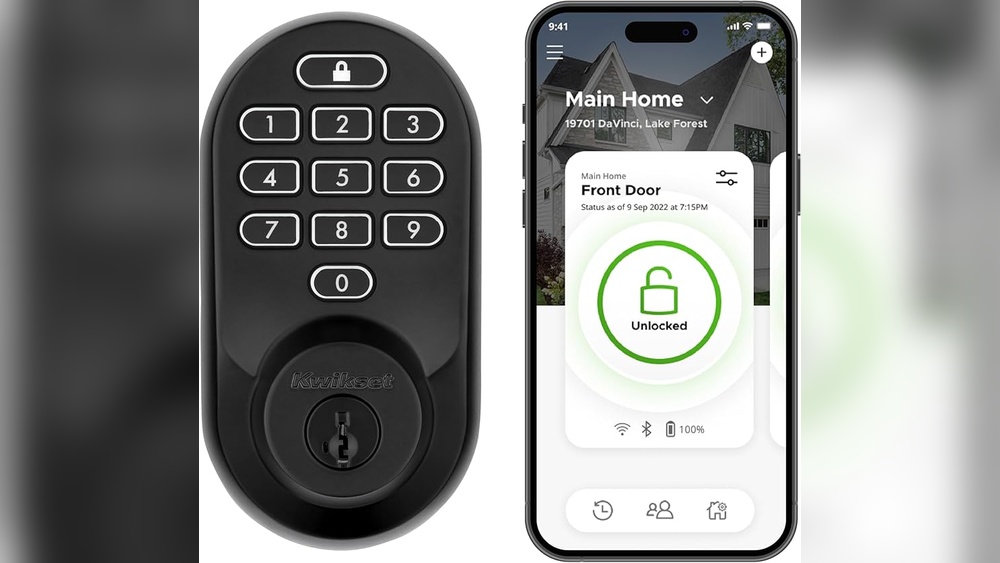
Keyless deadbolts use a keypad or code. No key is needed. You can change the code anytime for more security.
Material And Finish Options
Deadbolts come in different materials like brass, steel, and zinc. Steel is strong and lasts long. Brass resists rust and looks nice.
Finishes include polished brass, satin nickel, and oil-rubbed bronze. Choose a finish that matches your door and home style. The finish also protects the lock from weather.
Security Ratings To Consider
Check the deadbolt’s security rating before buying. The highest rating is Grade 1. It offers the best protection for your home.
Grade 2 is also good for most homes. Grade 3 is the lowest and suits interior doors or low-risk areas.
Pick a deadbolt with a rating that fits your security needs and budget.
Tools And Materials Needed
Before installing a deadbolt on your door, gather all the tools and materials needed. Having everything ready makes the job faster and easier. This section lists the must-have tools, extra supplies, and safety gear. Use this guide to prepare well for a smooth installation process.
Essential Tools
- Power drill with drill bits
- Hole saw bit (usually 2 1/8 inches)
- Screwdriver (Phillips and flathead)
- Measuring tape
- Pencil or marker
- Chisel
- Hammer
- Level
Additional Supplies
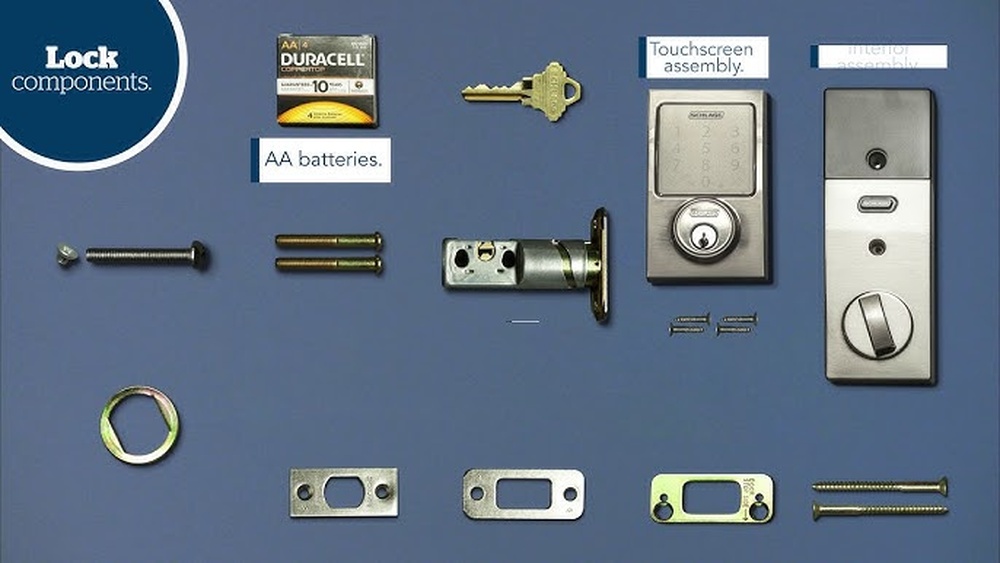
- Deadbolt lock kit
- Wood filler (for fixing mistakes)
- Masking tape (to mark drill spots)
- Sandpaper
- Extra screws
Safety Gear
- Safety glasses to protect eyes
- Work gloves to protect hands
- Hearing protection if using loud power tools
Preparing The Door
Preparing the door is an important first step in installing a deadbolt. This stage ensures the lock fits perfectly and works well. Careful preparation helps avoid mistakes that can damage the door or the lock.
Measuring And Marking
Start by measuring the height where the deadbolt will go. Most deadbolts fit about 6 to 12 inches above the door handle. Use a tape measure to find the right spot. Mark the location clearly with a pencil. Double-check your marks before drilling. Accurate marks make drilling easier and more precise.
Drilling Holes
Use a drill with the correct size bit for the deadbolt. Drill the hole through the door where you marked. Drill slowly to avoid splintering the wood. Also, drill the hole on the edge of the door for the bolt. Keep the drill straight to make clean holes. Clean holes make installing the deadbolt smoother.
Cleaning The Work Area
Remove wood chips and dust from the drilled holes. Use a small brush or cloth to clean the area. Cleaning helps the deadbolt fit well and work smoothly. A tidy work area reduces the chance of mistakes. It also makes the installation safer and easier.
Installing The Deadbolt
Installing the deadbolt is the key step to making your door secure. This part involves putting together the lock pieces carefully. Follow each step to ensure the lock works smoothly and fits right.
Mounting The Exterior Lock
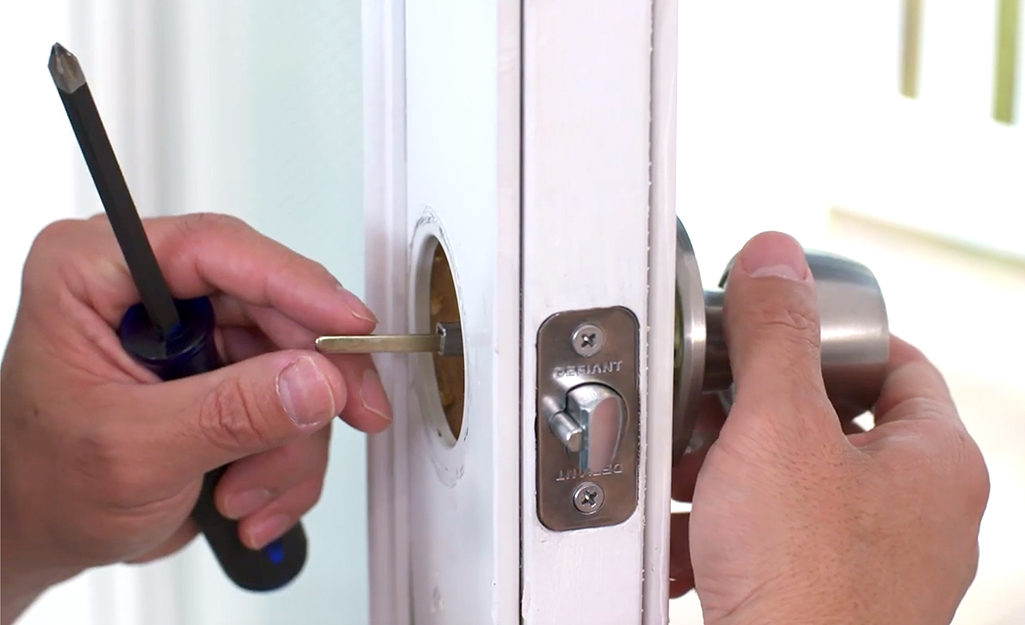
Start by placing the exterior lock on the outside of the door. Align the lock with the hole drilled for it. Make sure the keyhole faces down or sideways as needed. Hold the lock steady and insert the long screws through the door. Tighten the screws just enough to keep the lock in place. Do not over-tighten, or the lock may get stuck.
Attaching The Interior Thumb Turn
Next, attach the thumb turn on the inside of the door. This part lets you lock and unlock from inside. Align the thumb turn with the spindle coming from the exterior lock. Push it gently until it fits snugly. Use screws to secure the thumb turn to the door. Check that it turns easily without resistance.
Securing The Deadbolt Assembly
Finally, secure the whole deadbolt assembly. Insert the screws through the interior plate into the exterior lock. Tighten all screws evenly to hold the lock firm. Test the deadbolt by turning the thumb turn and using the key. The bolt should slide smoothly into the door frame. Adjust if the deadbolt feels tight or loose.
Installing The Strike Plate
Installing the strike plate is a key step in securing your deadbolt. It holds the bolt firmly in place when the door is locked. Proper installation keeps your door strong and safe. Follow these steps carefully to ensure the strike plate fits perfectly and works well.
Positioning The Strike Plate
Align the strike plate with the hole in the door frame. The bolt should slide easily into the plate’s opening. Mark the outline of the plate on the frame with a pencil. Check that the plate sits flush and straight against the wood. This prevents gaps and keeps the lock secure.
Reinforcing The Door Frame
The door frame must be strong to hold the strike plate. Use a chisel to create a shallow recess where you marked the outline. This lets the plate fit snugly inside the frame. Add wood filler or a metal reinforcement plate if the frame is weak. This step stops the frame from cracking or breaking under force.
Screwing In The Strike Plate
Use long screws to attach the strike plate to the frame. Short screws won’t hold well and reduce security. Drive screws firmly but avoid splitting the wood. Check the plate stays aligned as you tighten the screws. Test the deadbolt by locking and unlocking the door several times.
Credit: www.homedepot.com
Testing The Deadbolt
Testing the deadbolt is an important step after installation. It ensures your lock works well and keeps your door secure. This step helps catch any problems early. Take your time to check everything carefully. A properly tested deadbolt offers peace of mind.
Checking Lock Alignment
Start by closing the door slowly. Watch how the deadbolt moves toward the strike plate. The bolt should fit smoothly into the hole. If it hits the frame, the alignment is off. Adjust the strike plate or the lock position as needed. Proper alignment prevents damage and keeps the door secure.
Ensuring Smooth Operation
Turn the key or thumb turn several times. The bolt should slide in and out easily. No sticking or rough spots. Test from both sides of the door. Smooth operation means the lock works well every time. Lubricate the lock with graphite if it feels stiff.
Troubleshooting Common Issues
If the deadbolt jams, check for misalignment first. Tighten loose screws on the lock and strike plate. Adjust the door hinges if the door sags. Look for debris inside the lock mechanism. Clean it out carefully. Replace parts if the lock still does not work properly.
Tips For Enhanced Security
Installing a deadbolt improves door security a lot. Still, small changes make your door even safer. These tips help protect your home better and keep intruders out.
Upgrading Door Hardware
Use strong door hardware designed for security. Choose solid metal strike plates and heavy-duty locks. Avoid cheap materials that break easily. A sturdy lock keeps your door secure under pressure.
Using Longer Screws
Replace short screws with longer ones in the strike plate. Screws at least 3 inches long reach the wall frame. This makes the door harder to force open. Long screws hold the lock tight during attacks.
Adding Security Accessories
Add extra tools like door reinforcement plates or security bars. These accessories stop the door from bending or breaking. A peephole or security camera helps watch visitors. Small additions increase your safety noticeably.

Credit: www.homedepot.com
Frequently Asked Questions
How Do I Choose The Right Deadbolt For My Door?
Select a deadbolt based on door material and security needs. Consider single or double cylinder types. Ensure the lock fits your door thickness. Check for ANSI grade for quality and durability. Choose a finish matching your door hardware for a cohesive look.
What Tools Are Needed To Install A Deadbolt?
You need a drill, screwdriver, measuring tape, pencil, chisel, and hole saw. A level helps align the lock correctly. Using the right tools ensures accurate installation and a secure fit. Always follow safety guidelines when handling power tools.
Can I Install A Deadbolt On Any Door Type?
Most wooden and metal doors can accommodate deadbolts. Doors with glass panels or hollow cores may require special locks. Check door thickness; standard deadbolts fit 1-3/8” to 2” thick doors. Always verify compatibility before purchase and installation.
How Long Does It Take To Install A Deadbolt Lock?
Installing a deadbolt typically takes 30 to 60 minutes. Time depends on your experience and door preparation. Proper measurement and careful drilling ensure smooth installation. Rushing can cause misalignment or damage to the door.
Conclusion
Installing a deadbolt on your door improves home security. Follow each step carefully for best results. Take your time to measure and drill holes correctly. Use the right tools to avoid damage or mistakes. Test the lock after installation to ensure it works smoothly.
A well-installed deadbolt gives peace of mind and safety. Keep your home safer with this simple upgrade. You can protect your family with just a few tools and effort.