Is your floor jack not working like it used to? You rely on it to lift heavy loads safely, so when it starts to fail, it can be frustrating.
But before you think about buying a new one, there’s good news: you can often bring your floor jack back to life with a few simple steps. In this guide, you’ll discover easy and effective ways to revive your floor jack, saving you time and money.
Keep reading, and you’ll learn how to get your jack lifting smoothly again—quickly and safely.
Credit: www.sviinternational.com
Signs Of A Failing Floor Jack
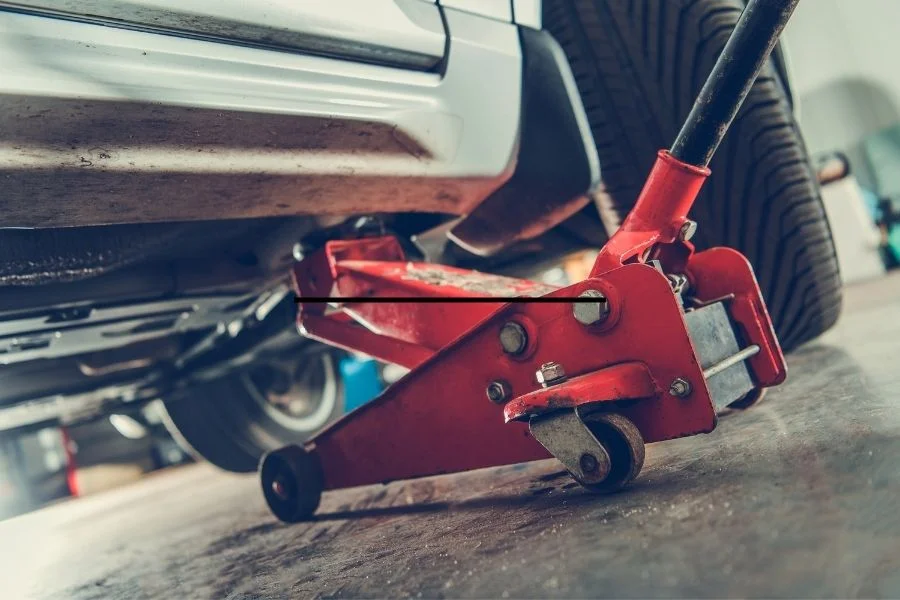
A floor jack is a useful tool for lifting vehicles safely. Over time, it may start to show signs of wear. Catching these signs early helps avoid accidents and costly repairs. Watch for changes in how the jack works and looks. These signs tell you when the jack needs attention or fixing.
Slow Lifting Or Lowering
If the jack lifts or lowers slower than usual, it may have internal problems. This delay can mean air is trapped inside or the hydraulic fluid is low. Slow movement makes work harder and less safe. Check the speed regularly to spot trouble early.
Oil Leaks
Oil leaks are a clear sign of a failing floor jack. Hydraulic fluid may drip from seals or joints. Leaks reduce the jack’s lifting power and cause damage. Look under the jack for wet spots or puddles. Fix leaks quickly to keep the jack working well.
Unusual Noises
Strange sounds during use can signal trouble. Squeaks, hisses, or grinding noises mean parts might be worn or dry. These noises warn of damage inside the jack. Listen carefully every time you use the jack to catch problems early.
Visible Rust Or Damage
Rust or physical damage on the jack’s body affects safety. Corrosion weakens metal parts and may cause failure. Dents, cracks, or bent pieces also reduce strength. Inspect the jack’s surface often to ensure it stays safe and strong.
Credit: www.sviinternational.com
Essential Tools And Materials
Reviving a floor jack requires the right tools and materials. Having these items ready makes the repair process smooth. It helps to fix the jack properly and safely. This section lists what you need to bring your floor jack back to life.
Basic Hand Tools
Start with simple tools like wrenches and screwdrivers. A set of pliers helps to grip small parts. A hammer can assist in loosening stuck components. These tools allow you to open and inspect the jack easily.
Hydraulic Fluid
Hydraulic fluid is essential for smooth jack operation. Choose the right type recommended by the manufacturer. This fluid helps lift heavy loads without strain. Old or dirty fluid must be replaced to avoid damage.
Cleaning Supplies
Cleaning supplies remove dirt and grime from the jack. Use rags, brushes, and degreaser for thorough cleaning. Clean parts work better and last longer. Keeping the jack clean prevents future problems.
Replacement Parts
Some parts wear out and need replacing. Common parts include seals, valves, and springs. Use original or high-quality replacements for best results. Having these parts ready saves time during repair.
Step-by-step Revival Process
Reviving a floor jack can save money and extend its life. This step-by-step process helps bring your jack back to good working order. Follow each step carefully to ensure safety and effectiveness. The guide is simple and easy to follow.
Safety Precautions
Wear gloves and safety glasses before starting. Use the jack on a flat, stable surface. Keep children and pets away during the work. Never place your hands under a lifted load. Check the jack’s weight limit and do not exceed it.
Cleaning The Jack
Remove dirt, grease, and debris with a cloth. Use mild soap and water for stubborn grime. Avoid soaking hydraulic parts in water. Dry the jack completely after cleaning. Clean all moving parts to prevent rust.
Checking And Replacing Hydraulic Fluid
Locate the hydraulic fluid reservoir. Open the fill plug carefully. Check the fluid level and color. Drain old fluid if it looks dark or dirty. Refill with the recommended hydraulic fluid type. Close the fill plug tightly after refilling.
Inspecting And Repairing Seals
Look for cracks or leaks around seals. Replace damaged seals to prevent fluid loss. Use seal kits made for your jack model. Clean seal areas before installing new seals. Tighten all parts to avoid leaks after repair.
Lubricating Moving Parts
Apply lubricant to all joints and hinges. Use a light machine oil or grease. Avoid over-lubrication, which can attract dirt. Move parts to spread lubricant evenly. Lubrication helps parts move smoothly and last longer.
Testing Jack Performance
Test the jack without a load first. Check for smooth lifting and lowering actions. Listen for unusual noises or resistance. Test with a light load to confirm strength. Stop using if the jack fails any test.
Preventive Maintenance Tips
Keeping a floor jack in good shape saves time and money. Preventive maintenance stops small problems from growing. It makes your jack safe and reliable. Simple habits keep it working longer and better.
Regular Cleaning Schedule
Clean the jack after each use. Wipe off dirt, grease, and dust. Use a cloth and mild cleaner. Avoid harsh chemicals that may harm parts. Clean joints and moving parts carefully. This prevents rust and keeps the jack smooth.
Proper Storage Practices
Store the jack in a dry place. Keep it away from moisture and dirt. Use a cover if possible. Avoid places with extreme heat or cold. Store it with the handle down. This reduces pressure on seals and parts.
Routine Fluid Checks
Check the hydraulic fluid regularly. Low fluid causes poor lifting power. Use the correct type of fluid. Replace old or dirty fluid on schedule. Check for leaks around seals and valves. Proper fluid levels keep the jack strong.
Avoiding Overloading
Never lift more than the jack’s capacity. Overloading can damage the hydraulic system. It may cause leaks or broken parts. Check the weight before lifting. Use the right jack for the job. Safety comes first with proper loading.
When To Replace Your Floor Jack
Knowing when to replace your floor jack is key for safety and efficiency. A floor jack that no longer works well can cause accidents or damage. Sometimes repairs help, but other times replacement is the best choice. Understanding the signs and costs will guide your decision.
Signs Beyond Repair
Look for cracks or broken parts on the jack. Rust that eats through metal is a serious problem. If the jack leaks hydraulic fluid and won’t hold pressure, it may be beyond repair. A jack that won’t lift or lowers too fast is unsafe. Unusual noises or a bent frame are also warning signs. These issues usually mean replacement is safer than repair.
Cost Vs. Repair Analysis
Compare repair costs with a new jack’s price. Sometimes parts and labor cost nearly as much as a new tool. Repairs can add up quickly, especially for older jacks. New jacks come with warranties and better safety features. Spending a little more now can save money and trouble later. Make a clear cost comparison before deciding.
Choosing A New Floor Jack
Pick a jack that matches your lifting needs. Check the weight capacity and lifting height carefully. Look for models with sturdy build and good reviews. Safety features like overload protection are important. Consider the jack’s size and weight for easy storage. Investing in quality ensures your work stays safe and smooth.

Credit: www.youtube.com
Frequently Asked Questions
How Do I Fix A Leaking Floor Jack?
To fix a leaking floor jack, check for worn seals or damaged hydraulic fluid lines. Replace the seals and refill the jack with the recommended hydraulic oil. Regular maintenance prevents leaks and ensures smooth operation.
Why Is My Floor Jack Not Lifting Properly?
If your floor jack isn’t lifting properly, it may have air trapped in the hydraulic system. Bleed the jack by opening the release valve and pumping the handle several times. Also, check the hydraulic fluid level and refill if necessary.
How Often Should I Service My Floor Jack?
Service your floor jack every 6 to 12 months, depending on usage. Regularly check hydraulic fluid, seals, and moving parts. Proper maintenance extends the jack’s lifespan and ensures safe, efficient lifting performance.
Can I Use Household Oil To Revive A Floor Jack?
No, household oils are not suitable for floor jacks. Always use the manufacturer-recommended hydraulic fluid to avoid damage. Using the correct oil maintains hydraulic pressure and protects internal components.
Conclusion
Reviving a floor jack is easier than it seems. Regular cleaning and oiling keep it working well. Check for leaks and worn parts often. Tighten loose bolts to ensure safety. These small steps save money and time. Your floor jack will lift smoothly again.
Keep it ready for all your projects. A little care goes a long way. Start now and extend your jack’s life. Simple maintenance brings big results every time.