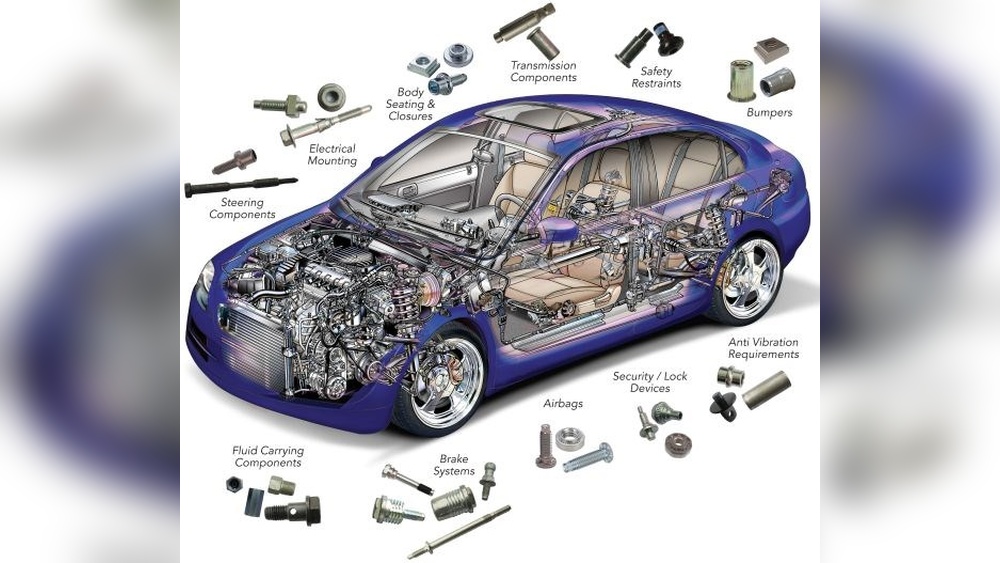
Have you ever wondered what keeps the many parts of your car firmly in place, even when you’re driving on rough roads? The answer lies in something small but incredibly important: fasteners.
These tiny components play a huge role in your vehicle’s safety and performance. If you want to understand how your car stays together and why fasteners matter more than you might think, keep reading. This article will reveal the secrets behind fasteners in automotive and show you why they deserve your attention.
Fastener Basics
Fasteners are small parts that hold car components together. They keep everything in place and ensure safety. Without fasteners, cars would fall apart easily. Understanding their basics helps in recognizing their importance in automotive design and repair.
Types Of Automotive Fasteners
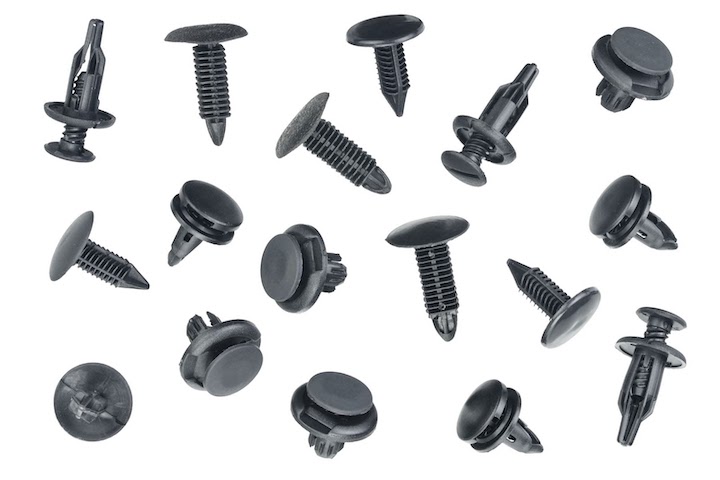
There are many types of fasteners in cars. Bolts and screws join parts tightly. Nuts secure bolts to prevent loosening. Washers spread pressure evenly to protect surfaces. Clips and pins hold panels and trims. Each type serves a specific purpose in the vehicle.
Materials Used In Fasteners
Fasteners come in different materials based on strength needs. Steel is common due to its durability and cost. Stainless steel resists rust and corrosion. Aluminum offers a lightweight option for some parts. Plastic fasteners are used for non-structural areas. Material choice affects performance and lifespan.
Common Fastener Sizes
Fasteners come in many sizes to fit various parts. Size depends on the part’s thickness and load. Length and diameter are key measurements. Metric and imperial units are both used. Correct size ensures proper fit and safety in the vehicle.
Fastener Functions
Fasteners play a crucial role in the automotive world. They connect parts, hold them in place, and keep vehicles safe. Understanding their functions helps appreciate their importance in car design and repair.
Holding Components Together
Fasteners join different parts of a vehicle firmly. They keep engine parts, body panels, and interior pieces connected. Without fasteners, cars would fall apart during use. Their strength ensures parts stay tightly linked, even under stress.
Allowing Adjustments And Repairs
Fasteners make it easy to change or fix car parts. Mechanics remove and replace bolts, screws, and nuts to access components. This flexibility helps maintain the car’s performance and extend its life. Fasteners support routine care and emergency repairs.
Ensuring Safety And Reliability
Fasteners help keep drivers and passengers safe. They secure critical parts like brakes and steering systems. Properly tightened fasteners prevent accidents caused by loose parts. Reliable fasteners reduce wear and tear, improving overall vehicle safety.
Popular Fastener Types
Fasteners are key parts in every vehicle. They hold parts tightly together. Different fasteners fit different needs. Some are strong and reusable. Others are simple and meant for one use. Popular fastener types include bolts, nuts, screws, washers, clips, and rivets. Each type plays a special role in car assembly and repair.
Bolts And Nuts
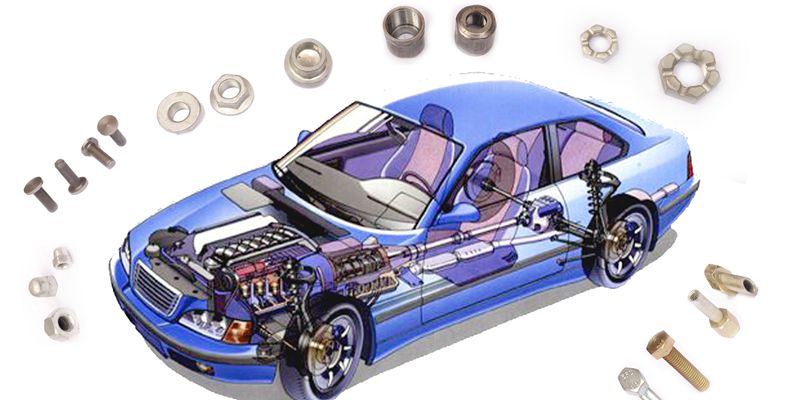
Bolts and nuts form a strong pair. Bolts have threads that fit inside nuts. This tight connection holds parts firmly. Mechanics use them to attach engines, wheels, and frames. They come in many sizes and materials. Bolts and nuts can be tightened or removed easily. This makes repairs and changes quick.
Screws And Washers
Screws are similar to bolts but smaller. They often go directly into metal or plastic parts. Washers sit under screws or bolts. They spread the load and protect surfaces. Washers also stop loosening from vibration. Screws and washers secure dashboards, panels, and trims. They keep everything in place during driving.
Clips And Rivets
Clips and rivets join parts without threads. Clips snap into place and hold wires or hoses. They are easy to use and remove. Rivets are permanent fasteners. They join metal parts by deforming the end. Rivets are common in bodywork and frames. These fasteners add strength and stability to cars.

Credit: www.richconn-cnc.com
Choosing The Right Fastener
Choosing the right fastener is vital for automotive safety and durability. Fasteners hold parts together and must handle specific demands. Picking the correct type ensures long-lasting performance and prevents failures. Consider several key factors to make the best choice.
Considering Load And Stress
Fasteners must withstand the forces acting on automotive parts. Different parts experience different loads and stress types. Some fasteners handle tension, others resist shear or vibration. Match the fastener strength to the expected load. Using a weak fastener can cause parts to loosen or break.
Matching Materials
Fastener material affects strength and compatibility. Metals like steel, aluminum, or stainless steel suit various applications. Using similar metals reduces the risk of damage or wear. Avoid mixing metals that cause corrosion or weaken connections. Material choice impacts the fastener’s life and the vehicle’s safety.
Corrosion Resistance
Cars face moisture, salt, and chemicals every day. Fasteners must resist rust and corrosion to last longer. Coatings like zinc or plating help protect metal fasteners. Stainless steel offers natural resistance to corrosion. Choose corrosion-resistant fasteners for parts exposed to weather or chemicals.
Fastener Installation Tips
Installing fasteners correctly is key to a safe and durable vehicle. Poor installation can cause parts to loosen or break. Follow these tips to ensure fasteners hold tight and last long. Proper care during installation improves vehicle performance and safety.
Using Proper Tools
Choose the right tool for each fastener type and size. Using the wrong tool can strip threads or damage heads. Hand tools like wrenches and sockets must fit snugly. Power tools need controlled speed and torque to avoid overtightening. Clean tools work better and reduce slipping risks.
Torque Specifications
Each fastener has a recommended torque value. Tighten fasteners to this exact number for best hold. Too loose, and parts may vibrate loose. Too tight, and threads can strip or break. Use a calibrated torque wrench to apply the right force. Follow manufacturer guidelines for torque sequences.
Thread Locking Methods
Thread lockers prevent fasteners from loosening over time. Apply thread locking fluid or use locking nuts as needed. Choose the correct strength of thread locker based on fastener size and application. Avoid excess fluid that can make removal hard. Clean threads before applying any locking method.
Credit: www.fictiv.com
Common Fastener Problems
Fasteners are vital in automotive assembly. They keep parts tightly connected. Despite their strength, fasteners face common problems. These issues affect vehicle safety and performance. Understanding these problems helps in better maintenance and repair.
Loosening And Vibrations
Vehicles produce constant vibrations. These vibrations cause fasteners to loosen over time. Loose fasteners can lead to parts shifting or falling off. This may cause noise and damage. Regular checks ensure fasteners stay tight and secure.
Corrosion And Wear
Fasteners are often exposed to moisture and salt. This exposure causes corrosion and rust. Corrosion weakens the fastener’s grip and strength. Worn fasteners can break or fail suddenly. Using corrosion-resistant materials helps prevent this problem.
Stripped Threads
Stripped threads occur when fasteners are over-tightened or cross-threaded. This damages the screw or bolt’s grip. Stripped threads make it hard to tighten or remove fasteners. Repairing or replacing the fastener is necessary to fix this issue.
Credit: autoprotoway.com
Frequently Asked Questions
What Is The Role Of Fasteners In Automotive?
Fasteners secure parts together in vehicles, ensuring stability and safety. They connect components like panels, engines, and chassis efficiently.
What Types Of Fasteners Are Common In Cars?
Common automotive fasteners include bolts, nuts, screws, rivets, and clips. Each type serves specific functions based on strength and application needs.
How Do Automotive Fasteners Impact Vehicle Safety?
Properly installed fasteners prevent parts from loosening, reducing accidents. They maintain structural integrity and protect passengers during collisions.
Why Choose Specialized Fasteners For Automotive Use?
Automotive fasteners must withstand vibrations, heat, and corrosion. Specialized materials and designs ensure durability and reliable performance under harsh conditions.
Conclusion
Fasteners hold many car parts tightly and safely. They keep engines, doors, and wheels secure. Without them, cars cannot work well or stay safe. Different fasteners suit different jobs in a vehicle. Knowing about fasteners helps understand how cars stay strong.
Next time you see a car, notice its many small fasteners. They play a big role in every drive you take. Simple pieces, yet very important. That’s the power of fasteners in automotive work.