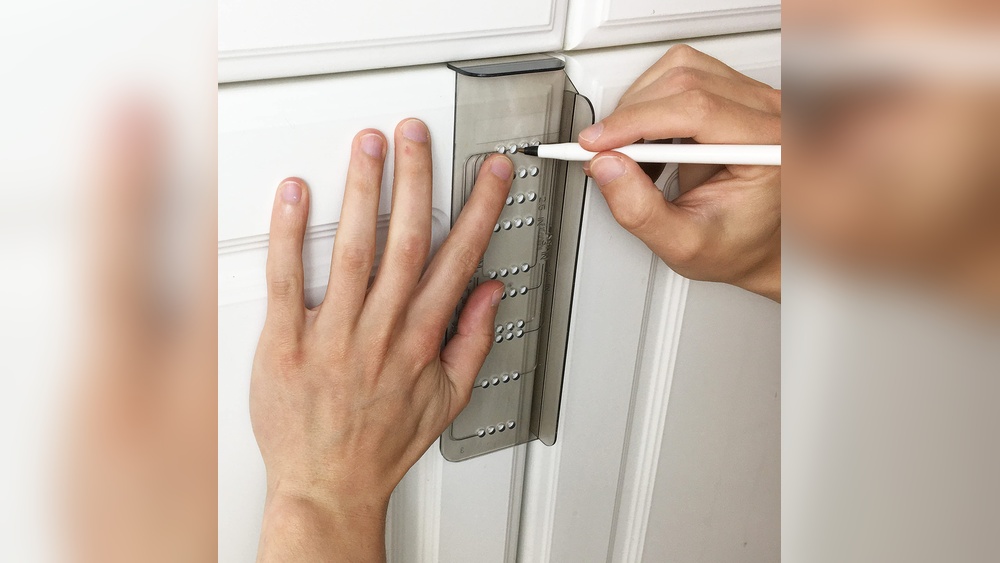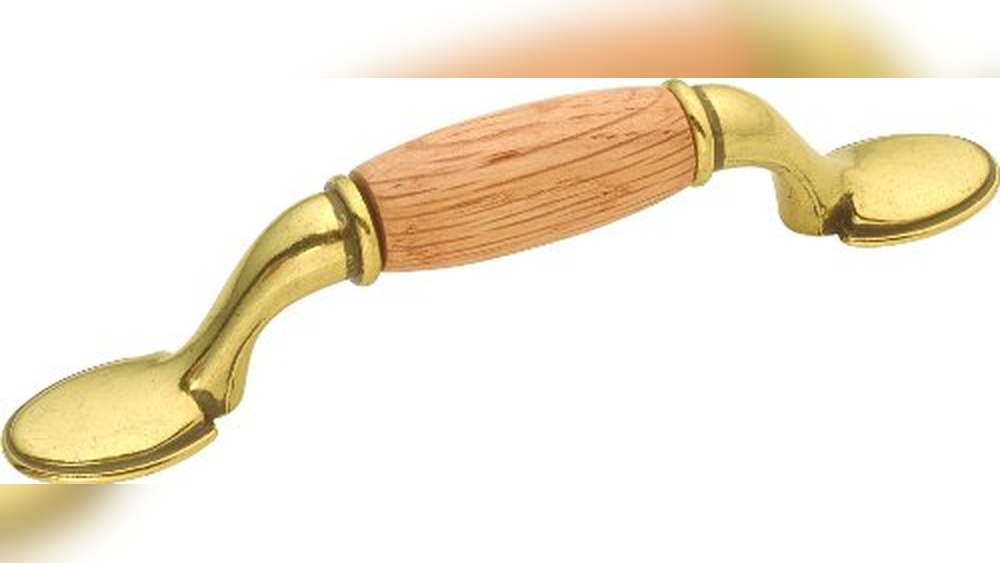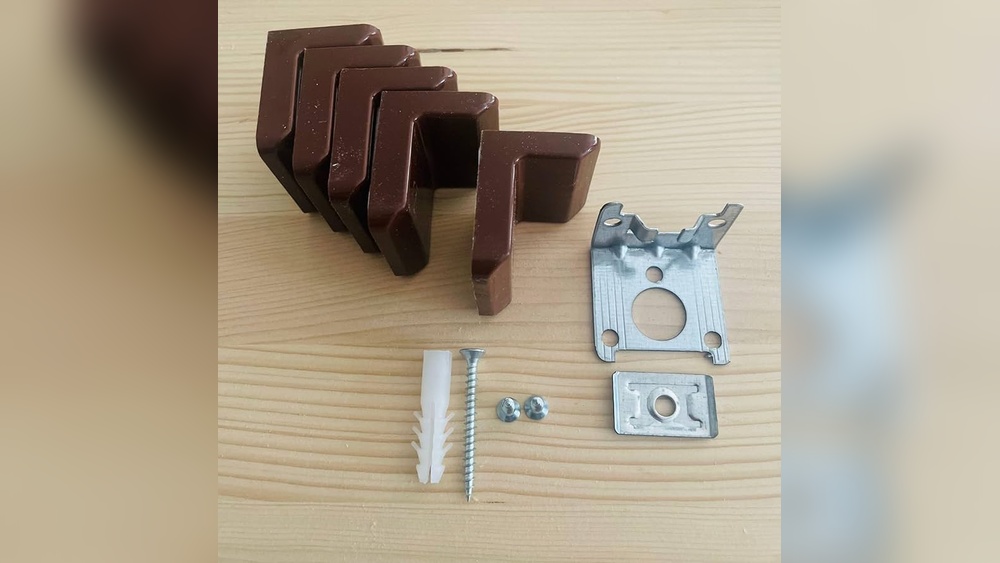
Are you planning to hang cabinets on your wall but aren’t sure what hardware to use? Choosing the right hardware is key to keeping your cabinets secure and looking great for years to come.
Using the wrong tools can lead to wobbly cabinets or even damage to your walls. You’ll discover exactly what hardware you need to make your cabinet installation safe and easy. Keep reading to find the simple tips and tricks that will save you time, money, and frustration.
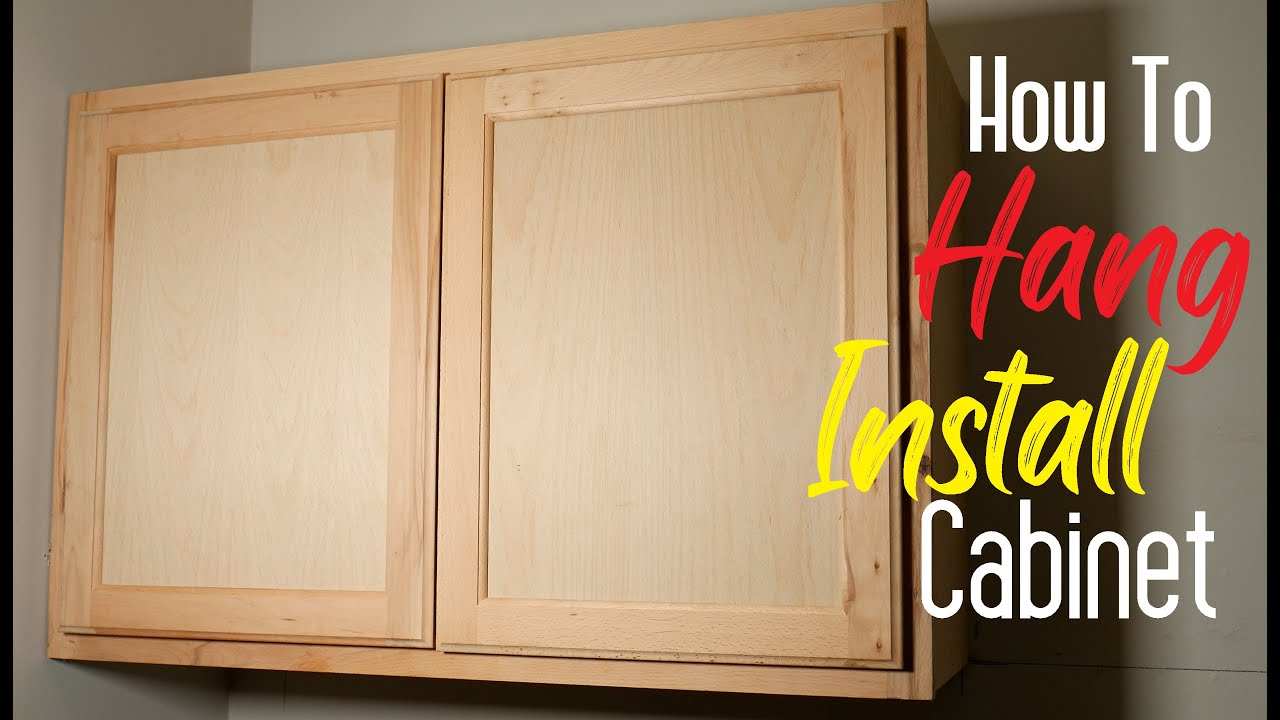
Credit: www.youtube.com
Types Of Wall Hardware
Choosing the right hardware for hanging cabinets is important for safety and durability. Different walls need different types of hardware. It depends on the wall material and the cabinet weight. Below are common types of wall hardware used for cabinets.
Screws And Anchors
Screws are the most basic hardware for hanging cabinets. They work best when you can screw directly into a wall stud. Drywall anchors help when no stud is available. They expand inside the wall to hold the screw tightly. Use plastic or metal anchors depending on the cabinet weight.
Toggle Bolts
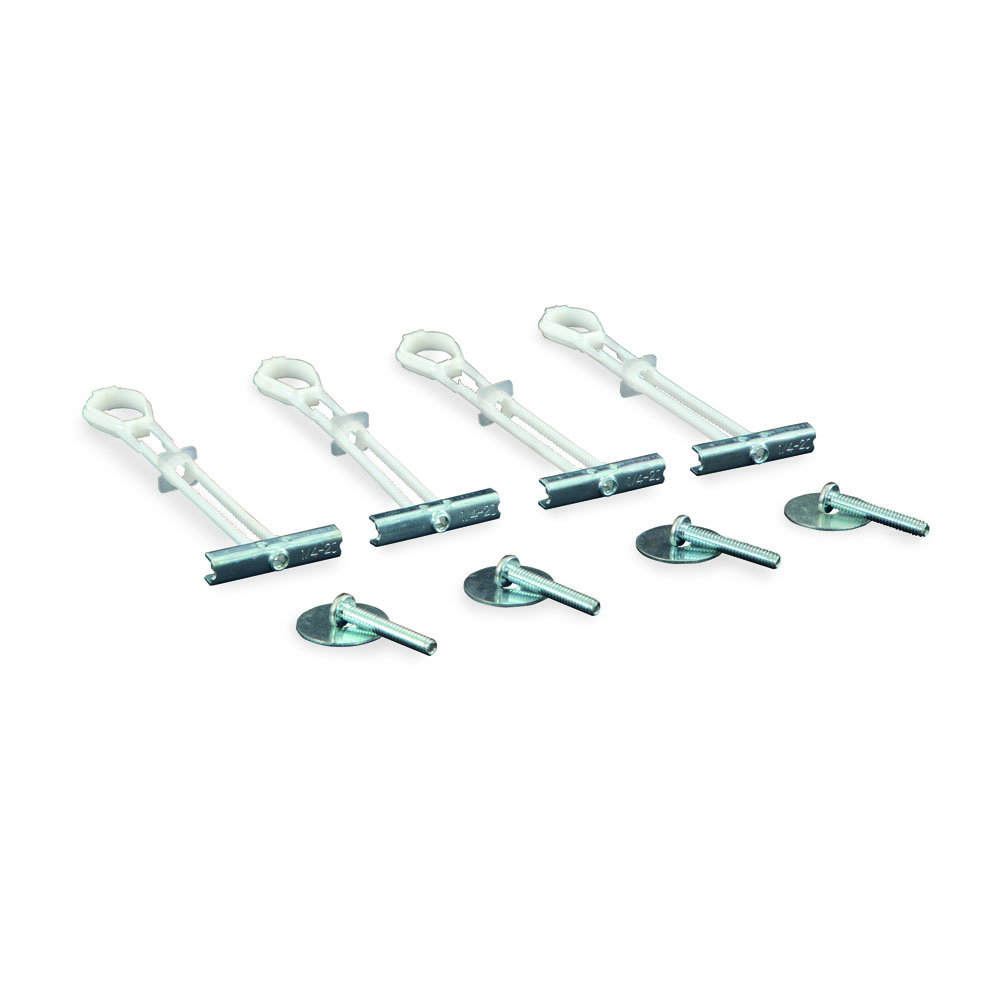
Toggle bolts are strong and ideal for hollow walls. They have wings that open inside the wall. This spreads the weight over a larger area. Toggle bolts hold heavy cabinets firmly. They need a larger hole for installation but offer great support.
Molly Bolts
Molly bolts are metal anchors that expand behind the wall. They create a secure hold in drywall or plaster. These bolts are good for medium-weight cabinets. Installation requires drilling a hole and tightening the bolt to expand it.
Wall Studs
Wall studs are vertical wooden beams behind drywall. Screwing directly into studs provides the best support. Use a stud finder to locate them. Hanging cabinets on studs is the safest option. It avoids the risk of wall damage or cabinet falling.
Choosing The Right Hardware
Choosing the right hardware for hanging cabinets is key to a safe and lasting installation. The hardware must support the cabinet’s weight and fit the wall type. It also needs to match the size and style of your cabinets. Using the wrong hardware can cause damage or make the cabinets unstable. This section explains important factors to consider when selecting hardware.
Weight Capacity Considerations
Hardware must hold the cabinet’s full weight plus the contents inside. Check the weight rating on the hardware package. Choose hardware with a higher capacity than the cabinet’s total weight. Overestimating weight capacity adds safety. Heavy cabinets require strong brackets or mounting plates. Light hardware can bend or fail over time.
Wall Material Compatibility
Different walls need different hardware types. Drywall alone cannot hold heavy cabinets. Use anchors or screws that fit drywall with studs. Masonry walls need anchors made for brick or concrete. Wood walls allow screws to go directly into studs. Match hardware to the wall for a secure grip. Incorrect hardware can cause cabinets to fall.
Cabinet Size And Style
Large or deep cabinets need stronger hardware. Small or shallow cabinets can use simpler mounting brackets. Style matters too. Frameless cabinets may use special clips. Face-frame cabinets often need screws into the frame. Choose hardware that fits the cabinet’s design. Proper hardware keeps the cabinet level and steady.
Tools Needed For Installation
Installing cabinets on the wall requires the right tools. Using proper tools makes the job easier and safer. It also ensures the cabinets are secure and level. Here are the essential tools for cabinet installation.
Drills And Drivers
Drills and drivers help you make holes and drive screws. A cordless drill with multiple speed settings works best. Use driver bits that match your screws for a tight fit. This tool saves time and effort during installation.
Levels And Stud Finders
Levels ensure cabinets hang straight and even. A bubble level or laser level helps check alignment. Stud finders locate the wall studs behind drywall. Mounting cabinets on studs gives strong support and prevents damage.
Measuring Tools
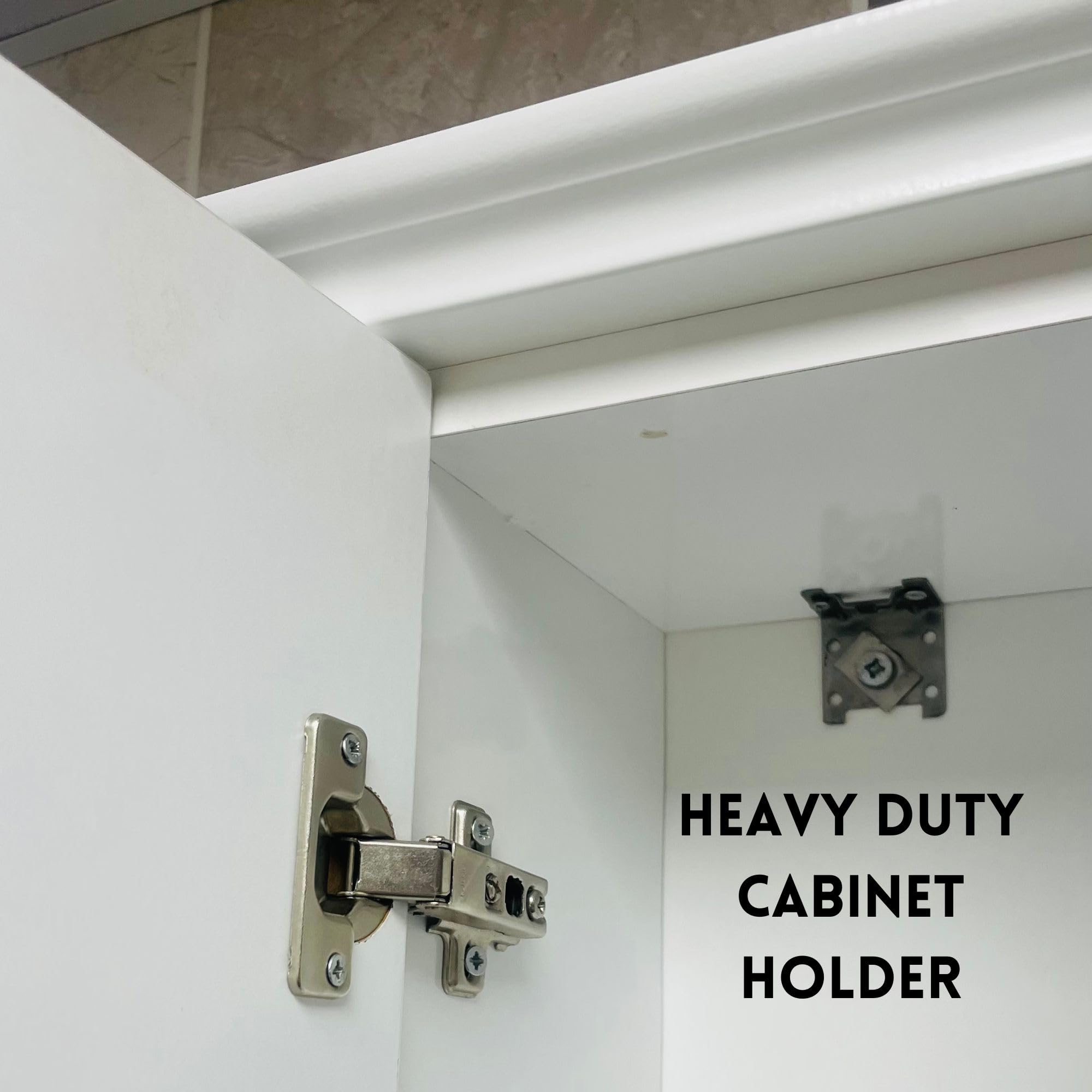
Measuring tools ensure accurate placement of cabinets. A tape measure helps check distances and heights. A carpenter’s square ensures corners are right angles. Marking tools like pencils help note measurements clearly.
Credit: www.amazon.com
Step-by-step Installation Process
Installing cabinets on the wall requires careful steps to ensure safety and durability. Following a clear process helps avoid mistakes and saves time. Each step builds on the last for a strong and secure cabinet setup.
Locating Wall Studs
Wall studs support the weight of cabinets. Use a stud finder to locate them behind drywall. Mark the stud positions with a pencil. Studs usually sit 16 or 24 inches apart. Double-check the marks before drilling.
Marking Mounting Points
Hold the cabinet against the wall at the desired height. Mark where the cabinet’s mounting holes align with the studs. Use a level to keep marks straight. Accurate marks prevent uneven hanging later.
Drilling Pilot Holes
Drill pilot holes into the marked stud points. Use a drill bit slightly smaller than the screws. Pilot holes guide screws and prevent wood splitting. Drill carefully, keeping holes straight and clean.
Securing Hardware
Attach the mounting brackets or cleats to the wall using strong screws. Make sure screws go deep into the studs. Tighten screws firmly but do not overtighten. Properly secured hardware supports heavy cabinets.
Hanging The Cabinets
Lift the cabinet and align mounting holes with wall hardware. Get help to hold the cabinet steady. Secure the cabinet with screws through its mounting points. Check the cabinet is level and adjust if needed.
Safety Tips And Best Practices
Hanging cabinets on the wall requires attention to safety. Using the right hardware is important, but safe practices keep you and your home secure. Follow these tips and best practices for a safe installation.
Load Testing
Check the strength of the wall before hanging cabinets. Use a stud finder to locate studs, which support the weight. Test the studs by pressing or tapping lightly. Ensure the hardware can hold the cabinet’s weight plus items inside. Avoid hanging cabinets on drywall alone. Load testing prevents accidents from falling cabinets.
Using Proper Personal Protective Equipment
Wear safety glasses to protect your eyes from dust and debris. Use gloves to avoid splinters and sharp edges. A dust mask helps if drilling into old walls. Wear sturdy shoes to protect your feet. Using the right protective gear reduces injury risks during installation.
Avoiding Common Mistakes
Do not use weak screws or nails. Always use screws designed for cabinet hanging. Avoid ignoring the studs or using anchors on drywall alone. Measure twice, drill once. Make sure cabinets are level before tightening screws. Taking care with these details stops damage and keeps cabinets secure.
Special Considerations
Installing cabinets needs more than just screws and a drill. Some walls require special care. Knowing the right hardware helps keep cabinets safe and steady. This section explains key points to think about before hanging cabinets.
Mounting On Drywall Vs. Concrete
Drywall is soft and weak alone. Use anchors or find studs for strong support. Heavy cabinets need screws directly in wall studs. Concrete walls need special drill bits and anchors. Tapcon screws or sleeve anchors hold best in concrete. Never use drywall anchors on concrete walls.
Dealing With Uneven Walls
Uneven walls make cabinets tilt or gap. Use shims to even out small bumps or dips. Check wall flatness with a level before hanging. For large uneven areas, consider furring strips. Attach strips to wall, then mount cabinets on them. This creates a flat surface for cabinets.
Hanging Cabinets In High Humidity Areas
High humidity can damage wood and hardware. Choose rust-resistant screws and brackets like stainless steel. Seal cabinet backs to stop moisture damage. Avoid hanging cabinets directly on damp walls. Allow space for air to circulate behind cabinets.
Credit: www.kendallhoward.com
Frequently Asked Questions
What Hardware Is Best For Hanging Cabinets On Drywall?
Use heavy-duty toggle bolts or molly bolts for drywall. These provide strong support without needing studs. Always check weight limits and use multiple anchors for safety.
How Do Cabinet Mounting Brackets Work?
Mounting brackets attach cabinets securely to wall studs. They distribute weight evenly and prevent cabinet sagging. Brackets come in metal or plastic and are essential for strong, lasting installation.
Can You Hang Cabinets Without Studs?
Yes, but use strong wall anchors like toggle bolts. Anchors alone may not support heavy cabinets long-term. Ideally, locate studs for the safest, most reliable mounting.
What Screws Are Recommended For Cabinet Installation?
Use 8 or 10 wood screws, 2. 5 to 3 inches long. Screws must penetrate studs at least 1. 5 inches for a secure hold.
Conclusion
Choosing the right hardware makes cabinet hanging safe and strong. Studs, anchors, and screws each play key roles. Use hardware that fits your wall type and cabinet weight. Proper tools and careful measuring help a lot. The right hardware keeps cabinets steady for years.
Trust your work with good materials and care. This way, your cabinets will hold up well. Simple steps lead to lasting results.