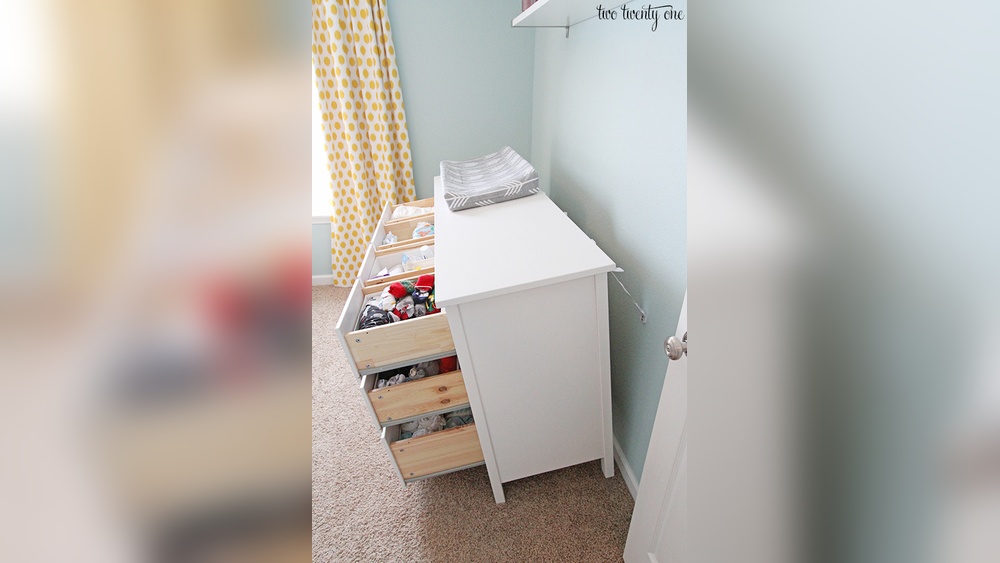
Is your dresser wobbly or tipping over when you open a drawer? That can be dangerous, especially if you have kids or pets at home.
You want your furniture to be safe and steady, but you might not know where to start. Don’t worry—anchoring your dresser to the wall is easier than you think. In this guide, you’ll learn simple steps to secure your dresser and keep your space safe.
Keep reading, and by the end, you’ll feel confident making your home safer with just a few tools and easy techniques.
Why Anchor Dressers
Anchoring dressers to a wall is a simple step with big benefits. It helps keep your furniture steady and safe. Many people do not realize how easy dressers can tip over. A secure anchor stops that from happening. This small effort protects your home and loved ones.
Preventing Tipping Accidents
Dressers can tip if pulled or climbed on. This can cause serious injuries or damage. Anchoring stops dressers from tipping forward. It keeps heavy furniture stable during everyday use. This safety measure reduces the risk of accidents.
Protecting Children And Pets
Children often climb or pull on dressers. Pets may jump or push furniture too. Both actions can cause dressers to fall. Anchors keep dressers fixed to the wall. This protects kids and pets from harm.
Complying With Safety Standards
Many safety rules suggest securing furniture. Anchoring dressers meets these safety guidelines. It shows you take home safety seriously. Following standards also helps avoid legal issues. It is a responsible choice for every home.

Credit: www.youtube.com
Tools And Materials Needed
Anchoring a dresser to a wall keeps it steady and safe. To do this job well, you need the right tools and materials. Each item helps secure the dresser and protects your home and family. Preparing these tools first saves time and effort.
Anchoring Straps And Brackets
Anchoring straps or brackets hold the dresser firmly to the wall. They come in metal or heavy-duty plastic. Straps wrap around the dresser and attach to the wall. Brackets fix to the dresser’s back and screw into the wall studs. Choose strong, reliable straps or brackets for safety.
Screwdrivers And Drills
Screwdrivers and drills fasten the straps or brackets securely. A drill makes pilot holes in the wall and dresser. Use a screwdriver to tighten screws properly. Battery-powered drills offer ease and speed. Make sure your drill bits fit the screws you use.
Wall Stud Finders And Levelers
Wall stud finders locate the wooden studs behind drywall. Studs provide strong points to anchor the dresser. Levelers help keep straps or brackets straight and even. A level ensures the dresser does not lean or tilt. Using these tools improves stability and safety.
Choosing The Right Wall
Choosing the right wall is key to safely anchoring a dresser. The wall must hold the dresser firmly to stop it from tipping over. Not all walls are strong enough for this task. Picking a sturdy wall helps keep your furniture and family safe.
Locating Studs For Secure Attachment
Studs are wooden beams inside the wall. They give the strongest support for screws and anchors. Use a stud finder tool to locate them quickly. Mark the stud spots with a pencil. Attach the dresser brackets only into these studs for the best hold.
Avoiding Drywall Only Areas
Drywall alone is weak and cannot hold heavy weight. Screwing into drywall without studs can cause the dresser to fall. Avoid areas where you find no studs. Find a solid backing behind the wall for a safe anchor point.
Considering Wall Material Types
Wall materials vary. Some walls are drywall, others are plaster or concrete. Each type needs different anchors. Concrete walls require special drill bits and anchors. Plaster walls may need extra care to avoid cracks. Know your wall type before starting the job.

Credit: www.amazon.com
Preparing The Dresser
Preparing the dresser is an important step before anchoring it to the wall. This ensures safety and keeps the dresser steady. Taking time to prepare helps avoid accidents and damage.
Clearing And Positioning
Start by emptying all drawers and removing items on top. This makes the dresser lighter and easier to move. Place the dresser where you want it against the wall. Check the floor surface is even to prevent wobbling.
Attaching Anchoring Hardware
Use the right anchoring hardware for your wall type. Attach brackets or straps to the dresser’s back or frame. Make sure screws are tight and secure. Follow the instructions that come with the hardware carefully.
Checking For Stability
After attaching the hardware, gently push the dresser to test stability. It should not tip or move easily. Adjust the anchor points if needed. Stability is key to prevent falls and injuries.
Step-by-step Anchoring Process
Anchoring a dresser to a wall keeps it steady and safe. This process stops the dresser from tipping over. Follow these clear steps to secure your dresser firmly.
Marking Wall And Dresser Points
Place the dresser where you want it. Use a pencil to mark spots on the wall. Mark points that match the dresser’s anchor holes. Check the dresser’s back for built-in holes or brackets. Mark these spots clearly on both dresser and wall.
Drilling And Installing Anchors
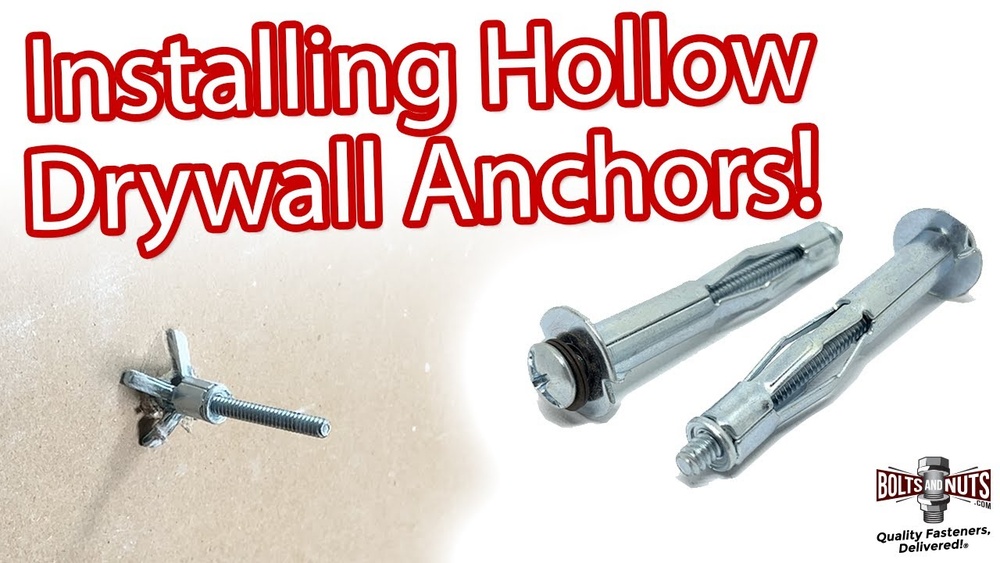
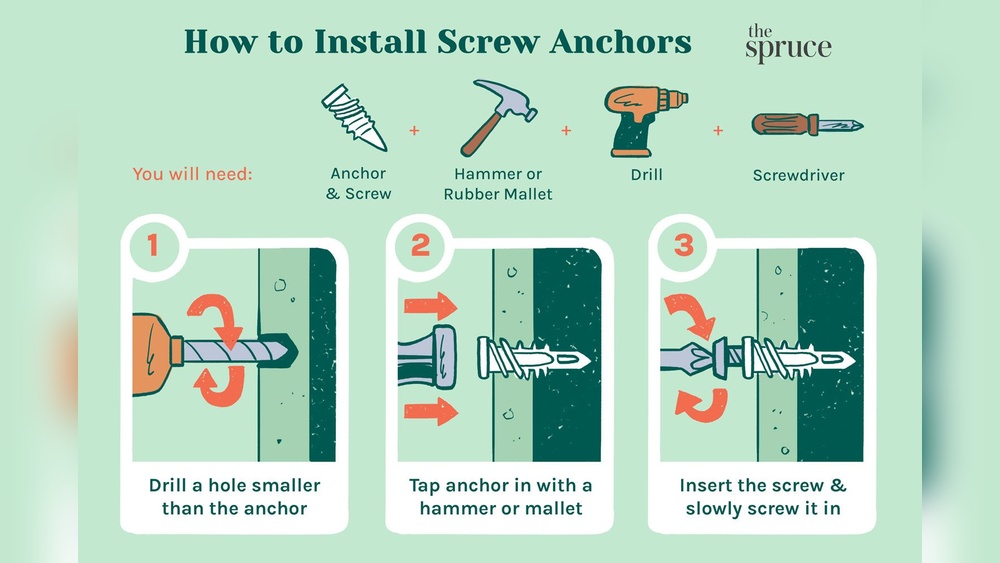
Choose the right drill bit for your wall type. Drill holes at your marked spots carefully. Insert wall anchors into drilled holes. Push anchors fully into the wall for a tight fit. Anchors hold screws firmly in drywall or plaster.
Securing Straps Or Brackets
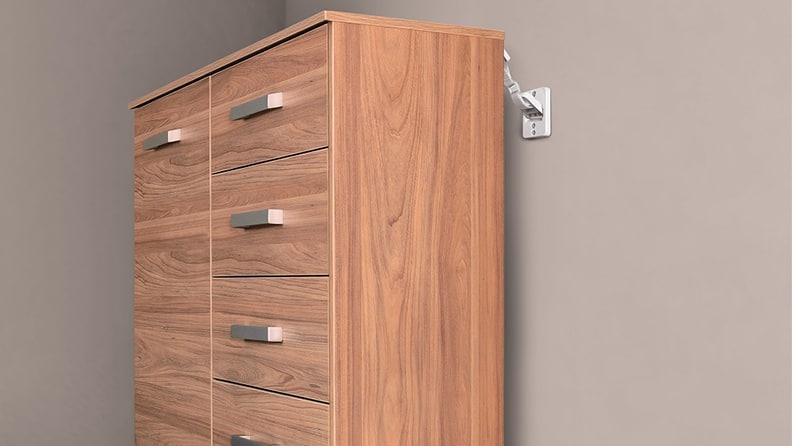
Attach straps or brackets to the dresser first. Use screws that come with the kit. Fix the other end of straps or brackets to wall anchors. Tighten screws but avoid over-tightening. Straps or brackets hold the dresser close to the wall.
Final Stability Check
Gently push the dresser to test stability. The dresser should not move or wobble. Tighten screws if you feel any looseness. Check all straps or brackets are secure. Your dresser is now anchored safely to the wall.
Alternative Anchoring Methods
Securing a dresser to the wall is important to prevent tipping accidents. Besides traditional methods, there are other ways to anchor your furniture safely. These alternatives can suit different wall types and dresser designs.
Using Anti-tip Kits
Anti-tip kits are simple and effective. They usually include straps or brackets with screws. Attach one end to the dresser and the other to the wall. These kits reduce the risk of the dresser falling forward. Many stores sell anti-tip kits designed for various furniture sizes.
Wall-mounted Brackets
Wall-mounted brackets offer strong support. They fix the dresser firmly to the wall studs. Brackets come in metal or plastic and are easy to install. Choose brackets that fit your dresser’s size and weight. Secure installation ensures the dresser stays stable and safe.
Furniture Straps And Adhesives
Furniture straps are flexible and convenient. Made of nylon or fabric, they wrap around the dresser and attach to the wall. Some straps come with adhesive pads for extra hold. Adhesives work best on smooth walls and light furniture. This method is less invasive and leaves fewer holes.
Maintenance And Safety Tips
Keeping your dresser safely anchored to the wall requires regular care. This section covers simple tips to maintain strong and secure anchors. Follow these steps to avoid accidents and protect your family.
Regularly Inspecting Anchors
Check the anchors at least once every few months. Look for any signs of loosening or damage. Tighten screws if you find them loose. Early detection prevents falls and injuries.
Replacing Worn Hardware
Replace any worn or rusted anchors immediately. Old hardware can fail without warning. Use the same type of anchors recommended for your wall and dresser. This keeps the dresser steady and safe.
Educating Family Members
Teach everyone in your home about dresser safety. Explain why the dresser is anchored and why it should not be moved. Remind children not to climb or pull on the dresser. Safety is a shared responsibility.
Credit: www.lowes.com
Frequently Asked Questions
How Do I Safely Anchor A Dresser To A Wall?
To safely anchor a dresser, use sturdy wall anchors or studs. Attach straps or brackets from the dresser to the wall. This prevents tipping and enhances child safety. Always follow the manufacturer’s instructions for the best results.
What Tools Are Needed To Anchor A Dresser?
You need a drill, screws, wall anchors, a stud finder, and a screwdriver. These tools help secure the dresser firmly to the wall, ensuring stability and safety.
Can I Anchor A Dresser Without Studs?
Yes, use heavy-duty wall anchors designed for drywall. They provide strong support when studs are unavailable. Ensure the anchors are rated for the dresser’s weight to prevent accidents.
Why Is It Important To Anchor Dressers?
Anchoring prevents dressers from tipping over, reducing injury risks. It is especially crucial in homes with children or pets. Proper anchoring enhances overall safety and stability.
Conclusion
Anchoring a dresser to a wall keeps your space safe and tidy. It stops the dresser from tipping over. This simple step protects children and pets from accidents. Use the right tools and follow the steps carefully. A secure dresser adds peace of mind in your home.
Take the time to do it right today. Safety matters, and small actions make a big difference.