Are you ready to hang shelves, pictures, or heavy decor but worried your wall can’t hold the weight? Knowing how to put drywall anchors in a wall is the key to making sure your items stay secure without damaging your walls.
In this guide, you’ll learn simple, step-by-step methods that anyone can follow—even if you’ve never done it before. By the end, you’ll feel confident tackling your project like a pro and avoid costly mistakes. Keep reading to discover the easy tricks that make drywall anchors work perfectly every time.

Credit: www.youtube.com
Choosing The Right Drywall Anchor
Choosing the right drywall anchor is important for a secure hold. Different anchors work best for different wall types and weights. Picking the right one helps avoid damage and ensures your item stays put. Here is a guide to help you select the best drywall anchor.
Types Of Drywall Anchors
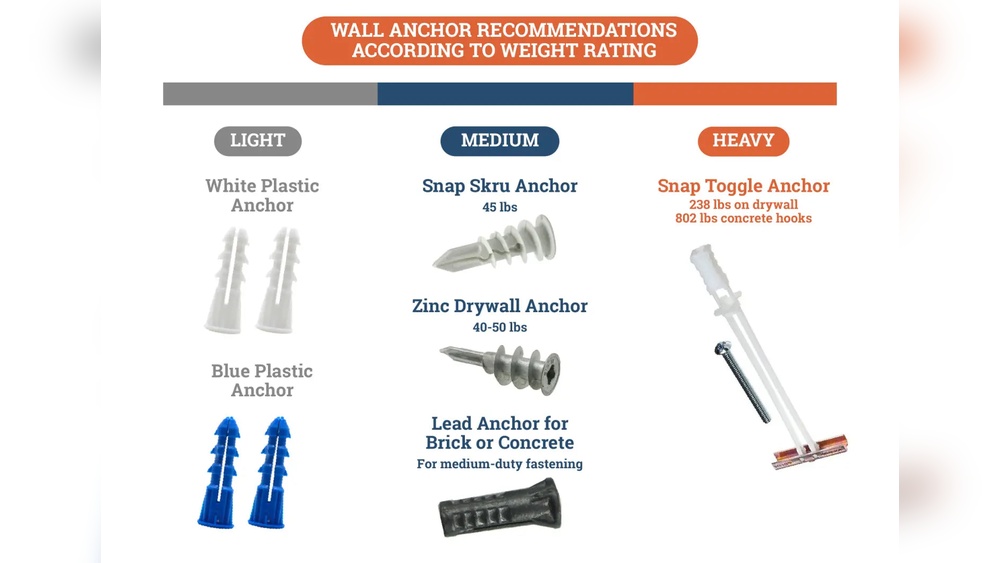
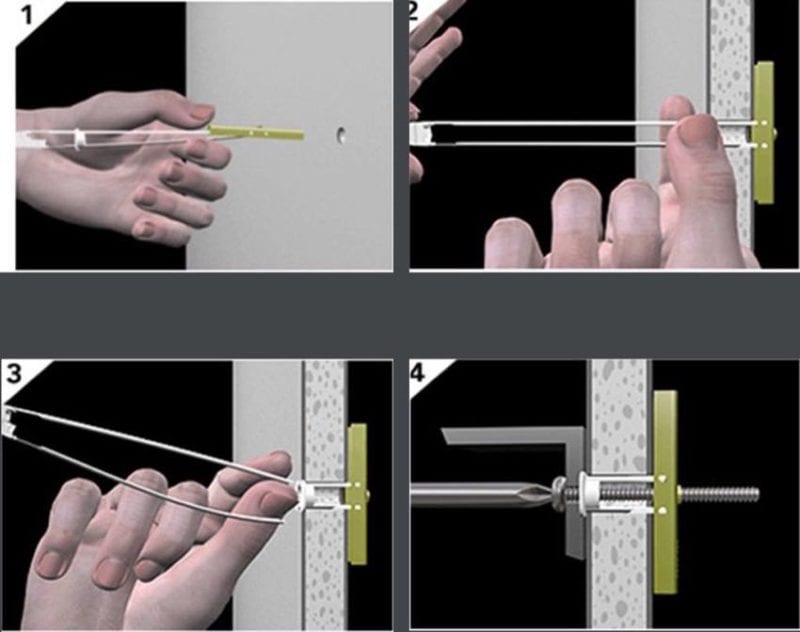
Plastic expansion anchors are common and easy to use. They work well for light loads like picture frames. Self-drilling anchors screw directly into drywall without pre-drilling. These hold medium weights and are quick to install. Toggle bolts have wings that open behind the wall. They offer strong support for heavy items like shelves.
Weight Capacity Considerations
Check the weight of the item you want to hang. Lightweight items need simple anchors with low capacity. Medium weight items require stronger anchors with higher ratings. Heavy items need heavy-duty anchors with maximum support. Always choose an anchor rated above your item’s weight for safety.
Anchor Material Options
Plastic anchors suit light duty tasks. They resist rust and are affordable. Metal anchors provide extra strength and durability. They work well for medium and heavy items. Some anchors combine plastic and metal for balanced performance. Pick a material that matches your wall type and load needs.
Gathering Necessary Tools
Before installing drywall anchors, gather all necessary tools. Having the right tools makes the job easier and safer. It helps you work faster and get better results.
Drill And Drill Bits
A drill is essential for making holes in drywall. Choose a drill with adjustable speed for better control. Use drill bits that match the size of your anchors. This ensures a snug fit and strong hold.
Screwdriver Selection
Select a screwdriver that fits the screws you plan to use. A good fit prevents slipping and damage to screws. Consider a power screwdriver for faster work. Manual screwdrivers work well for small projects.
Measuring And Marking Tools
Measure carefully before drilling holes. Use a tape measure to find the exact spot. Mark the spot with a pencil or a marker. Accurate marks keep your anchors straight and level.
Preparing The Wall
Preparing the wall is an important first step before putting drywall anchors. It ensures the anchors hold well and avoid damage. Take time to prepare carefully for strong, secure results.
Locating Studs And Avoiding Obstacles
Find the studs inside the wall using a stud finder. Studs give extra support for heavy items. Avoid drilling into pipes or electrical wires. Use caution to keep the wall safe and avoid costly repairs.
Marking Anchor Positions
Mark where you want to place each anchor with a pencil. Measure carefully to keep marks level and spaced right. Clear marks guide your drilling and help keep the project neat.
Checking Wall Surface
Look at the wall surface for damage or bumps. Clean dust and dirt to improve anchor grip. Smooth, clean walls make it easier to install anchors firmly.
Installing The Drywall Anchor
Installing drywall anchors is key to holding objects securely on walls. The process is simple but requires care. Follow each step closely to ensure the anchor stays firm and safe.
Drilling Pilot Holes
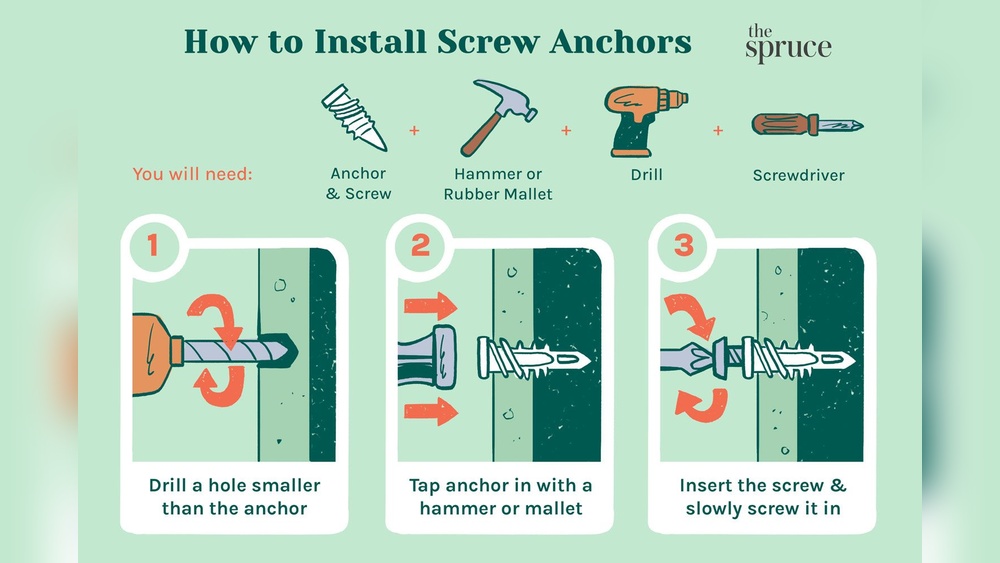
Start by marking the spot for the anchor. Use a drill bit that matches the anchor size. Drill a hole straight into the drywall. The hole should be clean and not too big. This helps the anchor grip tightly.
Inserting The Anchor Correctly
Push the anchor into the hole gently. Use your fingers or a hammer for firm pressure. Make sure the anchor is flush with the wall surface. This keeps it steady and ready for screws.
Securing With Screws
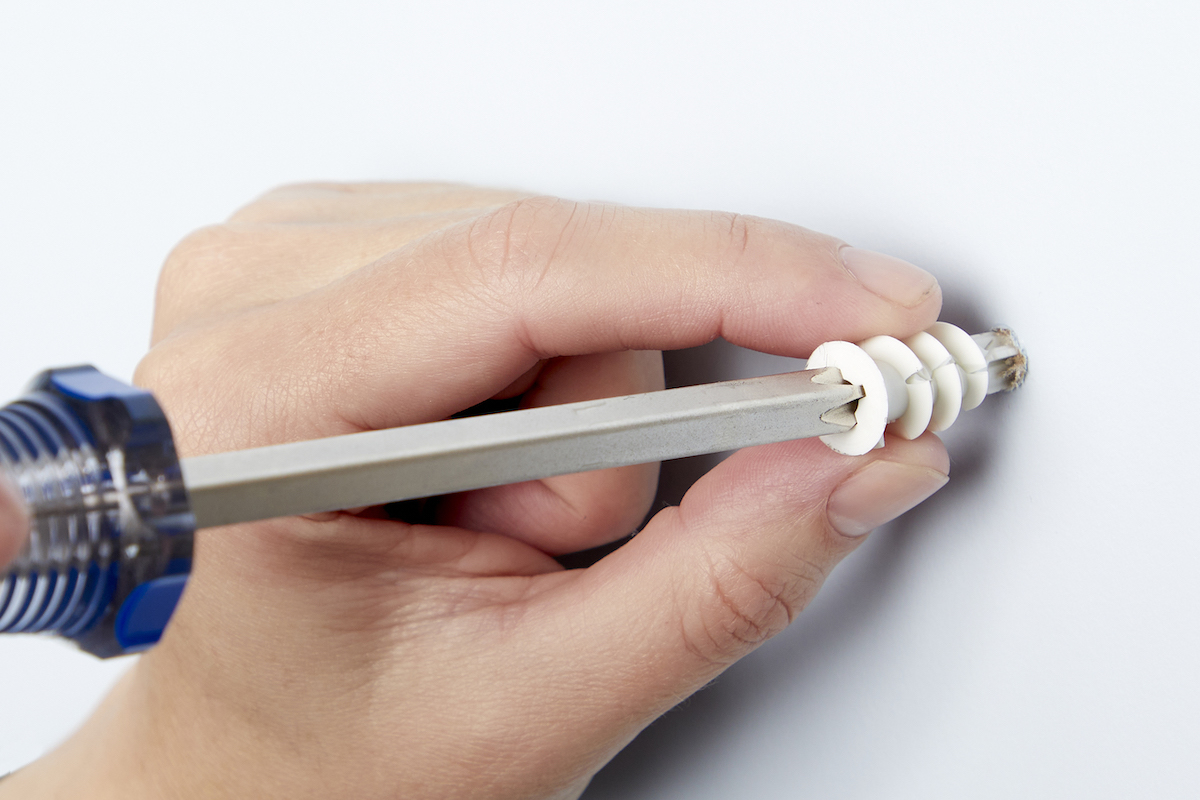
Place the screw into the anchor’s center. Turn the screw slowly with a screwdriver. Tighten it until it feels secure but avoid over-tightening. The screw holds the anchor and the wall strong.
Testing The Anchor’s Strength
Testing the strength of drywall anchors is a crucial step after installation. It ensures that the anchor can hold the item securely on the wall. Without proper testing, the anchor might fail, causing damage or injury. This section explains how to check the anchor’s hold safely and effectively.
Applying Load Gradually
Start by adding a small weight or pressure to the anchor. Increase the load slowly to avoid sudden failure. This helps you see how well the anchor grips inside the wall. Use your hand or a lightweight object first. Watch for any movement or loosening as you apply more force. If the anchor stays tight, it is likely strong enough for your item.
Identifying Signs Of Weak Hold
Look for any wobbling or shifting of the anchor in the wall. Listen for cracking sounds or feel if the anchor slips. Check if the screw turns easily without resistance. These signs mean the anchor is not holding well. Remove it and try a different type or size. A strong anchor should stay firm under pressure without any of these issues.
Tips For Durable Installation
Installing drywall anchors correctly ensures your items stay secure and your wall stays strong. Following simple tips helps create a lasting hold. Focus on how you tighten screws, select screw length, and keep the wall intact. These steps prevent damage and increase durability.
Avoiding Over-tightening
Do not tighten screws too much. Over-tightening can strip the anchor or damage the drywall. Stop turning the screw once it feels snug. A firm hold is enough. Tighten slowly and carefully to avoid breaking the anchor.
Using Appropriate Screw Length
Choose screws that fit the anchor and wall thickness. Screws too short may not hold well. Screws too long can pierce through the wall. Measure the drywall and anchor size before selecting screws. Proper length ensures a strong, safe hold.
Maintaining Wall Integrity
Drill holes slightly smaller than the anchor’s size. This keeps the anchor tight inside the drywall. Avoid making holes too large. Use a level and mark the spot before drilling. Careful preparation keeps the wall strong and prevents cracks.
Common Mistakes To Avoid
Putting drywall anchors in a wall is simple but can go wrong easily. Avoiding common mistakes saves time and keeps your wall safe. These errors often cause anchors to fail or damage the wall. Pay close attention to these key points.
Wrong Anchor Type Selection
Choosing the wrong anchor weakens your hold. Different anchors suit different weights and wall types. Use plastic anchors for light items and metal ones for heavy objects. Picking the wrong type leads to anchors pulling out or breaking.
Ignoring Wall Material Differences
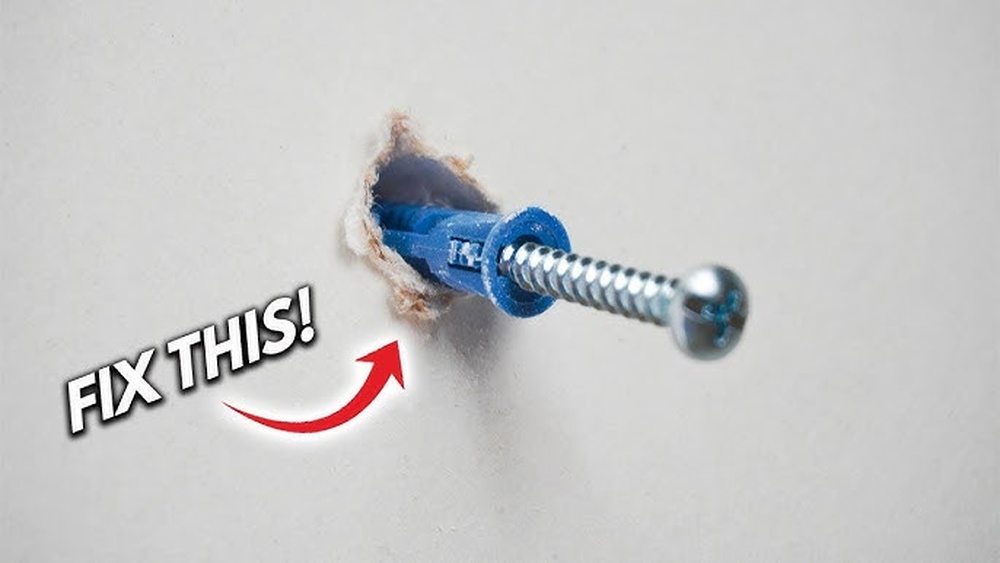
Not all walls are the same. Drywall, plaster, and concrete need different anchors and tools. Using drywall anchors on plaster can cause cracks. Know your wall material before buying anchors. This step ensures a secure fit and avoids damage.
Skipping Pilot Holes
Drilling pilot holes helps anchors go in smoothly. Skipping this makes anchors hard to install or causes wall damage. Pilot holes guide the anchor and reduce pressure on the wall. Always drill the right size hole before inserting an anchor.
Credit: www.bobvila.com
Credit: www.protoolreviews.com
Frequently Asked Questions
What Tools Do I Need To Install Drywall Anchors?
You need a drill, screwdriver, drywall anchors, and a pencil. A drill helps make pilot holes. Screwdrivers secure anchors. Pencils mark anchor spots. These tools ensure precise and strong anchor installation in drywall.
How Do I Choose The Right Drywall Anchor?
Choose anchors based on wall weight and anchor type. Plastic anchors suit lightweight items. Metal anchors hold heavier objects. Consider wall thickness for proper fit. Correct anchors prevent damage and ensure secure mounting.
Can I Reuse Drywall Anchors Once Removed?
No, drywall anchors usually cannot be reused. Removing them damages the anchor’s grip. Always use new anchors for secure installation. Reusing anchors may cause instability and risk wall damage.
How Deep Should I Drill For Drywall Anchors?
Drill a hole slightly smaller than the anchor’s diameter. This ensures a tight fit. Avoid drilling too deep or wide to prevent wall damage. Correct hole size is key for anchor strength.
Conclusion
Putting drywall anchors in a wall is simple and clear. Choose the right anchor for your wall type first. Use the correct drill bit size to make a neat hole. Push or screw the anchor carefully into the wall. Tighten screws slowly to avoid damage.
This method keeps your items secure and your walls safe. Practice a few times to gain confidence. Soon, hanging shelves or pictures will feel easy. Drywall anchors help you organize and decorate with ease. Try these steps next time you need strong support.