If you own a truck, knowing how to use a floor jack can save you time, money, and a lot of frustration. Whether you need to change a tire or do some quick repairs, using the right tool the right way is key.
But lifting a heavy truck safely isn’t always easy, especially if you’re new to it. In this guide, you’ll discover simple, step-by-step instructions to help you jack up your truck with confidence. By the end, you’ll feel ready to tackle the job without risking damage or injury.
Keep reading, and take control of your truck maintenance like a pro.
Choosing The Right Floor Jack
Choosing the right floor jack is very important for safely lifting your truck. The right jack makes the job easier and keeps you safe. Not all floor jacks are the same. You must know what to pick before buying one.
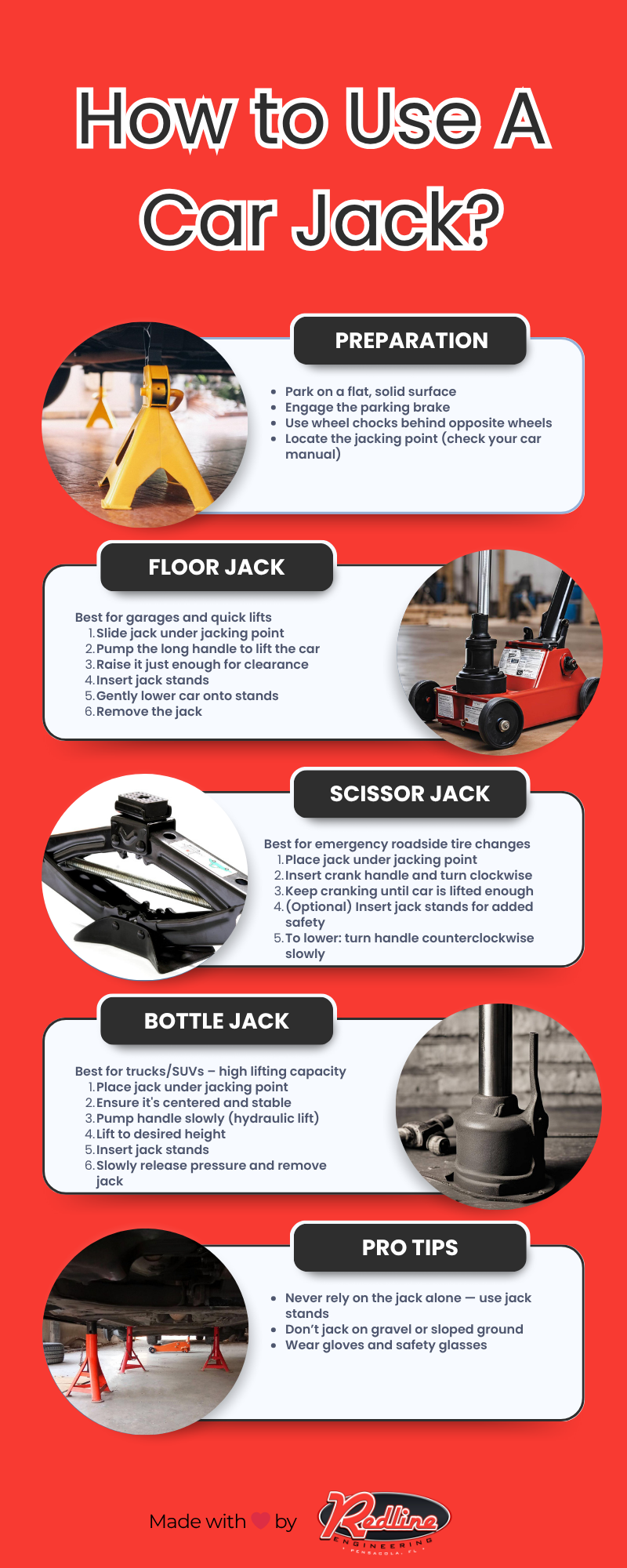
Types Of Floor Jacks
There are several types of floor jacks. The most common is the hydraulic floor jack. It uses fluid to lift heavy loads smoothly. Another type is the scissor jack, which is smaller and manual. Bottle jacks are strong but tall and less stable. Pick a type that fits your truck and workspace.
Weight Capacity Considerations
Check the weight capacity before buying a floor jack. Your jack must handle your truck’s weight safely. Most trucks need a jack with at least 3 tons capacity. Using a jack with low capacity can cause accidents. Always choose a jack with more capacity than your truck’s weight.
Material And Build Quality
Material affects the jack’s strength and durability. Steel jacks are strong but heavy. Aluminum jacks are lighter and resist rust. Look for solid welds and strong parts. A well-built jack lasts longer and works better. Avoid cheap jacks that break easily.
Credit: www.redlinestands.com
Preparing Your Truck For Lifting
Preparing your truck for lifting is an essential step for safety and efficiency. Taking time to set up correctly prevents accidents and damage. This preparation ensures the truck stays stable during the lift. Follow these simple steps carefully before using the floor jack.
Selecting A Safe Location
Choose a flat and solid surface for lifting your truck. Avoid slopes or soft ground like dirt or grass. A concrete or asphalt surface works best. Clear the area of any debris or obstacles. This helps the jack stay steady and reduces slipping risks.
Engaging Parking Brake And Chocking Wheels
Always apply the parking brake to stop the truck from moving. Place wheel chocks on the opposite side of the wheels you will lift. Chocks hold the truck firmly in place. This step adds an extra layer of safety and keeps the truck stable.
Inspecting The Truck’s Jack Points
Find the manufacturer’s recommended jack points under the truck. These spots are strong enough to hold the truck’s weight. Check for rust, damage, or dirt around these points. Clean and confirm they are solid before lifting. Using the right jack points prevents damage and accidents.
Positioning The Floor Jack Correctly
Positioning the floor jack correctly is key to lifting a truck safely. It ensures the truck stays stable while you work underneath. Incorrect placement can cause the truck to slip or fall. Take time to find the right spots and set the jack firmly. This section guides you through the steps to position the floor jack properly.
Locating The Jack Points On The Truck
Jack points are specific spots designed to hold the jack’s weight. They are usually under the truck’s frame or near the wheels. Check your truck’s manual to find exact locations. Look for reinforced metal areas or small notches. Avoid placing the jack on soft or rusty parts. Proper jack points keep the truck steady during lifting.
Aligning The Jack Saddle
The jack saddle is the part that touches the truck. It must sit flat against the jack point. Align it carefully to avoid slipping. Adjust the saddle height if needed. Make sure it centers on the jack point. Proper alignment spreads the load evenly and prevents damage.
Ensuring Stability Before Lifting
Before lifting, check the floor jack’s position. The jack must stand on a flat, hard surface. Avoid soft ground or slopes that can cause movement. Test the jack by pressing lightly to see if it stays steady. Use wheel chocks on the truck to prevent rolling. Confirm everything feels solid before raising the truck.

Credit: www.proeagle.com
Operating The Floor Jack Safely
Operating a floor jack safely is very important when lifting a truck. Safety helps prevent injuries and damage. Always follow clear steps. Use the jack on a flat, stable surface. Make sure the truck is in park and the parking brake is set. Check the jack for any damage before use.
Pumping The Handle For Lifting
Start by placing the jack’s saddle under the truck’s lifting point. Pump the handle slowly and steadily. Each pump raises the truck a little. Avoid quick or jerky movements. Stop pumping if you feel resistance. Keep pumping until the truck reaches the desired height.
Monitoring The Truck’s Lift Progress
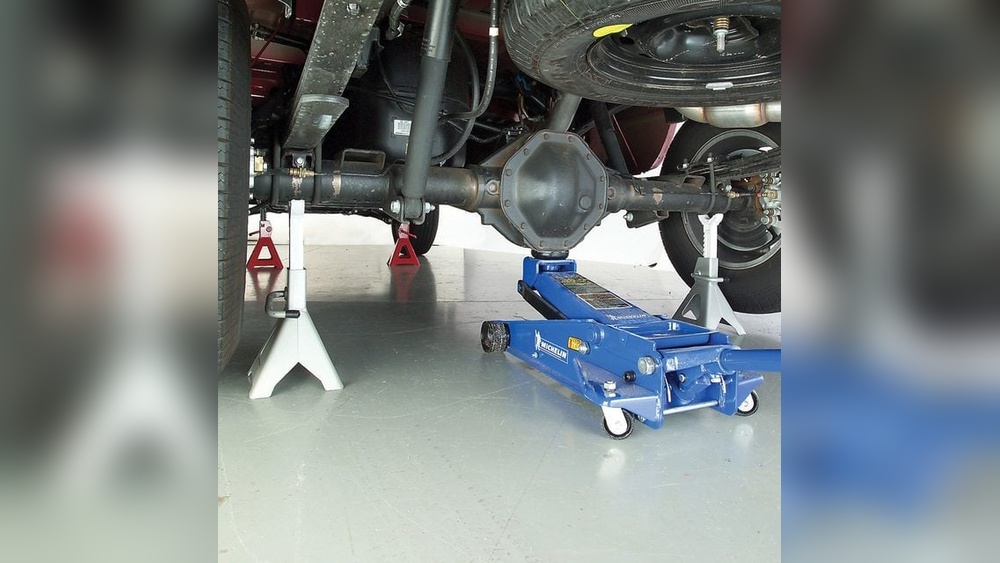
Watch the truck carefully as it rises. Make sure it stays balanced on the jack. Stop lifting if the truck shifts or moves. Use jack stands to support the truck after lifting. Never rely on the jack alone for support. Check the truck’s position often to stay safe.
Avoiding Common Lifting Mistakes
Do not lift the truck on uneven ground. Avoid placing the jack on soft or slippery surfaces. Never crawl under the truck without proper support. Avoid overextending the jack beyond its limit. Do not rush the lifting process. Take your time and stay alert at all times.
Securing The Truck After Lifting
Securing the truck after lifting is a vital step for safety. Lifting alone does not hold the truck steady. The truck can shift or fall without proper support. Taking extra steps prevents accidents and injuries. Always prepare the truck for safe work below it.
Using Jack Stands For Support
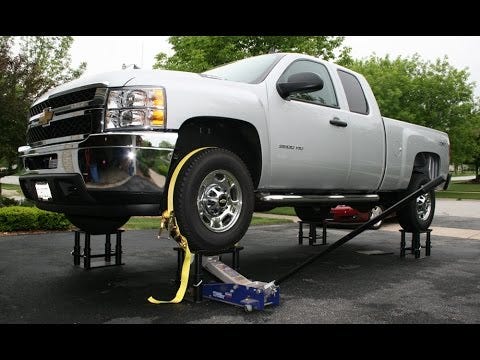
Place jack stands under strong points of the truck. Adjust the stands to the right height. Slowly lower the truck onto the stands. The jack stands hold the truck’s weight safely. Never rely on the floor jack alone for support.
Double-checking Stability
Test the truck’s balance by gently shaking it. Check that the stands do not move or slip. Make sure the truck rests firmly on the stands. Look for any signs of weakness or tilt. Confirm stability before starting any work under the truck.
Avoiding Working Under An Unsecured Truck
Do not crawl under the truck without support. The floor jack can fail or lose pressure. Falling trucks cause serious injuries or worse. Use jack stands every time you lift the truck. Safety must be your top priority before working underneath.
Credit: medium.com
Lowering The Truck Safely
Lowering the truck safely is a key step after lifting it with a floor jack. Taking care during this process prevents accidents and damage. Follow each step slowly and carefully to keep yourself and the truck safe.
Removing Jack Stands Carefully
Start by making sure the truck is stable on the jack. Slowly remove the jack stands supporting the truck. Keep your hands and feet clear while doing this. Take your time to avoid sudden movements. Never rush this step.
Slowly Releasing The Floor Jack
Turn the release valve on the floor jack slowly. Lower the truck a little at a time. Watch the truck’s movement closely. Stop if you see any sudden shifts. A slow release keeps the truck balanced and safe.
Final Checks Before Driving
Once the truck is on the ground, remove the floor jack completely. Check the truck’s position and stability. Look under the truck to ensure nothing is left behind. Make sure the wheels are secure. Only drive after confirming all is safe.
Maintenance Tips For Floor Jacks
Proper maintenance keeps your floor jack safe and working well. It prevents damage and extends the tool’s life. Regular care helps you avoid accidents and costly repairs.
Regular Inspection And Cleaning
Check your floor jack before each use. Look for cracks, leaks, or worn parts. Clean dirt and grease from the jack. Use a cloth to wipe all surfaces. Remove debris from wheels and moving parts. This stops damage and keeps the jack smooth.
Lubrication And Oil Checks
Lubricate all moving parts regularly. Use light machine oil or grease as recommended. Check the hydraulic oil level often. Low oil can cause the jack to fail. Replace oil every year or as the guide says. Proper lubrication ensures smooth lifting and lowers wear.
Safe Storage Practices
Store the floor jack in a dry place. Keep it away from moisture to stop rust. Lower the jack fully before storing. This reduces pressure on seals and parts. Cover the jack to protect from dust. Proper storage helps keep it ready for work.
Troubleshooting Common Issues
Troubleshooting common issues with a floor jack helps keep your truck lifting safe and easy. Problems can stop your work and cause frustration. Knowing simple fixes can save time and avoid damage.
Check your jack regularly. Clean and maintain it to prevent most issues. Below are common problems and how to fix them quickly.
Jack Not Lifting Properly
Check the hydraulic fluid level first. Low fluid causes weak lifting power. Refill with the recommended oil type. Remove air by pumping the handle several times after refilling.
Inspect the release valve. It may be partially open or stuck. Tighten or clean it to restore pressure. Worn seals inside the jack can also reduce lifting. Replace seals if fluid leaks or lifting stays weak.
Handle Stiffness Or Leakage
Stiff handles often result from dirt or rust inside the pump. Clean the handle and pump area with a dry cloth. Apply light oil to moving parts for smooth action. Avoid using too much oil to prevent dirt buildup.
Leaks usually mean damaged seals or loose fittings. Tighten bolts and check hoses for cracks. Replace any damaged parts to stop leaks. Never use the jack if fluid leaks continue, as it can be unsafe.
Unstable Lifting Or Slippage
Unstable lifting often happens on uneven ground. Always place the jack on a flat, solid surface. Use wood blocks if the ground is soft or rough. Check the jack’s saddle for wear or damage that can cause slippage.
Ensure the truck is properly positioned on the jack. Center the lifting point under the truck’s frame or recommended lift spot. Avoid sudden movements while the truck is lifted to prevent slipping.
Frequently Asked Questions
What Is The Best Floor Jack For Lifting A Truck?
The best floor jack for trucks has a high weight capacity, usually over 3 tons. Look for durability, stability, and easy maneuverability. Steel construction and a wide saddle are ideal features for safe lifting.
How Do I Position A Floor Jack Under A Truck Safely?
Place the jack under the truck’s designated lift point, usually near the frame or axle. Ensure the surface is flat and stable. Never lift under the bumper or suspension components to avoid damage or accidents.
Can I Use A Floor Jack On Uneven Ground For My Truck?
No, using a floor jack on uneven ground is unsafe. It can cause the jack to slip or tip, risking injury. Always use the jack on a flat, solid surface for maximum safety.
How High Should I Lift My Truck With A Floor Jack?
Lift your truck just enough to change the tire or perform maintenance. Typically, 6 to 12 inches is sufficient. Avoid overextending the jack to maintain stability and safety during the lift.
Conclusion
Using a floor jack on a truck is simple and safe with care. Always place the jack under strong parts of the truck. Lift slowly and watch the truck’s movement closely. Never go under the truck without proper support stands.
Practice these steps to feel confident and secure. Regular checks of the jack keep it working well. Taking time and being careful prevents accidents. Now, you can lift your truck with ease and safety.