Have you ever wondered how things stay together? Whether it’s your favorite chair, your car, or even your smartphone, there’s one small hero behind the scenes making it all hold firm—fasteners.
These tiny components play a huge role in keeping your world intact. But what exactly do fasteners do, and why should you care about them? Keep reading, and you’ll discover how understanding fasteners can help you make smarter choices in your everyday life and projects.
This simple knowledge might just save you time, money, and frustration. Let’s dive in!

Credit: allpointsfasteners.com
Types Of Fasteners
Fasteners are essential in holding things together. They come in different types. Each type serves a unique purpose. Understanding these types helps in choosing the right fastener for any task.
Fasteners can be divided into mechanical, adhesive, and specialty categories. Each group offers various options for different materials and strength needs.
Mechanical Fasteners
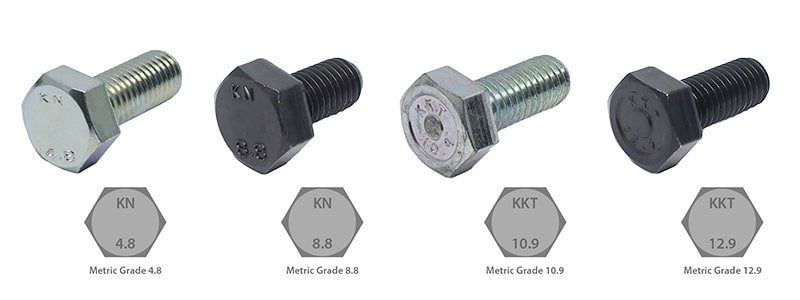
Mechanical fasteners join parts by physical means. Examples include screws, bolts, nuts, and nails. They are easy to install and remove. These fasteners are strong and reliable. They work well with wood, metal, and plastic. Mechanical fasteners allow parts to be taken apart later.
Adhesive Fasteners
Adhesive fasteners bond surfaces using glue or resin. They create a firm hold without holes or damage. These fasteners are useful for delicate materials. Adhesives spread evenly and fill gaps. They resist water and chemicals in many cases. Adhesive fasteners are common in crafts and electronics.
Specialty Fasteners
Specialty fasteners serve specific needs or challenges. Examples include rivets, clips, and anchors. They often provide extra strength or vibration resistance. Some specialty fasteners are designed for unique shapes or materials. They help in construction, automotive, and aerospace fields. These fasteners solve problems standard types cannot.
Functions In Construction
Fasteners play a key role in construction projects. They hold parts together and help structures last long. Without fasteners, buildings and bridges would not stand strong.
These small tools support heavy loads, keep things stable, and connect materials. Builders choose fasteners based on their job and strength needs.
Load Bearing And Support
Fasteners carry the weight of building parts. They transfer loads from one piece to another. This helps prevent damage or collapse. Strong fasteners keep walls, floors, and roofs safe. They support heavy beams and frames securely.
Structural Stability
Fasteners keep structures from moving or shaking. They lock parts in place to resist wind and vibrations. Good stability means a building stays firm and safe. Fasteners help maintain the shape and alignment of structures over time.
Temporary Vs Permanent Connections
Fasteners can create both temporary and permanent joints. Temporary fasteners allow easy disassembly and repairs. Permanent fasteners hold parts together for life. Builders pick fasteners based on how long the connection must last.
Roles In Design
Fasteners do more than just hold things together. They play key roles in design. Choosing the right fastener affects how a product looks, feels, and lasts. Designers must think about many factors. These include appearance, materials, and new ways to connect parts.
Aesthetic Considerations
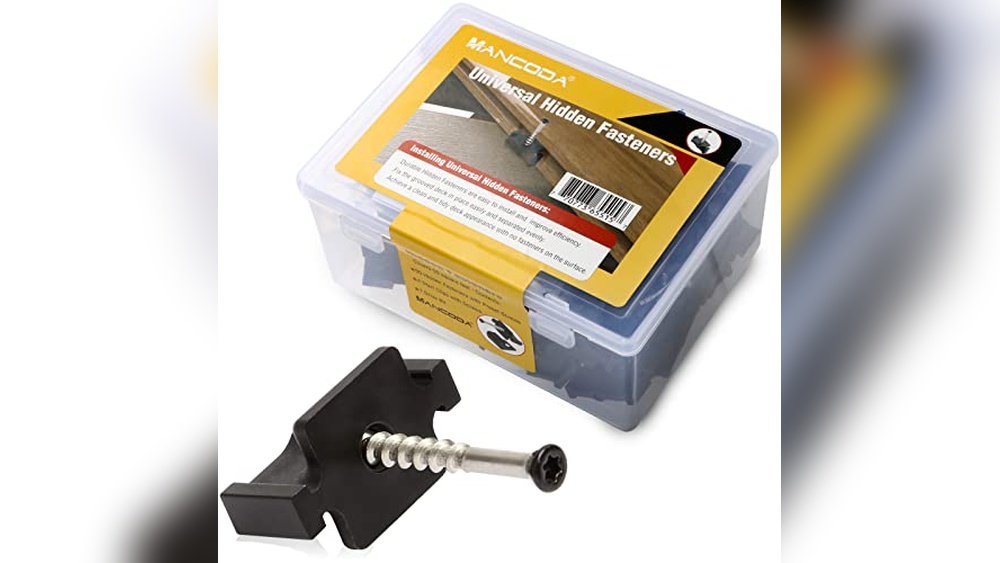
Fasteners can add to or take away from a product’s style. Some fasteners are hidden for a clean look. Others are meant to be seen and add detail. The shape, size, and color all matter. Good design uses fasteners that match or enhance the product.
Material Compatibility
Fasteners must work well with the materials they join. Metal fasteners fit with metal parts but might not suit plastics. Choosing the wrong fastener can cause damage or wear. Designers pick fasteners that fit the materials’ strength and type. This keeps the product safe and strong.
Innovative Fastening Solutions
New fastener designs allow creative building methods. Snap-fits and adhesives reduce the need for screws or nails. These options make assembly faster and cleaner. They also let designers explore fresh styles and shapes. Innovation in fasteners opens up many design possibilities.
Credit: www.hanshin-neji.com
Materials Used For Fasteners
Fasteners hold things together in many projects and machines. Choosing the right material for fasteners affects strength, durability, and cost. Different materials work best for different jobs. Understanding these materials helps in picking the right fastener for your needs.
Metal Fasteners
Metal fasteners are the most common type. Steel, stainless steel, brass, and aluminum are popular metals. Steel is strong and affordable but can rust. Stainless steel resists rust and lasts longer. Brass offers good corrosion resistance and looks attractive. Aluminum is lightweight and used in low-stress applications.
Plastic And Composite Fasteners
Plastic fasteners are light and resist chemicals well. They do not conduct electricity, useful in electronics. Composite fasteners combine materials for strength and flexibility. These fasteners are used in places where metal might corrode or cause damage. They suit light-duty and special environment uses.
Corrosion Resistance
Corrosion can weaken fasteners and cause failure. Stainless steel and brass resist corrosion well. Coatings like zinc or chrome protect steel fasteners. Plastic fasteners do not rust. Choosing corrosion-resistant fasteners increases the lifespan of your project. It also reduces maintenance and replacement costs.
Installation Techniques
Fasteners hold parts together in many types of projects. Proper installation is key for strong, lasting joints. Different techniques suit different fasteners and materials. Choosing the right method helps ensure safety and durability.
Manual Methods
Manual methods use hand tools like screwdrivers and wrenches. These tools give control and precision. Small projects or tight spaces often need manual installation. Workers can feel the tightness and adjust as needed. This method is slow but effective for delicate tasks.
Power Tools And Automation
Power tools speed up fastener installation. Drills and impact drivers reduce effort and time. Automation uses machines to install fasteners quickly and consistently. Factories use robots for high-volume assembly. This method improves efficiency and keeps quality steady.
Quality Control And Inspection
Quality control checks ensure fasteners are installed correctly. Inspectors look for tightness, alignment, and damage. Testing tools measure torque and strength. Regular inspection prevents failures and extends product life. This step is essential for safe and reliable results.
Challenges And Solutions
Fasteners are essential in many constructions and machines. They hold parts together tightly. But using fasteners comes with some challenges. Understanding these issues helps in finding the right solutions. This ensures safety and durability in various applications.
Environmental Impact
Fasteners face many environmental challenges. Moisture can cause rust and corrosion. Salt and chemicals speed up this damage. Temperature changes can make fasteners expand or shrink. This affects their grip and strength. Choosing the right material can reduce these problems. Stainless steel or coated fasteners resist rust better. Proper design also helps protect fasteners from harsh conditions.
Load And Stress Management
Fasteners must handle different loads and stresses. Overloading can cause them to break or loosen. Vibrations can also make fasteners lose tightness. Engineers calculate the right size and type of fastener. They select materials that match the strength needed. Using washers or locking nuts prevents loosening. Proper installation is key to managing these forces well.
Maintenance And Longevity
Fasteners need regular checks to ensure they stay secure. Loose fasteners can cause accidents or damage. Inspection helps spot wear, rust, or loosening early. Replacing damaged fasteners extends the life of the whole structure. Using fasteners designed for long use reduces maintenance needs. Simple cleaning and tightening improve their performance and safety.
Future Trends
Fasteners are evolving quickly to meet new demands in industry and daily life. The future holds exciting changes that will improve performance and efficiency. These trends focus on technology, environment, and production methods. Understanding these shifts helps us see how fasteners will shape tomorrow’s products.
Smart Fasteners
Smart fasteners include sensors to monitor tightness and stress. They can alert users about loosening or damage. This helps prevent failures in machines and structures. Smart fasteners improve safety and reduce maintenance costs. They connect with devices to share real-time data.
Sustainable Materials
New fasteners use eco-friendly materials like recycled metals and bioplastics. These reduce waste and environmental impact. Sustainable fasteners still offer strong performance and durability. Companies aim to lower carbon footprints through better material choices. These fasteners support greener building and manufacturing.
Advanced Manufacturing Methods
3D printing and automation make fastener production faster and cheaper. These methods allow custom shapes and sizes for specific needs. Advanced manufacturing reduces material waste and energy use. It also improves quality control and consistency. This means better fasteners at lower costs for many industries.

Credit: www.fmwfasteners.com
Frequently Asked Questions
What Is The Primary Function Of Fasteners?
Fasteners join two or more objects securely. They provide mechanical strength and stability to structures. Fasteners also allow easy assembly and disassembly in construction and manufacturing.
How Do Fasteners Improve Structural Integrity?
Fasteners hold components tightly, preventing movement and damage. They distribute loads evenly, reducing stress on materials. This ensures durability and safety in various applications.
What Types Of Fasteners Are Most Common?
Common fasteners include screws, bolts, nuts, nails, and rivets. Each type suits different materials and purposes. Choosing the right fastener enhances performance and longevity.
Can Fasteners Be Reused Safely?
Some fasteners can be reused if undamaged. However, others lose strength after removal. Always inspect fasteners before reuse to maintain safety and effectiveness.
Conclusion
Fasteners hold things together tightly and securely. They keep structures strong and parts aligned. Without fasteners, many objects would fall apart. They come in many shapes and sizes for different jobs. Choosing the right fastener matters for safety and durability.
Understanding fasteners helps you fix and build better. Small but powerful. Simple yet essential. Fasteners play a big role in everyday life.