If you’re planning to build a rooftop deck next to a party wall, you might be wondering how to make it safe and secure. Anchoring your deck properly is key to protecting your home, your neighbors, and yourself.
Without the right techniques, you could face costly repairs or even dangerous accidents. This guide will walk you through the simple steps to anchor your rooftop deck to a party wall, giving you the confidence to create a beautiful and sturdy outdoor space.
Keep reading to discover expert tips that make the process easier than you think.
Credit: www.cphcorp.com
Choosing The Right Anchor
Choosing the right anchor is key to a safe rooftop deck. The anchor holds the deck firmly to the party wall. A wrong anchor can cause damage or unsafe conditions. This section helps you pick the best anchor. It explains different types, materials, and how much weight they can hold.
Types Of Anchors
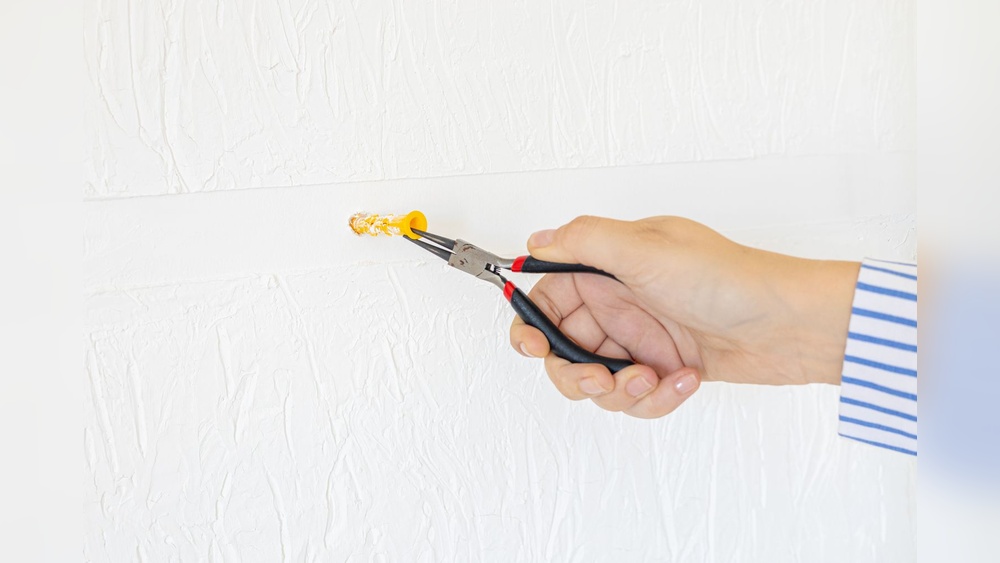
There are many anchor types for rooftop decks. Sleeve anchors expand inside the wall for strong grip. Lag shields use screws and fit well in masonry. Wedge anchors provide high strength for heavy loads. Choose the anchor type that fits your wall and deck design.
Material Compatibility
Anchors must match the wall material. Metal anchors fit concrete or brick walls best. For wood walls, use lag bolts or screws. Avoid anchors that can rust or damage the wall. Check if the anchor material resists weather and corrosion.
Load Capacity Considerations
Every anchor has a load limit. The rooftop deck weight plus people must be supported safely. Calculate the total load before choosing anchors. Select anchors that hold more than the expected weight. This ensures the deck stays secure during use.
Assessing The Party Wall
Assessing the party wall is the first step to anchor a rooftop deck safely. This wall supports your deck and connects two buildings. Knowing its condition helps prevent future problems. You must check its strength, materials, and legal rules before starting any work.
Structural Integrity Check
Start by inspecting the wall’s strength. Look for cracks, loose bricks, or signs of damage. Small cracks may mean big problems. Test if the wall moves or feels weak. A strong wall holds the deck firmly without shifting. Ask a professional if you are unsure about the wall’s condition.
Wall Material Analysis
Identify the material used in the party wall. Common materials include brick, concrete, and stone. Each material has different strength and anchoring needs. Some materials need special anchors or supports. Knowing the material helps choose the right tools and methods for your deck.
Local Building Codes
Check local building codes before work begins. These rules protect safety and property. Codes may limit how you attach the deck to the party wall. You might need permits or inspections. Follow the rules carefully to avoid fines or delays. Contact local authorities to get the correct information.
Preparing The Rooftop Deck
Preparing the rooftop deck is a key step before anchoring it to a party wall. Proper preparation ensures the deck is safe, strong, and long-lasting. It involves careful planning and attention to detail. This section covers important factors to consider during preparation.
Deck Design Factors
Choose materials that resist weather and wear. Wood, composite, or metal are common options. Check local building codes for height and size limits. Plan the deck layout to fit the available rooftop space. Allow room for furniture and walking paths. Consider drainage to avoid water buildup on the deck.
Weight Distribution
Evenly spread the deck’s weight across the rooftop structure. Use joists and beams that match the roof’s load capacity. Avoid placing heavy objects in one spot. Balance furniture and planters to reduce stress on the wall. Consult an engineer if unsure about weight limits.
Safety Measures
Install guardrails or barriers along the deck edges. Make sure they meet safety height standards. Use non-slip materials on walking surfaces. Inspect the rooftop for weak spots before building. Keep emergency exits clear and accessible. Safety reduces risks during and after construction.
Installation Process
Installing anchors to secure a rooftop deck to a party wall requires careful steps. The process ensures the deck stays stable and safe. Each step builds on the last to create a solid connection. Proper installation helps prevent damage to the structure and improves durability.
Marking Anchor Points
Start by identifying where the anchors will go. Measure the deck frame and party wall carefully. Mark points that align with the wall studs for strong support. Use a pencil or chalk to make clear marks. Double-check all measurements to avoid mistakes later.
Drilling And Fastening
Use a drill to create holes at the marked anchor points. Choose a drill bit that fits the anchors and wall material. Drill straight to avoid weakening the wall. Insert the anchors into the holes firmly. Fasten the deck frame to the wall with bolts or screws. Tighten them securely but do not over-tighten.
Sealing And Weatherproofing
Apply a sealant around the anchor points to block water. Use a weatherproof sealant suitable for outdoor use. Cover all drilled holes and fasteners carefully. This step prevents water damage and rust. Check the sealant is smooth and fully covers the area. Allow it to dry as recommended before using the deck.
Ensuring Stability And Safety
Ensuring stability and safety is key when anchoring a rooftop deck to a party wall. The structure must hold strong against wind, weight, and daily use. Weak points can cause accidents or damage. Careful checks and proper care keep the deck safe for everyone.
Load Testing
Load testing measures the deck’s ability to hold weight. This test checks if the anchoring can handle people and furniture. It helps find weak spots before problems start. Professionals often perform load tests for accurate results. Testing early avoids costly repairs later.
Regular Inspections
Inspect the rooftop deck and party wall often. Look for cracks, rust, or loose bolts. Small issues can grow into big dangers. Regular inspections catch these problems early. Keep a checklist to track the condition over time. This keeps the deck secure and reliable.
Maintenance Tips
Keep the deck clean and dry to prevent damage. Tighten bolts and screws regularly. Replace worn or broken parts immediately. Use rust-proof materials for anchors and fasteners. Proper maintenance extends the deck’s life and safety. Simple care protects your investment and users.

Credit: www.reddit.com
Common Mistakes To Avoid
Anchoring a rooftop deck to a party wall requires care and attention. Many make simple mistakes that cause big problems later. Avoid these common errors to keep your deck safe and sound.
Ignoring Structural Limits
Party walls have weight limits. Ignoring these can cause cracks or collapse. Check the wall’s strength before adding a deck. Do not assume it can hold heavy loads. Always consult a structural engineer for safety.
Improper Anchor Selection
Not all anchors work for every wall. Using the wrong type can lead to weak attachment. Choose anchors designed for your wall material. Follow manufacturer instructions carefully. Secure anchors tightly to avoid movement.
Neglecting Local Regulations
Many places have rules about rooftop decks. Skipping permits or inspections can lead to fines. Learn local building codes before starting work. Obtain necessary permissions to stay legal. Inspections ensure your deck meets safety standards.
Tools And Materials Checklist
Before anchoring a rooftop deck to a party wall, gather all needed tools and materials. This checklist helps you stay organized and work safely. Having the right equipment makes the job easier and faster. Below is a breakdown of what you need for this project.
Essential Tools
- Power drill with masonry bits
- Hammer drill for concrete or brick
- Measuring tape
- Level for accuracy
- Socket wrench set
- Chalk line for marking
- Screwdrivers (flathead and Phillips)
- Utility knife
- Caulking gun
Recommended Materials
- Steel anchor bolts or expansion anchors
- Galvanized metal brackets
- Pressure-treated lumber
- Concrete or masonry screws
- Construction adhesive
- Waterproof sealant
- Heavy-duty washers and nuts
Safety Gear
- Protective gloves
- Safety goggles
- Hard hat
- Dust mask or respirator
- Non-slip work boots
- Hearing protection

Credit: www.reddit.com
Frequently Asked Questions
What Is A Party Wall In Rooftop Deck Construction?
A party wall is a shared wall between two properties. It supports structures on both sides. When anchoring a rooftop deck, understanding its load capacity is vital for safety and compliance.
How Do I Anchor A Rooftop Deck To A Party Wall?
Use approved anchors or brackets fixed securely into the wall. Ensure they penetrate the masonry or concrete sufficiently. This method prevents movement and ensures structural stability.
Are Permits Needed For Rooftop Deck Party Wall Anchoring?
Yes, most local authorities require permits. They ensure the work meets building codes. Always check regulations before starting construction to avoid legal issues.
What Materials Are Best For Anchoring To Party Walls?
Steel brackets and heavy-duty bolts are preferred. They offer strength and durability against weather. Use corrosion-resistant materials to prolong the deck’s lifespan.
Conclusion
Anchoring a rooftop deck to a party wall needs careful planning. Follow the right steps to keep your deck safe and strong. Use proper tools and materials for a secure fit. Check local rules before starting your project. A well-anchored deck adds value and comfort to your home.
Take your time and do the job right. Your rooftop deck will then last for many years. Safe and steady—just what every deck should be.