Are you ready to transform your space with new wall cabinets but unsure how to secure them safely? Anchoring wall cabinets might seem tricky, but with the right steps, you can do it yourself and avoid costly mistakes.
Imagine opening your cabinets without worry, knowing they are firmly attached and built to last. In this guide, you’ll discover simple, clear instructions to anchor your wall cabinets securely—no confusion, no guesswork. Keep reading, and you’ll gain the confidence to complete this project like a pro.
Tools And Materials Needed
Anchoring wall cabinets needs the right tools and materials. Using proper items makes the job safer and easier. It helps the cabinet stay strong on the wall.
Below are the key tools and materials for this task. Prepare them before you start. This saves time and avoids mistakes.
Essential Tools
- Power drill with drill bits
- Stud finder to locate wall studs
- Level to keep cabinets straight
- Measuring tape for accurate measurements
- Screwdriver or screw gun
- Clamps to hold cabinets in place
- Pencil for marking spots
- Safety glasses to protect eyes
Recommended Materials
- Wall cabinet screws, long and strong
- Wood shims to adjust cabinet position
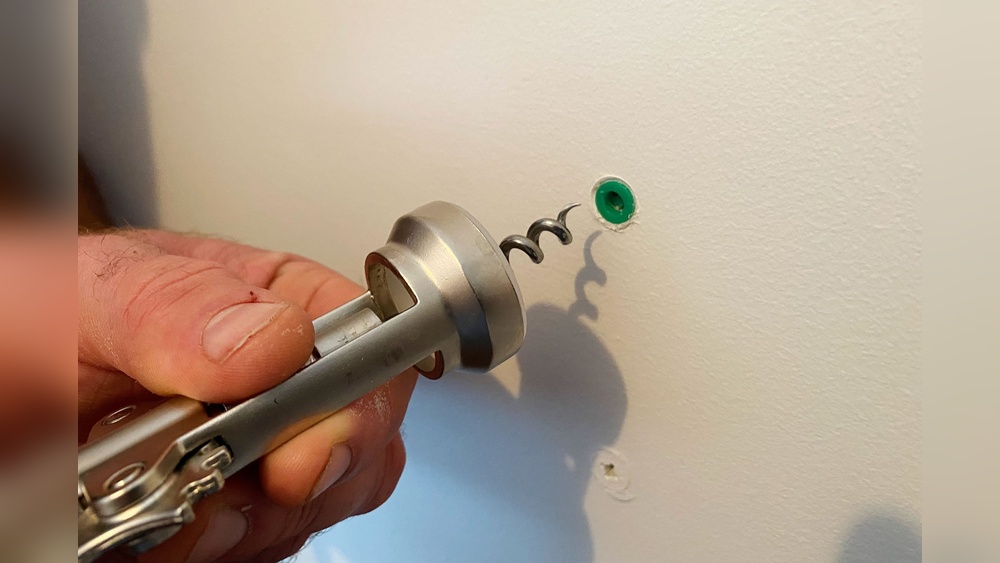
- Anchors for drywall if no studs found
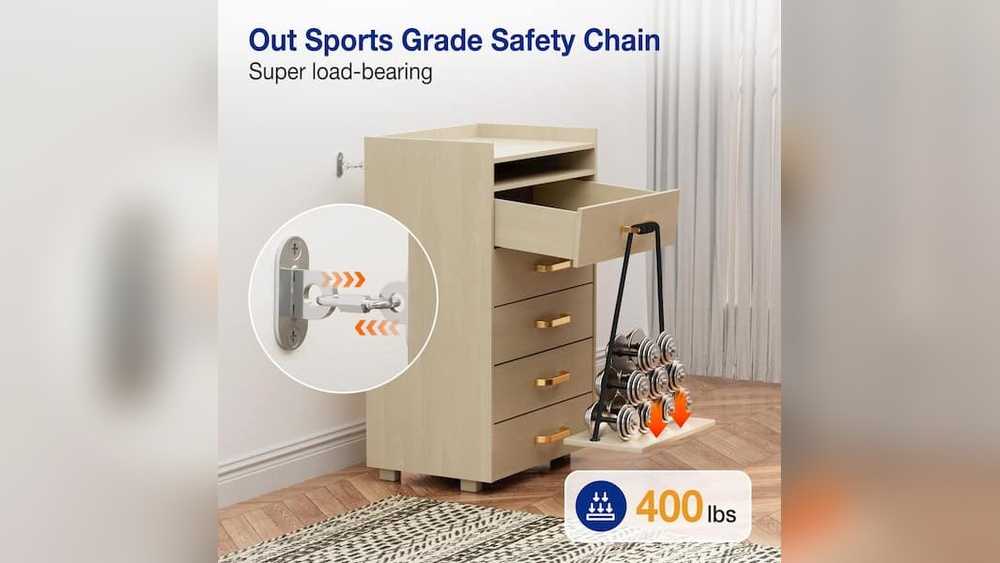
- Mounting brackets for extra support
- Wood glue for extra hold (optional)
- Cabinet filler strips to close gaps
Credit: www.finewoodworking.com
Preparing The Wall
Preparing the wall is the first step in anchoring wall cabinets safely. A strong and level surface ensures your cabinets stay secure. This step helps avoid damage to walls or cabinets later on. Follow clear, simple steps to get the wall ready.
Locating Studs
Studs are the wooden beams inside the wall. Cabinets must be anchored to these studs for strong support. Use a stud finder to locate them. Slowly move the finder across the wall. Mark each stud location with a pencil. Usually, studs are 16 or 24 inches apart. Finding them is key to a secure cabinet.
Marking Anchor Points
Mark points on the wall where the cabinet will hang. Align these points with the stud marks. Measure the cabinet’s height and width. Mark the top and bottom edges on the wall. Mark the points where screws will go through the cabinet into the studs. Clear marks guide you during installation. This step ensures the cabinet is level and stable.
Measuring And Aligning Cabinets
Measuring and aligning wall cabinets is a key step in secure installation. Accurate measurements ensure cabinets fit well and look good. Proper alignment keeps cabinets level and stable on the wall. These tasks need attention to detail and the right tools.
Setting Height And Level
Start by deciding the cabinet height. Standard height is usually 54 inches from the floor. Use a tape measure to mark this height on the wall. Check the marks with a level to make a straight line. This line guides the cabinet placement. It helps keep all cabinets even and balanced.
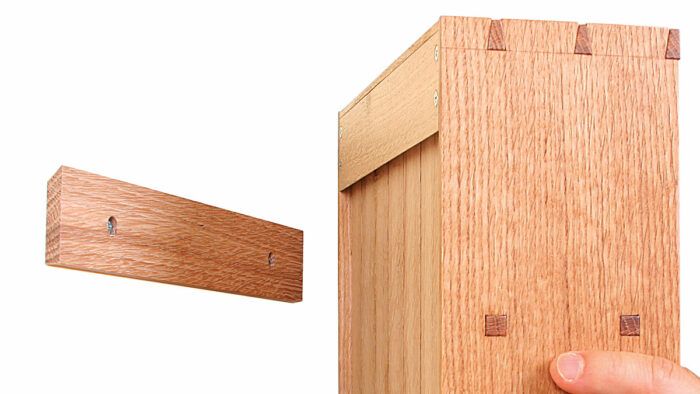
Using A Support Ledger
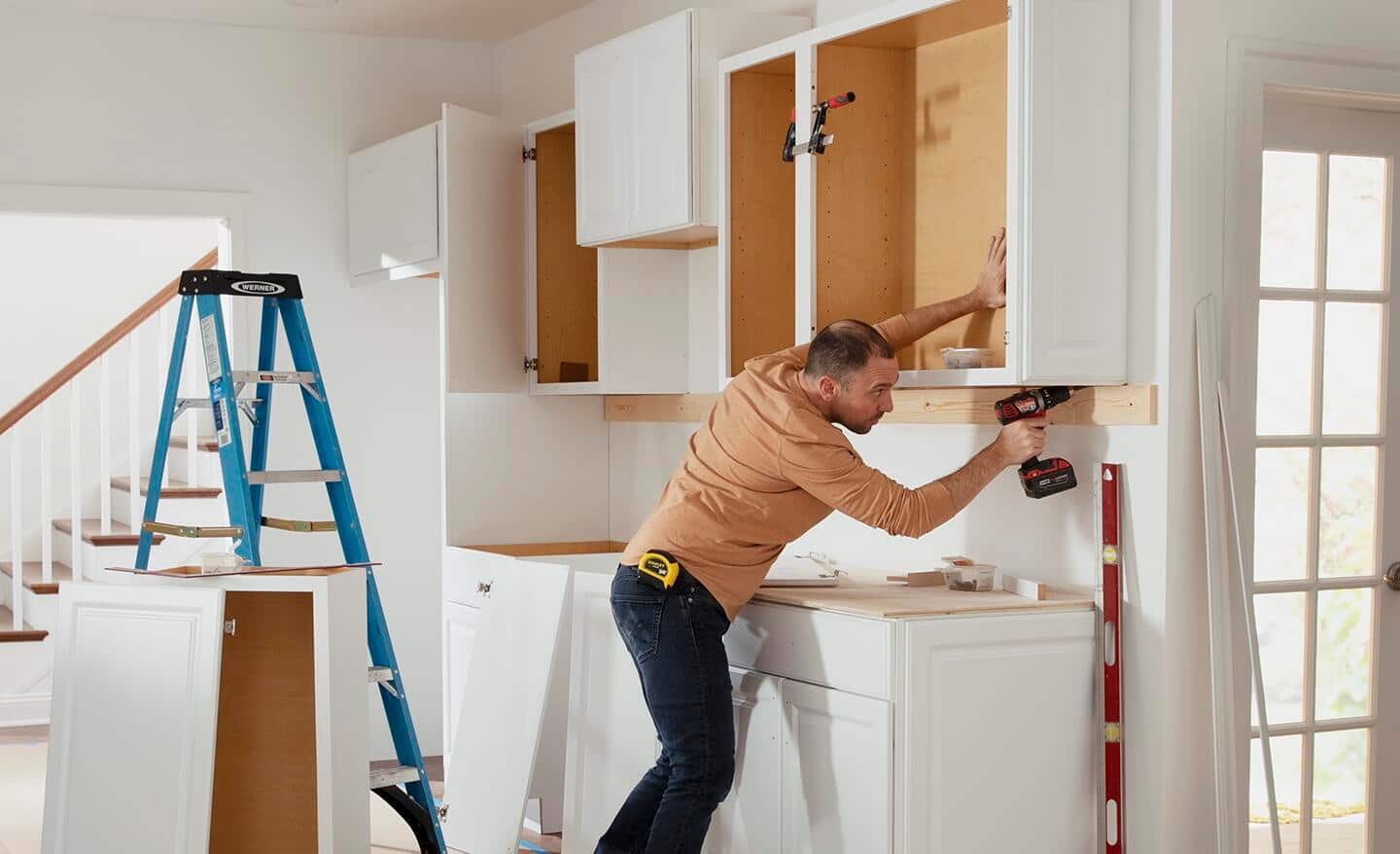
A support ledger makes cabinet installation easier. Attach a straight board along the height line on the wall. Use screws to fix it firmly into wall studs. This board holds the cabinets while you secure them. It prevents cabinets from slipping during installation. Remove the ledger after all cabinets are anchored.
Installing Wall Anchors
Installing wall anchors is a key step to securely mount wall cabinets. Anchors help hold the weight of the cabinet on drywall or other hollow surfaces. Without anchors, screws can pull out and cause damage. This part of the process ensures your cabinets stay fixed and safe.
Choosing The Right Anchors
Select anchors based on the wall type and cabinet weight. Plastic expansion anchors work for light loads on drywall. For heavier cabinets, use metal toggle bolts or molly bolts. Match the anchor size to the screw and weight capacity. Strong anchors prevent cabinets from loosening over time.
Drilling And Securing Anchors
Mark the spots for anchors on the wall. Use a drill bit sized to the anchor diameter. Drill holes straight and clean for a tight fit. Push or screw anchors into the holes until flush. Insert screws into anchors and tighten firmly. Check anchors are secure before hanging the cabinet.
Mounting The Cabinets
Mounting wall cabinets correctly is key for safety and function. It requires care and the right steps. Proper mounting keeps cabinets steady and secure on the wall.
Each step must be done with focus. This section explains how to lift, position, and fasten cabinets to walls. Follow these steps for strong and lasting results.
Lifting And Positioning
Start by lifting the cabinet carefully. Use help if the cabinet is large or heavy. Hold the cabinet level and steady.
Position the cabinet against the wall where you marked the studs. Check if it is straight using a level. Adjust the cabinet until it is perfectly aligned.
Keep the cabinet supported while you prepare to fasten it. Use a temporary brace or have a helper hold it in place.
Fastening Cabinets To Wall
Choose screws long enough to go through the cabinet and deep into the wall studs. This ensures a strong hold.
Drive screws through the cabinet’s back panel into the studs. Start with the top screws to hold the cabinet steady. Then add screws at the bottom and middle.
Check the cabinet’s level again after some screws are in place. Tighten all screws until the cabinet feels secure but avoid over-tightening.
For extra strength, use washers with screws. This stops screws from pulling out over time.
Credit: www.homedepot.com
Checking Stability And Adjustments
Checking the stability and making adjustments are key steps after anchoring wall cabinets. These steps ensure the cabinets are safe and look perfect. A stable cabinet will last longer and hold weight without issues.
Careful inspection helps find any small problems early. Simple fixes now prevent bigger troubles later. Follow a clear process to check the cabinet’s level and tightness.
Ensuring Level And Plumb
Use a level tool to check the cabinet’s horizontal position. Place the level on the top edge of the cabinet. Adjust the cabinet until the bubble is centered between the lines.
Next, check if the cabinet is plumb, or perfectly vertical. Hold the level against the side edges. Adjust by slightly moving the cabinet or shimming behind it. Proper level and plumb avoid doors that swing open or close on their own.
Tightening And Final Touches
Check all screws and anchors for tightness. Use a drill or screwdriver to tighten any loose hardware. Do not overtighten. Over-tightening can damage the wall or cabinet.
Look for gaps between the cabinet and wall. Fill small gaps with caulk for a clean finish. Finally, open and close the cabinet doors to test smoothness. Make small hinge adjustments if needed.
Safety Tips And Best Practices
Anchoring wall cabinets safely is key to a secure kitchen or workspace. Following safety tips and best practices protects you and your home. It also helps the cabinets last longer without damage or accidents. Take time to prepare and follow simple steps for a smooth installation.
Handling Heavy Cabinets
Heavy cabinets can cause injury if not handled properly. Always use two or more people to lift and move them. Keep your back straight and bend your knees when lifting. Use gloves to improve grip and avoid splinters. Place cabinets on a stable surface before attaching them to the wall. Do not rush the process. Take breaks if needed to stay safe and steady.
Preventing Common Mistakes
Check for wall studs before drilling holes. Use a stud finder to find strong support points. Avoid using drywall anchors alone for heavy cabinets. Measure twice, drill once to avoid unnecessary holes. Use a level to keep cabinets straight and balanced. Tighten screws securely but avoid over-tightening. Over-tightening can damage the cabinet or wall. Double-check all attachments before finishing the job.
Credit: www.reddit.com
Frequently Asked Questions
How Do You Find Studs For Wall Cabinets?
Use a stud finder to locate studs behind drywall. Mark each stud’s center with a pencil. Cabinets must anchor into studs for secure support and safety.
What Screws Are Best For Anchoring Wall Cabinets?
Use 2. 5 to 3-inch wood screws with coarse threads. These screws grip studs firmly and prevent cabinet movement or falling.
How High Should Wall Cabinets Be Installed?
Install wall cabinets 54 inches from the floor to the bottom edge. This height suits most countertops and provides comfortable reach.
Can Drywall Anchors Support Wall Cabinets?
No, drywall anchors alone cannot support heavy wall cabinets. Always anchor cabinets directly into wall studs for safety and durability.
Conclusion
Anchoring wall cabinets is a simple task with the right steps. Start by finding the studs in your wall for strong support. Use proper screws and tools to secure the cabinets tightly. Take your time to measure and level everything carefully.
A well-anchored cabinet stays safe and holds weight without problems. Follow these tips to complete your project with confidence and ease. Safety and precision matter most in any home improvement job. Now, your wall cabinets will be steady and ready for daily use.