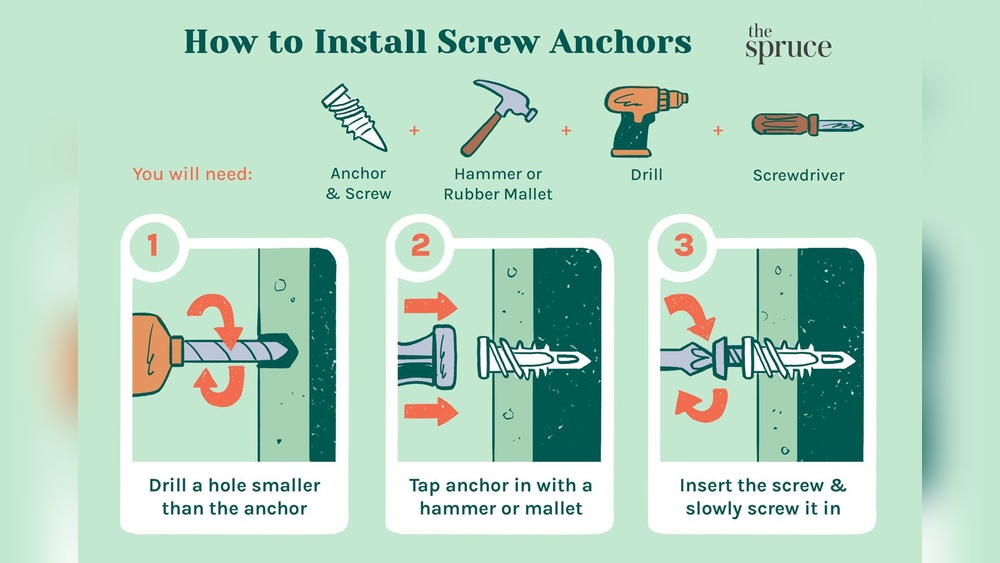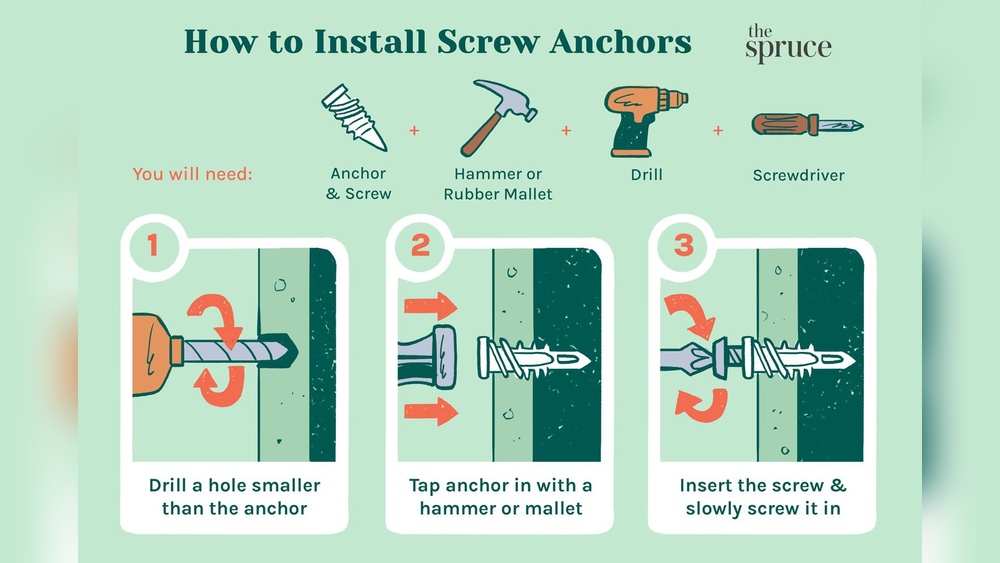
Are you looking to hang something heavy on your block wall but unsure how to do it safely? Attaching anchors to a block wall might seem tricky, but with the right steps, you can secure your items firmly and confidently.
This guide will walk you through simple, clear instructions that anyone can follow. By the end, you’ll know exactly how to choose and install the perfect anchors for your wall, saving you time, effort, and frustration. Keep reading to make your project easier and get the strong hold you need.
Choosing The Right Anchor
Choosing the right anchor is key for strong, secure attachments to block walls. The right anchor holds the weight and stays fixed over time. Picking the wrong one can cause damage or failure. This guide helps you understand which anchors fit best for your project needs and wall type.
Types Of Anchors For Block Walls
There are several anchor types made for block walls. Sleeve anchors expand inside the hole for a tight grip. Wedge anchors work well in solid blocks by pushing against the wall. Tapcon screws drill directly into the block for medium loads. Plastic anchors fit light tasks and small screws. Each type suits different weight and block hardness.
Factors To Consider When Selecting Anchors
Think about the anchor’s strength and the load it must hold. Wall thickness matters; some anchors need deeper holes. Moisture and weather can affect metal anchors, so choose corrosion-resistant types for outdoor use. Also, check the anchor size matches your screws or bolts. Proper fit prevents slipping and damage.

Credit: diy.stackexchange.com
Preparing The Block Wall
Preparing the block wall is a key step for strong anchor attachment. Proper preparation ensures anchors hold well and last longer. It involves cleaning the wall and marking where to place anchors. These steps make the process easier and more accurate.
Cleaning The Surface
Start by removing dirt and dust from the block wall. Use a stiff brush to scrub the surface thoroughly. Clean walls help anchors grip better and avoid slipping. Check for loose debris and clear it away. A clean surface gives a solid base for drilling holes.
Marking Anchor Positions
Measure carefully before marking anchor spots on the wall. Use a pencil to mark exact points where anchors will go. Keep marks visible but light to avoid damage. Proper marking prevents mistakes and wasted anchors. Double-check spacing to match your project needs.
Drilling Holes In Block Walls
Drilling holes in block walls requires care and the right tools. Block walls are tough and can crack if drilled incorrectly. Proper drilling creates a strong hold for anchors. Follow simple steps for best results.
Selecting The Right Drill Bit
Use a masonry drill bit designed for block walls. These bits have a special tip to cut through hard surfaces. Choose a bit size that matches your anchor size. Too small or too large bits cause weak holes. Check the bit for wear before starting.
Drilling Techniques For Block
Start drilling at a slow speed to avoid cracking. Keep the drill steady and straight. Apply gentle pressure and let the bit do the work. Drill to the depth recommended for the anchor. Clear dust from the hole often to keep it clean. Avoid overheating by pausing if needed.
Installing Different Anchor Types
Attaching anchors to a block wall requires the right type of anchor and proper installation. Each anchor type has a specific way to hold firmly in the wall. Choosing and installing the correct anchor ensures strong support for your project. The following sections explain how to install different anchor types easily and safely.
Using Sleeve Anchors
Sleeve anchors work well for heavy loads on block walls. Start by drilling a hole slightly larger than the anchor diameter. Clean out dust from the hole completely. Insert the sleeve anchor into the hole. Tighten the nut on the anchor. This causes the sleeve to expand and grip the inside of the block. Check that the anchor is secure before hanging anything.
Installing Wedge Anchors
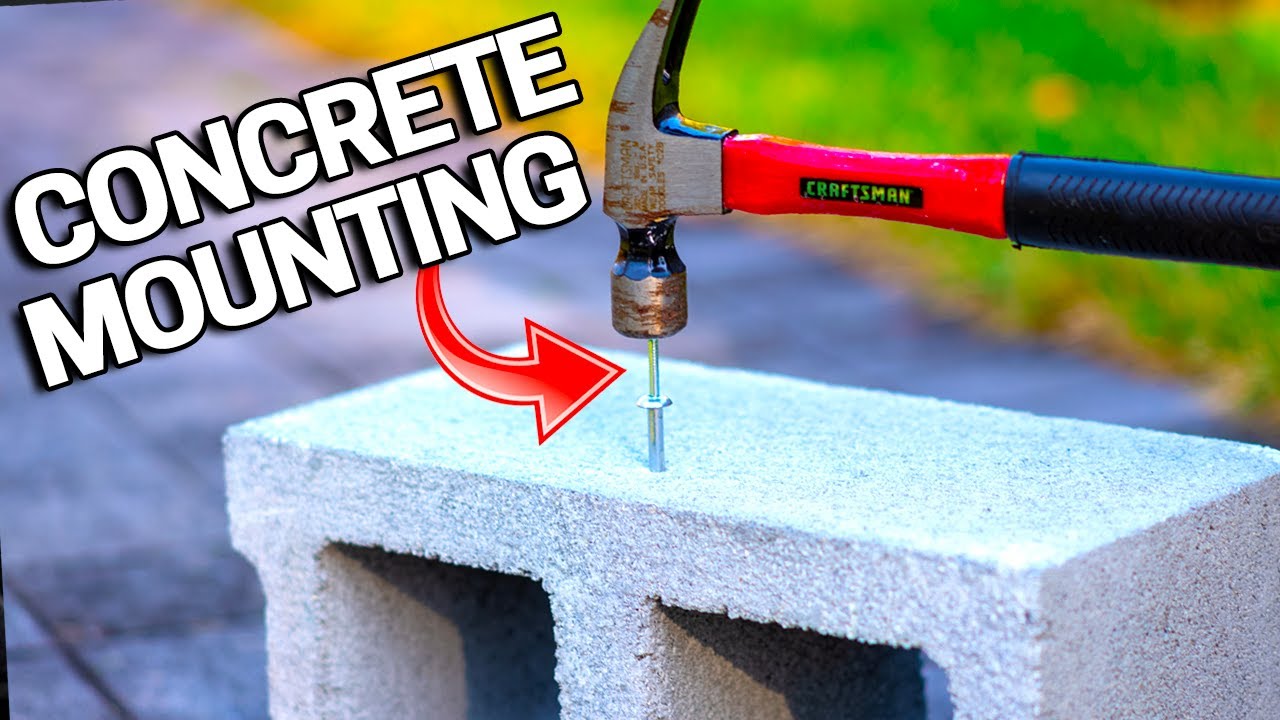
Wedge anchors offer strong hold in solid block walls. Drill a hole matching the anchor size. Remove all debris from the hole. Insert the wedge anchor into the hole. Tap gently with a hammer until the wedge is flush with the wall. Tighten the nut to expand the wedge inside the wall. The wedge locks the anchor firmly in place.
Setting Tapcon Screws
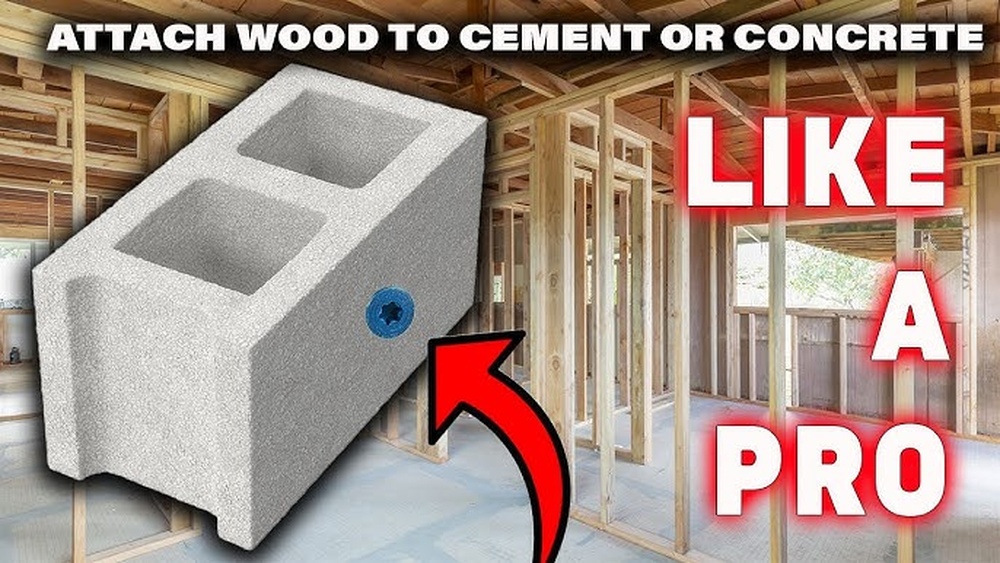
Tapcon screws are a quick choice for medium loads. Drill a pilot hole with a masonry bit. Make sure the hole is clean and dry. Insert the Tapcon screw using a drill with a screwdriver bit. Turn the screw until tight and the object is secure. Tapcons cut threads into the block, holding tightly. They are easy to remove and reuse if needed.
Securing Anchors For Maximum Hold
Securing anchors correctly ensures they hold tight and support weight safely. A strong hold prevents damage and accidents. Focus on tightening anchors carefully and checking their stability for best results.
Tightening Procedures
Start by turning the anchor bolt slowly. Use a wrench that fits well. Tighten until the anchor feels firm but avoid over-tightening. Over-tightening can crack the block wall or damage the anchor. Stop when you feel resistance and the anchor no longer moves easily.
Checking Anchor Stability
After tightening, test the anchor’s hold. Push or pull gently on the fastened object. Look for any movement or looseness. If the anchor shifts, loosen and retighten it carefully. Repeat the test until the anchor stays firmly in place with no movement.

Credit: www.reddit.com
Common Mistakes To Avoid
Attaching anchors to a block wall seems simple but many make common mistakes. These errors reduce the strength of the hold. Avoid these mistakes to keep your anchors secure and safe.
Improper Hole Depth
Drilling holes too shallow weakens the anchor’s grip. The anchor may slip out under pressure. Deep holes allow the anchor to expand fully. This creates a stronger hold in the block wall. Check the anchor instructions for correct hole depth. Use a drill stop or tape to measure depth while drilling.
Using Incorrect Anchor Size
Choosing the wrong anchor size causes weak attachments. Small anchors may not hold heavy loads. Large anchors might damage the block wall when inserted. Match anchor size to the weight and type of item you hang. Use anchors that fit snugly inside the drilled hole. Proper size anchors ensure a tight, secure fit every time.
Maintenance And Safety Tips
Maintaining anchors on a block wall is key for safety and durability. Regular checks help spot problems early. Safe anchors hold the load well and prevent accidents. Follow these tips to keep your anchors secure and strong.
Inspecting Anchors Regularly
Check anchors often for cracks, rust, or looseness. Use a flashlight to see inside holes. Tighten any loose bolts or screws. Look for signs of wear or damage on the wall. Early fixes stop bigger issues later.
Ensuring Load Capacity Compliance
Know the weight your anchors must hold. Do not exceed the recommended load limit. Use anchors designed for the load type. Overloading anchors can cause failure and injury. Always follow the manufacturer’s guidelines carefully.
Credit: www.youtube.com
Frequently Asked Questions
What Types Of Anchors Work Best On Block Walls?
Concrete anchors, sleeve anchors, and wedge anchors work best on block walls. They provide strong, secure attachments for heavy loads. Choose anchors designed for masonry to ensure durability and safety in your installation.
How Do I Prepare A Block Wall For Anchor Installation?
Clean the wall surface and remove dust or debris. Use a hammer drill with a masonry bit to drill holes. Ensure the hole size matches the anchor specifications for a secure fit.
Can I Attach Heavy Items To A Block Wall Safely?
Yes, using appropriate anchors like wedge or sleeve anchors ensures strong support. Always check the weight rating of the anchor and follow manufacturer instructions for secure mounting.
How Deep Should I Drill Holes For Block Wall Anchors?
Drill holes at least as deep as the anchor length plus extra space for dust. This ensures the anchor sits firmly and provides maximum holding power.
Conclusion
Attaching anchors to a block wall can be simple and strong. Choose the right anchor for your project. Drill carefully and clean the hole well. Insert the anchor firmly and tighten the screw slowly. Take your time to avoid mistakes.
With these steps, your anchors will hold tight. Ready for your next project? You can do it with confidence and care.