Are you struggling to hang shelves, pictures, or other items securely on your walls? Using plastic anchors with screws is the secret to a strong hold, but drilling them in can feel tricky if you’re not sure how to start.
In this guide, you’ll learn simple, step-by-step tips to drill screw plastic anchors into your wall quickly and safely. By the end, you’ll have the confidence to tackle your next project like a pro and avoid common mistakes that can cause damage.
Keep reading, and let’s make your walls work for you!
Choosing The Right Plastic Anchors
Choosing the right plastic anchors is important for a strong and secure hold. Different anchors work better for different walls and weights. The right anchor prevents damage and holds items safely. Learn about types and sizes to pick the best one.
Types Of Plastic Anchors
Plastic anchors come in many styles. Some expand when you insert the screw. Others have wings that open inside the wall. Some anchors are designed for drywall, while others work best in masonry or plaster. Picking the right type helps the anchor grip tightly.
Anchor Size And Weight Capacity
Anchors come in various sizes. Bigger anchors hold more weight but need bigger holes. Smaller anchors are good for light items. Check the weight limits on the packaging. Use an anchor that can hold more than your item’s weight. This keeps things safe and steady on your wall.
Tools And Materials Needed
Before you start drilling plastic anchors into your wall, gather the right tools and materials. Using the proper items makes the job easier and safer. It helps you drill clean holes and secure the anchors firmly. Below are the essential tools and materials for this task.
Drill And Drill Bits
A power drill is necessary for making holes in the wall. Choose a drill with variable speed control for better precision. Match the drill bit size to the plastic anchor size. Use a masonry bit for brick or concrete walls. For drywall or plaster, a standard twist bit works well.
Screwdriver And Screws
Use a screwdriver to insert screws into the plastic anchors. A manual or electric screwdriver works fine. Make sure the screwdriver head matches the screw type, such as Phillips or flathead. Select screws that fit the anchor size for a tight hold.
Measuring Tools And Markers
Measure carefully to place anchors in the right spots. A tape measure or ruler helps with accurate spacing. Use a pencil or marker to mark drill points on the wall. Clear marks guide your drilling and prevent mistakes.
Preparing The Wall
Preparing the wall before drilling screw plastic anchors is very important. It helps ensure the anchors hold firmly and safely. Proper preparation reduces the risk of mistakes and damage to the wall. This section guides you through finding and marking the right spot for drilling.
Locating The Drill Spot
Start by deciding where you want to place the anchor. Check the wall surface for any nails, wires, or pipes. Use a stud finder for this task to avoid hitting anything hidden. Choose a flat area free of cracks or holes. This makes drilling easier and safer. Keep the anchor’s size in mind when selecting the spot.
Marking The Spot Accurately
Use a pencil to mark the exact point on the wall. Make a small, clear dot that you can see easily. Double-check the spot by measuring the distance from nearby edges or corners. Use a level tool to keep the mark straight if needed. Accurate marking helps the drill go in the right place. It also keeps your project neat and precise.
:max_bytes(150000):strip_icc()/how-to-use-and-discard-anchor-screws-1822671_04_3225-fb61b874b829410e8ef26f3453ef35f0.jpg)
Credit: www.thespruce.com
Drilling The Hole
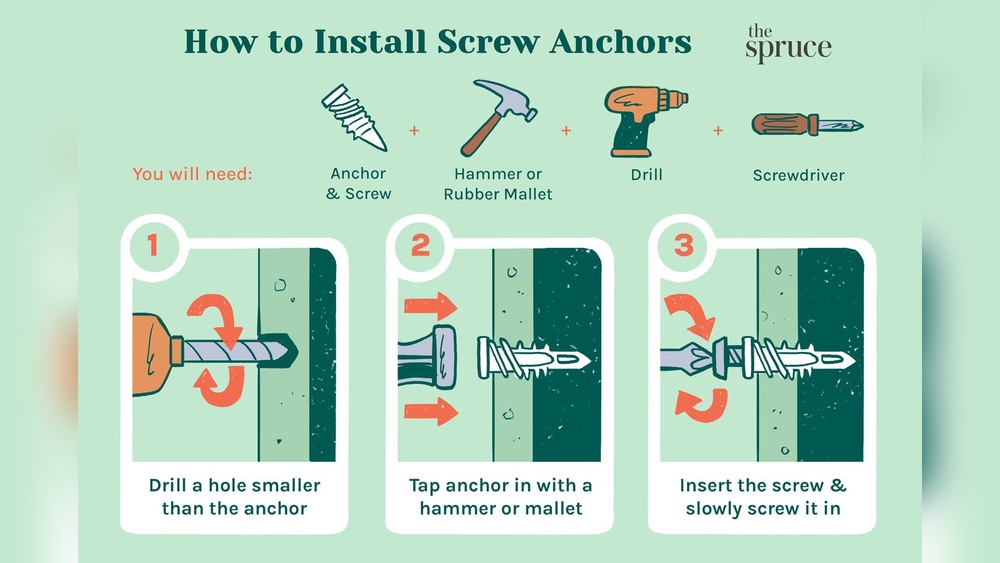
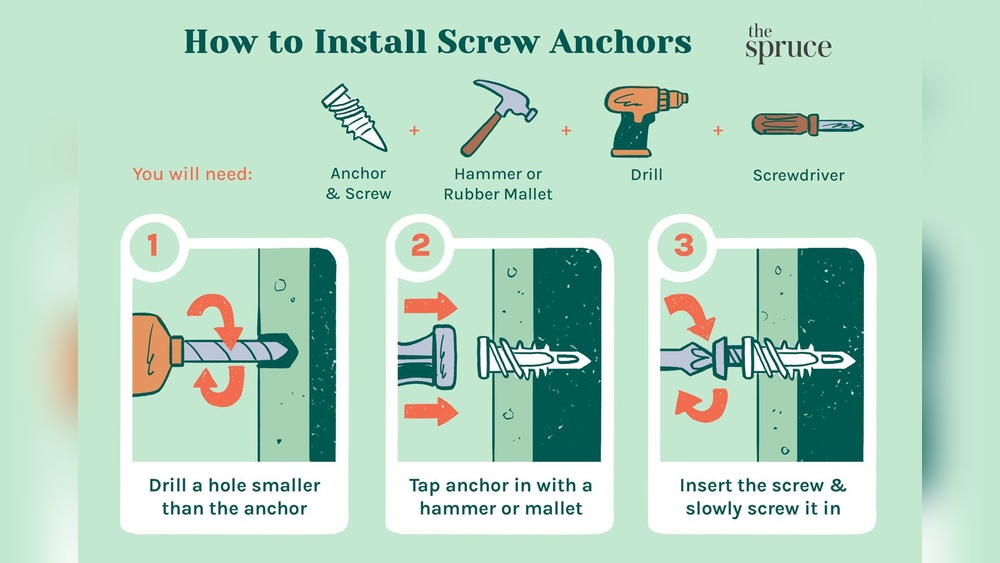
Drilling the hole is the first key step to fix plastic anchors into a wall. The hole must be right size and depth. This allows the anchor to hold tight and keep the screw secure. Careful drilling helps avoid cracks or damage to the wall. Follow simple tips for best results.
Selecting The Correct Drill Bit
Choose a drill bit that matches the anchor size. The bit should be the same diameter as the anchor’s body. Too small a bit makes the hole tight and can break the anchor. Too large a bit causes the anchor to fit loosely. Check the anchor package for recommended drill bit size. Use a sharp bit for clean holes.
Drilling At The Right Depth And Angle
Mark the depth on the drill bit with tape. This prevents drilling too deep or too shallow. Drill straight into the wall, not at an angle. An angled hole makes the anchor sit unevenly. Keep steady pressure and slow speed. Stop when the tape reaches the wall surface. This ensures the anchor fits flush and holds strong.
Inserting The Plastic Anchor
Inserting the plastic anchor into the wall is a key step for a strong hold. The anchor must fit snugly into the hole you drilled. This ensures stability for screws and prevents damage to the wall. Take your time to position the anchor carefully. Doing it right will make your project last longer.
Aligning The Anchor With The Hole
Start by holding the plastic anchor close to the hole. Make sure the tip of the anchor is straight and matches the hole’s opening. A slight angle can cause the anchor to sit unevenly. Align it with care to avoid cracking the wall or anchor. The fit should feel natural, not forced.
Tapping The Anchor Into Place
Use a small hammer or a mallet to tap the anchor gently. Light taps help push it inside without damage. Stop tapping once the anchor is flush with the wall surface. Avoid hitting too hard; it can break the anchor or wall. A soft, steady tap ensures a secure, clean fit.
Credit: www.homedepot.com
Securing The Screw
Securing the screw into a plastic anchor is a key step to ensure a strong hold on the wall. This step must be done carefully to keep the anchor in place and avoid wall damage. Proper screw selection and careful driving will help the anchor work as it should.
Focus on the right screw length and how to drive the screw correctly. These details make a big difference in the final strength of your installation.
Choosing The Proper Screw Length
Pick a screw that fits the anchor and wall thickness. The screw should be long enough to go through the anchor and into the wall behind it. Avoid screws that are too short or too long. A too-short screw won’t hold well. A too-long screw can damage the wall or anchor.
Check the anchor packaging for recommended screw sizes. Match the screw diameter to the anchor’s inner hole for a tight fit. The right length and size keep the anchor secure and stable.
Driving The Screw Without Damaging The Anchor
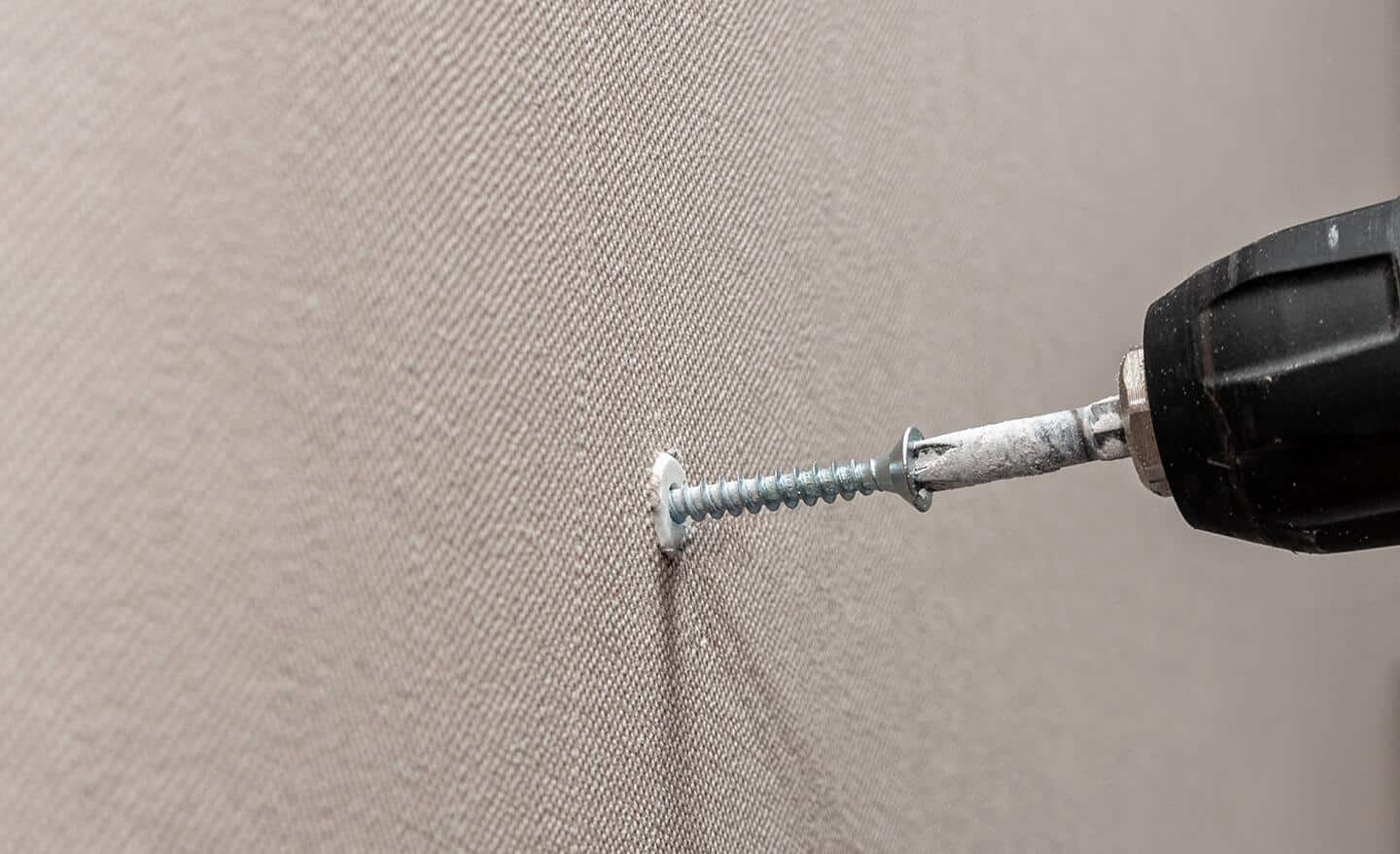
Turn the screw slowly into the anchor. Use a screwdriver or drill with low speed. Fast driving can crack or push the anchor out. Stop when the screw feels tight and the anchor is snug in the wall.
Do not over-tighten the screw. Over-tightening can break the anchor or strip the hole. Tighten just enough to hold your item firmly. Proper driving keeps the anchor strong and the wall safe.

Credit: www.amazon.sa
Frequently Asked Questions
What Tools Are Needed To Drill Plastic Anchors Into Walls?
You need a drill, drill bits, plastic anchors, screws, and a screwdriver. A tape measure and pencil help mark spots accurately. These tools ensure a clean, secure installation of plastic anchors into the wall.
How Do I Choose The Right Drill Bit Size?
Select a drill bit matching the anchor’s diameter. This ensures a snug fit and strong hold. Using the correct size prevents wall damage and improves anchor stability.
Can I Drill Plastic Anchors Into Drywall?
Yes, plastic anchors work well in drywall. Drill a hole, insert the anchor, and screw into it. This method provides good support for light to medium loads.
How Deep Should I Drill Holes For Plastic Anchors?
Drill holes slightly deeper than the anchor length. This allows full anchor insertion and prevents damage. Proper depth ensures the anchor grips firmly inside the wall.
Conclusion
Drilling screw plastic anchors into a wall is simple with the right steps. Choose the correct drill bit size for a tight fit. Drill straight and steady to avoid wall damage. Insert the anchor gently until it sits flush with the surface.
Screw in carefully to keep the anchor secure. Follow these tips for strong, lasting support. Practice makes perfect. Soon, you’ll handle anchors like a pro. Ready to hang your items safely and easily? Just take your time and work step by step.