Are you struggling to hang shelves, pictures, or heavy items on your wall without them falling down? Getting the right anchor into your wall is the key to making sure your fixtures stay put and your walls stay safe.
In this guide, you’ll discover simple, step-by-step tips to help you choose the right anchor and install it correctly. By the end, you’ll feel confident tackling any wall project and avoid common mistakes that cause damage or frustration. Keep reading to learn how to secure your anchors like a pro and transform your space with ease.
Choosing The Right Anchor
Choosing the right anchor is important for a strong hold in your wall. Anchors help secure screws and support weight. Picking the wrong anchor may cause damage or failure. Know the types of anchors and wall materials before starting your project.
Types Of Wall Anchors
There are several types of wall anchors. Plastic expansion anchors are common for light loads. They expand when the screw is inserted. Toggle bolts have wings that open behind the wall. They hold heavy objects well. Molly bolts are metal anchors that expand inside the wall. They offer a strong grip in drywall. Concrete anchors are made for solid surfaces. Use them in brick or concrete walls.
Matching Anchors To Wall Materials
Wall material affects anchor choice. Drywall needs anchors that expand or grip behind it. Plastic or molly anchors work best here. Plaster walls require anchors that do not crack the surface. Toggle bolts are often used in plaster. For brick or concrete, use heavy-duty anchors. Sleeve anchors or concrete screws fit tightly into holes. Match your anchor to the wall type for safety and strength.
Tools And Materials Needed
Getting an anchor into a wall requires specific tools and materials. These help make the job easier and safer. Using the right items ensures the anchor holds strong and stays in place. Here is what you need to prepare before starting.
Essential Tools
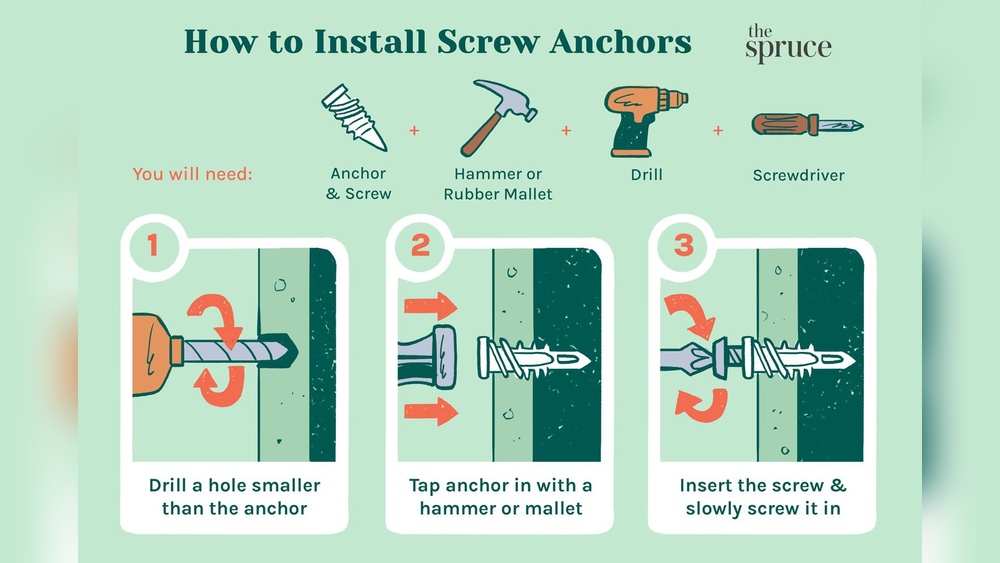
You need a drill to make holes in the wall. Choose a drill bit that matches the anchor size. A screwdriver is necessary to insert and tighten the anchor. A hammer may help to tap the anchor gently into the hole. A tape measure helps to mark the exact spot on the wall. A pencil or marker is useful to mark drill points clearly.
Safety Gear
Safety glasses protect your eyes from dust and small debris. Gloves shield your hands from sharp edges and rough surfaces. A dust mask prevents inhaling dust created while drilling. Wear sturdy shoes to protect your feet during work. Use ear protection if your drill is loud to protect hearing.
Preparing The Wall
Preparing the wall is an important step before inserting an anchor. It ensures the anchor holds tightly and safely. A well-prepared wall prevents damage and supports the item you want to hang. Follow these steps carefully for a strong hold.
Locating Studs And Marking Spots
Find the studs behind the wall first. Studs provide the best support for anchors. Use a stud finder or tap the wall to listen for solid spots. Mark these areas lightly with a pencil. Mark the exact spots where you want to place the anchors. Correct placement makes installation easier and safer.
Cleaning And Clearing The Area
Clear dust and dirt from the wall surface. Use a dry cloth or brush to clean the area. A clean surface helps the anchor grip better. Remove any loose paint or wallpaper near the spots. This step prevents the anchor from slipping or failing later.
Drilling The Hole
Drilling the hole is a key step to get an anchor into the wall. A clean and correctly sized hole ensures the anchor fits well. It also helps the anchor hold strong and stay in place. Careful drilling reduces damage to the wall and makes the installation easier.
Selecting The Drill Bit Size
Choose a drill bit that matches the anchor size exactly. The hole must be just wide enough for the anchor to fit tight. If the hole is too big, the anchor will be loose and weak. Too small, and you might crack the wall or break the anchor. Check the anchor package for the recommended drill bit size. Use a measuring tool if needed to confirm the bit size before drilling.
Proper Drilling Techniques
Mark the spot on the wall where you want the hole. Hold the drill steady and straight to avoid angled holes. Start drilling slowly to keep control. Apply steady pressure, but do not force the drill. Let the drill bit do the work. Stop drilling once you reach the right depth. Clear out dust from the hole with a brush or air blower. This helps the anchor grip the wall better.
Installing The Anchor
Installing an anchor into a wall is a key step for strong and stable support. Proper installation prevents damage and ensures the item stays secure. Different anchors fit different walls and weights, so choosing and installing the right one is important.
Inserting Different Types Of Anchors
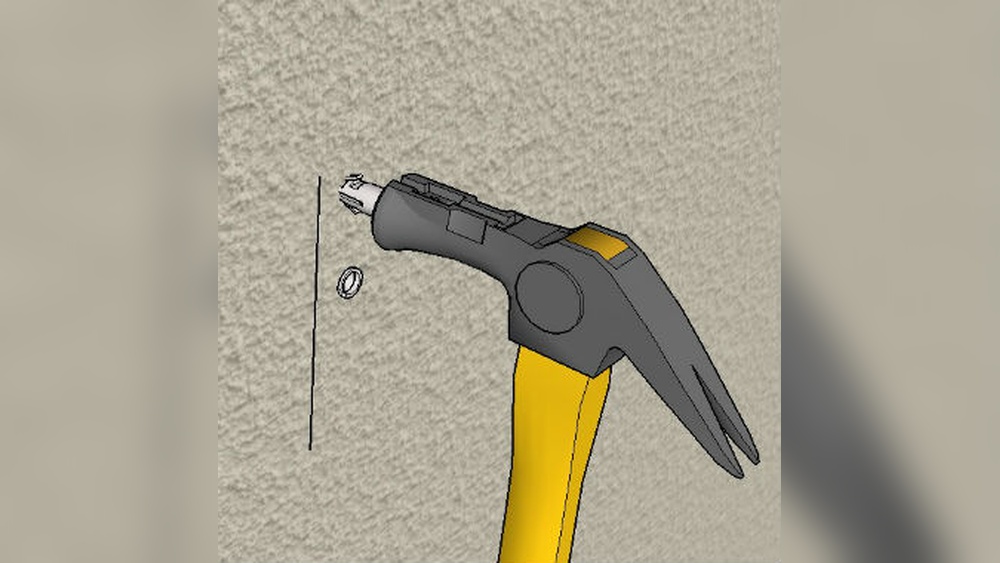
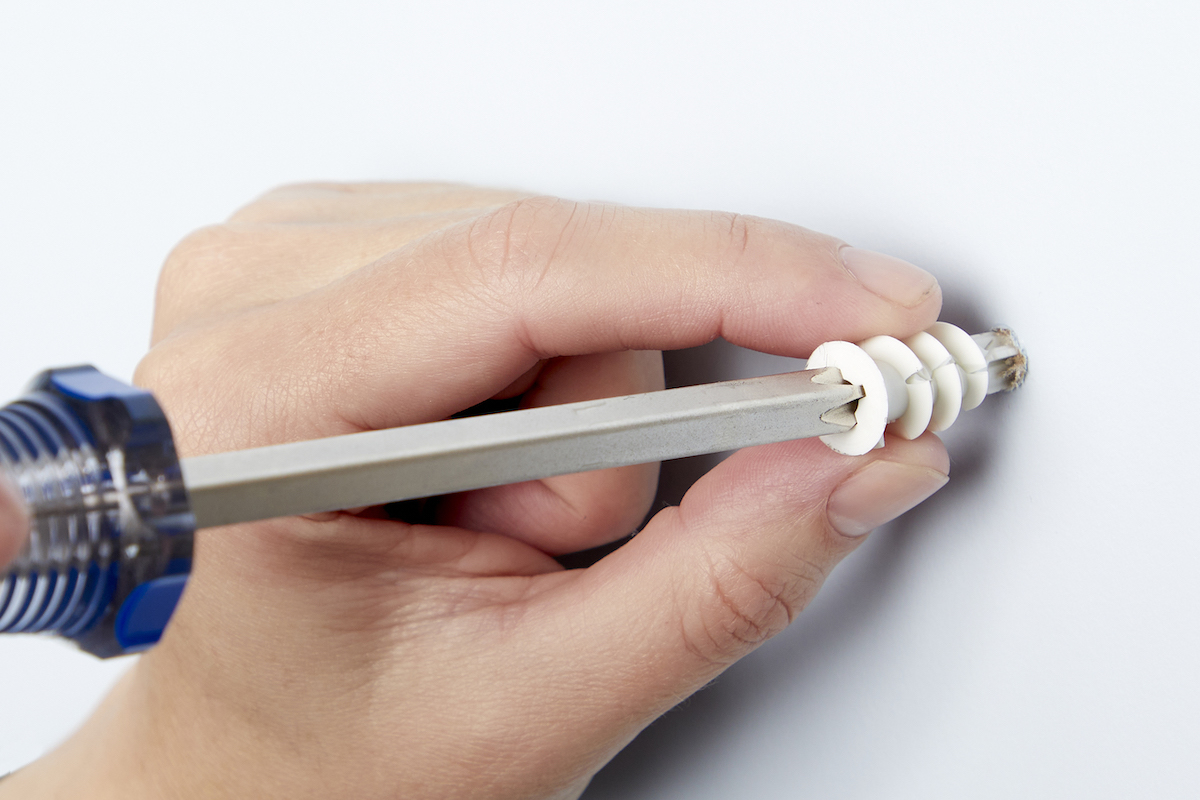
Plastic expansion anchors need a drilled hole slightly smaller than the anchor. Push the anchor into the hole until it sits flush with the wall. Use a hammer lightly if needed.
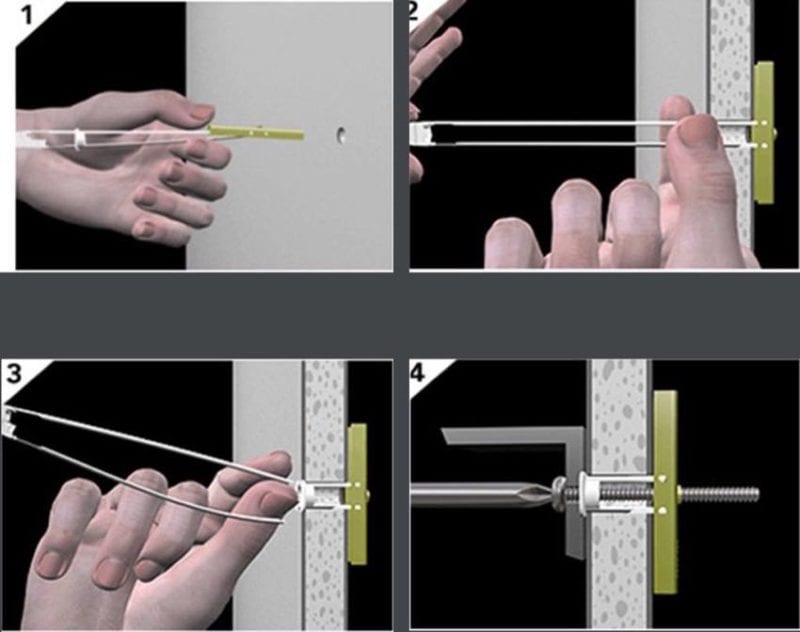
Metal anchors like toggle bolts require a larger hole. Insert the folded wings through the hole. The wings open behind the wall, holding the anchor firmly.
Masonry anchors go into drilled holes in brick or concrete. Tap them in gently with a hammer. They expand when the screw goes in, creating a tight fit.
Ensuring A Secure Fit
Check the anchor fits snugly and does not wiggle in the hole. Loose anchors can cause the item to fall or damage the wall.
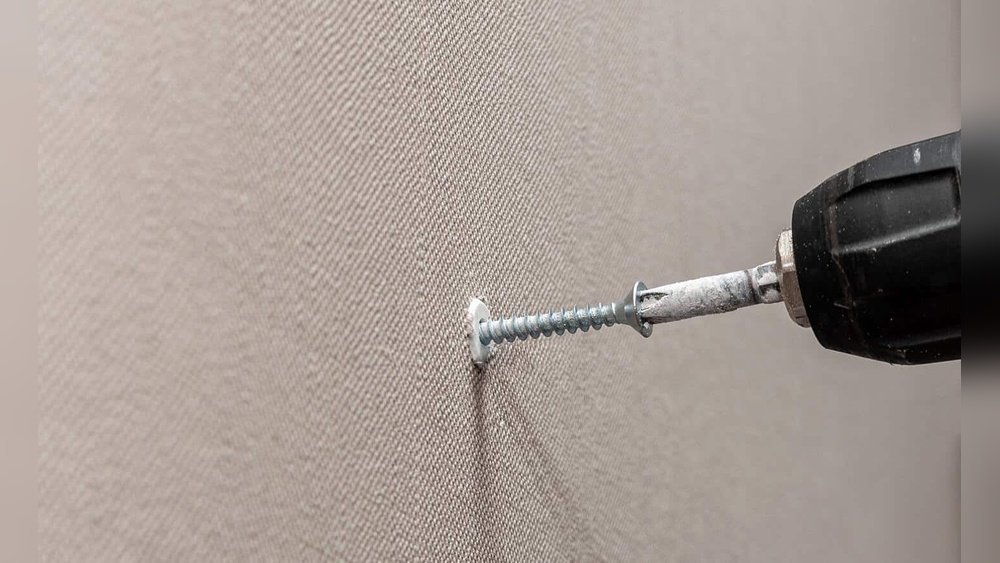
Drive the screw slowly into the anchor. Stop when it feels tight, avoiding over-tightening. Over-tightening can break the anchor or strip the hole.
Test the anchor by gently pulling on the screw or attached object. The anchor should hold firm without moving.
Credit: www.bobvila.com
Testing Anchor Strength
Testing anchor strength is important after installation. It ensures the anchor holds well in the wall. This step helps avoid accidents and damage. Proper testing confirms the anchor can support the intended weight safely.
Applying Load Safely
Start by applying a small load to the anchor. Use a weight or a pull test tool. Apply force slowly and evenly. Watch for any movement or loosening in the wall. If the anchor stays firm, increase the load gradually. Stop if you see cracks or shifts. This cautious approach protects the wall and your safety.
Troubleshooting Loose Anchors
Loose anchors need quick attention. Check if the anchor is the right size for the wall. Sometimes anchors do not fit well and slip out easily. Remove the loose anchor and clean the hole. Use a larger anchor or a different type. Fill the hole with wall repair filler if needed. Let it dry before inserting the new anchor. Repeat the load test to confirm strength.
Tips For Durable Support
Getting a strong anchor into the wall is key for lasting support. The right steps make a big difference. Small errors can cause weak holds or damage. Careful work leads to a sturdy setup. Follow these tips to keep your wall and anchor safe and strong.
Avoiding Common Mistakes
Choose the correct anchor for your wall type. Do not use anchors made for drywall on concrete walls. Drill holes the right size. Too big or too small holes reduce strength. Clean out dust from drilled holes. Dust stops the anchor from gripping well. Tighten screws slowly and evenly. Over-tightening can crack the wall or strip the anchor.
Maintaining Wall Integrity
Check the wall for cracks or damage before anchoring. Avoid placing anchors too close to edges or existing holes. Space anchors apart to spread the weight. Use the right tools to drill clean holes. Avoid hammering anchors into the wall. Hammering can weaken the wall or anchor. Seal around the anchor if needed to prevent moisture damage.

Credit: www.reddit.com
Credit: www.protoolreviews.com
Frequently Asked Questions
What Tools Do I Need To Insert An Anchor Into A Wall?
To insert an anchor, you need a drill, drill bits, anchors, screws, a screwdriver, and a hammer. These tools ensure precise and secure anchor placement.
How Do I Choose The Right Wall Anchor Type?
Select anchors based on wall material and load. Use plastic anchors for drywall and metal anchors for concrete or brick walls for best results.
Can I Install Anchors In Drywall Without Studs?
Yes, use expansion or toggle anchors designed for drywall. They distribute weight evenly and provide strong hold without needing studs.
What Is The Correct Drill Bit Size For Wall Anchors?
Use a drill bit matching the anchor’s diameter. This ensures a snug fit, preventing the anchor from being loose or too tight.
Conclusion
Getting an anchor into the wall is simple with the right steps. Start by choosing the correct anchor type for your wall. Drill a hole carefully, then insert the anchor firmly. Tighten the screw to secure your item. Take your time and work slowly to avoid mistakes.
With practice, your walls will hold shelves, pictures, or hooks safely. Remember, a strong anchor keeps things stable and prevents damage. Try these tips for a secure hold every time.