If you’ve ever tried hanging something heavy on your drywall, you know it’s not as simple as just driving a nail in. That’s where plastic wall anchors come in—they give your screws the grip and strength your walls need.
But how do you use them correctly to make sure your pictures, shelves, or mirrors stay put without damaging your walls? You’ll discover easy, step-by-step instructions that anyone can follow. By the end, you’ll feel confident tackling your next drywall project like a pro.
Keep reading to unlock the secret to strong, secure wall hangings every time!

Credit: www.reddit.com
Choosing The Right Plastic Wall Anchors
Choosing the right plastic wall anchors is key for a secure hold on drywall. The wrong anchor can cause damage or fail to support weight. Understanding the types, weight limits, and size helps pick the best anchor for each job.
Proper selection makes hanging items safe and easy. It also prevents repairs later. Knowing these basics saves time and effort.
Types Of Plastic Anchors
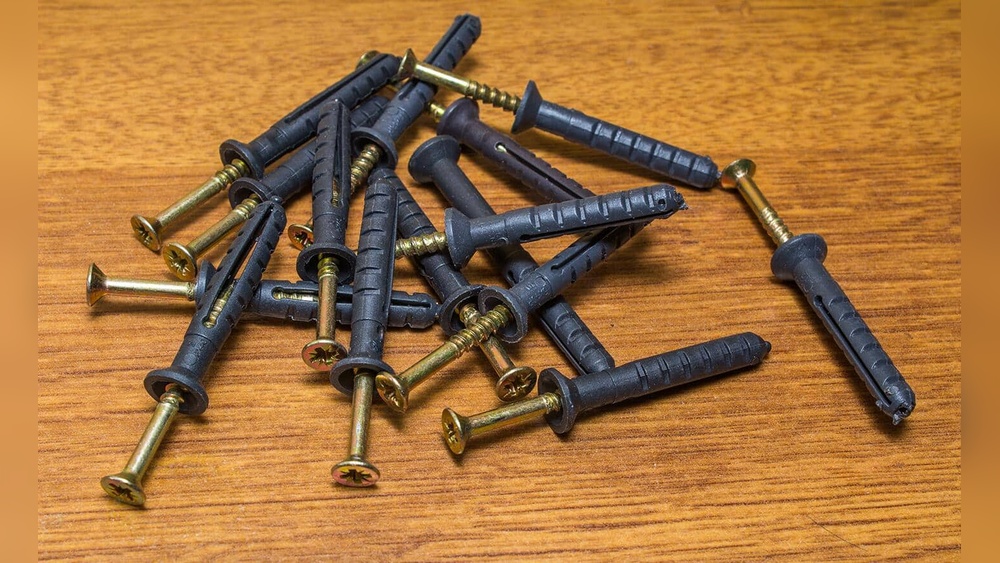
There are several plastic anchor types for drywall. Expansion anchors spread out inside the wall for grip. Threaded anchors screw into drywall and hold tight. Some anchors have wings that open behind the wall for extra support. Each type suits different tasks and weights.
Weight Capacity Considerations
Weight capacity matters most. Check the anchor’s label for maximum weight. Light anchors hold small items like picture frames. Heavier anchors support shelves or mirrors. Always choose an anchor that holds more than the item’s weight. Safety first.
Anchor Size And Drywall Thickness
Anchor size must match drywall thickness. Thin drywall needs smaller anchors. Thick drywall or double layers need bigger anchors for strength. Measure the drywall before buying anchors. Proper fit avoids wall damage and loose items.
Tools Needed For Installation
To install plastic wall anchors on drywall, having the right tools is important. These tools help make the process smooth and ensure the anchors hold well. Using proper tools also prevents damage to your walls. Here are the key tools you need for this job.
Drill And Drill Bits
A drill is essential for making holes in drywall. Choose a drill bit that matches the size of your plastic anchor. This ensures the anchor fits tightly in the wall. Using the correct drill bit prevents the hole from being too big or too small.
Screwdrivers
Screwdrivers help drive screws into the plastic anchors. A Phillips head screwdriver works for most screws used with anchors. You can also use a power screwdriver or drill with a screwdriver bit for faster work. Be careful not to over-tighten the screws.
Measuring And Marking Tools
Measuring tools like a tape measure or ruler help find the right spot on the wall. Mark the spot with a pencil before drilling. This step keeps your installation neat and accurate. Proper marking avoids mistakes and saves time.
Preparing The Drywall Surface
Preparing the drywall surface is an important first step before using plastic wall anchors. It ensures a secure hold and prevents damage to the wall. Proper preparation makes the installation smooth and safe. Follow these simple steps to get your drywall ready.
Locating Studs And Avoiding Obstacles
Use a stud finder to locate the wooden studs behind the drywall. Studs provide strong support for heavy items. Avoid drilling into electrical wires or plumbing pipes hidden inside walls. Scan the area carefully to find a clear spot. Mark the locations of studs and any obstacles with a pencil.
Marking Anchor Positions
Decide where you want to place the anchors. Use a pencil to mark the exact spots on the drywall. Make sure the marks are level and spaced evenly. Double-check your measurements before drilling. Clear markings help guide your drill and keep the anchors straight.

Credit: www.picturehangsolutions.com
Drilling Pilot Holes
Drilling pilot holes is the first step to secure plastic wall anchors in drywall. It helps the anchor fit tightly and hold weight well. Without a proper pilot hole, the anchor may slip or not work correctly. This part of the process needs care and the right tools.
Choosing The Correct Drill Bit Size
Select a drill bit that matches the anchor size. The hole should be just wide enough for the anchor to fit snugly. A bit too large makes the anchor loose. A bit too small can split the drywall or break the anchor. Check the anchor package for the recommended drill bit size.
Drilling Techniques For Clean Holes
Hold the drill steady and straight to avoid angled holes. Drill slowly to prevent damage to the drywall. Stop as soon as you reach the proper depth. Clean out dust from the hole using a small brush or air. A clean hole helps the anchor grip better and hold firmly.
Installing Plastic Wall Anchors
Installing plastic wall anchors is a simple and effective way to hang items on drywall. These anchors provide extra support and prevent screws from pulling out. Proper installation ensures a strong hold for shelves, pictures, or hooks.
Follow these steps carefully to insert anchors and make sure they fit well. This process helps keep your wall safe from damage.
Inserting Anchors Into Drywall
Start by choosing the right size anchor for your screw and weight needs. Mark the spot where you want to install the anchor. Use a drill or a screwdriver to make a small pilot hole in the drywall. Insert the plastic anchor gently into the hole. Tap it lightly with a hammer if needed. Avoid pushing too hard to prevent wall damage.
Ensuring Flush Fit
Check the anchor’s position after insertion. It should sit flush against the wall surface. If it sticks out, gently tap it until it is even. A flush anchor gives the screw a strong grip. This step helps keep your mounted item steady and secure.

Credit: www.wikihow.com
Securing Screws Into Anchors
Securing screws into plastic wall anchors is key for strong holds on drywall. Proper technique prevents damage and ensures stability. Follow clear steps for the best results.
Selecting Appropriate Screws
Choose screws that fit the anchor size. Too large screws can split anchors. Too small screws won’t hold well.
Use screws with the right length. Screws must go fully into the anchor. Avoid screws that are too short or too long.
Check the screw thread type. Coarse threads work better in plastic anchors. These threads grip the anchor firmly.
Tightening Without Damaging Drywall
Turn screws slowly and steadily. Fast twisting can strip the anchor or drywall.
Stop tightening as soon as resistance increases. Over-tightening can crack the anchor or drywall.
Use a screwdriver or drill with low torque. This control helps avoid damage during installation.
Testing And Adjusting The Installation
Testing and adjusting the installation of plastic wall anchors is a key step after mounting them on drywall. This process ensures the anchors hold firmly and support the weight of your items. A strong installation prevents damage to the wall and keeps your decorations safe.
After inserting the anchor and screwing it in, test its stability. Small adjustments might be needed to make sure it is secure. These checks help you avoid problems later.
Checking Stability
Gently pull or wiggle the screw to check if the anchor holds tight. It should not move or feel loose. If it shifts, the anchor may not be gripping the drywall well. Use a level to confirm the screw stays straight. A stable anchor supports weight evenly and prevents wall damage.
Troubleshooting Loose Anchors
If the anchor feels loose, remove the screw and anchor carefully. Try a larger anchor size or a different type designed for drywall. Filling the hole with a small amount of drywall compound before reinserting the anchor can also help. For extra support, consider using a toggle bolt or molly bolt. Always test again after adjustments to ensure a secure fit.
Tips For Different Wall Fixtures
Using plastic wall anchors on drywall requires different approaches for various wall fixtures. Choosing the right method helps secure items safely. Each fixture type needs specific care to hold well and avoid damage.
Hanging Pictures And Frames
Plastic anchors provide firm support for pictures and frames. Pick anchors that match the weight of your item. Insert anchors at the right spot, usually at the frame’s hanger points. Avoid placing anchors too close to edges to prevent drywall cracking. Use screws that fit snugly into the anchors. Tighten screws gently to hold the frame without crushing the drywall.
Mounting Shelves And Hooks
Shelves and hooks need stronger support than pictures. Use heavy-duty plastic anchors designed for heavier loads. Place anchors directly into the wall studs if possible. If not, use multiple anchors to spread the weight evenly. Make sure screws are long enough to go through the anchor and hold the fixture securely. Check the stability by gently pulling on the shelf or hook before loading it.
Frequently Asked Questions
What Are Plastic Wall Anchors Used For?
Plastic wall anchors provide strong support for screws in drywall. They prevent screws from pulling out and hold items securely. They are ideal for hanging pictures, shelves, or light fixtures on drywall surfaces.
How Do You Install Plastic Wall Anchors In Drywall?
First, drill a hole slightly smaller than the anchor. Then, gently tap the anchor into the hole until flush. Finally, insert and tighten the screw to expand the anchor inside the drywall.
Can Plastic Wall Anchors Hold Heavy Items?
Plastic wall anchors can hold moderate weight, usually up to 20-25 pounds. For heavier items, use metal anchors or toggle bolts for added strength and safety.
Do Plastic Wall Anchors Damage Drywall?
Plastic anchors cause minimal drywall damage when installed correctly. Removing them might leave a small hole that can be patched easily with spackle or filler.
Conclusion
Plastic wall anchors provide strong support on drywall surfaces. Choose the right size for your project. Drill a hole carefully and insert the anchor firmly. Screw into the anchor to hold items securely. This method prevents damage and holds weight well.
Using anchors makes hanging easy and reliable. Try these steps to improve your DIY skills. Drywall mounting becomes simple and safe with plastic anchors.