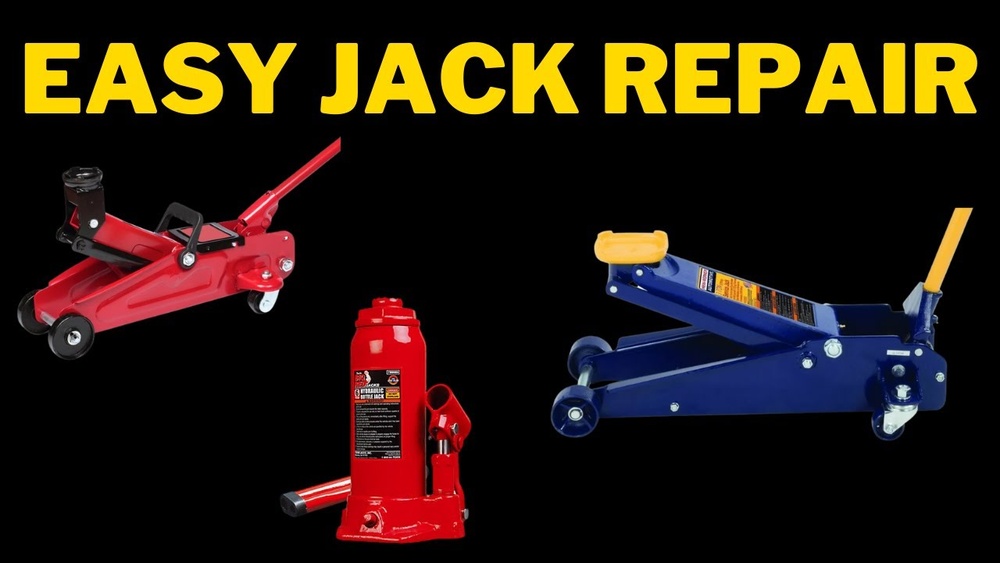
Is your floor jack not lifting like it used to? You rely on it to safely lift heavy loads, but when it breaks down, it can bring your work to a halt.
Don’t worry—fixing your floor jack might be easier than you think. In this guide, you’ll learn simple steps to repair it yourself, save money, and get back to work quickly. Keep reading, and by the end, your floor jack will be working like new again.

Credit: grassrootsmotorsports.com
Common Floor Jack Issues
Floor jacks often face common problems that affect their use and safety. Understanding these issues helps you spot damage early and fix it quickly. Regular checks keep your floor jack working smoothly and safely.
Below are typical floor jack problems and their signs. Knowing these helps you decide what repair steps to take next.
Leaks And Hydraulic Fluid Problems
Hydraulic fluid leaks cause the jack to lose pressure. This makes lifting heavy objects harder or impossible. Look for wet spots under the jack or low fluid levels in the reservoir. Dirt or rust in the fluid also causes problems.
Stuck Or Slow Lifting
A jack that lifts slowly or gets stuck needs attention. Air trapped in the hydraulic system often causes this. Old or dirty hydraulic fluid can slow the jack too. Check for blockages or damage in the lifting mechanism.
Handle And Release Valve Malfunctions
The handle controls lifting and lowering. If it sticks or does not move smoothly, the jack will not work well. The release valve may also fail, causing the jack to drop suddenly or not lower at all. Clean and lubricate these parts regularly.
Worn Or Damaged Seals
Seals keep hydraulic fluid inside the jack. Over time, seals wear out or crack. This leads to leaks and poor performance. Inspect seals for cracks, tears, or hardening. Replace damaged seals to maintain pressure and safety.
Tools And Materials Needed
Repairing a floor jack needs the right tools and materials. Having these ready helps fix problems quickly. The right equipment makes work safer and easier. Below is a list of what you need for basic repairs.
Basic Repair Tools
Start with common tools like screwdrivers and wrenches. A set of pliers is useful for gripping parts. A hammer can help loosen stuck components. A clean cloth is good for wiping dirt and oil. A small brush helps clean tight spaces. These tools cover most simple repairs.
Replacement Parts
Some parts wear out and need replacing. Look for seals, O-rings, and valves made for floor jacks. Hydraulic oil is important for smooth lifting. Check the jack’s manual for exact part numbers. Using the correct parts ensures a proper fix. Keep spare parts ready for quick swaps.
Safety Equipment
Protect your hands with sturdy work gloves. Eye protection guards against flying debris or oil splashes. Wear closed-toe shoes to avoid injury from dropped tools. Use a clean, flat workspace to keep parts organized. Safety gear helps prevent accidents during repairs.
Diagnosing The Problem
Diagnosing the problem is the first step to fix a floor jack properly. It helps you find the exact issue quickly. This saves time and avoids extra costs.
Start by checking simple things. Then move to parts that might have wear or damage. Careful inspection is key for a good repair.
Checking Hydraulic Fluid Levels
Hydraulic fluid powers the jack’s lifting system. Low fluid causes poor lifting or no lift at all. Remove the fill plug and check the fluid level. The fluid should be near the top. If it is low, add the right hydraulic oil. Use clean oil to avoid damage inside the jack.
Inspecting For Visible Damage
Look closely at the jack’s body and parts. Check for cracks, dents, or bent components. Damaged parts may stop the jack from working. Pay special attention to the lifting arm and frame. Broken seals or leaks around the hydraulic cylinder also show damage. Fix or replace any damaged parts before testing further.
Testing Handle And Release Mechanism
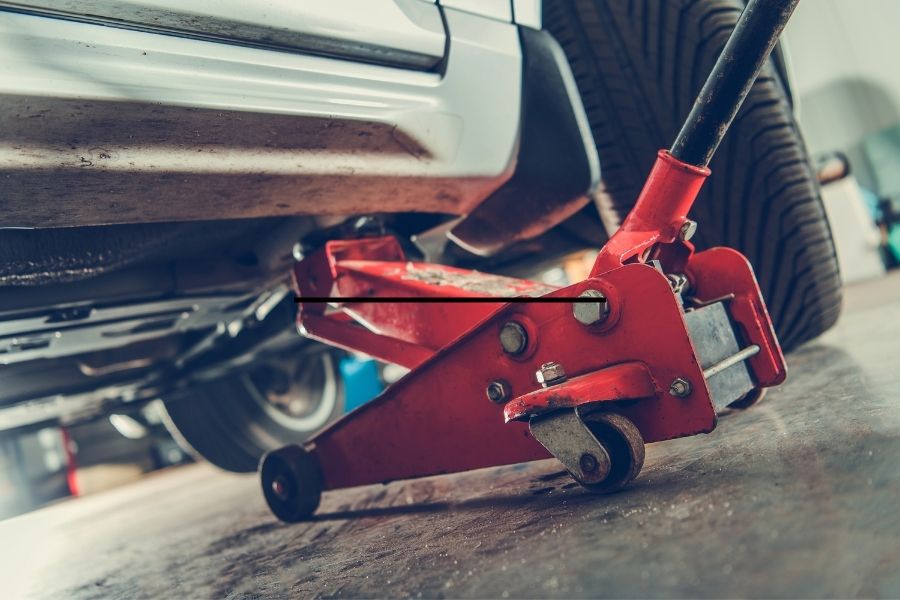
The handle controls lifting and lowering. Move it up and down to see if it works smoothly. The release valve opens to lower the jack. Turn the release valve slowly to test if the jack lowers. A stiff or stuck handle means it needs cleaning or lubrication. A faulty release valve stops the jack from lowering properly.
Credit: www.sviinternational.com
Fixing Hydraulic Leaks
Fixing hydraulic leaks in a floor jack is important to keep it working well. Leaks cause loss of pressure and make the jack unsafe. Small leaks can lead to bigger problems if not fixed fast. You can fix many leaks by replacing worn parts and checking the fluid levels.
Replacing Seals And O-rings
Seals and O-rings stop hydraulic fluid from leaking. Over time, they wear out or get damaged. Remove the jack’s cylinder to access these parts. Take out old seals and O-rings carefully. Clean the area before installing new ones. Use parts that match your floor jack model. Lubricate the seals lightly for a good fit. Replace the cylinder and test for leaks after reassembly.
Refilling Hydraulic Fluid
Low hydraulic fluid can cause leaks or poor lifting. Check the fluid level inside the jack reservoir. Use the type of hydraulic fluid recommended by the maker. Pour slowly to avoid air bubbles. Do not overfill; leave space for fluid expansion. Wipe off any spilled fluid to prevent dirt build-up. Proper fluid levels help the jack work smoothly.
Bleeding Air From The System
Air trapped in the hydraulic system reduces lifting power. Bleed the system to remove air pockets. Open the release valve slightly. Pump the jack several times. Watch for air bubbles escaping from the fluid. Close the valve when no more bubbles appear. This step restores full pressure and fixes weak lifts.
Repairing Handle And Valve Issues
Repairing handle and valve issues is key to keeping your floor jack working well. These parts control the lifting and lowering actions. Fixing them helps avoid accidents and saves money. Simple steps can restore smooth operation and extend the jack’s life.
Adjusting The Release Valve
The release valve controls how the jack lowers. If the jack won’t hold pressure, the valve may be loose or stuck. Use a wrench to turn the valve screw gently. Turn clockwise to tighten and stop leaks. Turn counterclockwise to open the valve and lower the jack. Test the jack after adjustment. Make small changes for precise control.
Lubricating Moving Parts
Moving parts inside the handle and valve need regular lubrication. Dry parts cause stiffness and wear. Apply light machine oil to the handle pivot and valve stem. Work the handle up and down to spread the oil. Wipe away extra oil to avoid dirt buildup. Proper lubrication keeps the handle smooth and easy to use.
Replacing Broken Handles
Broken handles make the jack hard to operate. Remove the old handle by unscrewing the bolts or pins. Choose a replacement handle that fits your jack model. Insert the new handle and secure it tightly. Check that the handle moves freely and engages the valve. A solid handle ensures safe and easy lifting.
Maintaining Your Floor Jack
Maintaining your floor jack is key to keeping it safe and working well. Small efforts every day stop big problems later. A clean, checked, and stored jack lasts longer. It also lifts more safely and smoothly. Here are simple tips for good floor jack care.
Regular Cleaning Tips
Clean your floor jack after each use. Wipe off dirt, grease, and dust with a cloth. Use a mild soap solution for tough grime. Avoid water near hydraulic parts. Dry the jack fully to stop rust. Keep the wheels free from debris. Clean parts move easier and stay strong.
Routine Inspection Schedule
Check your floor jack once a month. Look for leaks in hydraulic fluid. Inspect hoses and seals for cracks or damage. Test the lifting arm for smooth motion. Tighten loose bolts and nuts. Check wheels for wear or damage. Regular checks catch problems early. Fix small issues before they grow.
Proper Storage Practices
Store your floor jack in a dry, clean place. Keep it away from rain and moisture. Lower the jack completely before storing. This helps keep hydraulic seals tight. Use a cover to protect from dust. Store on a flat surface to avoid tipping. Good storage keeps the jack ready to use.
When To Seek Professional Help
Knowing when to seek professional help is important for floor jack repairs. Some problems need special tools and skills. Trying to fix these issues alone can be risky and may cause more damage. Understanding when to call an expert can save time, money, and keep you safe.
Complex Hydraulic Failures
Hydraulic systems are tricky to repair. Leaks or pressure problems can be hard to find. Professionals have the right tools to fix these issues safely. Attempting complex hydraulic fixes without experience can lead to accidents or jack failure.
Structural Damage Concerns
Cracks or bends in the jack’s frame affect safety. These damages weaken the jack’s strength. A professional can assess the damage properly. They know if the jack can be repaired or must be replaced.
Safety Considerations
Floor jacks lift heavy loads. A small mistake can cause injury. Professionals follow safety rules and standards. They ensure the jack works correctly before you use it again. Safety should always come first with any repair.

Credit: www.youtube.com
Frequently Asked Questions
How Do I Fix A Leaking Floor Jack?
To fix a leaking floor jack, first identify the leak source. Replace worn seals or O-rings. Refill hydraulic fluid to the recommended level. Test the jack for proper pressure after repair.
Why Won’t My Floor Jack Lift Properly?
Check for low hydraulic fluid or air in the system. Bleed the air and refill fluid as needed. Inspect seals and valves for damage. Replace faulty parts to restore lifting power.
Can I Repair A Floor Jack Myself Safely?
Yes, with proper tools and instructions, you can repair a floor jack safely. Always release pressure before repairs. Follow manufacturer guidelines and wear safety gear to prevent injury.
How Often Should I Maintain My Floor Jack?
Maintain your floor jack every 6 months or after heavy use. Check hydraulic fluid, lubricate moving parts, and inspect for damage. Regular maintenance ensures safety and prolongs jack life.
Conclusion
Repairing a floor jack is easier than many think. Follow the steps carefully and take your time. Use the right tools and parts for best results. Regular checks help keep your jack working well. A working floor jack saves time and keeps you safe.
Keep this guide handy for future repairs. Small efforts can extend your jack’s life. Stay patient and focused throughout the process. Your floor jack will be ready to use again soon.