Are you tired of struggling with loose screws and unstable fixtures on your wooden walls? Installing a wall anchor in wood can make a huge difference in how securely your shelves, hooks, or frames hold up.
But if you’ve never done it before, the process might seem tricky or confusing. Don’t worry—this guide will walk you through every simple step so you can confidently install wall anchors that keep your items safe and steady. Keep reading, and you’ll learn the easy tricks to get it right the first time.

Credit: www.reddit.com
Choosing The Right Wall Anchor
Choosing the right wall anchor is key to a strong hold in wood. The right anchor stops your screws from pulling out. It keeps shelves, hooks, and frames steady. Not all anchors work the same. Some fit light loads, others hold heavy items. Picking the right one saves time and avoids damage.
Types Of Wall Anchors For Wood
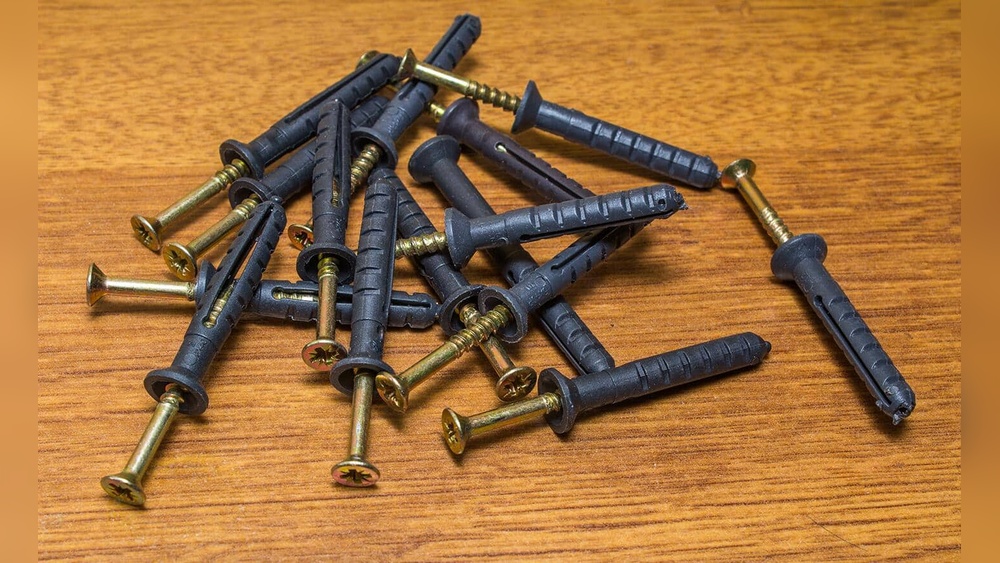
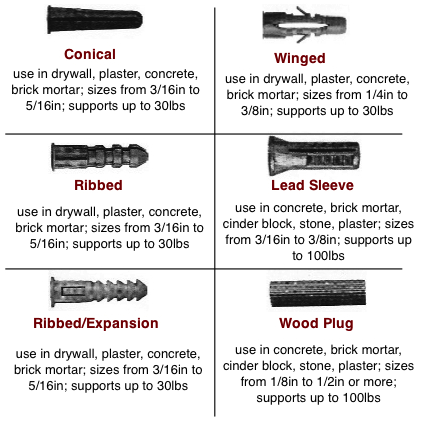
Plastic expansion anchors fit small holes and light loads. They expand as screws go in. Threaded anchors screw directly into wood. They offer better grip and hold more weight. Toggle bolts have wings that open behind the wood. Good for hollow or thin wood panels. Screw anchors are simple and work well in solid wood. Choose based on load and wood type.
Factors To Consider For Strong Support
Weight of the item matters most. Heavier items need stronger anchors. Wood thickness affects anchor choice. Thin wood may need toggle bolts. The wood’s condition counts. Old or soft wood holds less. Also, size of the screw and anchor must match. Proper drilling prevents wood splitting. Match anchor type with these factors for best results.

Credit: www.picturehangsolutions.com
Tools And Materials Needed
Before installing a wall anchor in wood, gather all necessary tools and materials. This step ensures a smooth and safe process. Using the right items helps the anchor hold firmly and prevents damage to the wood.
Prepare your workspace and check each tool. Having everything ready saves time and effort. Now, let’s explore the tools and materials you need.
Essential Tools
- Power drill or hand drill for making holes
- Drill bits matching the anchor size
- Screwdriver to tighten screws
- Hammer for tapping anchors if needed
- Measuring tape for accurate placement
- Pencil to mark drill spots
- Level to ensure straight installation
Recommended Materials
- Wall anchors designed for wood surfaces
- Screws compatible with the anchors
- Wood filler to fix any mistakes
- Protective gloves for safety
- Dust mask to avoid inhaling wood particles
Preparing The Wood Surface
Preparing the wood surface is the first step in installing a wall anchor. This step ensures the anchor holds firmly and safely. You need to find the right spot and make a small guide hole. This makes the installation easier and prevents the wood from splitting.
Locating The Anchor Point
Choose a solid part of the wood for the anchor. Avoid thin or weak areas. Use a stud finder if possible. Mark the exact spot with a pencil. This mark guides your drilling and keeps the anchor strong.
Marking And Drilling Pilot Holes
Use a pencil to mark where the pilot hole will go. The hole should be smaller than the anchor. This helps the anchor grip the wood tightly. Drill slowly and straight into the mark. Stop when the hole is deep enough for the anchor.
Installing The Wall Anchor
Installing a wall anchor in wood is a simple way to hold heavy items securely. The right steps ensure the anchor stays strong and stable. Follow these clear instructions to install the anchor properly and avoid damage to the wood.
Inserting The Anchor
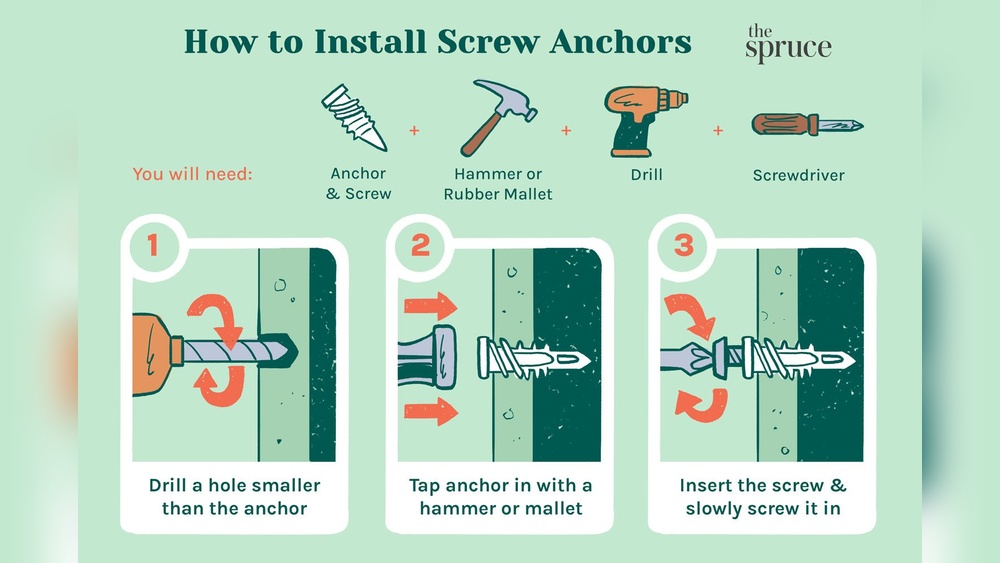
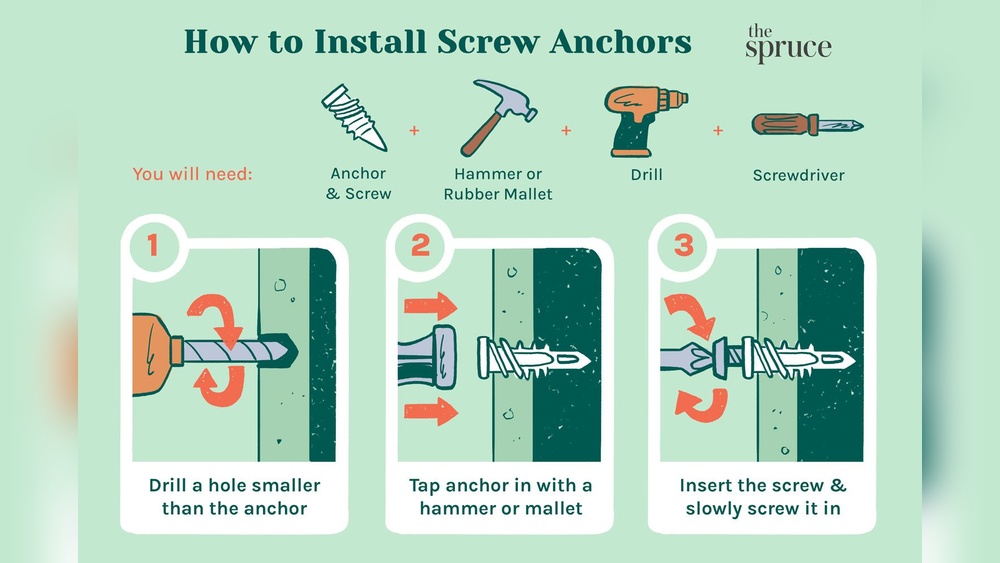
Start by selecting the correct size of the anchor for your screw. Use a drill bit that matches the anchor size to make a hole. Drill slowly and straight into the wood. Remove any dust or debris from the hole. Gently push the wall anchor into the hole. Tap lightly with a hammer if needed. Make sure the anchor sits flush with the wood surface.
Securing The Anchor Firmly
Insert the screw into the anchor carefully. Turn the screw slowly to expand the anchor inside the wood. Stop tightening when the anchor feels tight and secure. Avoid over-tightening to prevent cracking the wood. Check the anchor by pulling gently on it. It should not move or wiggle. A firmly secured anchor holds your items safely on the wall.
Testing Anchor Strength
Testing the strength of a wall anchor in wood is an important step. It ensures the anchor will hold the weight safely. Without proper testing, the anchor might fail and cause damage or injury. This section shows how to check if your wall anchor is stable and what to do if problems arise.
Checking For Stability
Start by gently pulling the anchor after installation. Use steady pressure, not sudden force. The anchor should stay firmly in place. Wiggle it slightly to check for any movement. If it moves, the anchor might not be secure. Also, test by hanging the intended object. Watch closely for any signs of slipping or loosening. A stable anchor feels tight and holds the object well.
Troubleshooting Common Issues
If the anchor moves or pulls out, check the size and type. The anchor might be too small for the load or the wood. Try using a larger or stronger anchor. Sometimes, the hole is drilled too big. This causes poor grip. Drill a new hole nearby with the right size. Avoid using damaged or weak wood. Replace it if needed. Tighten screws slowly and evenly to avoid stripping the anchor.
Tips For Long-lasting Support
Properly installing a wall anchor in wood ensures strong and lasting support. This helps hold heavy items safely without damage. Following some simple tips can extend the life of the anchor and maintain stability over time.
Taking care after installation and avoiding common errors makes a big difference. These practices keep the anchor secure and protect the wood from wear or cracking. Use these guidelines to get the best results from your wall anchor.
Maintenance Advice
Check the anchor regularly for any signs of loosening or damage. Tighten screws if they become loose over time. Keep the wood around the anchor clean and dry. Avoid exposing the anchor to water or moisture. Replace the anchor if it shows cracks or rust. Regular care helps keep the anchor strong and reliable.
Avoiding Common Mistakes
Do not use an anchor too small for the load. Choose the right size and type for your project. Avoid over-tightening screws, which can damage the wood. Drill the correct hole size before inserting the anchor. Do not install anchors in weak or rotten wood. Proper preparation prevents failure and ensures lasting support.
Credit: www.do-it-yourself-help.com
Frequently Asked Questions
What Tools Are Needed To Install A Wall Anchor In Wood?
To install a wall anchor in wood, you need a drill, drill bit, screwdriver, and the wall anchor. A pencil and level may help for precise placement. Always choose the right anchor size for your project to ensure a secure hold.
How Do You Choose The Right Wall Anchor For Wood?
Select a wall anchor designed specifically for wood surfaces. Consider the weight of the item you’re hanging. Plastic expansion anchors work for light loads; metal anchors suit heavier items. Always check the packaging for weight limits and compatibility with wood.
Can I Install A Wall Anchor Without Pre-drilling?
Pre-drilling is recommended for clean, accurate holes and to avoid wood splitting. Some self-drilling anchors exist but work best in softer wood. To ensure a strong, lasting hold, always pre-drill a pilot hole matching the anchor size.
How Deep Should The Hole Be For A Wood Anchor?
The hole should be slightly deeper than the anchor length. This ensures the anchor fits fully and secures properly. Measure the anchor before drilling, and drill straight to maintain strong holding power and avoid damaging the wood.
Conclusion
Installing a wall anchor in wood is easier than it seems. Start by choosing the right anchor for your project. Drill a hole carefully, then insert the anchor firmly. Tighten the screw to hold your item securely. This simple process keeps things steady and safe on your walls.
With a little practice, you can do it yourself. No special skills needed. Try it out and enjoy hanging items with confidence.