Are you worried about cracks or bowing in your basement wall? Knowing how to anchor a basement wall can save you from costly repairs and keep your home safe.
You’ll discover simple, practical steps to strengthen your walls and prevent damage before it gets worse. Whether you’re a DIY enthusiast or just want to understand what professionals do, this guide will give you clear answers and easy-to-follow tips. Keep reading to protect your home and gain peace of mind today.
Credit: www.youtube.com
Signs Of Basement Wall Damage
Basement wall damage can cause serious problems in your home. Early signs help you act fast. Catching issues early saves money and prevents bigger repairs. Check walls often for visible damage.
Common Cracks And Bowing
Cracks in basement walls are a clear warning sign. Horizontal cracks are more serious than vertical ones. Bowing walls curve inward, showing pressure from outside soil. Both cracks and bowing suggest the wall is weak. Repair is needed to stop collapse.
Water Seepage Indicators
Water stains or damp spots on walls signal seepage. Musty smells often come with water leaks. Look for mold or mildew near the floor. Standing water or puddles inside the basement are dangerous. Water weakens walls and causes damage over time.
Foundation Shifts
Uneven floors or doors that stick may mean foundation shifts. Gaps between walls and floors also suggest movement. Foundation shifts cause walls to crack or tilt. These shifts affect the whole house’s safety. Prompt repair is crucial to prevent more damage.
Types Of Wall Anchors
Anchoring a basement wall requires specific tools and materials for a strong, safe job. Using the right equipment makes the process easier and more efficient. Below are the key items needed for this task.
Essential Equipment
Start with a drill that can handle masonry or concrete. A hammer and chisel help remove loose concrete. A tape measure ensures precise placement of anchors. Use a level to keep anchors straight. A wrench or socket set tightens the anchor bolts. A wire brush cleans the surface before anchoring.
Safety Gear
Protect yourself with safety glasses to shield your eyes. Wear gloves to avoid cuts and scrapes. Use a dust mask to prevent inhaling concrete dust. Steel-toed boots protect feet from heavy objects. Ear protection guards against loud drilling noises. Dress in durable clothing to cover your skin.
Anchor Components
Anchor bolts or wall anchors secure the wall to the foundation. Steel plates distribute the load evenly. Washers and nuts tighten and hold anchors in place. Epoxy or concrete adhesive strengthens the bond. Expansion anchors work well for solid concrete walls. Choose corrosion-resistant materials for durability.
Tools And Materials Needed
Preparing the basement wall for anchoring is a crucial step to ensure a strong hold. A clean, solid surface helps the anchors work better. This process involves cleaning, checking the wall’s condition, and marking where to place the anchors. Each step must be done carefully for the best results.
Cleaning The Surface
Remove dirt, dust, and loose material from the wall. Use a wire brush or broom for this task. A clean surface helps the anchor bond properly. Avoid using water if the wall is damp. Dry walls hold anchors better and prevent slipping.
Assessing Wall Condition
Look for cracks, crumbling, or signs of water damage. Check if the wall is stable and solid. Weak spots need repair before anchoring. Use a hammer to tap and listen for hollow sounds. Fix any issues to avoid future problems.
Marking Anchor Points
Measure and mark spots where anchors will go. Keep marks evenly spaced for balanced support. Use a pencil or chalk for clear visibility. Double-check measurements to avoid mistakes. Proper placement ensures the wall stays secure.
Preparing The Wall For Anchoring
Anchoring a basement wall helps keep it strong and stable. The process involves a few clear steps. Each step builds on the previous one to ensure the wall stays in place. Follow this guide carefully to complete the job safely and correctly.
Drilling Anchor Holes
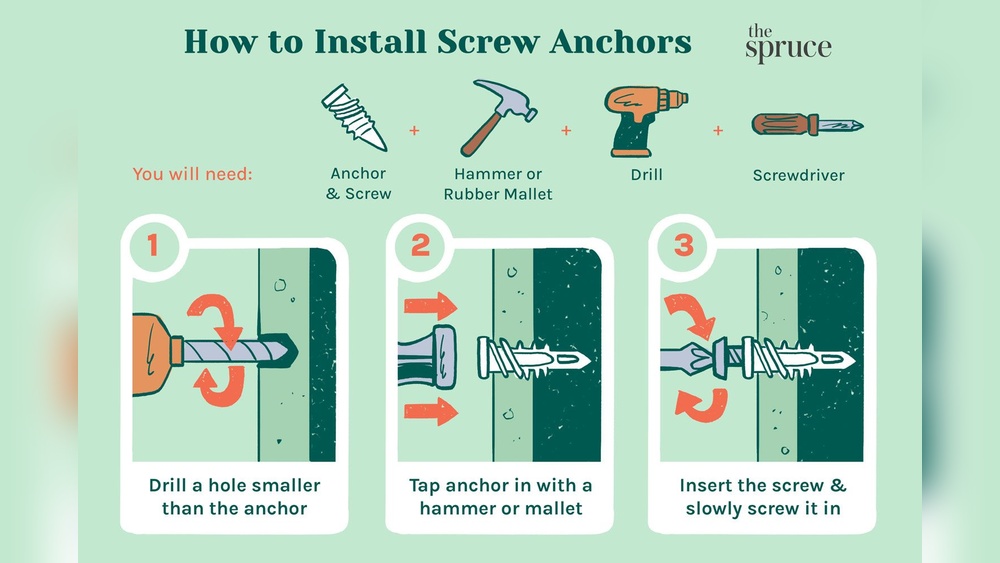
Start by marking where the anchors will go. Use a drill with a masonry bit to make holes. Drill straight and deep enough to hold the anchors firmly. Clear out any dust or debris from the holes before moving on.
Installing Anchor Plates
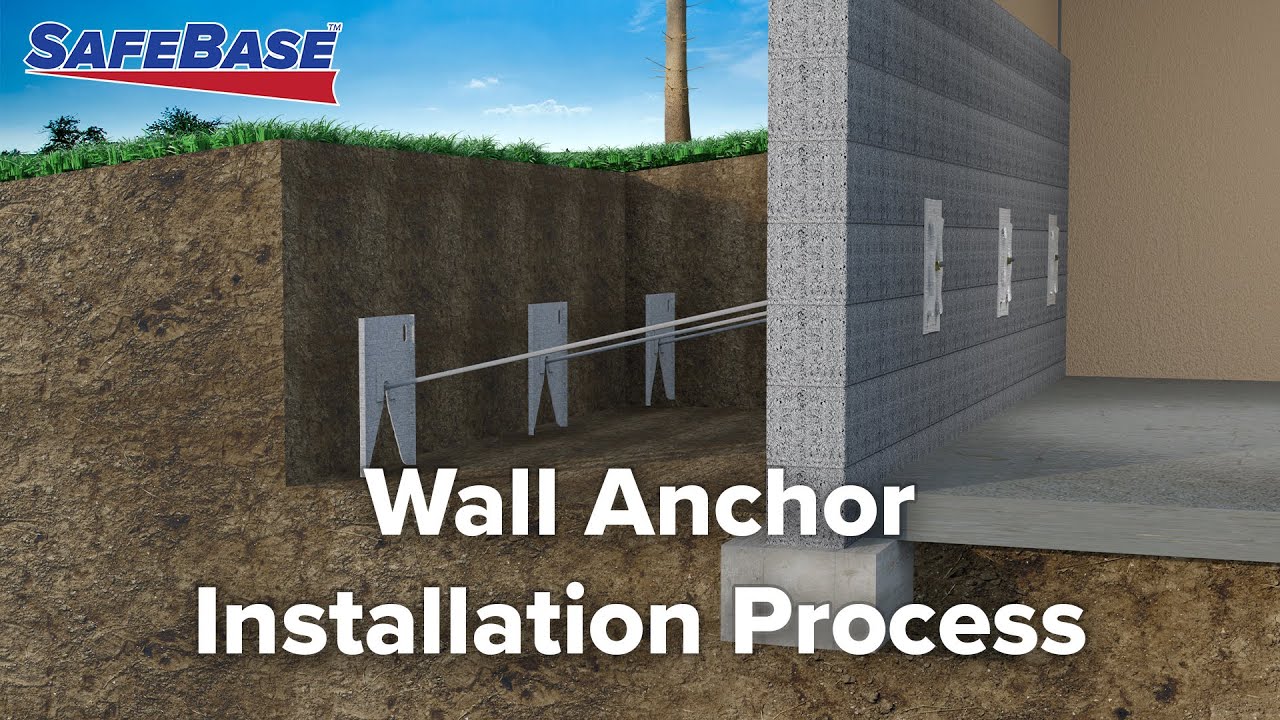
Place the anchor plates against the wall over the drilled holes. These plates help spread the pressure across the wall. Insert the anchors through the plates into the holes. Make sure the plates sit flat and snug against the wall.
Tightening And Securing Anchors
Use a wrench to tighten the anchors slowly. Tighten until the wall feels firm but avoid over-tightening. Check each anchor to ensure it holds well. Secure anchors keep the wall from moving or bowing.
Step-by-step Anchoring Process
Maintaining your basement wall anchors is key for lasting strength. Regular care keeps walls secure and prevents costly repairs. A few simple steps help protect your investment and keep your home safe.
Regular Inspections
Check your basement walls often for cracks or movement. Look closely at the anchors and surrounding areas. Early signs of trouble can be small. Spotting problems early avoids bigger damage later.
Addressing Minor Shifts
Small shifts in walls or anchors need quick fixes. Tighten bolts or replace worn parts as needed. Don’t wait for cracks to grow. Acting fast keeps your wall stable and strong.
Waterproofing Measures
Water causes the most damage to basement walls. Use sealants or waterproof paints to protect surfaces. Fix leaks and improve drainage around your home. Dry walls keep anchors safe and extend their life.

Credit: www.gothrasher.com
Maintenance For Long-term Stability
Anchoring a basement wall is a vital step for stability and safety. Many people make mistakes that cause problems later. Avoiding these errors helps ensure the wall stays strong and secure.
Incorrect Anchor Placement
Placing anchors in the wrong spots weakens the support. Anchors must go where the wall needs the most help. Too close or too far apart reduces their effectiveness. Follow guidelines for precise placement to avoid costly repairs.
Overlooking Wall Prep
Skipping wall preparation leads to poor anchor hold. The wall surface must be clean and smooth. Dirt, dust, or loose material stops anchors from gripping well. Proper cleaning and inspection before anchoring is crucial for success.
Ignoring Soil Conditions
Soil type affects how well anchors work. Soft or shifting soil can move and damage the wall. Understanding soil stability helps pick the right anchors and methods. Ignoring soil risks wall failure and expensive fixes.
Common Mistakes To Avoid
Knowing when to call a professional is crucial for anchoring a basement wall safely. Some problems are simple and can be fixed with basic tools. Others need expert help to avoid bigger issues. Understanding the signs helps protect your home and family.
Severe Structural Damage
Cracks wider than a quarter inch need expert attention. Walls leaning or bowing seriously risk collapse. Water leaks that cause wall movement show deep problems. Professionals can assess damage and plan safe repairs.
Complex Foundation Issues
Uneven floors or doors that stick may signal foundation trouble. Soil settling or shifting requires specialized knowledge. Anchoring a wall might not fix the root cause. A pro can diagnose and treat foundation problems correctly.
Permitting And Regulations
Many areas require permits for basement repairs. Local rules ensure safety and code compliance. Professionals know the laws and handle paperwork. Following regulations avoids fines and future headaches.

Credit: foundationprosfl.com
Frequently Asked Questions
What Is The Purpose Of Anchoring A Basement Wall?
Anchoring a basement wall prevents it from bowing or collapsing. It stabilizes the structure and enhances safety. This process helps maintain the home’s foundation integrity over time.
How Do You Anchor A Basement Wall Safely?
Use steel anchors or wall braces to secure the wall. Start by drilling holes and inserting anchors properly. Always follow manufacturer guidelines and wear safety gear during installation.
When Should You Consider Anchoring Your Basement Wall?
Anchor your basement wall if you notice cracks or bowing. Early signs include wall movement or moisture damage. Timely anchoring prevents costly repairs and structural failure.
Can I Anchor A Basement Wall Myself?
Yes, with proper tools and instructions, DIY anchoring is possible. However, complex damage requires professional assessment. Always prioritize safety and consult experts if unsure.
Conclusion
Anchoring a basement wall keeps your home safe and strong. Follow the steps carefully for best results. Check your work often to avoid mistakes. Use the right tools and materials every time. A well-anchored wall stops cracks and water damage.
It also helps protect your family and belongings. Taking time now saves big repairs later. Stay patient and work steadily through the project. Trust your skills and ask for help if needed. Your basement will be more secure and lasting.