Have you ever flipped a light switch only to find nothing happens? It’s frustrating, and you might wonder if the problem is the bulb, the wiring, or the switch itself.
Before you call an electrician or start guessing, you need a simple way to check if your light switch actually has power. Knowing this can save you time, money, and hassle. You’ll learn easy and safe steps to test your switch, even if you’re not an expert.
Keep reading, and you’ll gain the confidence to handle this common home issue like a pro.
Tools Needed
Checking if a light switch has power needs the right tools. These tools help you test electricity safely and correctly. Using proper equipment reduces risk and gives clear results.
Here are three essential tools for this task. Each tool works a bit differently but helps find power in a switch.
Voltage Tester
A voltage tester is simple and easy to use. It shows if electricity flows in the switch. Just touch the tester to the switch terminals. The tester lights up or beeps if power is present.
This tool is cheap and good for quick checks. It works well for beginners and does not need batteries.
Multimeter
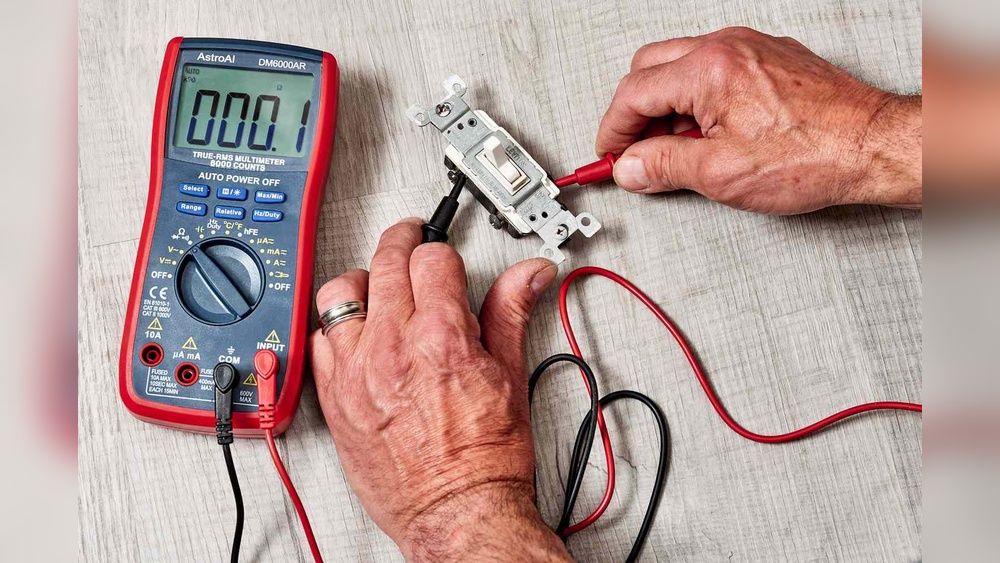
A multimeter measures voltage, current, and resistance. It gives exact voltage readings from the switch. Set the multimeter to AC voltage mode before testing.
Touch the probes to the switch wires. The display shows the voltage level. This tool is very accurate and useful for many electrical jobs.
Multimeters need some knowledge to use safely. They are a bit more complex than a voltage tester.
Non-contact Voltage Detector
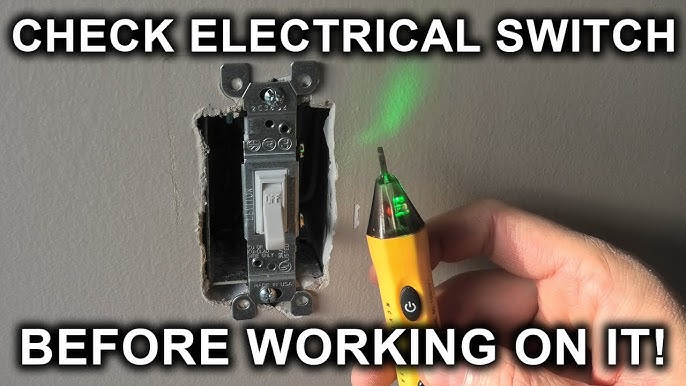
This tool detects electricity without touching wires. Hold it near the switch or wires. It beeps or lights up if it senses voltage.
It is safe and easy to use. No direct contact means less risk of shock. This tool is perfect for quick, non-invasive checks.
Credit: www.youtube.com
Safety First
Checking if a light switch has power requires care. Electricity can be dangerous. Taking safety steps protects you from harm. Always prepare before handling electrical parts. Small mistakes can cause big problems. Follow these key safety tips before you test the switch.
Turn Off Circuit Breaker
Switch off the circuit breaker that controls the light switch. This stops electricity from flowing. It lowers the risk of electric shock. Use the breaker panel to find the correct switch. Turn it off before you touch any wires or parts.
Wear Protective Gear
Wear rubber gloves to protect your hands. Use safety goggles to shield your eyes. These items reduce injury risk. Gloves stop electric shocks. Goggles protect against sparks or debris. Always keep safety gear on during the check.
Avoid Water And Damp Areas
Water and electricity do not mix. Never check a light switch in wet or damp places. Dry your hands and the area first. Avoid standing on wet floors. Stay safe by working only in dry conditions.
Locate The Light Switch
Locating the light switch is the first step in checking if it has power. This step is simple but important. Knowing exactly where the switch is helps you test it safely and correctly.
Most homes have switches in common places. They are near doorways or at arm height on the wall. Sometimes, switches control more than one light or appliance.
Identify Switch Type
Look at the switch carefully. It may be a toggle, rocker, or dimmer switch. Each type looks and works a little differently.
Toggle switches have a small lever that flips up or down. Rocker switches are flat and rock back and forth. Dimmer switches have a knob or slider to change light brightness.
Knowing the type helps you understand how to handle the switch safely. It also tells you what tools you might need for testing.
Remove Switch Cover
Before removing the cover, turn off the power at the breaker box. This stops electric shocks or accidents. Use a screwdriver to remove the screws holding the cover.
Lift the cover gently to avoid damaging it. Some covers snap off without screws. Check if wires are visible behind the switch after removal.
Removing the cover lets you see the wiring. This helps in checking if the switch has power inside.
Test With Voltage Tester
Testing a light switch with a voltage tester is a safe way to check if it has power. This tool helps find live wires without touching them directly. It is simple and fast to use. It helps avoid electric shocks and accidents.
Check For Live Wires
First, turn off the power at the circuit breaker. Remove the switch cover carefully. Hold the voltage tester near the wires. The tester will sense if the wires have electricity. If the tester lights up or beeps, the wire is live. Check all wires connected to the switch. This step ensures you know which wires carry power.
Interpret Tester Signals
Voltage testers give signals like lights or sounds. A steady light or a loud beep means power is present. A flickering light or soft beep may mean weak power. No light or sound means no power. Always trust the tester signals before working on wires. This helps keep you safe and prevents damage.
Use A Multimeter
Using a multimeter is a safe and accurate way to check if a light switch has power. This tool measures electrical voltage, helping you understand if electricity flows through the switch. It is essential for anyone working with home electrical systems. You can quickly find out if the switch is live or not by following simple steps.
Set Multimeter To Ac Voltage
First, turn the multimeter dial to AC voltage. This setting measures the voltage in your home’s electrical system. The symbol usually looks like a “V” with a squiggly line. Choose a voltage range higher than your home’s supply, typically 200V or 600V. This prevents damage to the multimeter and ensures accurate readings.
Measure Voltage At Terminals
Next, remove the switch cover to access the terminals. Place the multimeter probes on the two terminals of the switch. Hold the probes steady and watch the multimeter display. A reading around 120V or 240V means the switch has power. A reading close to zero means no power is present. Always be careful to avoid touching exposed wires.

Credit: www.youtube.com
Non-contact Voltage Detection
Non-contact voltage detection is a safe way to check if a light switch has power. This tool detects electrical current without touching wires. It helps you avoid shocks and makes testing easy. The detector senses voltage through insulation or switch plates.
Using a non-contact voltage detector is simple. It is a handy tool for both beginners and professionals. It works by lighting up or making sounds when voltage is present. This method saves time and reduces risk during electrical checks.
How To Use Detector
Hold the detector near the light switch or wire. Keep it close but do not touch any metal parts. Turn the detector on. Slowly move it along the switch plate or wire surface. Watch for any lights or sounds from the device. These signals mean the switch has power.
Reading Indicator Lights
Most detectors use lights to show voltage presence. A red or green light often means power is detected. No light usually means no voltage. Some detectors beep or vibrate for extra alert. Always read the manual to understand your device’s signals well.
Troubleshooting No Power
Troubleshooting no power in a light switch is key to fixing electrical issues safely. Start by checking simple causes before calling an electrician. This saves time and effort.
Follow clear steps to find the problem. Each step helps narrow down why the switch has no power. Use basic tools and caution while working.
Check Circuit Breaker
Locate your home’s circuit breaker panel. Look for any switches that are off or tripped. A tripped breaker often cuts power to the switch.
Flip the breaker fully off, then back on to reset it. Test the switch again. This step solves many power issues quickly.
Inspect Wiring Connections
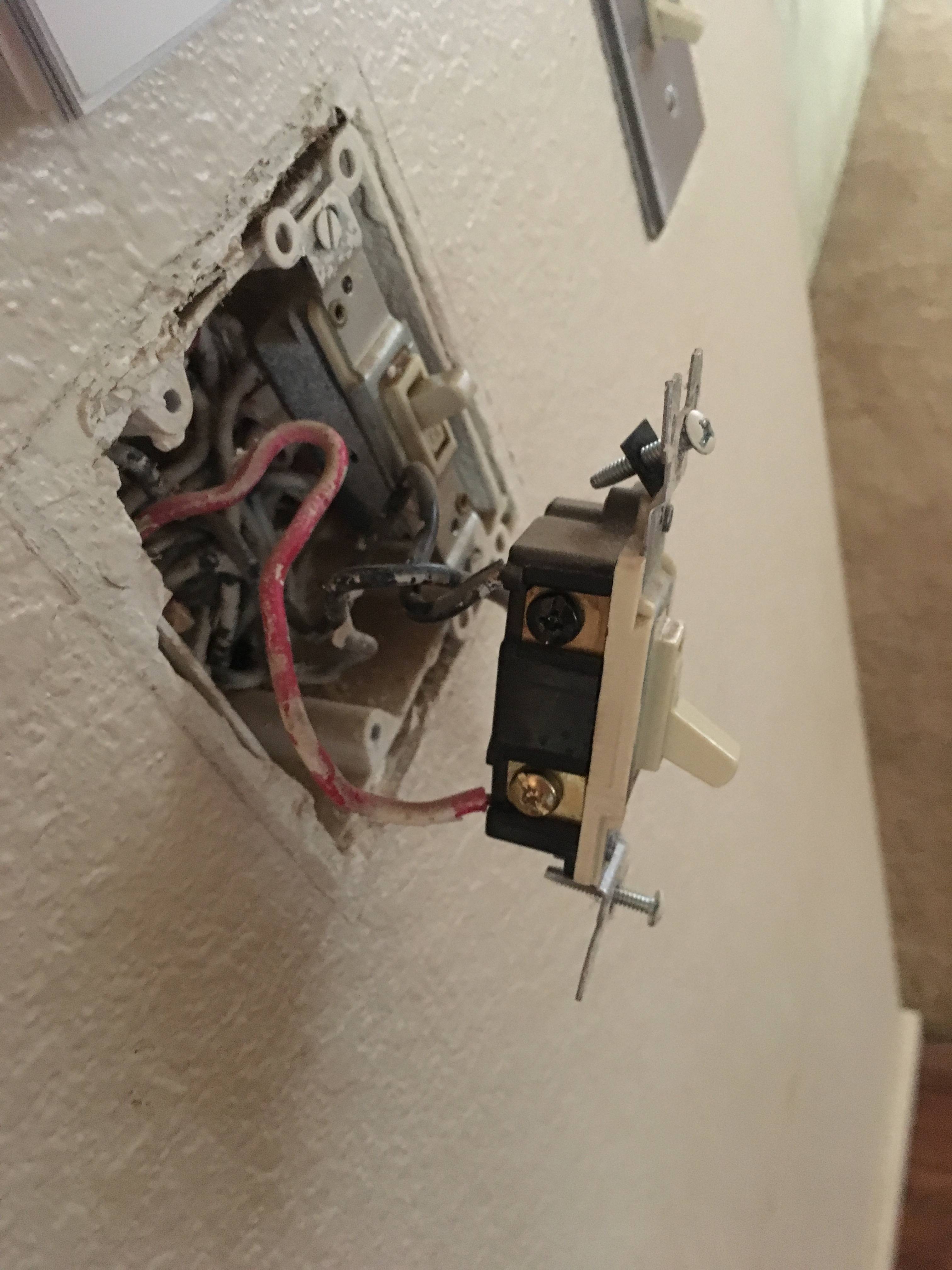
Turn off the breaker before touching wires. Remove the switch cover carefully. Check for loose or disconnected wires.
Wires should be tight and connected to the right terminals. Damaged or frayed wires cause no power and can be unsafe.
Look For Faulty Switch
A worn or broken switch can stop power flow. Use a voltage tester to check the switch terminals. No reading means the switch may be faulty.
Replace the switch with a new one. This often restores power and ensures safe operation.
When To Call A Professional
Knowing when to call a professional is important for your safety and the safety of your home. Some electrical problems need expert help. Trying to fix these on your own can cause serious harm or damage. This section explains when to stop and get a pro involved.
Complex Electrical Issues
Complex electrical problems need special tools and skills. If wires look burnt or damaged, stop immediately. Issues like frequent breaker trips or flickering lights may mean a bigger problem. Professionals know how to find hidden faults and fix them safely. Don’t risk causing a fire or shock.
Ensuring Safety
Electricity is dangerous. A small mistake can cause injury or worse. Professionals follow strict safety rules and use the right gear. They test circuits properly to confirm the power is off. Calling an expert protects you, your family, and your home. Always choose safety over saving a few dollars.
Credit: diy.stackexchange.com
Frequently Asked Questions
How Can I Test Power In A Light Switch Safely?
Use a non-contact voltage tester near the switch wires. It detects live current without touching wires. Always turn off the main power before opening the switch box for safety.
What Tools Do I Need To Check Light Switch Power?
A non-contact voltage tester or multimeter is essential. These tools help identify if power is present at the switch. Additionally, ensure you have insulated gloves and a screwdriver for safe access.
Can A Light Switch Show Power But Still Not Work?
Yes, the switch may have power but be faulty internally. Power presence means the circuit is live, but the switch contacts could be broken or worn out, preventing the light from turning on.
How Do I Know If Power Is Off At A Light Switch?
Turn off the circuit breaker controlling the switch. Then use a voltage tester to confirm no current flows. No voltage reading indicates the power is safely off.
Conclusion
Checking if a light switch has power is simple and safe. Use a tester or voltage meter to be sure. Always turn off the main power before starting work. Knowing how to check helps prevent accidents at home. Stay cautious and follow the steps carefully.
This small skill saves time and keeps you safe. Practice these tips to handle light switches confidently.