Have you ever wondered how many volts run through your light switch? Understanding this simple fact can help you feel safer and more confident when handling electrical work at home.
Whether you’re fixing a loose switch or just curious about how your house works, knowing the voltage is key. You’ll discover exactly how many volts a typical light switch carries and why it matters for your safety and the performance of your lights.
Keep reading to unlock the essential info you need before you touch that switch again.
Voltage Basics For Light Switches
Understanding voltage in light switches helps you know how they work safely. Voltage is the electric force that moves current through wires. Light switches control this flow by opening or closing the circuit. Knowing the basic voltage levels helps you choose the right switch for your home or project.
Standard Voltage Levels
Most household light switches handle standard voltage levels. In the United States, this is usually 120 volts. Other countries often use 220 to 240 volts. Light switches must match the voltage of the electrical system. Using the wrong voltage switch can cause damage or danger.
Low voltage switches also exist for special uses. These switches work with voltages below 50 volts. They are common in landscape lighting or doorbells. Always check the voltage rating before installing a switch.
Ac Vs Dc Voltage In Switches
Light switches can control either AC or DC voltage. AC means alternating current, which changes direction regularly. DC means direct current, flowing in one direction only. Most home lighting uses AC voltage. Switches designed for AC may not work well with DC.
DC switches need special contacts to handle constant current flow. Using the wrong type of switch can cause sparks or failure. Always confirm if your switch is for AC or DC use. This ensures safety and proper function in your electrical system.

Credit: www.reddit.com
Common Household Light Switch Voltages
Light switches in homes control the flow of electricity to lamps and fixtures. Understanding the voltage behind these switches helps in safety and proper use. Different homes use different voltages depending on the country and electrical system. The most common voltages for household light switches are 120 volts and 240 volts. Each has specific uses and setups. Knowing these can help you handle switches with care and know what to expect in your home.
120-volt Systems
Most homes in North America use 120-volt systems for light switches. This voltage powers standard lights, outlets, and small appliances. It is safe enough for typical household use but still requires caution. Light switches in this system control circuits running at 120 volts. These switches are common and easy to replace. Electricians often work with 120-volt circuits because they are standard in many homes.
240-volt Systems
Some homes use 240-volt systems for heavy-duty appliances and lighting. This higher voltage is common in electric ranges, dryers, and some outdoor lights. Light switches for 240 volts handle more power. They need to be rated for this voltage to work safely. These switches are less common than 120-volt ones but important in homes with high-power equipment. Proper care is essential when dealing with 240-volt switches to avoid accidents.
Factors Affecting Switch Voltage
Several factors affect the voltage rating of a light switch. Voltage depends on how the switch is connected and designed. Understanding these factors helps ensure safe and proper use of switches in homes and buildings.
Wiring And Circuit Design
The wiring setup plays a key role in switch voltage. Different circuits carry different voltages, such as 120V or 240V. The switch must match the voltage of the circuit it controls. Using the wrong switch can cause damage or electrical hazards. Proper wiring ensures the switch handles the voltage safely.
Switch Type And Rating
Switches come with specific voltage ratings. These ratings show the maximum voltage the switch can handle. Common household switches often support 120V or 240V. Industrial switches may have higher voltage ratings. Choosing the right type and rating prevents switch failure and electrical risks.
:max_bytes(150000):strip_icc()/testing-single-pole-switches-1152811-03-8b89394a236d499ebee520df31a0ce27.jpg)
Credit: www.thespruce.com
Safety And Voltage Considerations
Understanding safety and voltage is key when dealing with light switches. Light switches control electrical currents, and these currents carry voltage. Voltage can be dangerous if not handled properly. Knowing how to work safely around switches helps prevent accidents and injuries.
Always consider voltage before touching or replacing a switch. Even a small mistake can cause shocks or fires. Proper knowledge keeps you and your home safe.
Handling Voltage Safely
Turn off power at the circuit breaker before working on a switch. Use a voltage tester to confirm no electricity flows. Wear insulated gloves to protect from shocks. Avoid working with wet hands or in damp areas. Use tools with insulated handles to reduce risk. Never bypass safety devices or ignore warning labels.
Signs Of Voltage Problems
Flickering lights often signal voltage issues. A switch that feels hot can mean overload. Buzzing sounds from switches warn of electrical faults. Sparks or burning smells require immediate attention. Frequent breaker trips indicate wiring problems. Spotting these signs early avoids serious damage.
Voltage Testing Methods
Testing the voltage in a light switch is important for safety and repair. It helps to know if the switch has power before starting work. Several tools can check voltage quickly and safely. Two common methods include using a multimeter and non-contact voltage testers. Both give clear results about the electrical current in the switch.
Using A Multimeter
A multimeter measures voltage, current, and resistance in circuits. Set the multimeter to measure AC voltage for home wiring. Touch the probes to the switch terminals carefully. The display shows the voltage present in the switch. This method gives an exact reading of the voltage level. It helps confirm if the switch is live or off. Always handle probes with care to avoid shocks.
Non-contact Voltage Testers
Non-contact testers detect voltage without touching wires. They sense electric fields near the switch or wire. Hold the tester close to the switch or wire. The tester lights up or beeps if voltage is present. This tool is quick and easy for checking live wires. It adds safety since it does not require direct contact. Useful for spotting voltage before touching switches.
Credit: www.homedepot.com
Voltage Variations In Specialty Switches
Specialty light switches often operate at different voltages than standard switches. These variations depend on the switch type and its features. Knowing the voltage helps ensure proper installation and safe use. Let’s explore common specialty switches and their voltage needs.
Dimmer Switches
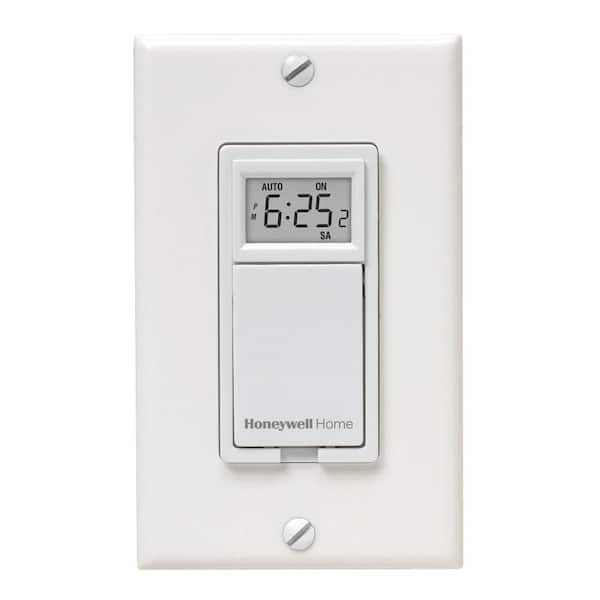
Dimmer switches adjust light brightness by changing voltage flow. Most dimmers work with standard household voltage, typically 120 volts in the U.S. Some dimmers may handle 220-240 volts in other countries. They reduce voltage to lower light intensity smoothly. Proper wiring is crucial to avoid flickering or damage.
Smart Switches
Smart switches often use the same voltage as regular switches, around 120 volts. They also need a neutral wire for power to run their electronics. Some smart switches include low-voltage control circuits inside. These circuits use small voltages, like 3 to 12 volts, for communication. Always check the switch’s specifications for exact voltage requirements.
Frequently Asked Questions
How Many Volts Does A Typical Light Switch Carry?
A standard residential light switch carries 120 volts in North America. This voltage powers most household lighting circuits safely and efficiently.
Can A Light Switch Handle Different Voltage Levels?
Yes, light switches are rated for specific voltages, commonly 120V or 240V. Always check the switch rating before use to ensure safety.
Why Is Knowing Volts In A Light Switch Important?
Understanding the voltage helps prevent electrical hazards. It ensures you select the correct switch for your lighting system and maintain safe wiring practices.
Do Light Switches Reduce Voltage To Lights?
No, light switches simply open or close the circuit. They do not change or reduce the voltage supplied to the light fixture.
Conclusion
Light switches usually carry about 120 volts in many homes. This voltage powers your lights safely and efficiently. Knowing this helps you stay safe when handling switches. Always turn off the power before working on any switch. Understanding volts also aids in choosing the right switch for your needs.
Safety comes first with any electrical work. Keep these points in mind to avoid accidents. Simple knowledge can prevent big problems. Stay informed and handle switches with care.