Have you ever flicked your light switch, only to find nothing happens? Or maybe the lights flicker on and off without warning?
These are clear signs that your light switch might be bad. But how can you be sure? Knowing when a switch is failing can save you from unexpected power issues or even safety hazards. You’ll discover simple ways to check if your light switch is working properly.
By the end, you’ll feel confident identifying problems early and knowing what steps to take next. Keep reading to protect your home and keep your lights shining bright.
Common Signs Of A Faulty Switch
Identifying a bad light switch early helps avoid bigger problems. Some signs show the switch is not working right. These signs are easy to spot. They warn you about electrical issues that need attention.
Flickering Lights
Lights flicker or blink when the switch is faulty. This happens because the switch does not make a steady connection. Flickering lights may also mean loose wiring inside the switch. It can cause sparks or short circuits. A flickering light should never be ignored.
Switch Feels Warm
A switch that feels warm to touch is a bad sign. Normal switches stay cool even after long use. Warmth means electricity is not flowing properly. It may cause overheating or fire risks. Always check a warm switch for safety.
Strange Noises
Buzzing or crackling sounds come from bad switches. These noises happen due to electrical arcing inside the switch. Arcing can damage the switch and wiring. Strange sounds need quick inspection and repair. Do not wait for the problem to get worse.
Visible Damage Or Wear
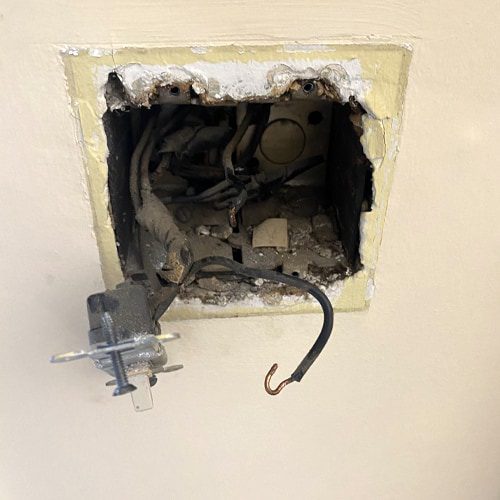
Look for cracks, burn marks, or discoloration on the switch. These signs show physical damage or overheating. Worn switches may have loose or broken parts inside. Visible damage means the switch needs replacement. Never use a switch that looks unsafe.
Credit: rytecelectric.com
Electrical Issues Linked To Bad Switches
Electrical problems often point to a bad light switch. These issues can affect your home’s safety and comfort. Recognizing signs early helps prevent bigger troubles. Watch for common problems linked to faulty switches. They usually show in three main ways.
Lights Not Turning On Or Off
One clear sign of a bad switch is lights that won’t turn on or off. The switch may feel loose or stuck. Sometimes, the light flickers or stays dim. This happens because the switch cannot complete the circuit properly.
Intermittent Power
Power that goes on and off randomly signals switch trouble. The light may work sometimes and fail at others. This flickering can cause frustration and confusion. A bad switch struggles to hold a steady connection.
Sparks Or Burning Smell
Sparks or a burning odor near the switch means danger. These signs show electrical arcing or overheating inside the switch. Acting fast is important to avoid fire risks. Turn off power and replace the switch immediately.
Testing A Light Switch
Testing a light switch helps find out if it works or needs fixing. This process is simple and safe when done right. It saves time and money by avoiding unnecessary replacements. Follow these steps to check your switch properly.
Using A Voltage Tester
A voltage tester shows if electricity flows through the switch. Turn off the power at the breaker before testing. Remove the switch cover carefully. Touch the tester leads to the switch terminals. A light or sound from the tester means power is present. No signal may mean the switch is bad or power is off. Always handle electrical tools with care.
Checking For Loose Wiring
Loose wires can cause switch problems. Turn off the power first. Unscrew the switch from the wall box. Look at the wire connections on the switch. Tighten any loose screws holding wires. Wires should be firmly connected without damage. Replace damaged wires before reassembling. Loose wiring can stop the switch from working well.
Replacing The Switch For Testing
Swapping the switch is a quick way to test. Turn off power at the breaker. Remove the old switch carefully. Connect a new or known working switch to the wires. Secure the switch in place. Turn power back on and test the switch. If the new switch works, the old one was bad. This step confirms the switch condition clearly.
Credit: www.lexairconditioning.com
Safety Tips When Inspecting Switches
Safety is the top priority when inspecting a light switch. Electrical parts can be dangerous without proper care. Follow these simple safety tips to protect yourself during inspection.
Turning Off Power
Always turn off the power before touching the switch. Use the circuit breaker to cut power from the switch’s circuit. Check that the switch does not control any lights or devices before starting. This step prevents electric shocks and accidents.
Using Proper Tools
Use insulated tools made for electrical work. Screwdrivers and testers with insulated handles keep you safe. Avoid using metal tools that do not protect against electricity. Having the right tools makes inspection safer and easier.
When To Call A Professional
Call a professional if you see burning smells or smoke. If the switch feels hot or sparks, stop immediately. Complex wiring or repeated switch problems need expert help. Professionals know how to handle risks safely and fix issues properly.
Preventing Switch Problems
Preventing switch problems saves time and money. It also keeps your home safe. Small steps help keep switches working well for years. Avoiding common mistakes stops many issues before they start.
Regular Inspection
Check your light switches often. Look for cracks, loose parts, or sparks. Test switches to see if they work smoothly. Early signs of trouble help fix problems fast. A quick look every few months keeps switches safe.
Avoiding Overloading Circuits
Do not plug too many devices into one outlet. Overloading causes switches to wear out fast. Spread out electrical use across different outlets. This reduces heat and stress on switches. Less load means longer switch life and fewer problems.
Choosing Quality Switches
Pick switches made from strong materials. Cheap switches break or stop working quickly. Quality switches fit well and feel firm when used. They resist sparks and electrical faults better. Spending a little more on good switches pays off in the long run.
Credit: shockleyelectric.com
Frequently Asked Questions
How Can I Tell If A Light Switch Is Faulty?
A faulty light switch may cause flickering lights or no response when toggled. Check for unusual sounds or heat from the switch. If the light doesn’t turn on or off properly, the switch likely needs replacement.
What Are Common Signs Of A Bad Light Switch?
Common signs include flickering lights, switch feels warm, sparks, or the switch doesn’t click properly. Also, lights staying on or off despite toggling indicate a bad switch.
Can A Bad Light Switch Cause Electrical Hazards?
Yes, a bad light switch can cause electrical shocks or sparks. It may overheat or cause short circuits. Always replace faulty switches promptly to prevent fire risks.
Should I Test The Light Switch With A Multimeter?
Testing with a multimeter confirms if the switch works electrically. It checks continuity and voltage flow. This helps identify internal switch faults safely and accurately.
Conclusion
A bad light switch can cause many problems in your home. Watch for flickering lights or switches that feel loose. Test the switch by turning it on and off several times. If the light does not respond, the switch might be faulty.
Replacing a bad switch is usually simple and cheap. Stay safe by turning off the power before checking or fixing. Knowing these signs helps keep your home bright and safe. Don’t ignore small issues—they can become bigger later. Act early to avoid electrical troubles.