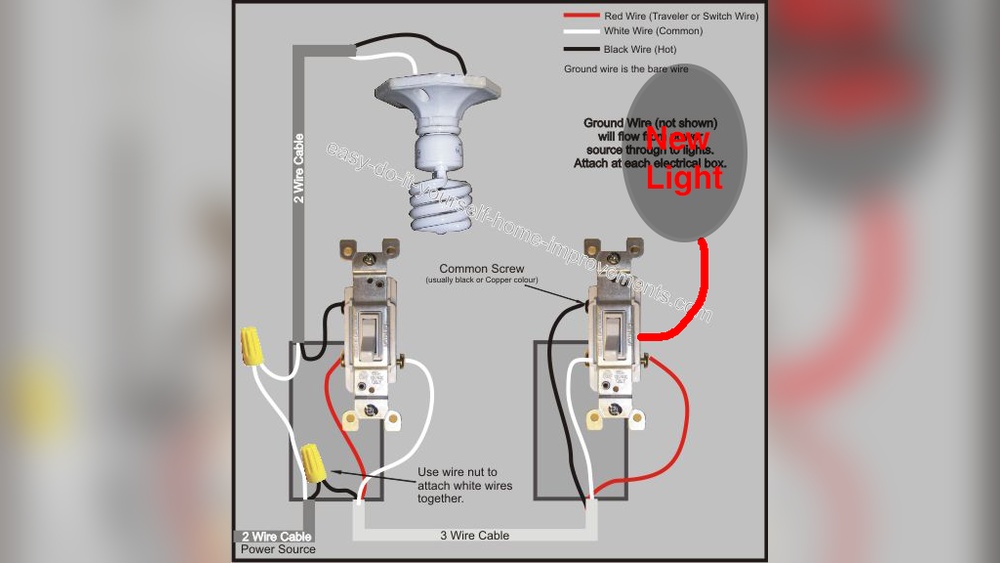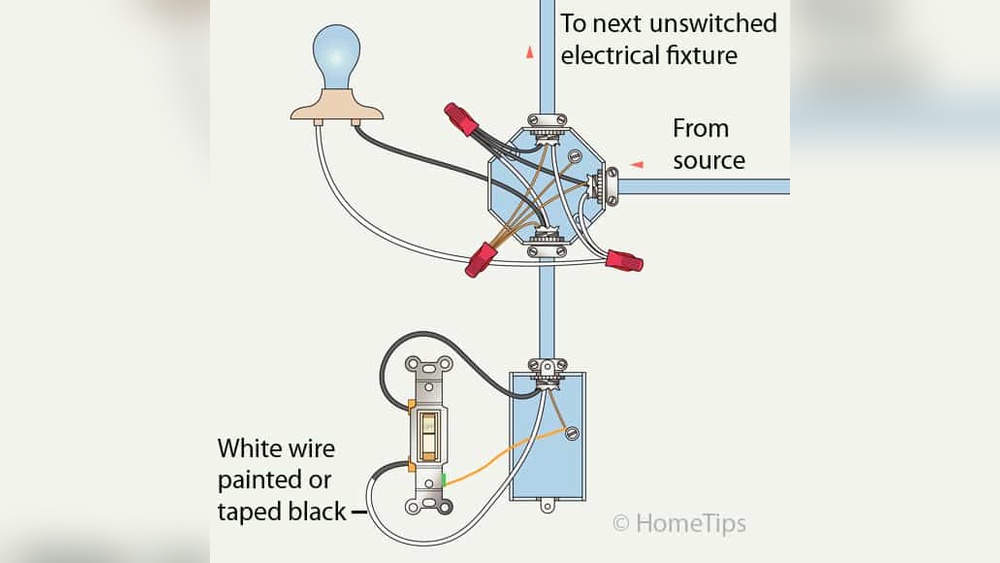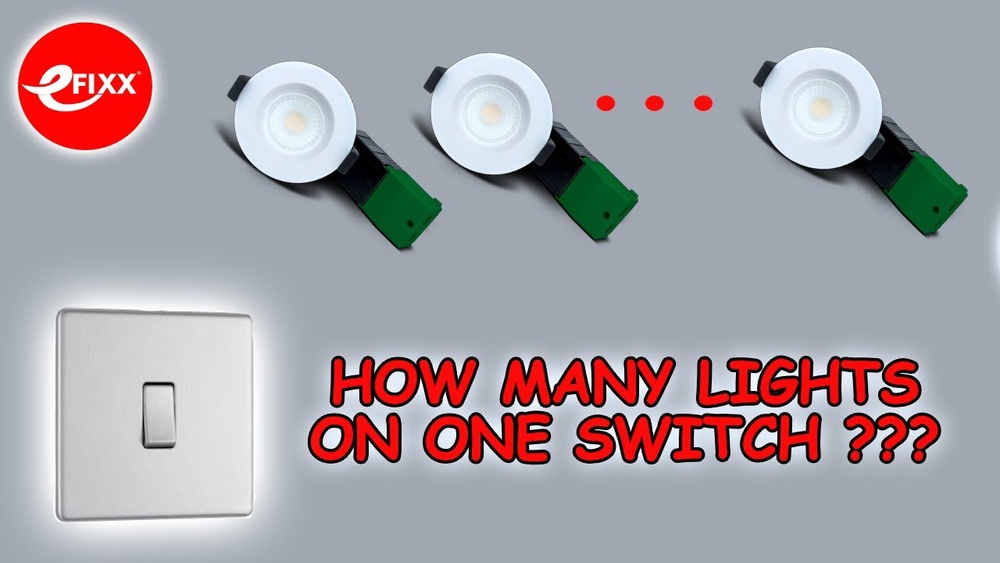
Have you ever wondered how many LED lights you can safely connect to a single switch? If you’re planning to brighten up your space, knowing this can save you from flickering lights, blown fuses, or even electrical hazards.
Understanding the right number helps you avoid costly mistakes and keeps your home safe and efficient. You’ll discover the simple rules and expert tips to get your lighting just right—so you can enjoy perfect illumination without any worries. Keep reading to learn exactly what you need to know before flipping that switch!
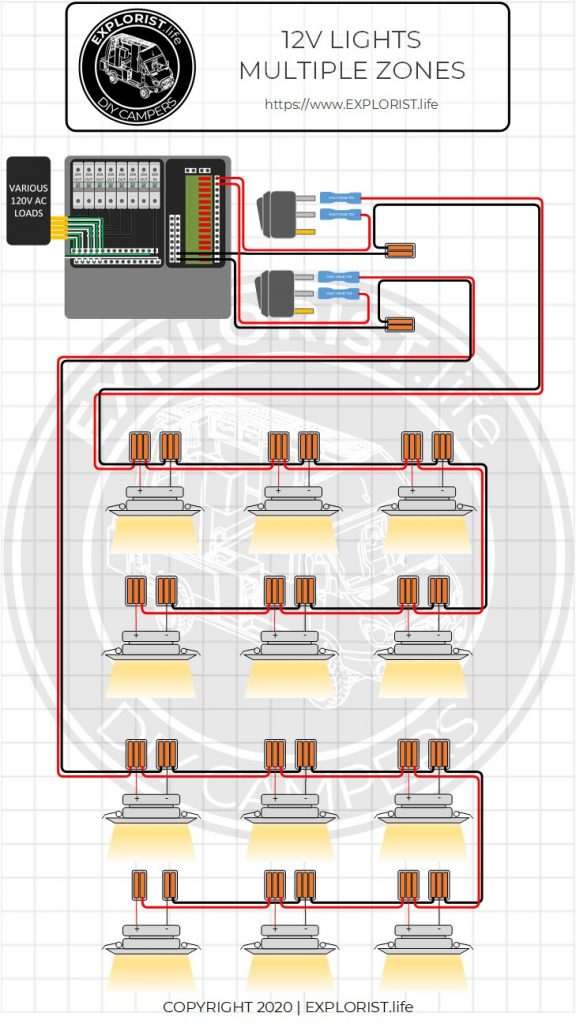
Credit: explorist.life
Led Light Basics
LED lights use tiny light-emitting diodes to produce bright light. These diodes are energy efficient and last a long time. LED technology is different from old bulbs that use filaments or gases.
Understanding the basics helps to know how many LED lights a switch can handle. It also guides in choosing the right type and power rating for your space.
Types Of Led Lights
There are several types of LED lights. The most common are bulbs, strips, and panels. LED bulbs fit into regular sockets. LED strips are thin and flexible for decoration. LED panels cover large areas with even light.
Each type has different uses and power needs. Choose the type that matches your room and lighting style.
Power Consumption Of Leds
LEDs use less power than traditional bulbs. Most LED bulbs use between 4 to 15 watts. This low power means many LEDs can run on one switch safely.
Check the total wattage of all connected LEDs. The switch and wiring must support this load. This prevents overheating and electrical problems.

Credit: www.youtube.com
Switch Capacity And Ratings
Switch capacity and ratings are key to wiring LED lights safely. Every switch has a limit on how much electrical load it can handle. Exceeding this limit can cause the switch to overheat or fail. Knowing these ratings helps you plan how many LED lights to connect to one switch.
Choosing the right switch depends on understanding these limits clearly. This ensures your lighting setup is both safe and efficient. Let’s explore the basics of switch load limits and common ratings.
Understanding Switch Load Limits
Switch load limits show the maximum electrical current a switch can handle. The load is usually measured in amps or watts. Exceeding this load can damage the switch or cause electrical fires. Always check the load rating before connecting multiple LED lights.
LED lights use less power than traditional bulbs. This means you can connect more LEDs to one switch, but only up to its load limit. Calculate the total wattage of all LED lights and compare it with the switch rating.
Common Switch Ratings
Most household switches have ratings between 10 to 15 amps. This typically supports about 1200 to 1800 watts. Standard switches can handle many LED lights because LEDs use low wattage.
Special switches with higher ratings exist for heavy loads. Industrial or commercial switches may support 20 amps or more. Always match the switch rating with your total LED wattage to avoid overload.
Calculating Led Quantity Per Switch
Calculating the number of LED lights on one switch helps prevent overload. It ensures safety and keeps the system working well. Knowing this number avoids frequent fuse trips and damage to wiring.
Start by understanding the power limits of your switch. Each switch has a maximum wattage rating. Adding too many LEDs can exceed this limit.
Total Wattage Calculation
First, find the wattage of one LED light. Multiply it by the total number of LEDs you want to connect. This gives the total wattage.
For example, if one LED uses 5 watts and you want 10 LEDs, total wattage is 50 watts. Make sure this number is less than the switch’s wattage limit.
Considering Voltage And Current
LEDs work on voltage and current. Check the voltage rating of your LED lights. It must match your power supply voltage.
Calculate the total current by dividing total wattage by voltage. For example, 50 watts at 12 volts equals about 4.2 amps.
Ensure the switch can handle this current safely. Otherwise, the switch may overheat or fail.
Safety Considerations
Safety is the top priority when installing LED lights on one switch. Proper care avoids electrical hazards and damage.
Understanding key safety points helps keep your home safe and your lights working well.
Avoiding Overloading
Each switch and circuit can handle only a certain amount of power. Adding too many LED lights can cause overloading. Overloaded circuits may trip breakers or cause fires. Check the maximum load rating for your switch. Do not connect more lights than the switch can safely control.
Heat Management
LED lights produce less heat than other bulbs but still generate some warmth. Too many lights on one switch can cause heat buildup. Excess heat may damage wiring or fixtures. Ensure good airflow around the lights and switches. Use LED lights with proper heat sinks for better cooling.
Proper Wiring Practices
Correct wiring is essential for safety and performance. Use wires rated for the total current of all connected lights. Secure all connections tightly to avoid loose contacts. Avoid mixing different types of wiring or switches. Follow electrical codes and consider hiring a professional electrician.
Practical Examples
Understanding how many LED lights can work on one switch helps in planning lighting effectively. Different setups need different amounts of lights. Here are practical examples for homes and businesses.
Typical Household Setup
In most homes, one switch controls between 5 to 10 LED lights. This depends on the wattage and circuit capacity. LED lights use less power, so more can be connected safely. For example, a living room might have 8 LED bulbs on one switch. Bedrooms often have fewer lights, around 4 to 6. The key is not to overload the switch or circuit to avoid issues.
Commercial Lighting Scenarios
Commercial spaces use more LED lights on one switch than homes. A small office might have 20 to 30 LED panel lights on a single switch. Large stores or warehouses can have 50 or more, split across multiple switches. The electrical setup is stronger in commercial buildings. Still, each switch has a limit based on the circuit design and power rating. Proper planning ensures safety and good lighting coverage.
Upgrading Switches For More Leds
Upgrading switches is a smart move when adding more LED lights to one circuit. Standard switches have limits on how many lights they can control safely. Using the right switch helps avoid flickering, overheating, or tripping breakers. It also ensures your lighting works smoothly and lasts longer.
High-capacity Switches
High-capacity switches handle more electrical load than regular switches. They are built to support many LED lights without problems. These switches use better materials and designs to manage higher currents. Installing one allows you to control a larger group of LEDs on one switch. It reduces the need for multiple switches and simplifies your setup.
Smart Switch Alternatives
Smart switches offer a modern way to control LEDs. They work with apps or voice commands, adding convenience. Many smart switches support a high number of LED bulbs. They also help save energy by dimming lights or setting schedules. These switches can connect to other smart home devices for more control.
Troubleshooting Common Issues
Troubleshooting common issues with LED lights on one switch helps keep your lighting system working well. Problems like flickering, no light, or overheating can happen. Knowing how to fix these saves time and money.
Switch Flickering
Flickering lights often mean a loose connection. Check the switch wiring for tightness. Sometimes the switch is old and needs replacing. Using the wrong type of switch for LEDs also causes flicker. Choose a switch designed for LED lights to avoid this.
Leds Not Turning On
Lights not turning on can mean a power issue. Test the circuit breaker to see if it tripped. Make sure the bulbs are properly screwed in. Faulty bulbs or wiring might also cause this problem. Replace bad bulbs or fix wiring to restore light.
Overheating Problems
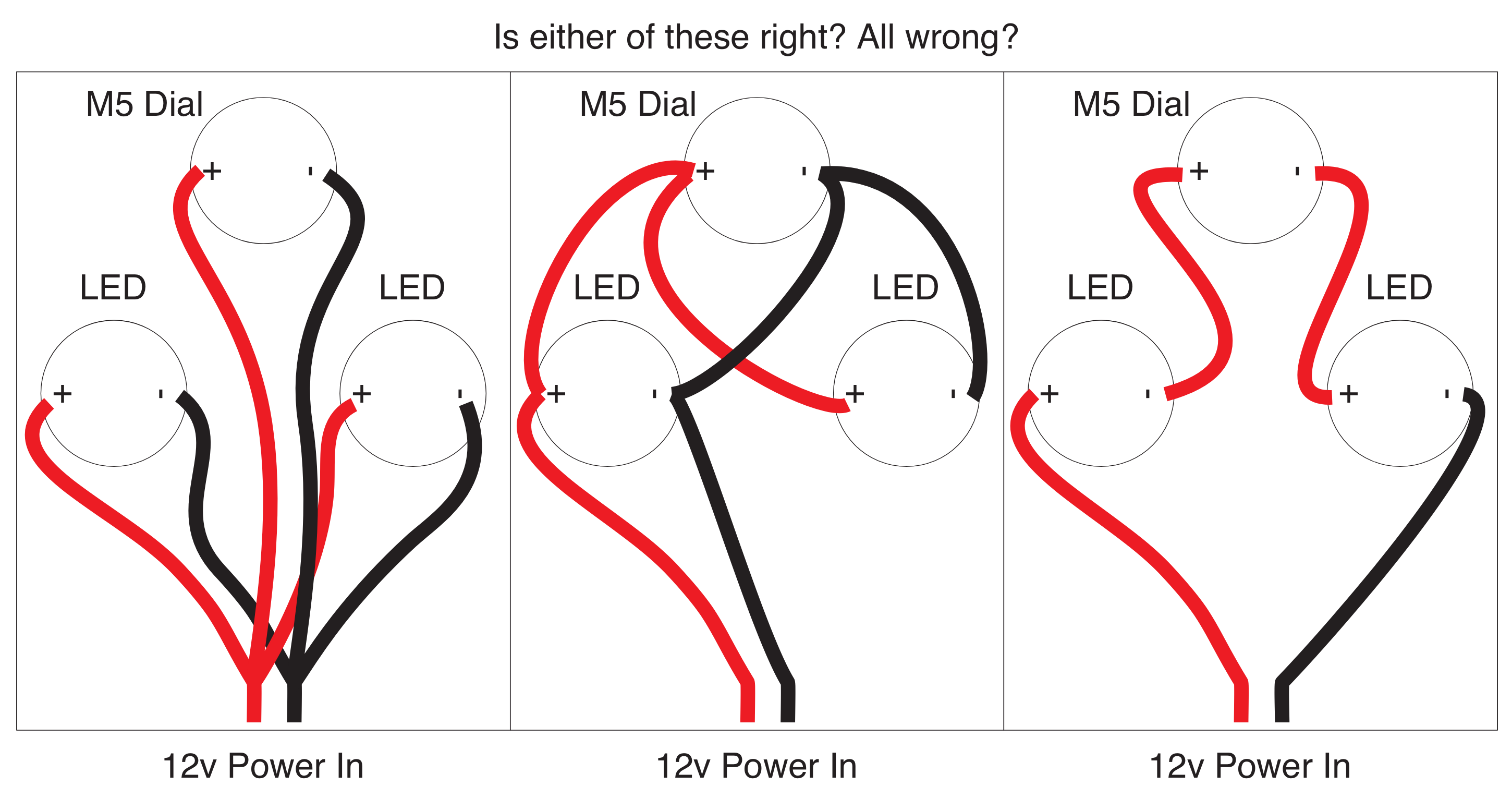
LED lights usually stay cool but can overheat with too many on one switch. Overheating damages bulbs and wiring. Reduce the number of LEDs on the circuit. Ensure good ventilation around the lights. Use LED bulbs with proper wattage ratings to prevent heat build-up.
Credit: forum.v1e.com
Frequently Asked Questions
How Many Led Lights Can One Switch Handle?
A standard switch can handle multiple LED lights, depending on the total wattage. Typically, a 15-amp switch supports up to 180 watts. Always check the switch’s maximum wattage rating to avoid overload and ensure safe operation.
Does Wiring Affect The Number Of Leds On One Switch?
Yes, wiring impacts the number of LEDs on one switch. Proper gauge wire must handle the total current without overheating. Using incorrect wiring can cause voltage drops and reduce LED performance.
Can Led Lights Be Connected In Series Or Parallel?
LED lights are usually connected in parallel on one switch. Parallel wiring ensures each LED receives the full voltage. Series wiring is less common and can cause uneven brightness if one LED fails.
What Is The Maximum Wattage For Led Lights On One Switch?
The maximum wattage depends on the switch rating and circuit breaker. Most household switches support 180-240 watts. Exceeding this can cause switch failure or electrical hazards.
Conclusion
Choosing the right number of LED lights on one switch is important. Too many lights can cause the switch to overload. Check the switch’s wattage rating before adding more LEDs. Keep the total wattage below the switch’s limit for safety.
This helps your lights work well and last longer. Proper planning saves you from electrical problems later. Always follow electrical guidelines to protect your home and family. Simple steps make your lighting setup safe and efficient. A balanced load keeps your switch and lights running smoothly.