Have you ever wondered if your light switches are placed at the perfect height? It might seem like a small detail, but the height of your light switches can make a big difference in your daily comfort and convenience.
Whether you’re building a new home, renovating, or just curious, knowing the right height ensures you don’t have to stretch or bend every time you turn a light on or off. You’ll discover the ideal height for light switches and why it matters for your home’s functionality and safety.
Keep reading to find out how a simple change can make your living space much easier to navigate.
:max_bytes(150000):strip_icc()/measuring-electrical-outlet-height-1821556-06-b960a41f86664f03b648797767b113af.jpg)
Credit: www.thespruce.com
Standard Heights For Light Switches
Standard heights for light switches help create comfort and safety in homes and buildings. Correct switch height lets everyone use them easily without bending or stretching. Builders follow certain rules to place switches at the right level. These rules vary by building type and country. Understanding standard heights helps in planning and installation.
Common Residential Switch Heights
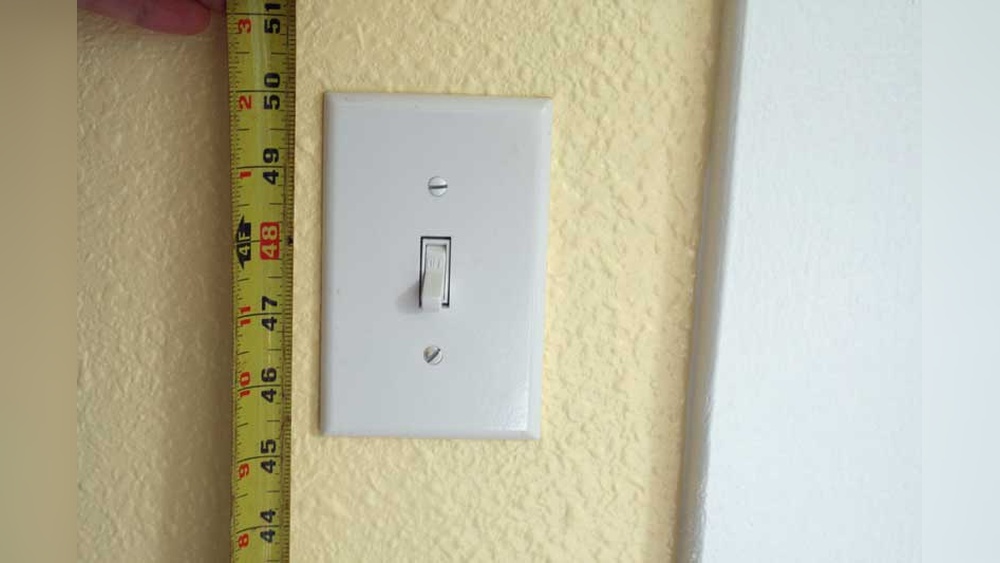
In most homes, light switches sit about 48 inches (120 cm) from the floor. This height fits adults and older children well. It avoids awkward reaches and keeps switches easy to find. Some builders place switches between 44 and 52 inches, depending on the home’s design. Consistency across rooms makes using switches simple and natural.
Commercial Building Standards
Commercial buildings often follow stricter rules for switch height. The Americans with Disabilities Act (ADA) sets switch heights between 42 and 48 inches. This range ensures access for people with disabilities. Switches may also be lower in places like schools or hospitals. These standards promote fairness and usability for all visitors.
International Height Variations
Switch height rules differ worldwide. In the UK, switches usually sit around 135 cm (53 inches) from the floor. Australia prefers about 110 cm (43 inches). Many European countries place switches between 90 and 110 cm (35 to 43 inches). These differences reflect local building codes and habits. Knowing regional standards helps during travel or renovation.
Factors Influencing Switch Height
Choosing the right height for light switches depends on several key factors. These factors ensure the switch is easy to reach and use for everyone. Understanding these points helps make better decisions for any room or building.
User Accessibility
Switch height should suit the people who use the space most. For homes, consider children and adults. For public places, think about people with disabilities. Switches must be easy to reach without stretching or bending. This makes the room more comfortable and user-friendly.
Furniture And Room Layout
Look at the room’s furniture placement before setting switch height. Switches placed behind large furniture can be hard to find. Keep switches clear of sofas, beds, or cabinets. Also, think about the usual walking paths. Proper placement prevents inconvenience and keeps the space functional.
Safety Considerations
Switch height affects safety in many ways. Avoid placing switches too low in areas with water to prevent shocks. In homes with small children, place switches out of their direct reach. Also, switches should be easy to find in the dark. Safe placement reduces accidents and improves overall safety.
Ada Compliance And Accessibility
Ensuring light switches meet ADA compliance is crucial for accessibility. The Americans with Disabilities Act sets clear rules for switch height and usability. These rules help people with disabilities use switches comfortably and safely. Proper placement and design make spaces inclusive for everyone.
Height Requirements For Accessibility
Light switches must be installed between 15 and 48 inches from the floor. This range allows wheelchair users to reach switches easily. It also helps people who have limited hand strength. Keeping switches within this height ensures no one struggles to turn lights on or off.
Switch Types For Ease Of Use
Toggle switches are common but may be hard for some to use. Rocker and paddle switches require less force and are easier to press. Large, flat switches work well for people with limited dexterity. Selecting the right switch type improves usability for all users.
Placement In Public Spaces
Public buildings must place switches in accessible locations. Switches should be near doorways and clear of obstacles. Signs and lighting help people find switches quickly. Proper placement supports independence and safety in public areas.
Switch Placement Tips For Different Rooms
Switch placement varies by room function and layout. Proper height and location make switches easy to reach and use. Consider room size, furniture, and typical movement paths for best switch spots.
Living Rooms And Bedrooms
Place switches near door frames, about 48 inches from the floor. This height suits most adults and children. Avoid spots behind doors or large furniture. In bedrooms, add switches near the bed for convenience.
Kitchens And Bathrooms
Switches in kitchens should be away from sinks and wet areas. Keep switches at least 48 inches high to avoid water contact. Bathrooms need waterproof or sealed switches. Place them outside the shower area but near the door.
Hallways And Staircases
Install switches at both ends of hallways and staircases. This ensures easy light control from any point. Standard height of 48 inches works well here too. Make sure switches are visible and reachable in low light.
Innovations In Switch Design And Placement
Switch design and placement have changed a lot in recent years. New technology and styles make switches easier to use and look better. These changes also affect how tall switches should be placed on walls.
Innovations focus on making switches smarter, cleaner, and more stylish. They fit better into modern homes and help with convenience and safety. Let’s explore some of these new ideas.
Smart Switches And Controls
Smart switches connect to Wi-Fi and work with apps. You can control lights from anywhere using a phone. Some switches learn your habits and adjust lights automatically.
These switches often need different placement. Some are installed higher or lower to fit sensors. They also have buttons or touchpads that are easier to reach.
Touchless And Voice-activated Options
Touchless switches use motion sensors to turn lights on or off. You just wave your hand near the switch. This helps keep germs away and is good for kids and elderly.
Voice-activated controls work with smart home systems. You can turn lights on by speaking. These switches do not need a fixed height since you do not touch them.
Aesthetic Considerations
Switches now come in many colors and shapes. Designers create switches that match walls and furniture. This means switches blend in or stand out as decoration.
Placement also changes for style. Some switches are placed lower for easy reach. Others are hidden or arranged in groups for a clean look.
Credit: cheselectric.com
Common Mistakes In Switch Placement
Placing light switches at the right height and location is important for ease of use. Many people make common mistakes that affect daily comfort and safety. Understanding these errors helps avoid frustration and improves home design. Here are the typical mistakes to watch out for.
Too High Or Too Low
Switches placed too high can be hard to reach for children or short adults. Too low switches may cause bending or awkward hand positions. The ideal height lets everyone turn lights on or off easily. Standard switch height is usually about 48 inches from the floor.
Ignoring Room Traffic Flow
Switches should be near room entrances, not hidden in corners. Poor placement forces people to walk in the dark or guess switch location. Think about how people move in the room. Place switches where hands naturally reach when entering or exiting.
Overlooking Accessibility Needs
Switch placement must consider people with disabilities or limited mobility. Switches should be reachable from a wheelchair or seated position. Use larger switches or rocker types for easier use. Planning for accessibility makes your home comfortable for everyone.

Credit: www.diynot.com
Frequently Asked Questions
What Is The Standard Height For Light Switches?
The standard height for light switches is typically 48 inches from the floor. This height ensures easy access for most adults and complies with building codes in many regions.
Why Is Switch Height Important In Home Design?
Switch height affects usability and accessibility. Proper height makes switches convenient for all users, including children and people with disabilities, enhancing safety and comfort.
How Do Ada Guidelines Affect Light Switch Height?
ADA guidelines recommend switches be placed 15 to 48 inches above the floor. This range ensures accessibility for wheelchair users and people with limited reach.
Can Light Switch Height Vary By Room Type?
Yes, switch height can vary. For example, switches in bathrooms or kitchens may be installed slightly higher due to countertop heights and safety considerations.
Conclusion
Choosing the right height for light switches makes daily life easier. It helps everyone reach switches without trouble. Standard heights usually work well for most homes. Consider who will use the switches the most. Think about comfort and safety too.
Proper placement can improve your home’s look and function. Small changes bring big benefits over time. Keep these tips in mind for your next project. Simple steps lead to better living spaces.