Have you ever tried to remove a drywall anchor and ended up with a bigger mess on your wall? You’re not alone.
Those small plastic or metal anchors can be stubborn, leaving holes or damage behind if you don’t know the right way to take them out. But don’t worry—getting that drywall anchor out doesn’t have to be frustrating or complicated. You’ll discover simple, effective methods to remove drywall anchors cleanly, saving your wall and your sanity.
Keep reading, and you’ll be ready to tackle this common home fix like a pro.
Tools Needed
Removing a drywall anchor requires some basic tools. These tools help you pull out the anchor without damaging the wall. Having the right tools makes the job easier and faster. Below are the essential tools needed for this task.
Needle-nose Pliers
Needle-nose pliers are perfect for gripping small anchors. Their thin tips fit into tight spaces. Use them to pull or twist the anchor out carefully.
Screwdriver
A screwdriver helps loosen anchors stuck in the wall. Choose a flathead or Phillips, depending on the anchor type. Turn gently to avoid wall damage.
Utility Knife
A utility knife cuts around the anchor if needed. It helps remove any paint or drywall mud blocking the anchor. Use it with care to avoid cutting too deep.
Putty Knife
A putty knife lifts the anchor after loosening. It also helps smooth the wall surface after removal. A thin blade works best to get under the anchor.
Drill With Small Bit
A drill with a small bit helps remove tough anchors. It can break the anchor into pieces inside the wall. Use low speed for control and safety.
Types Of Drywall Anchors
Drywall anchors help hold objects on walls securely. They come in different types, each made for specific uses. Knowing the types helps remove anchors safely and without damage. Here are the common drywall anchors you will see.
Plastic Expansion Anchors
Plastic expansion anchors are the most basic type. They are small tubes made of plastic. You push them into a drilled hole in the drywall. When you insert a screw, the anchor expands. This expansion holds the screw tightly in place. These anchors work well for light items like pictures or small shelves.
Threaded Anchors
Threaded anchors look like screws with wide threads. They twist directly into drywall without a pre-drilled hole. The threads grip the wall firmly. These anchors hold more weight than plastic expansion anchors. They are good for medium-weight items like curtain rods or mirrors.
Toggle Bolts
Toggle bolts have metal wings that open inside the wall. You push the closed wings through a hole. Once inside, the wings spread wide. This spreads the load over a larger area. Toggle bolts hold the heaviest loads on drywall. Use them for heavy shelves, TVs, or cabinets.
Safety Tips
Removing a drywall anchor requires care. Safety must come first to avoid injury and damage. Follow these tips to keep yourself and your walls safe.
Wear Protective Eyewear
Small pieces can fly off when pulling out anchors. Protect your eyes with safety glasses or goggles. This prevents dust and debris from causing harm.
Use The Right Tools
Choose tools designed for drywall work, like pliers or a screwdriver. Using the wrong tools can cause slips or damage to the wall.
Work Slowly And Carefully
Apply gentle pressure when removing the anchor. Rushing can break the anchor inside the wall or harm the drywall surface.
Check For Wires And Pipes
Drywall may hide electrical wires or plumbing pipes. Use a stud finder or wire detector before starting to avoid accidents.
Keep Children And Pets Away
Removing anchors can create small debris and noise. Keep kids and pets out of the work area for their safety.
Credit: www.familyhandyman.com
Removing Plastic Expansion Anchors
Plastic expansion anchors are common in drywall. They hold screws tightly but can be tricky to remove. Removing them carefully avoids damage to your wall. This guide shows easy ways to take out plastic anchors safely.
Using Pliers
First, try to grab the anchor with pliers. Use needle-nose or regular pliers for a firm grip. Pull slowly and steadily. The anchor should come out without breaking. If it resists, do not force it hard. Pulling too fast can tear the drywall.
Pushing The Anchor Through
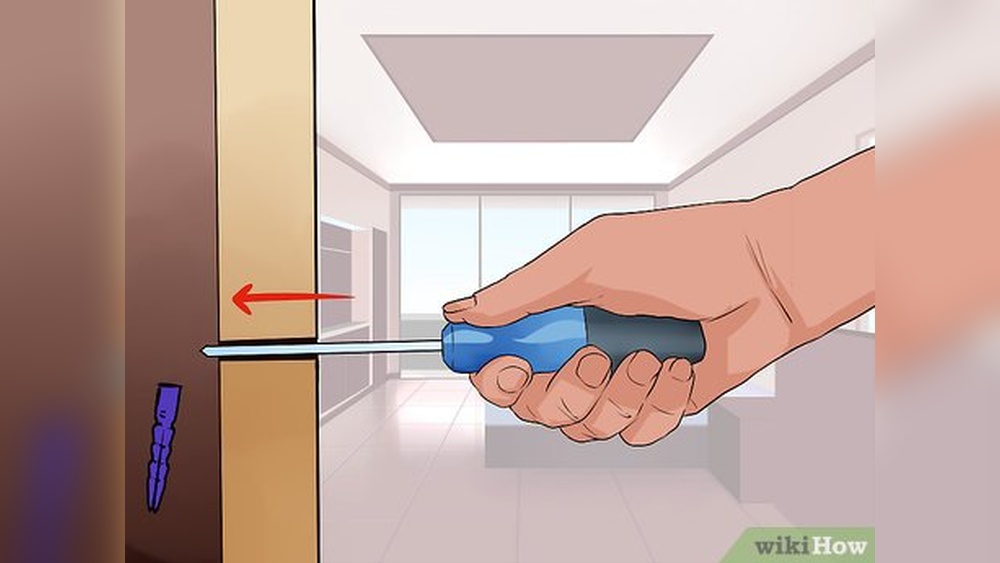
If pulling fails, push the anchor inside the wall. Use a screwdriver or similar tool. Press the anchor gently until it slips into the drywall cavity. This leaves a small hole to patch later. This method is quick and prevents wall damage.
Removing Threaded Anchors
Removing threaded drywall anchors can be a simple task with the right approach. These anchors screw into the wall and hold tightly. Pulling or prying them out carelessly can damage your drywall. Use careful methods to remove them cleanly and keep your wall intact.
Unscrewing Technique
Start by turning the anchor counterclockwise. Use a screwdriver that fits the anchor’s slot well. Apply steady pressure and turn slowly. The anchor should back out of the wall. If it turns freely, continue until it comes out completely. If it resists, stop and try another method.
Tweezers And Screwdriver Method
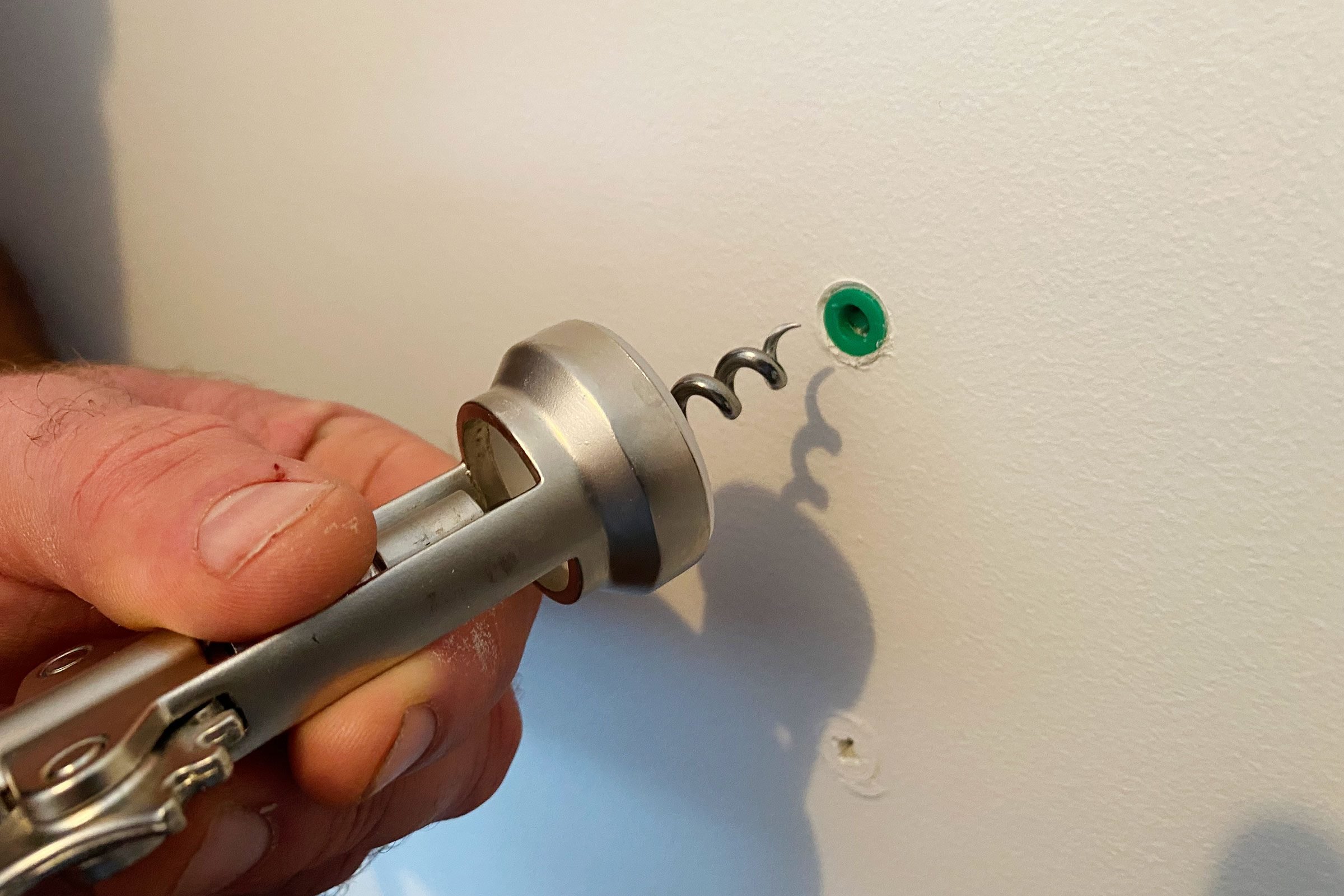
Insert a screwdriver into the anchor’s slot and turn it slightly. This loosens the anchor grip inside the wall. Next, use tweezers or pliers to gently pull the anchor out. Pull straight to avoid wall damage. Work slowly to keep the drywall smooth. This method works well for anchors that won’t unscrew fully.
:max_bytes(150000):strip_icc()/how-to-remove-drywall-anchors-7562285-02-c01abbfe63374ad3a7bc1e52d0c15bb2.JPG)
Credit: www.thespruce.com
Removing Toggle Bolts
Removing toggle bolts from drywall can be tricky. These anchors are strong and hold heavy items well. You need patience and the right steps to remove them without damaging your wall.
Toggle bolts have a spring-loaded wing behind the drywall. This wing opens inside the wall to hold the anchor tight. To remove them, you must find the toggle and pull it out carefully.
Locating The Toggle
First, locate the toggle behind the drywall. It sits inside the hole where the bolt entered. You may see the bolt head on the wall surface. The toggle is hidden behind the drywall, gripping the back side.
Try to push the bolt gently. If it moves, the toggle might be loose. If it stays tight, the toggle is still gripping the wall firmly. You can widen the hole slightly to see inside with a flashlight.
Pulling Out The Anchor
To pull out the toggle bolt, start by unscrewing the bolt head. This may loosen the toggle inside. If the toggle does not come out with the bolt, use pliers to grip the bolt firmly.
Pull the bolt straight out slowly. The toggle wings will fold as they exit the hole. Pull gently to avoid making the hole larger. If the toggle stays inside, push it into the wall cavity.
Be careful not to damage the drywall edges. After removal, patch the hole with wall filler or spackle. Let it dry, then sand smooth for a clean finish.
Fixing The Hole After Removal
Fixing the hole after removing a drywall anchor is important for a smooth wall surface. The process is simple and can restore your wall quickly. Follow these steps to repair the hole and make the wall look like new.
Cleaning The Area
Start by cleaning the hole and the space around it. Remove any loose drywall bits or dust. Use a small brush or cloth to clear the area. This helps the repair material stick better.
Applying Spackle Or Joint Compound
Use spackle or joint compound to fill the hole. Apply it with a putty knife, pressing into the hole fully. Smooth the surface to match the wall. Let it dry for the time suggested on the package.
Sanding And Painting
Once dry, sand the patch with fine sandpaper. Sand until the surface feels smooth and even. Wipe away the dust before painting. Paint over the patch with matching wall paint. Blend the edges for a seamless look.

Credit: www.wikihow.com
Preventing Wall Damage
Removing drywall anchors without harming your wall is tricky. Walls can crack, peel, or leave big holes. Preventing wall damage starts before the anchor goes in. Choosing the right anchor and installing it correctly can save you time and effort later.
Choosing The Right Anchor
Select an anchor that fits the weight and type of your item. Use plastic anchors for light objects like picture frames. Metal anchors work better for heavier items such as shelves. Avoid oversized anchors that stretch the drywall. Pick anchors made for drywall, not wood or concrete. This choice keeps the wall strong and easier to repair.
Proper Installation Tips
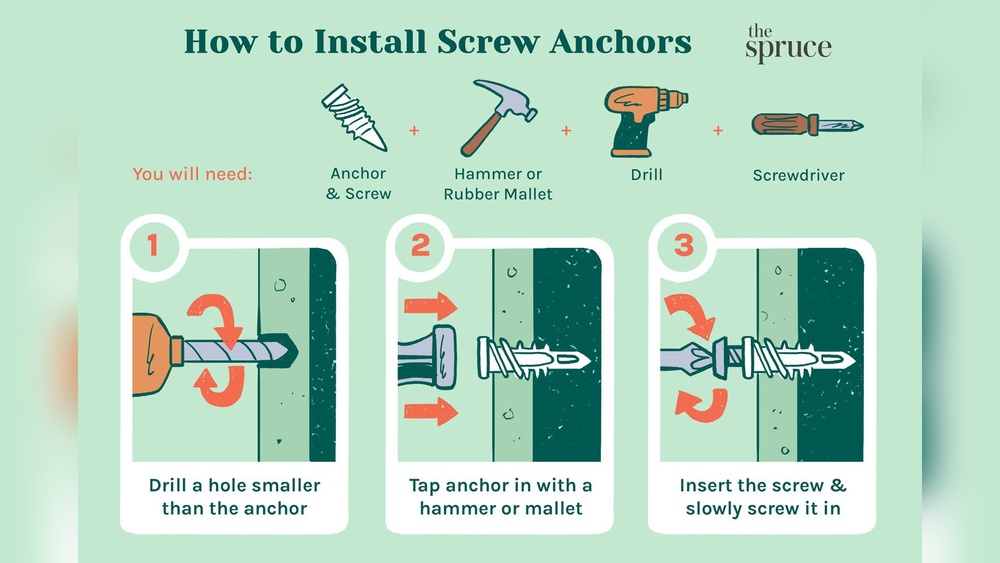
Drill a hole slightly smaller than the anchor size. This gives a tight fit and reduces wall damage. Insert the anchor gently without forcing it in. Tighten screws slowly to avoid cracking the drywall. Check the anchor stability before hanging anything. Proper installation stops the anchor from loosening or pulling out. This care helps keep your wall smooth and intact.
Frequently Asked Questions
How Do You Safely Remove A Drywall Anchor?
To safely remove a drywall anchor, first unscrew the anchor if possible. If not, gently pull it out with pliers or push it through the wall. Use minimal force to avoid damaging the drywall. Patch the hole afterward for a clean finish.
What Tools Are Best For Extracting Drywall Anchors?
Pliers, a screwdriver, and a utility knife are ideal for removing drywall anchors. Pliers grip the anchor, the screwdriver helps unscrew it, and the utility knife can cut around stubborn anchors. These tools make removal easier and protect the wall from damage.
Can Drywall Anchors Be Reused After Removal?
Drywall anchors usually cannot be reused once removed. They often lose their grip or become damaged during extraction. For secure mounting, always use new anchors when reinstalling items on drywall.
How To Fix The Wall After Removing An Anchor?
Fill the hole with spackle or joint compound after anchor removal. Allow it to dry, then sand smooth. Finally, paint over the patch to match the wall color for a seamless repair.
Conclusion
Removing a drywall anchor does not have to be hard. Use the right tools and gentle steps. Take your time to avoid wall damage. Small holes can be fixed with spackle. A smooth wall looks clean and fresh. Try these tips next time you need to remove anchors.
Keep your walls ready for new pictures or shelves. Simple care keeps your home looking neat.