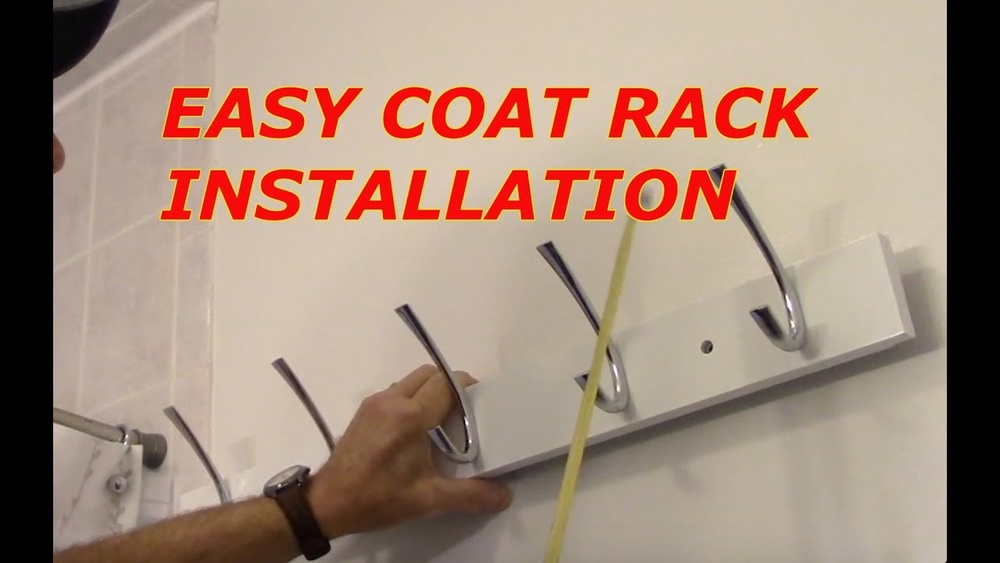
Looking to hang coat hooks on your plaster wall but worried about causing damage? You’re not alone.
Plaster walls can be tricky to work with, and using the wrong method might lead to cracks or loose hooks. But don’t worry—this guide will show you simple, effective steps to hang your coat hooks securely without any hassle. By the end, you’ll have a sturdy place to hang your coats, bags, or hats, keeping your space neat and organized.
Keep reading to learn how to do it right the first time.
Tools And Materials Needed
Preparing to hang coat hooks on a plaster wall requires the right tools and materials. These items make the job easier and safer. Using proper tools helps avoid damage to the wall and ensures the hooks hold firmly.
Gathering everything before starting saves time and effort. Each tool has a specific role in the process. Knowing their use helps in working efficiently and cleanly.
Drill And Masonry Bits
A drill is essential for making holes in plaster. Masonry bits work best for hard plaster surfaces. Choose the right size bit for your wall anchors.
Wall Anchors
Wall anchors support the screws in plaster walls. They prevent hooks from pulling out easily. Select anchors rated for the hook’s weight and plaster type.
Screwdriver
A screwdriver helps to fasten screws securely into the anchors. Both manual and electric screwdrivers work well. Match the screwdriver type to your screws.
Measuring Tape And Pencil
Measure and mark the exact spots for hooks with tape and pencil. Accurate marks ensure the hooks are level and spaced properly. This step avoids guesswork and errors.
Level Tool
A level tool keeps the hooks straight on the wall. Straight hooks look better and function well. Even a small level device can make a big difference.
Protective Gear
Wear safety glasses and a dust mask while drilling. Plaster dust can irritate eyes and lungs. Protecting yourself makes the task safer and more comfortable.
Credit: www.reddit.com
Choosing The Right Hooks
Choosing the right hooks is very important for hanging items on plaster walls. The wrong hooks can damage the wall or fall out easily. This section helps you pick hooks that fit your needs and wall type. The right hooks hold weight well and keep your plaster wall safe.
Types Of Hooks For Plaster Walls
There are several types of hooks that work well on plaster walls. Picture hooks with small nails work for light items. Screw-in hooks hold heavier things. Adhesive hooks do not need nails but hold less weight. Pick hooks based on what you want to hang and how heavy it is.
Material And Size Considerations
Hooks come in metal, plastic, and wood. Metal hooks are strong and last longer. Plastic hooks are light and easy to use for small items. Choose hook size that matches the item’s weight. Large hooks hold more weight but need stronger wall support.
Weight Capacity And Load
Check the weight limit before buying hooks. Light hooks hold up to 5 pounds. Medium hooks hold 10 to 20 pounds. Heavy-duty hooks can support 50 pounds or more. Use heavy-duty hooks for coats, bags, or tools to avoid wall damage.
Locating Wall Studs
Locating wall studs is the first step to hang coat hooks on a plaster wall. Studs provide strong support for heavy items like coats. Without attaching hooks to studs, the hooks may pull out and damage the wall.
Studs are vertical wooden beams inside the wall. They are usually spaced 16 or 24 inches apart. Finding these studs helps you place hooks securely.
Using A Stud Finder
A stud finder is a simple tool to locate studs. Turn it on and move it along the wall. The device beeps or lights up when it finds a stud. Mark the spot with a pencil for each stud you find.
Measuring From Wall Corners
Studs usually start near wall corners. Measure 16 inches from the corner to find the first stud. Mark the wall. Measure 16 inches more for the next stud. Repeat along the wall.
Knocking To Detect Studs
Knock gently on the wall and listen. A hollow sound means no stud. A solid sound shows a stud behind the plaster. Mark the solid spots as potential stud locations.
Checking Electrical Outlets And Switches
Outlets and switches are often attached to studs. Remove the cover plate and look inside. The stud is usually on one side of the box. Use this as a guide to find studs nearby.
Marking Hook Placement
Marking the right spot for your coat hooks is a key step. It ensures your hooks will be level and spaced correctly. Accurate marks make installation easier and prevent mistakes.
Take your time with this step. Measure carefully and double-check your marks. This attention to detail will make your hooks look neat and professional.
Choose The Height For Your Hooks
Decide how high you want your hooks on the wall. A common height is about 5 to 6 feet from the floor. This height works well for most adults and children.
Use a tape measure to find the exact height. Mark this height lightly on the wall with a pencil. This mark will guide the placement of all hooks.
Measure The Distance Between Hooks
Space your hooks evenly for a balanced look. Common spacing is 6 to 12 inches apart, depending on hook size. Use a ruler or tape measure to mark each spot.
Place marks where each hook will go. Check that spacing looks good before drilling. Adjust marks if needed to avoid crowding.
Use A Level To Keep Hooks Straight
Use a small level to make sure marks line up. Hold the level against the marks and adjust as needed. Straight hooks look better and function properly.
Draw a light line connecting the marks for all hooks. This line helps keep hooks aligned during installation.
Drilling Into Plaster Walls
Drilling into plaster walls requires care and the right tools. Plaster is harder and more brittle than drywall. It can crack or crumble if not drilled correctly. Taking time to prepare helps protect your wall and ensures hooks hold strong.
Start with the right drill and bit. Use low speed to avoid heat damage. Mark the spot clearly before drilling. Support the wall near the drill point for extra stability.
Using A Drill With The Correct Bit
Select a masonry drill bit for plaster walls. These bits have a strong tip to break through plaster cleanly. Avoid regular wood or metal bits. They can cause rough holes or damage.
Drill slowly and steadily. Let the bit do the work without pushing hard. This prevents cracking. Clear dust from the hole often. It helps the drill bite better.
Avoiding Wall Damage
Plaster walls crack easily under too much pressure. Use painter’s tape over the drill mark. It keeps plaster from chipping. Drill at a right angle to the wall for clean holes.
Check for wires or pipes inside the wall before drilling. Use a stud finder or wire detector. Avoid drilling near these hazards for safety. Small pilot holes help guide larger drill bits without stress.
Credit: www.reddit.com
Installing Anchors
Installing anchors is a key step to hang coat hooks securely on plaster walls. Plaster can be brittle and may crack if screws go directly into it. Anchors help spread the load and hold the screws tightly. They provide strong support and prevent damage to the wall.
Choosing the right anchor and installing it properly ensures your coat hooks stay firm. It also protects the plaster from breaking or crumbling over time. Let’s explore common types of wall anchors and tips for correct installation.
Types Of Wall Anchors
Plastic expansion anchors are common and easy to use. They expand as the screw enters, gripping the plaster firmly.
Molly bolts have a metal sleeve that expands behind the wall. They offer strong support for heavier items.
Toggle bolts use spring-loaded wings that open inside the wall cavity. They hold very heavy loads on hollow plaster walls.
Self-drilling anchors screw directly into the plaster without pre-drilling. They save time and provide good holding power.
Anchor Installation Tips
First, mark the exact spot for your coat hook. Use a pencil for clear, precise marks.
Drill a hole slightly smaller than the anchor diameter. This ensures a tight fit.
Insert the anchor gently into the hole. Tap it lightly with a hammer if needed.
Screw in the hook or screw carefully to avoid cracking the plaster.
Check that the anchor is flush with the wall surface before tightening fully.
Use the proper size drill bit and anchors for your wall thickness and hook weight.
Attaching The Hooks
Attaching coat hooks on a plaster wall needs care and the right tools. The hooks must hold weight without damaging the wall. Choosing the right screws and securing hooks firmly are key steps. This ensures the hooks stay steady and last long.
Screw Selection
Pick screws designed for plaster walls. Screws with sharp threads work best. Use screws long enough to reach the wall studs or anchors. Avoid short screws that only grip the plaster. Thick screws provide better hold and strength.
Securing Hooks Firmly
Mark the hook spots carefully before drilling. Drill small pilot holes to prevent plaster cracking. Insert wall anchors if no studs are present. Tighten screws evenly to avoid loosening. Check hook stability by gently pulling after installation.
Testing Hook Strength
Testing hook strength is an important step after hanging coat hooks on a plaster wall. It ensures the hooks hold weight without falling or damaging the wall. This step saves you from future problems and keeps your coats safe.
Check the hook strength carefully before using it fully. A small test can reveal if the hook is secure or if it needs extra support.
How To Perform A Basic Strength Test
Start by gently pulling the hook downward with your hand. Apply light pressure first. If it feels firm, add a little more force. The hook should not move or wiggle. If it shifts, it needs better anchoring.
Using Weighted Items For Testing
Hang a small weight on the hook. Use a bag with a few books or a filled backpack. Leave it hanging for a few minutes. Check if the hook stays in place. Remove the weight and look for wall damage or loosening.
Signs Of Weak Hook Installation
Look for cracks around the hook area. Notice any movement when the hook holds weight. Listen for creaking sounds. These signs mean the hook is not strong enough. Reinstall the hook with better anchors or screws.
Improving Hook Strength On Plaster Walls
Use wall anchors designed for plaster. Choose screws that fit the anchors well. Drill holes carefully to avoid cracking plaster. Tighten screws firmly but avoid overtightening. Test again after improvements to confirm strength.
Maintenance And Care Tips
Proper maintenance helps your coat hooks last longer and stay strong. Caring for them keeps your walls safe and your space tidy. Small efforts can prevent damage and keep hooks looking new.
Check Hooks Regularly
Look at your hooks often. Tighten any loose screws to avoid falls. Loose hooks can damage plaster walls and cause accidents.
Clean Hooks Gently
Use a soft cloth to wipe dust and dirt. Avoid harsh cleaners that can ruin the finish. Mild soap and water work well for cleaning.
Avoid Overloading Hooks
Do not hang heavy items beyond the hook’s limit. Too much weight can pull hooks out or crack the plaster. Use multiple hooks for heavier coats or bags.
Protect The Wall Area
Place a small cushion or pad behind hooks if needed. This reduces pressure on the plaster. It also prevents marks or scratches on the wall.
Repair Damage Quickly
Fix small cracks or holes around hooks fast. Use plaster filler and sand smooth before repainting. Early repairs stop bigger problems and keep walls strong.

Credit: www.youtube.com
Frequently Asked Questions
How Do I Find Studs In A Plaster Wall?
Use a stud finder or tap the wall to listen for solid sounds. Studs are usually 16 inches apart. Mark the stud locations lightly with a pencil before drilling for hooks.
What Type Of Anchors Work Best For Plaster Walls?
Molly bolts or toggle bolts are ideal for plaster walls. They provide strong support and prevent damage. Avoid regular plastic anchors as they may not hold heavy coats securely.
Can I Hang Coat Hooks Without Drilling Studs?
Yes, use heavy-duty wall anchors designed for plaster. They distribute weight evenly and hold hooks firmly. However, for heavier items, securing hooks to studs is safer and more reliable.
How Do I Prevent Plaster From Cracking When Drilling?
Drill slowly with a masonry bit and apply light pressure. Use painter’s tape over the drilling spot to reduce plaster chipping. Always pre-drill holes before inserting anchors or screws.
Conclusion
Hanging coat hooks on plaster walls is easier than it seems. Use the right tools and anchors for strong support. Take your time to measure and mark the spots carefully. Drill slowly to avoid cracking the plaster. With patience, your hooks will hold heavy coats securely.
Enjoy a neat and organized space with your new hooks. Small efforts make a big difference in home organization. Now, your coats have a safe and stylish place to hang.