Have you ever wondered what makes a deadbolt lock so reliable in keeping your home safe? Understanding how a deadbolt lock operates can give you peace of mind and help you choose the right security for your door.
You’ll discover the simple yet effective mechanism behind deadbolt locks and why they stand out from regular locks. By the time you finish reading, you’ll know exactly how to protect your home better with this essential locking system. Keep reading to unlock the secrets behind deadbolt locks!
Credit: www.globalspec.com
Deadbolt Lock Basics
Deadbolt locks add strong security to doors. They work by extending a solid metal bolt into the door frame. This bolt stops the door from opening without the right key or thumb turn. Unlike spring locks, deadbolts do not rely on spring action. This makes them harder to force open.
Understanding deadbolt basics helps in choosing and using them correctly. It also shows how they protect homes and buildings.
Types Of Deadbolt Locks
Single-cylinder deadbolts use a key on the outside. Inside, they have a thumb turn for easy locking. These are common for most doors.
Double-cylinder deadbolts need a key for both sides. This adds security but may slow exit during emergencies. Use in doors with glass near the lock.
Lockable thumb turn deadbolts combine both types. The thumb turn can be locked with a key. This offers flexibility and safety.
Key Components
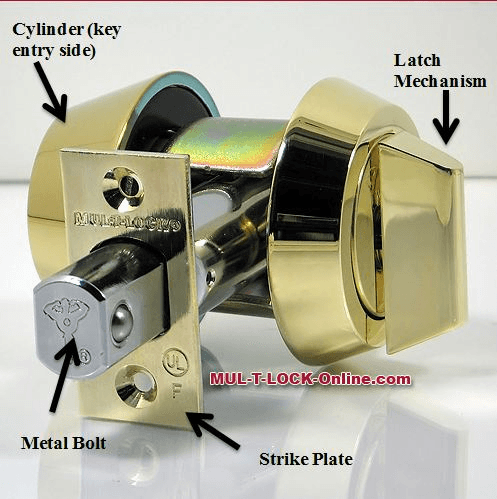
The bolt is the main part that moves into the door frame. It must be thick and strong to resist force.
The cylinder holds the key mechanism. It reads the key and lets the bolt move.
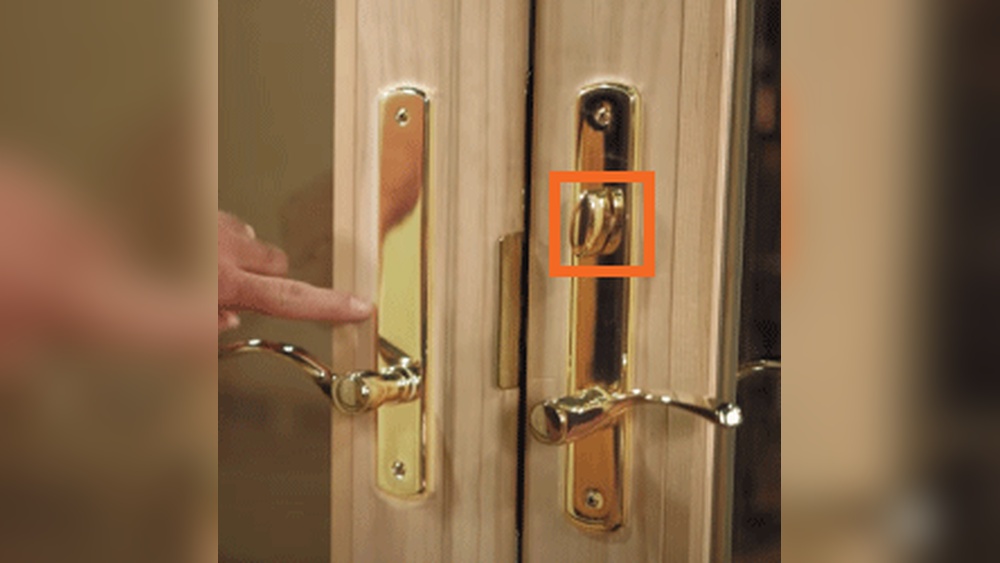
The thumb turn is on the inside. It helps to lock or unlock without a key.
The strike plate fits on the door frame. It holds the bolt firmly when locked.
How Deadbolt Locks Work
Deadbolt locks provide strong security for doors. They use a solid metal bolt that slides into the door frame. This bolt stops the door from opening without the right key or thumb turn. Understanding how deadbolt locks work helps you see why they are reliable for home safety.
Locking Mechanism
The deadbolt lock has a thick metal bolt. This bolt moves in and out of the door frame. It does not spring back like a regular lock. The bolt stays in place until it is turned with a key or thumb turn. This makes the lock very strong and hard to force open.
Key And Cylinder Function
The key fits into the lock’s cylinder. The cylinder contains pins that line up with the key’s shape. When the key turns, it moves the cylinder inside the lock. This action controls the bolt’s movement. Only the correct key can turn the cylinder and move the bolt.
Bolt Movement
Turning the key or thumb turn slides the bolt in or out. When the bolt slides into the door frame, the door locks tight. Pulling or pushing the door will not open it. To unlock, the bolt slides back inside the door. This frees the door to open easily.
Installation And Placement
Installing a deadbolt lock correctly is key for security. Proper placement and fitting keep your door safe from unwanted entry. Understanding where and how to install the lock helps improve protection. This section explains the best door locations and useful installation tips.
Ideal Door Locations
Deadbolts work best on exterior doors. Front, back, and side doors usually need extra security. Avoid placing deadbolts on glass doors or doors with large windows. The lock should be on a solid wood or metal door. Position the deadbolt about 6 to 12 inches above the doorknob. This height makes it hard to force open the door. It also keeps the lock easy to reach for most people.
Installation Tips
Start by measuring carefully before drilling any holes. Use a template if the lock comes with one. Make sure the lock aligns with the door frame strike plate. The strike plate should be attached with long screws for better strength. Test the lock operation before fully tightening screws. Check that the bolt slides smoothly into the frame. Avoid gaps between the door and frame for better security. Tighten all parts firmly but do not overtighten to avoid damage. Regularly check the deadbolt for wear or loose parts.

Credit: www.youtube.com
Security Advantages
Deadbolt locks offer strong security for homes and businesses. They provide solid protection against break-ins. Their design makes it hard for intruders to open doors without a key. This section explains the key security advantages of deadbolt locks.
Resistance To Forced Entry
Deadbolt locks resist forced entry better than many other locks. The bolt extends deep into the door frame. This makes it difficult to kick or pry the door open. The thick metal bolt holds firm against strong force. It reduces the chance of the lock breaking under pressure. This strength deters burglars from trying to break in.
Comparison With Other Locks
Deadbolts are stronger than standard spring bolt locks. Spring bolts use a spring to hold the lock in place. They can be pushed open easily with a credit card. Deadbolts do not rely on a spring. They lock firmly and require a key or thumb turn. This extra security makes deadbolts a better choice for safety.
Common Vulnerabilities
Deadbolt locks provide strong security, but they have some common weaknesses. Knowing these weak points helps you protect your home better. Here are the main risks that deadbolt locks face from intruders.
Lock Picking Risks
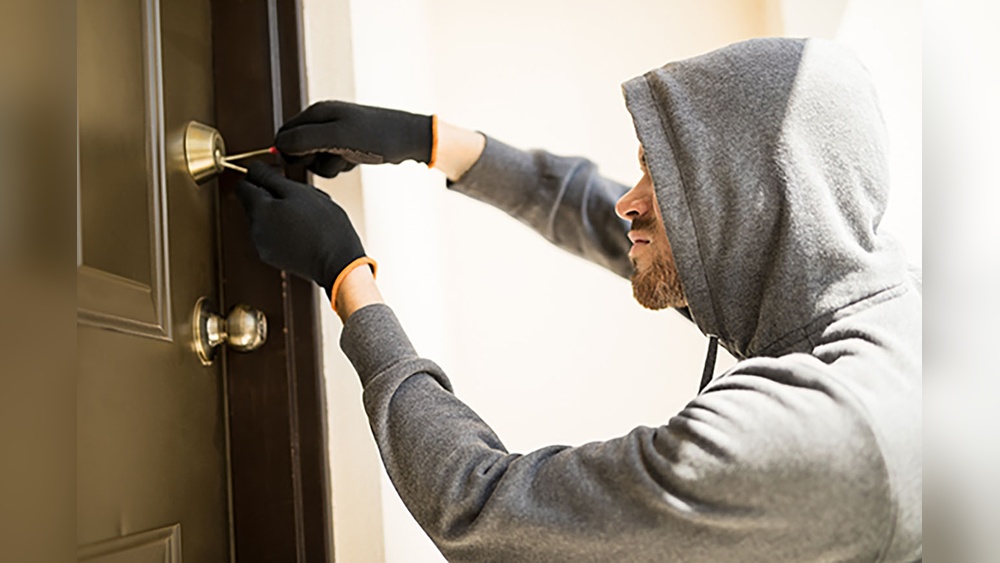
Lock picking is a method thieves use to open deadbolts without keys. They use thin tools to move the pins inside the lock cylinder. This requires skill and patience but can be done quickly by experts. Some cheaper deadbolts have simple pin designs, making picking easier. Locks with advanced pin systems or anti-pick features resist these attacks better.
Physical Attacks
Physical attacks target the lock by force. Burglars may try to kick the door or use tools to break the lock. Some deadbolts have weak bolts or poor door frames, making them easier to break. High-quality deadbolts use hardened steel bolts that resist cutting and kicking. Reinforcing the door frame adds extra protection against these attacks.
Enhancing Deadbolt Security
Enhancing deadbolt security is essential for stronger home protection. Simple upgrades can stop break-ins. These improvements make your door harder to open without the key. Even a good deadbolt can fail without proper support. Small changes boost the lock’s strength and your home’s safety.
Reinforced Strike Plates
Strike plates hold the deadbolt in place. Standard plates are thin and easy to break. Reinforced strike plates use thicker metal and extra screws. They spread force over a larger area. This makes kicking or prying the door open much harder. Installing these plates is a cost-effective way to add security.
Smart Deadbolt Options
Smart deadbolts offer keyless entry with codes or phones. They allow you to lock and unlock remotely. Some models send alerts if someone tries to open the door. This helps monitor your home from anywhere. Smart deadbolts often have backup keys for emergencies. They combine convenience with added security features.

Credit: www.parkavenuelocks.com
Frequently Asked Questions
How Does A Deadbolt Lock Improve Home Security?
A deadbolt lock extends a solid metal bolt into the door frame. This makes it harder to force open. It resists picking and physical attacks better than spring locks, enhancing overall home security.
What Are The Main Parts Of A Deadbolt Lock?
A deadbolt lock mainly includes the bolt, cylinder, thumb turn, and strike plate. The cylinder holds the key mechanism. The thumb turn operates the bolt from inside. The strike plate reinforces the door frame.
How Do You Operate A Deadbolt Lock?
To operate, insert the key into the cylinder and turn it. This moves the bolt into or out of the door frame. From inside, use the thumb turn to lock or unlock without a key.
Can Deadbolt Locks Be Easily Picked Or Bypassed?
Deadbolt locks are designed to resist picking and bumping. High-quality locks use complex pins and mechanisms. Although not impossible, picking a deadbolt requires skill and time, making them a strong security option.
Conclusion
A deadbolt lock works by moving a solid metal bolt into the door frame. This bolt keeps the door tightly shut and hard to open without a key. Turning the key or thumb turn moves the bolt back and forth.
This simple action adds strong security to your home or office. Knowing how it works helps you choose the right lock. It also helps you use it properly for safety. A deadbolt lock is a reliable way to protect your space.
Easy to use, it adds peace of mind every day.