Have you ever wanted to prevent a light switch from being used, but weren’t sure how to do it safely and effectively? Whether you need to keep kids from turning on a light, control energy use, or simply want to disable a switch temporarily, blocking a light switch can be a simple solution.
You’ll learn clear, step-by-step methods to block a light switch without causing damage or risking safety. Keep reading, and by the end, you’ll have the confidence to handle this task on your own.
Reasons To Block A Light Switch
Blocking a light switch can help in many ways. It stops unwanted use and keeps things safe. Many people do this to control lights better. It also helps save energy and protect children. Understanding the reasons to block a light switch helps you decide if you need it.
Preventing Accidental Switch Flips
Accidental switch flips can cause trouble. Lights may turn off or on at the wrong time. Blocking the switch stops these mistakes. It keeps the lighting stable and avoids surprises. This is useful in busy places or homes with pets.
Child Safety Measures
Children like to touch and play with switches. This can cause electrical risks or hurt them. Blocking the switch keeps children safe. It prevents them from turning lights on or off. Parents often use switch blockers to protect their kids.
Energy Saving Control
Lights left on waste electricity and money. Blocking switches helps control energy use. It stops lights from being turned on unnecessarily. This keeps energy bills lower and saves power. It is a simple way to use electricity wisely.

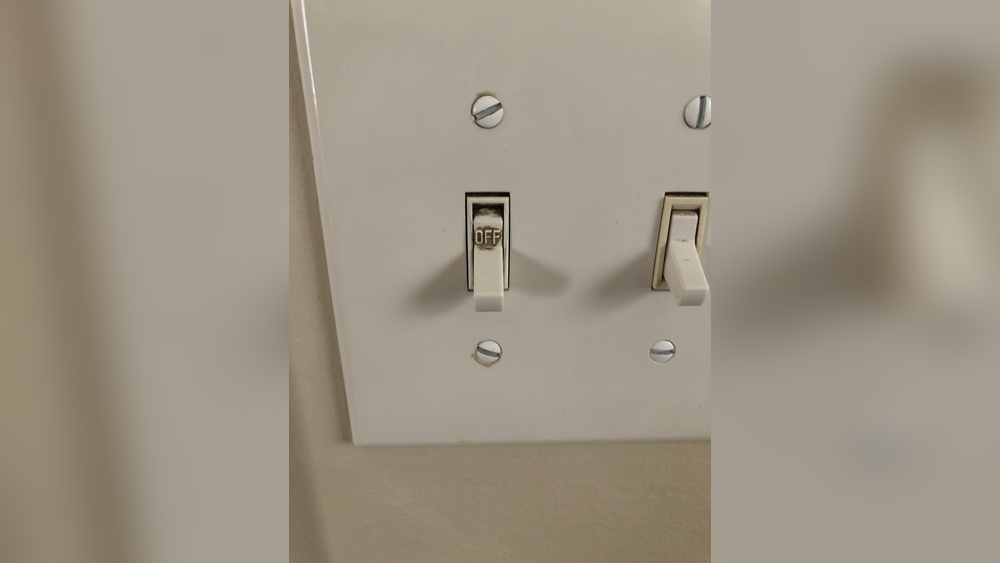
Credit: www.reddit.com
Tools And Materials Needed
Blocking a light switch requires specific tools and materials. Having the right items makes the task easier and safer. This section lists the essentials you need before starting.
Basic Tools List
- Screwdriver (flathead and Phillips)
- Voltage tester
- Wire cutters
- Electrical tape
- Plastic switch cover or switch plate
- Drill (optional for some covers)
Recommended Safety Gear
- Insulated gloves
- Safety goggles
- Non-conductive footwear
- Dust mask (if drilling or sanding)
Types Of Switch Covers
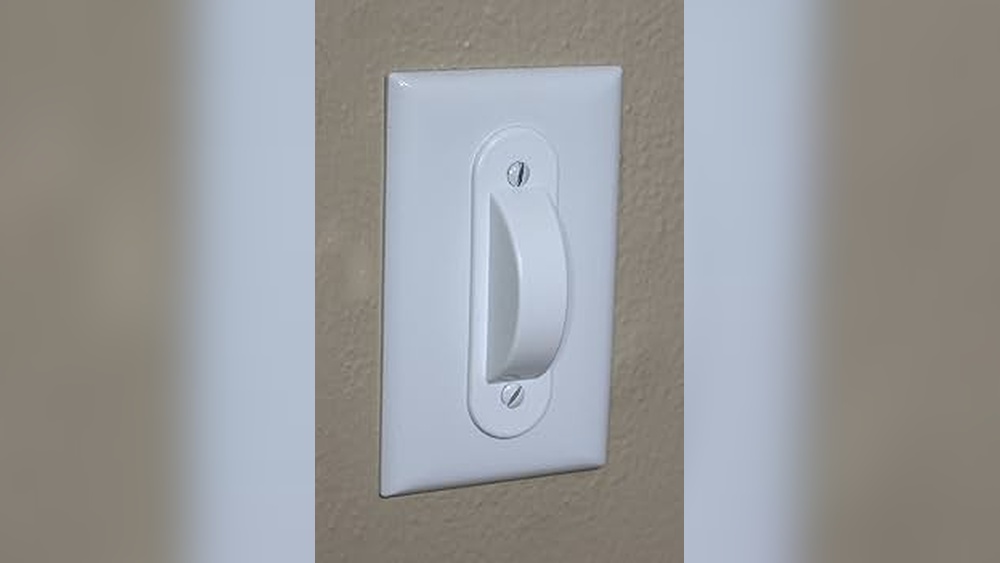
Switch covers come in different types to block or secure switches. Plastic covers are common and easy to install. Metal covers offer extra durability. Lockable covers prevent unauthorized use. Choose covers based on your needs and switch type.
Safety Precautions Before Starting
Before blocking a light switch, safety comes first. Electricity can be dangerous. Taking proper steps protects you from shocks and accidents. Follow these safety precautions carefully. They help make the task safe and smooth.
Turning Off Power
Start by turning off the power at the circuit breaker. This stops electricity from flowing to the switch. Never work on a live circuit. Confirm the correct breaker is off to avoid mistakes. This simple step is the most important safety measure.
Testing For Electricity
Use a voltage tester or multimeter to check the switch. Even if the breaker is off, test to be sure no electricity is present. Touch the tester to the switch wires. No light or sound means it is safe to touch. Always double-check before proceeding.
Using Proper Insulation
Wear insulated gloves to protect your hands. Use insulated tools designed for electrical work. Keep wires covered with electrical tape if needed. Good insulation prevents shocks and short circuits. Never use bare hands or metal tools without insulation.
Step-by-step Guide To Block A Light Switch
Blocking a light switch is a simple task that anyone can do. This step-by-step guide shows how to block a light switch safely and effectively. Follow these easy steps to prevent the switch from being used.
Removing The Switch Plate
Start by turning off the power to the switch. Use a screwdriver to remove the screws holding the switch plate. Carefully take off the plate without damaging the wall. Keep the screws safe for later use.
Installing A Switch Cover Or Lock
Choose a switch cover or lock that fits your switch type. Place the cover over the switch to block access. Some covers snap on, others screw in place. Make sure the cover fits tightly and cannot be removed easily.
Reattaching The Plate Safely
Put the switch plate back over the switch cover or lock. Align the screw holes with the wall anchors. Use the screws to secure the plate firmly. Check that the cover stays in place and the switch cannot be used.
Alternative Methods To Control Light Access
Controlling light access does not always mean blocking a switch physically. There are several alternative methods that offer more flexibility and control. These options can help manage lighting in a way that suits different needs and preferences.
Using Smart Switches
Smart switches connect to your home Wi-Fi. They let you control lights with a phone or voice commands. You can set schedules to turn lights on or off automatically. This method keeps the switch functional but limits unwanted use.
Installing Dimmer Controls
Dimmer controls adjust light brightness instead of turning lights off. They allow softer lighting for different times of day. This method helps save energy and create a comfortable atmosphere. It also reduces the need to block the switch entirely.
Employing Remote-controlled Systems
Remote-controlled lighting systems use a handheld device. You can turn lights on or off from a distance. This method is good for large rooms or hard-to-reach switches. It keeps the switch accessible but adds another control layer.

Credit: www.reddit.com
Common Mistakes To Avoid
Blocking a light switch might seem simple. Yet, many make mistakes that cause problems later. Avoiding these errors saves time and keeps you safe. Focus on three common mistakes below to do the job right.
Ignoring Electrical Safety
Electricity is dangerous. Always turn off the power at the breaker. Use a tester to confirm no current flows. Never skip these steps. Safety gear like gloves and goggles helps protect you. Ignoring safety can cause shocks or fires. Take safety seriously every time.
Using Improper Materials
Not all materials work to block a switch. Avoid tape that can peel or melt. Plastic covers or switch blockers made for this job work best. Using the wrong materials may cause damage or fail to block the switch. Choose products designed for electrical use only.
Not Securing The Switch Properly
Simply covering the switch is not enough. Make sure the blocker fits tightly. Loose covers can fall off or allow switch movement. Use screws or clips if needed for a firm hold. A secure block keeps the switch safe and prevents accidental use.
Maintenance And Regular Checks
Maintenance and regular checks keep your light switch block working well. They help avoid problems and keep your home safe. Checking parts often saves money and time. It stops small issues from becoming big troubles. Follow simple steps to maintain your light switch block.
Inspecting Switch Covers
Check the switch covers for cracks or damage. Damaged covers can expose wires and cause shocks. Clean covers gently to remove dust and dirt. Tighten any loose screws to keep the cover secure. A solid cover protects the switch and your family.
Ensuring Functional Safety Locks
Test the safety locks to see if they work properly. Locks should fit tightly and stop the switch from moving. Replace locks that feel loose or broken. Proper locks prevent accidental switch use. They add an extra layer of safety in your home.
Replacing Worn Components
Look for worn or old parts in the blocking device. Worn parts may not hold the switch firmly. Swap out any broken or weak pieces quickly. Use parts made for your specific switch model. Fresh components keep the block strong and reliable.

Credit: www.amazon.com
Frequently Asked Questions
How Do I Safely Block A Light Switch?
Turn off the power at the breaker first. Use a switch lock or cover plate to block the switch physically. This prevents accidental use and ensures safety, especially around children or during maintenance.
What Tools Are Needed To Block A Light Switch?
You only need basic tools like a screwdriver to remove the switch plate. Then, install a switch lock or cover. These tools make the process quick and easy without complex electrical work.
Can Blocking A Light Switch Prevent Electrical Hazards?
Yes, blocking a switch helps avoid accidental activation, reducing shock or fire risks. It’s a simple safety measure, especially in homes with children or during electrical repairs.
Is Blocking A Light Switch Reversible?
Absolutely. Most switch blockers or covers are removable. You can easily unblock the switch without damaging the wall or switch, making it a flexible safety solution.
Conclusion
Blocking a light switch is a simple way to control lighting. It helps prevent accidental use and increases safety. You only need a few tools and basic steps to do it. Always turn off power before working on switches. Choose the right method based on your needs.
Taking time to do it right avoids problems later. Now, you can keep lights off when needed without hassle. Easy and effective.