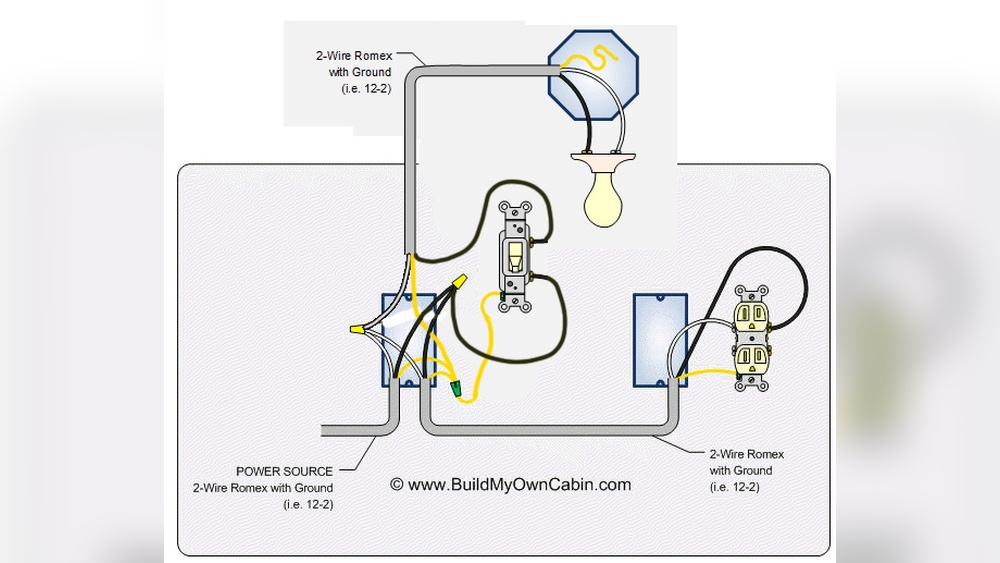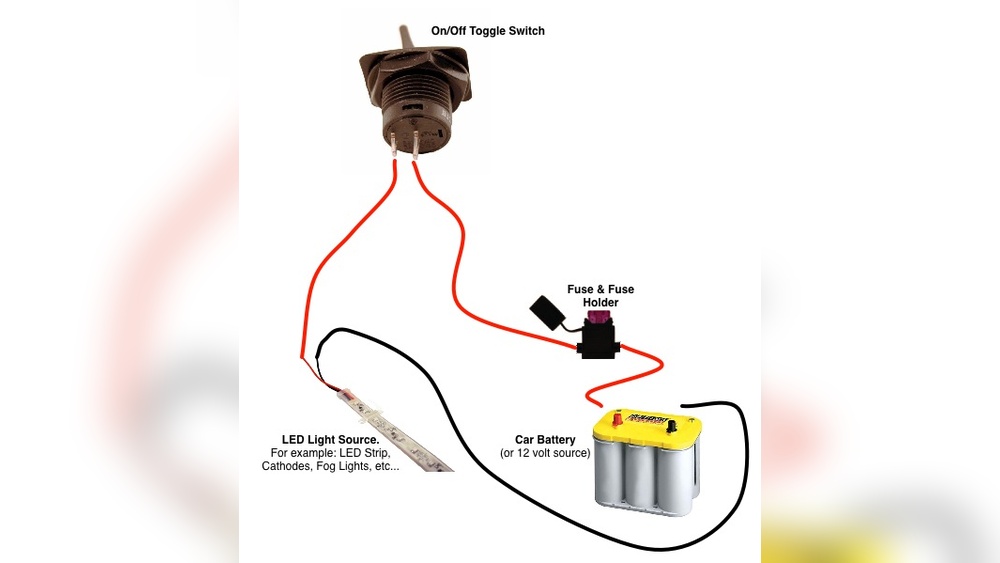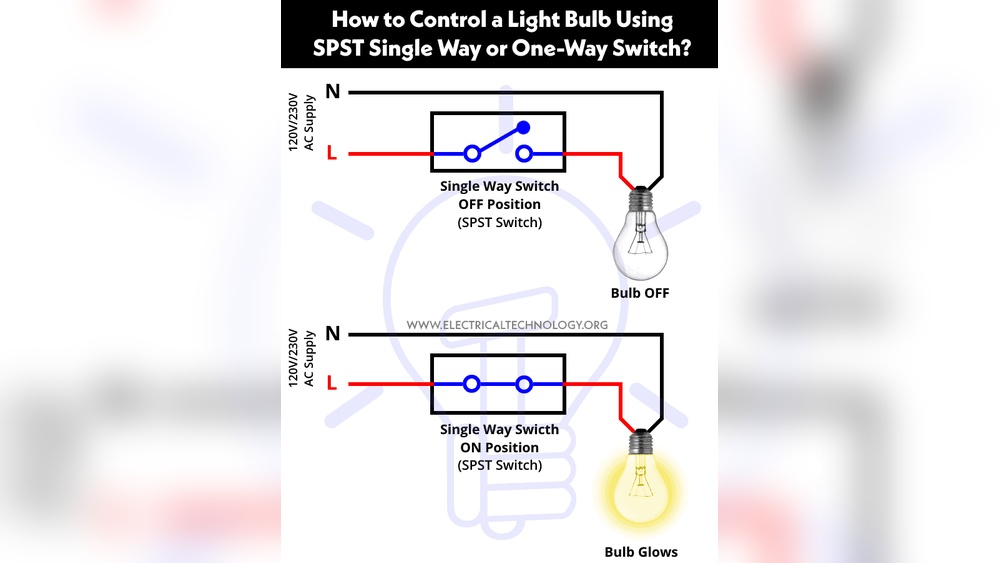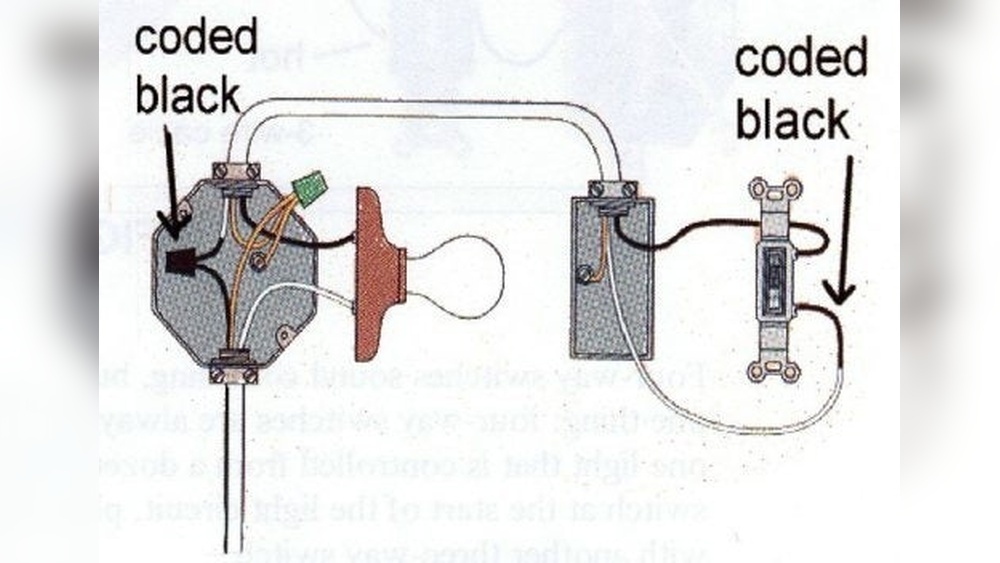
Are you looking to add power to a light switch without running new wires? Knowing how to backfeed a light switch can save you time and effort while giving you more control over your lighting setup.
But before you start, it’s important to understand the right way to do it—so you stay safe and avoid any electrical mishaps. In this guide, you’ll learn simple, clear steps to backfeed your light switch correctly. By the end, you’ll feel confident handling this task and improving your home’s lighting with ease.
Keep reading to discover exactly what you need to know!
What Is Backfeeding
Backfeeding a light switch means sending power backward through the switch’s wiring. This method can power a circuit from a different source. It requires careful handling to avoid electrical hazards.
Backfeeding is a way to power a light switch from the switch itself.
Normally, electricity flows from the power source to the switch.
Backfeeding reverses this flow, sending power back through the switch.
This technique helps when wiring or adding new lights without rewiring the entire circuit.
How Backfeeding Works
In backfeeding, the switch receives power from the load side.
The electricity flows backward through the switch to the power source.
This allows the switch to control power even without a direct power line.
Why Use Backfeeding
It saves time and effort during electrical work.
It can fix wiring problems in old homes or complex circuits.
Backfeeding allows easier installation of smart switches or dimmers.
Safety Considerations
Backfeeding must follow electrical codes and safety rules.
Incorrect backfeeding can cause shocks or damage devices.
Always use proper tools and turn off power before working.

Credit: diy.stackexchange.com
When To Use Backfeeding
Backfeeding a light switch is not common for every electrical project. Knowing when to use backfeeding helps keep your home safe. It also ensures your electrical system works correctly.
Backfeeding is used in special cases. It sends power backward through a circuit. This method is useful only under certain conditions.
Power Outages And Backup Generators
Backfeeding is helpful during power outages. It allows a backup generator to supply electricity. This keeps essential lights and devices running. Always follow safety rules to avoid accidents.
Temporary Power Solutions
Use backfeeding for short-term power needs. For example, during repairs or outdoor events. It gives power without rewiring the whole system. Make sure to disconnect the main power first.
Testing Electrical Circuits
Electricians use backfeeding to test circuits safely. It helps find issues without turning on the main power. This method saves time and prevents damage.
Specific Appliance Or Tool Use
Some appliances or tools need backfeeding for special setups. This can include custom lighting or equipment. Always check the device instructions before backfeeding.
Essential Safety Precautions
Always turn off power at the circuit breaker before starting any electrical work. Use a voltage tester to confirm wires are not live. Wear insulated gloves and follow local electrical codes to stay safe.
Turn Off Power At The Breaker
Always switch off the power from the circuit breaker before starting work. This stops electricity from flowing. Never trust the switch alone to cut power. Use a voltage tester to check wires are dead. Safety begins with no live current.
Use Proper Tools And Equipment
Choose tools made for electrical work. Insulated screwdrivers and pliers protect against shocks. Wear rubber-soled shoes and avoid standing on wet floors. Keep your workspace clean to prevent accidents. Right tools keep you safe and make the job easier.
Understand Wiring And Codes
Know the wiring system in your home. Study local electrical codes carefully. Incorrect wiring causes fire and injury risks. Follow guidelines for wire size and connections. Clear knowledge prevents dangerous mistakes.
Work In Good Lighting
Bright light helps you see wires clearly. Avoid working in dim or dark places. Use a flashlight or portable lamp if needed. Clear vision reduces errors and improves safety.
Wear Protective Gear
Use safety glasses to protect your eyes. Gloves can prevent shocks and cuts. Avoid loose clothing that catches on wires or tools. Simple gear keeps you safe during the task.
Tools And Materials Needed
To backfeed a light switch safely, you need the right tools and materials. These help you work efficiently and avoid mistakes. Prepare all items before you start. This saves time and keeps the job smooth.
Basic Hand Tools
You will need a flathead screwdriver and a Phillips screwdriver. These help remove and tighten screws on the switch and outlet covers. A wire stripper is essential for stripping insulation from wires without damage.
Voltage Tester
A voltage tester checks if the wires have electricity. It keeps you safe by confirming the power is off before touching wires. Always test wires twice for safety.
Electrical Tape And Wire Nuts
Electrical tape insulates exposed wires to prevent short circuits. Wire nuts connect and secure wire ends together. Both ensure safe and tidy wiring.
Backfeeding Wire
Use a wire suitable for your home’s electrical system. Typically, 14 or 12 gauge copper wire works for light switches. Check your local electrical code for the right size.
Light Switch
Select a standard single-pole light switch. Make sure it matches the amperage and voltage of your circuit. This avoids overload and ensures proper function.
Preparing The Circuit
Preparing the circuit is a key step before backfeeding a light switch. It keeps you safe and protects your home’s electrical system. You must follow the right steps to avoid accidents and damage.
Start by turning off the power to the circuit you will work on. Then, check carefully to make sure the power is really off. These steps are simple but very important.
Turn Off Power
Find the main electrical panel in your home. Locate the breaker that controls the light switch circuit. Flip the breaker to the off position. This stops electricity from flowing to the switch.
Do not skip this step. Even a small amount of power can cause shocks or injury. Turning off the power is the first safety rule.
Verify Power Is Off
Use a voltage tester or a multimeter to check the switch wires. Touch the tester to the wires connected to the switch. If the tester does not light or beep, the power is off.
Double-checking ensures no electricity is present. It protects you from electric shocks. Never assume the power is off without testing.
Identifying Wires On The Switch
Identifying wires on a light switch is the first step to backfeeding. It helps you know which wire carries power and which one controls the light. This knowledge is important for safety and correct wiring.
Most switches have three types of wires: hot, load, and ground. Each wire has a specific role. Knowing their functions helps you avoid mistakes.
Hot Wire Identification
The hot wire brings electricity from the power source. It is usually black or red. This wire connects to the switch to control the power flow.
Load Wire Identification
The load wire carries electricity to the light fixture. It is often black or red too. This wire connects the switch to the light bulb or fixture.
Ground Wire Identification
The ground wire is a safety wire. It is usually green or bare copper. It helps prevent electric shocks by grounding the circuit.
Step-by-step Backfeeding Process
Backfeeding a light switch requires careful steps to ensure safety and proper function. Follow each step closely. This guide helps you do it right without confusion.
Disconnect Existing Wires
Turn off power at the circuit breaker. Use a voltage tester to confirm no electricity flows. Remove the switch cover plate. Unscrew the switch from the box. Gently pull the switch out to access wires. Note wire positions before disconnecting. Carefully disconnect all wires from the old switch.
Connect Backfeed Wire
Prepare a new backfeed wire of suitable length. Connect one end to the power source wire. Attach the other end to the switch terminal for backfeeding. Ensure wires are stripped properly for good contact. Use a wire connector if needed to join wires securely. Check that the connections are tight and correct.
Secure Connections
Wrap exposed wire ends with electrical tape. Use wire nuts to cover all wire joins. Push wires neatly back into the switch box. Screw the switch firmly into place. Replace the switch cover plate. Double-check that no wires are loose or exposed.
Test The Switch
Turn the circuit breaker back on. Flip the light switch to test function. Verify the light turns on and off properly. If the light does not work, turn off power and check connections again. Confirm all wiring is safe before final use.
Credit: www.reddit.com
Common Mistakes To Avoid
Backfeeding a light switch requires care and attention. Mistakes can lead to electrical problems or hazards. Avoiding common errors keeps the work safe and effective.
Incorrect Wire Identification
Mixing up wires is a frequent error. Know which wire is hot, neutral, and ground. Use a tester before starting to be sure.
Not Turning Off Power
Working with live wires is dangerous. Always switch off power at the breaker panel. Double-check with a voltage tester before handling wires.
Improper Connection Methods
Backfeeding needs correct connections. Avoid twisting wires together loosely. Use wire nuts or proper connectors for a solid link.
Ignoring Local Electrical Codes
Each area has specific electrical rules. Skipping code checks can cause issues later. Follow local guidelines to ensure safety and compliance.
Failing To Use Ground Wires
Ground wires protect against shocks. Leaving them out increases risk. Always connect ground wires properly during backfeeding.
Overloading The Circuit
Backfeeding can add load to circuits. Check the circuit rating before starting. Overloading can cause breaker trips or fire hazards.
When To Call A Professional
Knowing when to call a professional is key in electrical work. Backfeeding a light switch can be risky without the right skills. Some situations need expert help to stay safe and avoid damage.
Signs You Need Professional Help
Uncertainty about electrical wiring is a clear sign. If you do not fully understand the wiring setup, call a pro. Strange smells, sparks, or burning marks near switches need expert inspection. Flickering lights or frequent breaker trips also suggest a problem.
Complex Electrical Systems
Older homes often have complex wiring systems. These can be hard to work on without training. Newer homes with smart switches or advanced controls also require special knowledge. A professional can handle these safely and correctly.
Local Laws And Permits
Some areas require permits for electrical work. These laws protect your home and family. A licensed electrician knows the rules and can get the needed permits. This ensures your work is legal and safe.
Tools And Safety Equipment
Proper tools and safety gear are vital for electrical jobs. Professionals use insulated tools and test equipment to avoid shocks. Without these, you risk injury or damage to your home.
Credit: www.reddit.com
Frequently Asked Questions
What Does It Mean To Backfeed A Light Switch?
Backfeeding a light switch means powering the switch from its load side. This method reverses the typical wiring flow. It allows current to flow back into the switch. It can be useful for certain electrical setups but must be done carefully.
Is Backfeeding A Light Switch Safe?
Backfeeding can be safe if done correctly and with proper knowledge. Incorrect wiring risks electrical shock or fire. Always follow electrical codes and use appropriate tools. When unsure, consult a licensed electrician to ensure safety.
Why Would Someone Backfeed A Light Switch?
Backfeeding is used to control power flow in unique wiring setups. It allows switches to operate in non-standard circuits. This technique can help with smart switch installations or specific lighting needs. It adds flexibility but requires careful planning.
Can I Backfeed A Light Switch Without Professional Help?
If you understand electrical wiring well, you may attempt it yourself. However, mistakes can be hazardous and costly. Always turn off power before working on circuits. For safety and code compliance, professional assistance is recommended.
Conclusion
Backfeeding a light switch can save time and effort. Always turn off the power before starting work. Use the right tools for safety and accuracy. Follow wiring rules carefully to avoid mistakes. Double-check connections before restoring electricity. Understanding the basics makes the job easier.
Taking safety seriously helps prevent accidents. Practice patience and work step by step. This simple skill improves home electrical repairs. Keep learning and stay safe while working.