Have you ever wondered how small items like badges, name tags, or decorative pins stay securely attached to your clothes? The secret lies in a tiny but powerful tool called a pin fastener.
If you want to understand what makes these fasteners so reliable and why they are used everywhere, this article is for you. By the end, you’ll know exactly how pin fasteners work and why they might be the perfect solution for your next project or accessory.
Keep reading to discover the simple yet clever design behind this everyday item.
Credit: www.huyett.com
Pin Fastener Basics
A pin fastener is a simple tool that holds things together. It works by piercing through materials and locking them in place. This type of fastener is common in clothing, paper, and small crafts. Its ease of use and reliability make it popular worldwide.
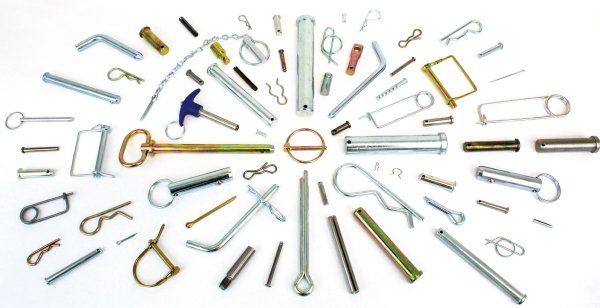
Pin fasteners come in many styles and sizes. Each type serves a unique purpose. Understanding the basics helps you choose the right pin for any job.
Types Of Pin Fasteners
There are several types of pin fasteners. Safety pins are the most common. They have a clasp to protect the sharp point. Another type is the straight pin, used mostly in sewing. Brooch pins are decorative and secure fabric. Each type fits different tasks and materials.
Materials Used
Pin fasteners are made from metal, plastic, or a mix. Metals like steel and brass are strong and rust-resistant. Plastic pins are lightweight and safe for crafts. Some pins have coatings to prevent damage or rust. Material choice affects durability and function.
Design Variations
Designs vary to suit different needs. Some pins have spring mechanisms for easy locking. Others have simple straight shapes for basic use. Decorative pins include colorful heads or patterns. Design changes improve safety, style, or usability.
Common Uses Of Pin Fasteners
Pin fasteners are small but very useful tools. They help join or hold things together. These fasteners come in many shapes and sizes. They serve many purposes in daily life and work. Their simple design makes them easy to use and reliable.
Clothing And Accessories
Pin fasteners hold clothes in place. They keep scarves, shawls, and ties secure. People use them to fix torn fabric temporarily. They also add style to outfits as decorative pieces. Buttons and safety pins are common fasteners in fashion.
Industrial Applications
Industries use pin fasteners to join parts quickly. They help in assembling machines and equipment. These fasteners make repairs easier and faster. They also secure wires and cables safely. Industrial pins must be strong and durable.
Crafts And Diy Projects
Pin fasteners are popular in crafts and hobbies. They hold pieces together while glue or paint dries. People use them in scrapbooking and sewing projects. Pins help create and decorate handmade items. They make DIY work neat and simple.
Benefits Of Using Pin Fasteners
Pin fasteners offer many advantages in various applications. They provide a simple and effective way to join materials securely. Their design allows quick installation and removal without special tools. These benefits make pin fasteners popular in industries and DIY projects.
Ease Of Use
Pin fasteners are very easy to use. They do not require complex tools or skills. Just insert the pin and lock it in place. This saves time and effort during assembly. Anyone can handle pin fasteners with minimal training.
Durability And Strength
Pin fasteners are strong and durable. They hold materials tightly together under stress. Many are made from sturdy metals that resist rust and wear. This strength ensures long-lasting connections in tough conditions.
Cost-effectiveness
Pin fasteners are affordable and reduce overall costs. Their easy installation lowers labor expenses. Durable materials mean fewer replacements and repairs. This makes pin fasteners a budget-friendly choice for many projects.

Credit: www.hlc-metalparts.com
Choosing The Right Pin Fastener
Choosing the right pin fastener is key to a secure and lasting hold. Not all fasteners work for every project. The right choice depends on many factors. These include the type of material, the load it must bear, and safety needs. Picking the correct fastener makes your work stronger and safer.
Matching Fastener To Material
Pin fasteners come in many types and sizes. Each suits certain materials better. Metals, wood, and plastics need different fasteners. Hard materials need strong, sturdy pins. Softer materials require pins that do not damage them. Knowing the material helps pick a fastener that fits perfectly and holds well.
Considering Load And Stress
Think about how much weight the fastener must hold. Light loads need simpler pins. Heavy loads require pins made from stronger metals or with special designs. Stress includes forces like pulling, twisting, or bending. Choose a fastener that can handle these forces without breaking or loosening.
Safety And Security Factors
Safety is vital when choosing fasteners. Some fasteners lock in place to prevent slipping. Others have features that make them easy to remove but hard to lose. Consider where the fastener will be used. In places with vibration or movement, secure locking pins work best. Proper fasteners keep everything safe and steady.
Maintenance And Care
Taking care of a pin fastener is important for its durability and performance. Regular maintenance keeps it working smoothly and prevents damage. Simple steps can extend the life of your fastener and save you money.
Cleaning Tips
Clean the pin fastener after each use. Wipe off dirt and dust with a soft cloth. Use mild soap and water for tougher grime. Avoid harsh chemicals that may damage the metal. Dry the fastener completely to stop moisture buildup.
Preventing Rust And Wear
Rust can weaken the pin fastener and cause failure. Apply a thin layer of oil to metal parts regularly. This blocks moisture and reduces friction. Check for signs of wear and replace worn parts quickly. Keep the fastener dry and avoid exposing it to water.
Storage Recommendations
Store the pin fastener in a dry place. Use a sealed container or toolbox to protect it from dust. Avoid leaving it outside or in damp areas. Organize your tools to prevent the fastener from bending or breaking. Proper storage helps maintain its shape and function.

Credit: www.partmfg.com
Innovations In Pin Fasteners
Pin fasteners have evolved a lot in recent years. New ideas and technology have changed how these small but important items work and look. Innovations focus on making pin fasteners smarter, greener, and more personal. These changes improve their use and appeal.
Smart Fasteners
Smart pin fasteners use new technology to offer extra features. Some have tiny sensors to track if they are locked properly. Others connect to apps for added security or reminders. These smart pins increase safety and convenience in daily use.
Eco-friendly Materials
Many pin fasteners now use eco-friendly materials. Recycled metals and biodegradable plastics reduce waste. These materials still keep pins strong and reliable. Choosing green fasteners helps protect the environment.
Custom Designs
Custom designs let users express their style with pin fasteners. Shapes, colors, and patterns can be tailored for any taste. Personalized fasteners add a unique touch to clothes and accessories. This trend makes pins more than just tools.
Frequently Asked Questions
What Is A Pin Fastener Used For?
A pin fastener secures papers or materials together. It holds items firmly without damaging them. Commonly used in offices, crafts, and fashion. It offers a reusable and convenient fastening solution.
How Does A Pin Fastener Work?
A pin fastener works by piercing materials and locking in place. It creates a secure hold through tension or clasp mechanisms. This prevents items from slipping or falling apart. It’s simple, effective, and easy to use.
What Are Common Types Of Pin Fasteners?
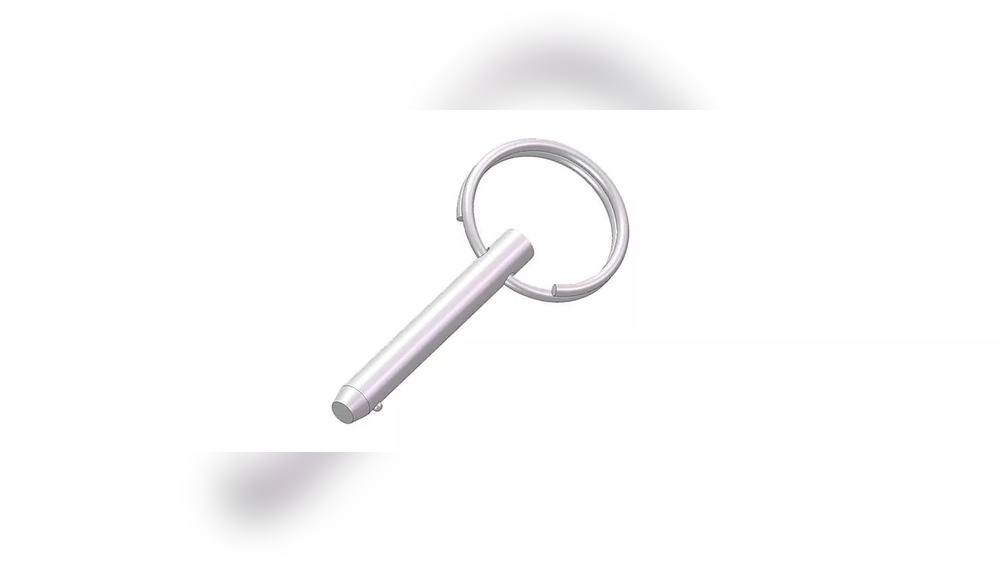
Common types include safety pins, split pins, and clutch pins. Each serves different fastening needs and materials. They vary in size, shape, and locking style. Choosing the right type ensures durability and security.
Are Pin Fasteners Reusable And Durable?
Yes, most pin fasteners are reusable and durable. Made from metal or strong plastic, they withstand repeated use. Proper handling extends their lifespan. They provide an eco-friendly alternative to single-use fasteners.
Conclusion
A pin fastener holds things together quickly and securely. It is simple to use and very useful in many tasks. People rely on it for crafts, clothing, and repairs. Its small size makes it easy to carry and store. Understanding how a pin fastener works helps you choose the right one.
It saves time and effort in daily projects. A basic tool, yet very important in everyday life.