Choosing the right size for your cabinet hardware might seem like a small detail, but it can completely change the look and feel of your space. You want your cabinets to be easy to use, stylish, and perfectly balanced.
But how do you know what size will work best for your cabinets? If you pick hardware that’s too big or too small, it can throw off the entire design or make opening and closing frustrating. Keep reading, and you’ll discover simple tips and expert advice to help you find the perfect cabinet hardware size that fits your needs and style effortlessly.

Credit: www.reddit.com
Choosing Cabinet Hardware Size
Choosing the right size for cabinet hardware is key to both looks and function. The hardware should fit the doors and drawers well. It must also match the style of your cabinets. The right size makes opening and closing easy. It also adds to your kitchen or bathroom’s charm. Small details like this create a big impact.
Common Hardware Sizes
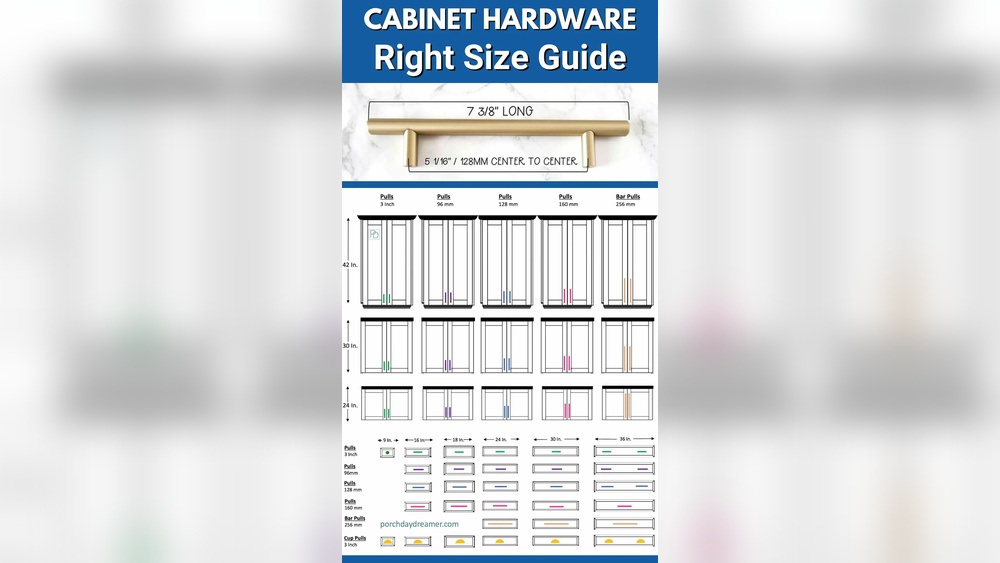
Cabinet hardware comes in many sizes. Pulls usually range from 3 to 6 inches. Knobs are smaller, often 1 to 2 inches wide. The size you pick depends on your cabinet size and style. Larger cabinets often need bigger pulls. Smaller cabinets look best with smaller hardware. The center-to-center measurement is key for pulls. This means the distance between screw holes. Standard sizes include 3, 3.5, 4, and 5 inches. Knowing these sizes helps in choosing the right fit.
Measuring Cabinet Doors And Drawers
Measure your cabinet doors and drawers before buying hardware. Start by measuring the width and height of the door or drawer. This helps decide the right hardware length. For pulls, measure the center-to-center distance of screw holes. If no holes exist, measure the space where you want the hardware. For knobs, measure the flat surface area for placement. Proper measurement avoids hardware that is too big or small. It ensures the hardware fits well and works smoothly.
Matching Hardware To Cabinet Style
Hardware size should match the cabinet style. Traditional cabinets often suit larger, ornate pulls. Modern cabinets look good with sleek, simple hardware. Rustic styles pair well with chunky, rustic knobs or handles. Small hardware can look lost on big, bold cabinets. Large hardware may overwhelm delicate, small cabinets. Consider the cabinet’s material and finish too. The right match makes your cabinets look complete and balanced. Think about how you use the space daily.
Handle And Knob Dimensions
Choosing the right size for cabinet handles and knobs is important. It affects both the look and how easy the cabinet is to use. Handles and knobs come in different sizes to fit various cabinet styles and sizes. Understanding the common dimensions helps you pick the best hardware for your space.
Standard Pull Lengths
Cabinet handles, also called pulls, have standard lengths. The most common sizes are 3 inches, 4 inches, and 5 inches. These measurements refer to the distance between the screw holes, not the total handle length. Larger cabinets usually need longer pulls for better grip. Smaller cabinets or drawers often use shorter pulls to keep proportions balanced.
Knob Diameter Options
Knobs come in many diameters to match different cabinet designs. Common knob sizes range from 1 inch to 1.5 inches in diameter. Smaller knobs suit compact cabinets or drawers. Bigger knobs work well on larger doors or when you want a bold look. The size affects how easy the knob is to hold and turn.
Backplate And Base Size
Some handles and knobs include a backplate or base for extra style and support. Backplates come in various sizes, often larger than the knob or handle itself. They can be square, round, or rectangular. The backplate size should fit the cabinet door without overpowering it. It also helps cover old screw holes or marks on the cabinet surface.
Spacing And Placement Tips
Correct spacing and placement of cabinet hardware improve both look and function. Hardware that is too close or too far apart can feel awkward. Proper positioning helps you open drawers and doors easily. It also makes your cabinets look neat and balanced.
Optimal Handle Spacing
Handles should be spaced evenly to create a clean, organized appearance. For larger cabinets, place handles 3 to 4 inches apart. Smaller cabinets or drawers need 2 to 3 inches of space. Avoid crowding handles near edges or corners. Balanced spacing helps hands grip comfortably.
Positioning On Drawers
Place handles centered on the drawer front. Measure the drawer’s width and mark the middle point. Attach the handle so it sits horizontally across the center line. For deep drawers, place handles near the top edge for easier reach. Consistent placement across drawers creates a smooth look.
Positioning On Doors
Handles should sit near the door’s outer edge. Measure 2 to 3 inches from the top or bottom corner. Position handles vertically to match door height. Keep handles at a comfortable height, usually 30 to 36 inches from the floor. Proper placement makes doors easy to open and close.
Material And Finish Impact
Material and finish play a big role in cabinet hardware size choice. They impact how hardware looks and how long it lasts. Picking the right material and finish helps your cabinets stand out. It also makes sure the hardware fits your kitchen’s style. Each option changes the feel of the space.
How Size Affects Appearance
Larger hardware pieces draw more attention. Small knobs can look neat and subtle. The material shines differently based on size. Shiny finishes on big handles catch the eye fast. Matte finishes on small knobs offer a soft look. Size and material work together for the best look.
Choosing Finish To Match Size
Bright finishes suit bigger hardware well. They add sparkle and make handles pop. Dark or muted finishes fit smaller pieces. They keep the look balanced and calm. Matching finish to size avoids overpowering your cabinets. It creates harmony in your kitchen design.
Durability Considerations
Material choice affects hardware strength. Metal pieces last longer than plastic ones. Bigger hardware needs strong materials to hold up. Finishes also protect from wear and tear. Some finishes resist scratches and fading better. Durable hardware saves money by lasting many years.
Tools For Measuring And Installation
Choosing the right size for cabinet hardware needs careful measuring and precise installation. Using the correct tools helps ensure your cabinets look neat and work well. This section covers the essential tools for measuring and installing cabinet hardware with accuracy and ease.
Measuring Tools Needed
Start with a reliable tape measure. It helps measure drawer or door width and height. A ruler or a small measuring stick works for precise points. A pencil marks drill spots clearly. A level ensures the hardware is straight. These simple tools make measurement easy and accurate.
Template Guides
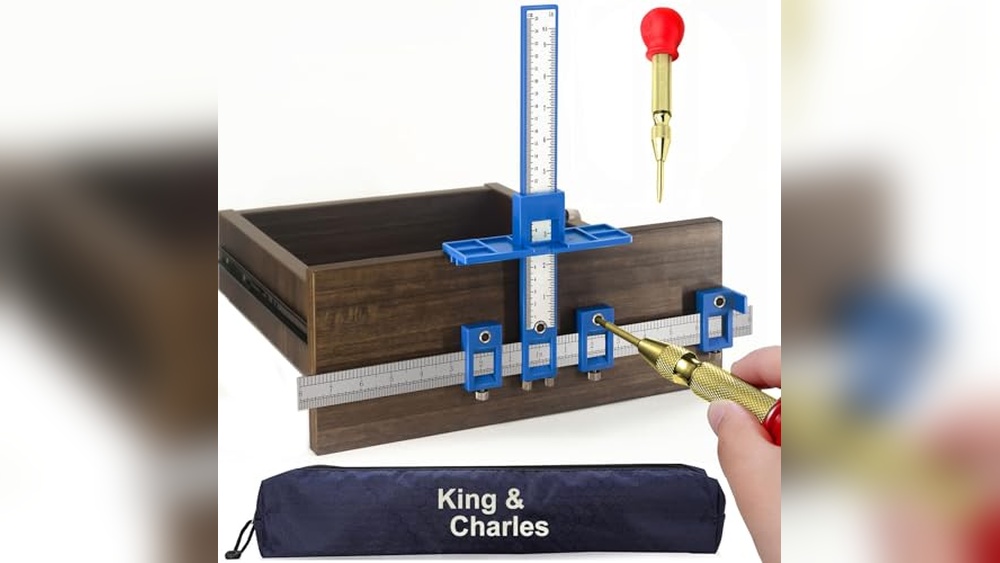
Templates speed up the marking process. They help place holes in the right spots every time. You can buy ready-made templates or make your own with cardboard. Templates reduce mistakes and save time. They are especially useful for multiple cabinets or drawers.
Installation Best Practices
Drill pilot holes before screwing in hardware. This prevents wood from splitting. Use a drill bit slightly smaller than the screw size. Align hardware carefully before tightening screws. Check with a level to keep handles straight. Tighten screws firmly but avoid over-tightening to prevent damage.

Credit: www.dekkorinc.com
Common Mistakes To Avoid
Choosing the right size for cabinet hardware is important. Many people make mistakes that affect the look and function of their cabinets. Avoiding these common errors can help your cabinets look balanced and work well.
Oversized Hardware Issues
Hardware that is too big can overwhelm the cabinet’s style. It can cover important details on the door or drawer. Large hardware may also feel heavy and awkward to use. This can make opening cabinets harder, not easier.
Undersized Hardware Problems
Hardware that is too small can look lost on large cabinets. It may not be easy to grab and pull. Small knobs or pulls can cause frustration, especially in busy kitchens. They also may not support the weight of heavy doors well.
Ignoring Cabinet Proportions
Ignoring the size and style of your cabinets is a common error. Hardware should match the cabinet’s height, width, and design. Small cabinets need delicate hardware. Large cabinets need bold, strong pieces. Proportions help create a pleasing and functional look.
Trends In Cabinet Hardware Sizes
Cabinet hardware sizes have changed a lot in recent years. The right size can change how your kitchen or bathroom looks and feels. Trends now focus on both style and function. Small details make a big difference in the room’s design. People choose sizes based on the overall style they want to create. Here are some popular trends in cabinet hardware sizes today.
Modern Minimalist Sizes
Modern kitchens often use small, simple hardware. Thin handles or tiny knobs create a clean look. Sizes usually range from 3 to 4 inches for pulls. Knobs are often less than 1.5 inches wide. These sizes keep the space feeling open and neat. Minimalist hardware fits well with sleek cabinets and flat surfaces.
Vintage And Oversized Styles
Vintage and farmhouse styles prefer larger hardware. Big knobs and wide pulls add character. Sizes can be 5 to 8 inches or more for pulls. These large sizes make cabinets stand out. They also add a sense of charm and warmth. Oversized hardware works well with rustic or traditional cabinets.
Custom Hardware Options
Custom hardware offers unique sizes for special needs. Some people want unusual shapes or lengths. Custom sizes can fit odd cabinet layouts. They help match personal style exactly. Custom hardware also supports mixing old and new trends. This option allows full control over size and design.

Credit: www.dekkorinc.com
Frequently Asked Questions
What Size Hardware Fits Standard Cabinet Doors?
Standard cabinet doors usually require hardware sized between 3 to 5 inches. This size ensures ease of use and visual balance. Always measure your cabinet style and door thickness before purchasing hardware for the best fit.
How To Measure Cabinet Hardware Size Correctly?
Measure the distance between screw holes on your cabinet door. This distance is the center-to-center measurement, crucial for choosing compatible hardware. Also, consider the overall length for style and functionality.
Does Cabinet Size Affect Hardware Size Choice?
Yes, larger cabinets often need bigger hardware for proportionate aesthetics and better grip. Smaller cabinets usually look best with smaller, more delicate hardware. Always match hardware size to cabinet dimensions for balanced design.
What Is The Standard Screw Hole Spacing For Cabinet Pulls?
The most common screw hole spacing is 3 inches (76mm). However, 2. 5 inches and 4 inches are also popular. Confirm your cabinet’s hole spacing before selecting new hardware.
Conclusion
Choosing the right size for cabinet hardware makes a big difference. Small handles work well on smaller drawers and cabinets. Larger hardware fits better on big doors and wide drawers. Balance size with style and function for the best look.
The right hardware makes cabinets easier to use and more attractive. Remember, simple choices often create the best results. Take your time and pick sizes that feel right in your space. This way, your cabinets will look good and work well every day.