Are you curious about how sheet metal is held together in architecture? Understanding how sheet metal is fastened can change the way you see modern buildings.
Whether you’re planning a project or just want to know more, this guide will show you the simple yet clever methods that keep these metal panels strong and secure. By the end, you’ll see how these techniques not only shape the look of structures but also protect them for years to come.
Ready to discover the secrets behind sheet metal fastening? Let’s dive in!
Credit: ezgmfg.com
Common Sheet Metal Fastening Methods
Sheet metal fastening is key in architecture. It holds metal parts tightly and safely. Different methods suit different needs. Choosing the right one ensures strength and durability.
Fastening methods vary by project size and type. Some need strong joints, others need quick assembly. Understanding common methods helps in making smart choices.
Mechanical Fasteners
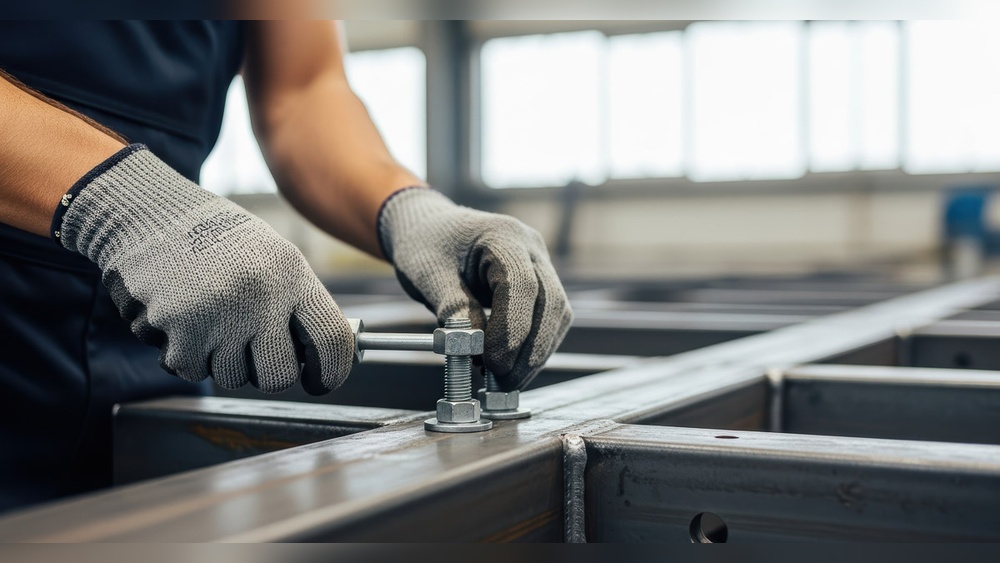
Mechanical fasteners include screws, bolts, and nuts. They join metal pieces by clamping them together. This method allows easy disassembly and repairs. Mechanical fasteners work well for temporary or adjustable joints.
Welding Techniques
Welding melts metal parts to fuse them. It creates strong, permanent joints. Common welding types are MIG, TIG, and spot welding. Welding suits projects needing high strength and tight seals.
Adhesive Bonding
Adhesive bonding uses glue or epoxy to join metals. It distributes stress evenly across the surface. This method avoids holes or distortions in the metal. Adhesive bonding works well with thin or delicate sheets.
Riveting Applications
Riveting joins metal by inserting a metal pin. The pin is deformed to hold parts tightly. Rivets provide strong and lasting connections. This method is common in roofing and cladding.

Credit: www.pemnet.com
Choosing The Right Fastening Technique
Choosing the right fastening technique for sheet metal in architecture is crucial. The wrong choice can lead to weak joints or damage. The right method ensures strength, durability, and safety. Several factors influence this decision. These include material type, stress levels, environment, and cost. Understanding these can help select the best fastening option.
Material Compatibility
Fasteners must match the sheet metal material. Steel and aluminum need different types. Using the wrong fastener can cause corrosion or failure. Consider the metal’s thickness and hardness too. Some fasteners work better with thin sheets. Others suit thicker or layered metals. Proper compatibility avoids damage and extends structure life.
Load And Stress Considerations
Sheet metal must handle various forces. Fasteners should support tension, shear, and vibration. Heavy loads need stronger or multiple fasteners. Light loads allow simpler options. Stress areas require special attention. Choose fasteners that resist loosening over time. This maintains the metal’s stability and safety.
Environmental Factors
Outdoor or humid environments affect fastener choice. Moisture can cause rust or corrosion. Use fasteners made from stainless steel or coated metals. Temperature changes may expand or contract materials. Flexible fasteners can absorb this movement. Environmental resistance keeps joints intact and prevents leaks.
Cost And Efficiency
Budget plays a role in choosing fasteners. Some types cost more but last longer. Others are cheaper but need frequent maintenance. Consider installation time as well. Quick and easy fastening saves labor costs. Balance price with durability and work speed. This leads to smart, cost-effective choices.
Tools And Equipment For Fastening
Fastening sheet metal in architecture requires specific tools and equipment. These tools ensure strong, secure joints. The choice depends on the project size, metal type, and fastening method. Proper tools make work faster and safer. Below are common tools used in sheet metal fastening.
Hand Tools
Hand tools are basic yet essential for sheet metal fastening. Common hand tools include hammers, pliers, and screwdrivers. Tin snips cut metal sheets to size. Rivet guns join metal pieces with rivets. Hand tools offer control and precision in small tasks.
Power Tools
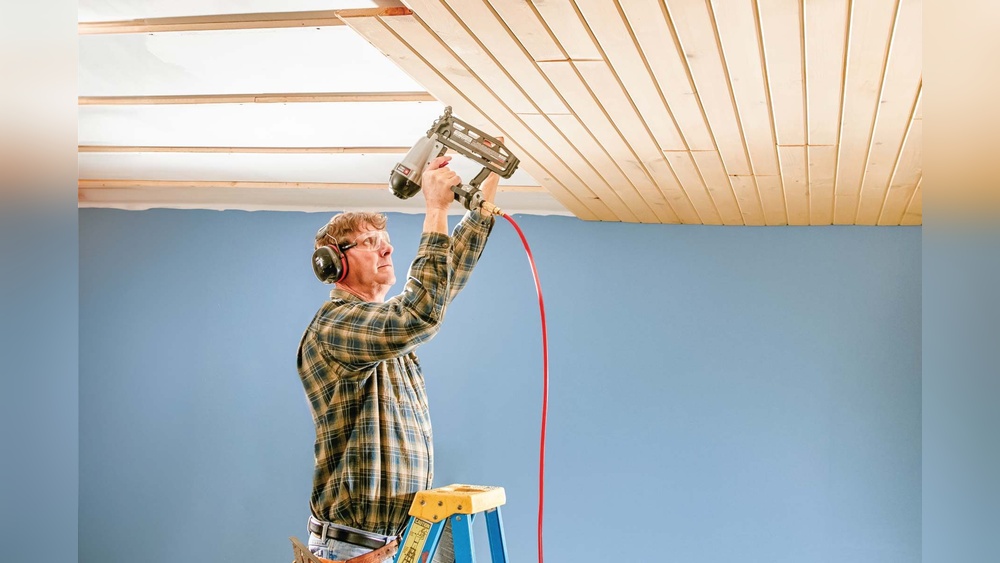
Power tools speed up fastening and reduce effort. Cordless drills drive screws quickly into metal. Impact drivers provide extra torque for tough fasteners. Electric riveters help install rivets faster than manual ones. Power tools increase productivity on large projects.
Specialized Machinery
Specialized machinery handles heavy-duty fastening jobs. Pneumatic rivet guns use air pressure for fast, strong joints. Sheet metal clinchers join pieces without welding or screws. Automated fastening machines work well for mass production. These machines improve accuracy and save time.
Innovations In Sheet Metal Fastening
Sheet metal fastening has seen many changes. New methods improve strength and speed. These innovations help architects and builders create better structures. Modern techniques reduce labor and material costs. They also offer cleaner, more precise joints. Fastening sheet metal is now safer and more reliable.
Advanced Adhesives
Advanced adhesives bond metal without drilling holes. They spread load evenly, reducing stress on metal. These adhesives resist water, heat, and chemicals well. They help join different metals or materials. Using adhesives cuts down on noise and vibration. This method keeps metal surfaces smooth and clean.
Laser Welding
Laser welding joins metal parts with a focused beam. It creates very strong, tight seams. The process is fast and precise, with little heat damage. It works well on thin and thick metals. Laser welding reduces the need for extra materials. This technique is ideal for complex shapes and designs.
Self-piercing Rivets
Self-piercing rivets join metal sheets without pre-drilling. They pierce and lock metal layers in one step. This method speeds up assembly and reduces labor. Rivets provide strong, durable joints that resist vibration. They work well with coated or painted surfaces. Self-piercing rivets help maintain metal’s protective finishes.
Troubleshooting Common Issues
Troubleshooting common issues in sheet metal fastened architecture helps maintain durability and performance. Problems often arise from material damage, rust, or weak joints. Identifying and fixing these problems early prevents costly repairs and extends the structure’s life.
Avoiding Material Deformation
Sheet metal can bend or warp during fastening. Using the right tools and techniques reduces this risk. Avoid over-tightening screws or bolts. Apply even pressure across the metal surface. Choose fasteners that match the metal thickness and type. Support the metal properly during installation to keep its shape intact.
Preventing Corrosion
Corrosion weakens metal and causes leaks or breaks. Use fasteners made from rust-resistant materials like stainless steel. Apply protective coatings on both metal and fasteners. Seal joints with waterproof materials to keep moisture out. Regular inspections catch early signs of rust. Fix any damaged coatings or seals quickly to stop corrosion spread.
Ensuring Structural Integrity
Strong connections keep sheet metal structures safe and stable. Check that fasteners fit tightly but do not distort the metal. Replace any loose or missing fasteners immediately. Use washers to distribute pressure evenly. Follow manufacturer guidelines for spacing and types of fasteners. Regularly inspect joints for signs of wear or movement.
Credit: www.owenscorning.com
Safety Practices During Fastening
Safety is very important when fastening sheet metal in architecture. Workers face risks from sharp edges, heavy tools, and flying debris. Following safety practices helps prevent accidents and injuries. These practices protect everyone on the site and keep the work smooth.
Personal Protective Equipment
Wearing the right gear is the first step to stay safe. Gloves protect hands from cuts and burns. Safety glasses shield eyes from metal shards. Hard hats prevent head injuries. Steel-toed boots guard feet from falling objects. Always use PPE before starting any fastening task.
Safe Tool Operation
Tools must be handled carefully to avoid harm. Check tools before use to ensure they work well. Hold tools firmly and use the correct speed. Never remove safety guards from power tools. Keep hands away from moving parts. Turn off tools when not in use.
Worksite Safety Measures
Keep the work area clean and organized. Remove debris and scrap metal regularly. Mark hazardous zones clearly to warn others. Use barriers to protect people nearby. Make sure lighting is good to see clearly. Train workers on emergency procedures and first aid.
Frequently Asked Questions
What Are Common Methods For Fastening Sheet Metal In Architecture?
Common methods include riveting, welding, bolting, and using screws. Each technique offers different strength and flexibility for architectural needs. The choice depends on the project’s structural requirements and aesthetic goals.
How Does Riveting Work In Sheet Metal Architecture?
Riveting joins metal sheets by inserting a metal pin through aligned holes. The rivet is then deformed to hold the sheets tightly. It provides a strong, permanent, and vibration-resistant connection.
Why Is Welding Preferred For Sheet Metal Fastening?
Welding fuses metal pieces together using heat, creating a strong, seamless bond. It is ideal for load-bearing structures and offers durability and corrosion resistance. Welding also enhances the architectural design’s clean appearance.
Can Screws Be Used To Fasten Sheet Metal Externally?
Yes, screws are often used for external fastening because they are easy to install and remove. They provide flexibility for maintenance and adjustments while ensuring a secure hold for sheet metal panels.
Conclusion
Sheet metal fastening plays a key role in building strong architecture. It holds materials tightly and keeps structures safe. Different methods like welding, screwing, and riveting work well. Each method fits different needs and materials. Choosing the right fastening improves durability and design.
Proper fastening also helps with weather resistance. Understanding these basics helps in making smarter building choices. Solid connections mean longer-lasting buildings and fewer repairs. Simple but effective techniques make a big difference in construction.