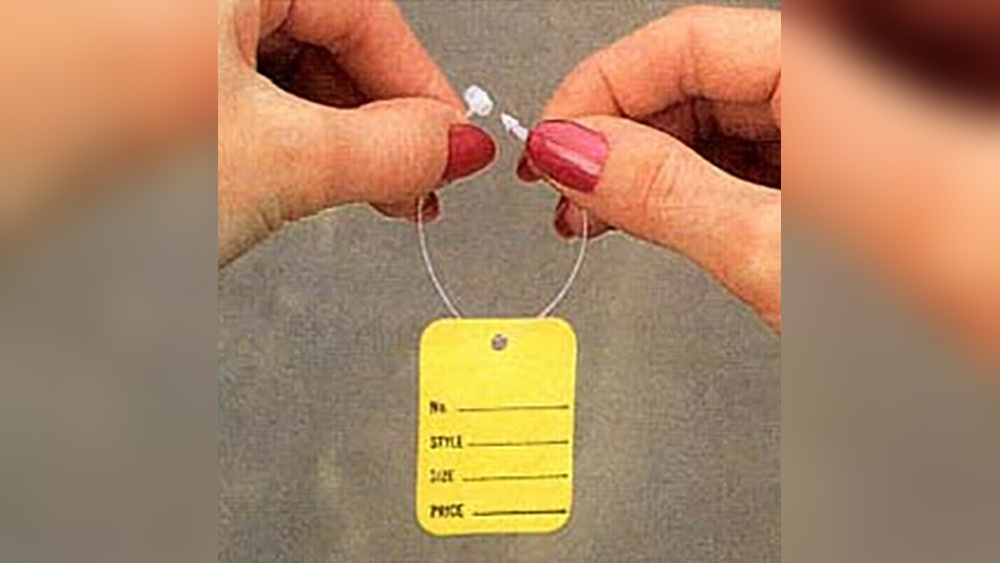
Have you ever stopped to think about the simple action that keeps your clothes, furniture, or even machines securely in place? That action is called fastening.
But what exactly is fastening, and why does it matter so much in your daily life? Understanding this small but powerful concept can change the way you see the world around you. You’ll discover the true meaning of fastening and how it plays a crucial role in everything you use every day.
Keep reading, and you’ll never take fastening for granted again.
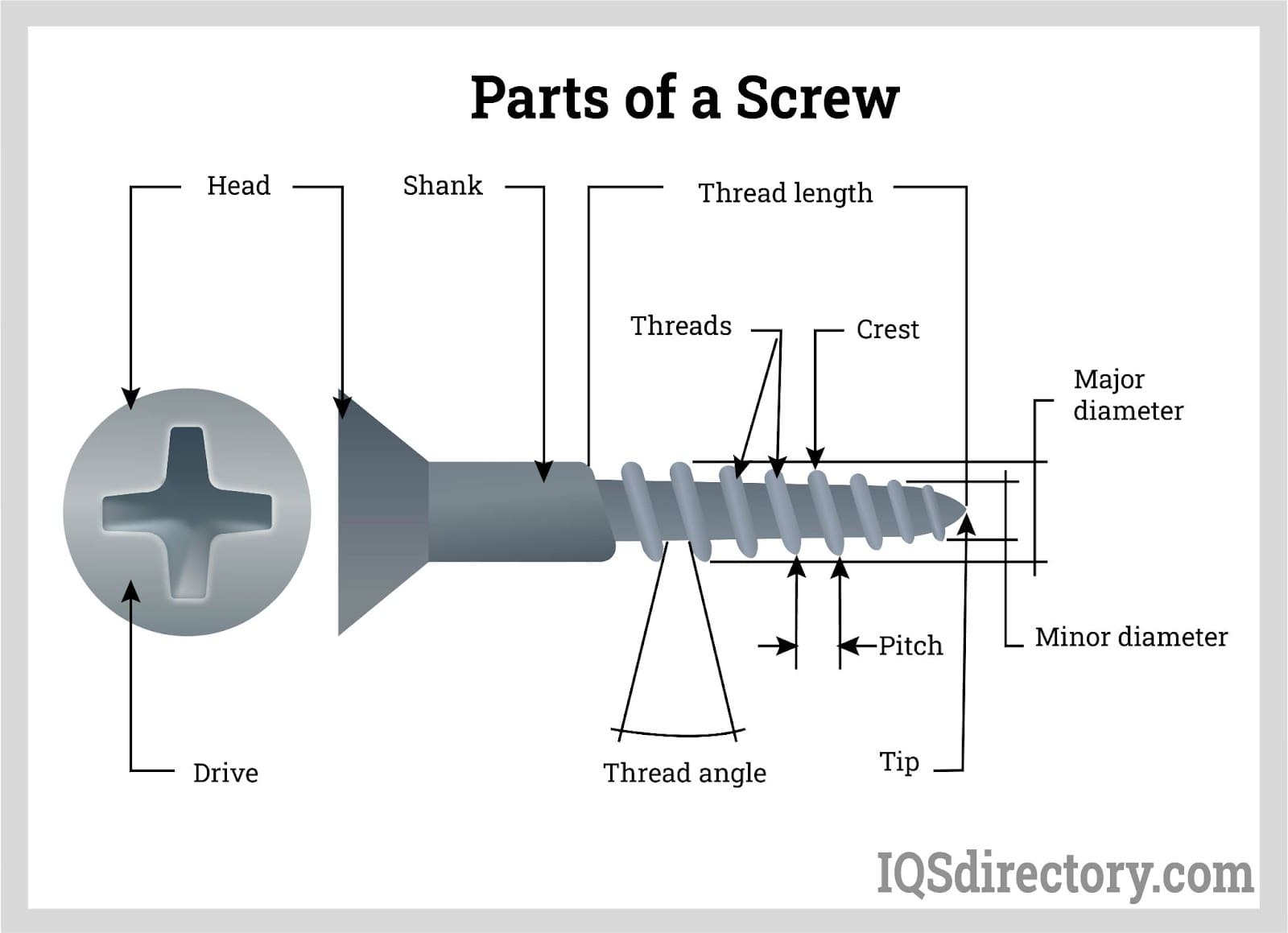
Credit: www.iqsdirectory.com
Fastening Basics
Fastening is a basic skill in many crafts and industries. It holds parts together to make objects stable and useful. Understanding how fastening works helps in many projects.
Fastening involves joining two or more items. The items stay connected under stress or movement. This keeps structures strong and safe.
Purpose Of Fastening
The main goal of fastening is to join parts securely. It stops objects from falling apart or moving apart. Fastening also helps in building and repairing things.
It allows easy assembly and disassembly. This is useful for maintenance and transport. Fastening keeps everything tight and in place.
Common Fastening Methods
There are many ways to fasten objects. Screws and nails are popular for wood and metal. They hold parts tightly with threads or sharp points.
Bolts and nuts provide strong, removable joints. They are common in machines and vehicles. Rivets create permanent connections, often in metal sheets.
Glue and tape join surfaces without holes. They work well for light materials and crafts. Clips and clamps hold parts temporarily during work.

Credit: www.youtube.com
Types Of Fasteners
Fastening is the process of joining two or more objects securely. Different types of fasteners serve various purposes in construction, manufacturing, and everyday use. Choosing the right fastener depends on the materials, strength needed, and the environment.
Mechanical Fasteners
Mechanical fasteners join parts using physical force. Common types include screws, bolts, nuts, and nails. They are easy to install and remove. These fasteners hold materials tightly without altering their structure. They work well with wood, metal, and plastic.
Adhesive Fasteners
Adhesive fasteners use glue or bonding agents. They stick surfaces together by chemical or physical bonds. These fasteners are useful for delicate materials. They provide a smooth finish without holes or marks. Adhesives can resist water, heat, and vibration.
Welding And Soldering
Welding and soldering join metals by melting them together. Welding melts the base metals to form a strong bond. Soldering uses a filler metal with a lower melting point. Both create permanent joins. They are ideal for heavy-duty or high-strength applications.
Materials Used In Fasteners
Fasteners connect parts and hold objects together. The materials used in fasteners affect their strength, durability, and use. Choosing the right material helps fasteners perform well under different conditions. Some materials resist rust, while others offer flexibility or light weight. Understanding these materials helps pick the best fastener for each job.
Metal Fasteners
Metal fasteners are the most common type. Steel is strong and can handle heavy loads. Stainless steel resists rust and works well outdoors. Aluminum is lightweight and resists corrosion but is less strong. Brass offers good corrosion resistance and looks attractive. Metal fasteners suit tough and long-lasting needs.
Plastic Fasteners
Plastic fasteners are light and resist chemicals. They do not rust or conduct electricity. Nylon is a popular plastic for fasteners due to its strength and flexibility. Plastic fasteners work well in electronics and light applications. They are not as strong as metal but can be easier to use.
Specialty Materials
Some fasteners use specialty materials for unique needs. Titanium is strong, light, and resists corrosion, often used in aerospace. Copper fasteners conduct heat and electricity well. Composite materials combine strength and low weight. Specialty fasteners fit specific tasks where normal materials fail.

Credit: en.wikipedia.org
Choosing The Right Fastener
Choosing the right fastener is key to a strong and lasting connection. Every project has unique needs. Picking the correct fastener prevents failures and saves time and money.
Consider important factors before deciding. This helps match the fastener to the job perfectly. Quality fastening ensures safety and durability.
Load And Strength Considerations
Fasteners must handle the weight and force applied. Heavy loads need strong bolts or screws. Small loads can use lighter fasteners. Always check the strength rating before use.
Environmental Factors
Weather and conditions affect fastener choice. Outdoor projects need rust-resistant materials. Moist or wet areas require corrosion-proof fasteners. Choose materials that last in the given environment.
Application Specifics
The type of materials being joined matters. Wood, metal, and plastic each need different fasteners. Consider size, shape, and movement in the joint. Proper fit ensures a secure hold without damage.
Fastening Techniques
Fastening techniques are essential for joining materials securely. These methods hold parts together to create strong, lasting connections. Choosing the right technique affects the strength and durability of your project. Understanding different tools and methods helps in achieving better results.
Hand Tools And Power Tools
Hand tools like screwdrivers, hammers, and wrenches are common for fastening tasks. They offer control and precision for small or delicate jobs. Power tools, such as drills and impact drivers, speed up the process. These tools handle tougher materials and larger projects efficiently. Knowing when to use hand or power tools improves work quality.
Proper Installation Methods
Proper installation ensures fasteners hold materials firmly without damage. Always align parts before fastening to avoid misfits. Use the correct size and type of fastener for each material. Tighten fasteners just enough to hold parts together. Over-tightening can strip threads or break materials.
Common Mistakes To Avoid
Using the wrong fastener weakens the joint and can cause failure. Avoid over-tightening, which damages materials and fasteners. Skipping pilot holes leads to cracks in wood or splitting. Mixing different metals may cause rust or corrosion. Not checking tool condition results in poor fastening performance.
Fastening In Different Industries
Fastening plays a key role across many industries. It helps join parts securely and ensures structures hold together. Different industries use various fastening methods based on their needs. These methods provide strength, safety, and ease of assembly.
Understanding how fastening works in each industry shows its importance. Each field has unique demands that affect the type of fasteners used. The choice depends on materials, load, and environment.
Construction
Construction uses fasteners like nails, screws, and bolts. They connect wood, metal, and concrete parts. Fastening ensures buildings stay stable and safe. Some fasteners resist weather and heavy loads. Quick and strong fastening speeds up construction work.
Automotive
Fastening in automotive holds engine parts, seats, and panels. It must endure vibration and heat. Bolts and rivets are common fasteners in cars. They keep parts secure during movement. Proper fastening improves vehicle safety and performance.
Electronics
Electronics use tiny screws and clips to join components. Fastening prevents damage from drops and shocks. It also allows easy repair and upgrades. Materials must be non-conductive and heat-resistant. Fastening helps keep devices compact and reliable.
Furniture
Furniture relies on screws, dowels, and brackets. Fastening holds pieces together for durability. It allows easy assembly and disassembly. Fasteners must be strong but hidden for a clean look. Good fastening ensures furniture lasts long and stays stable.
Innovations In Fastening
Fastening has evolved greatly with new technology and ideas. Modern fasteners are smarter, greener, and stronger. These changes improve how we build and repair things every day.
Smart Fasteners
Smart fasteners include sensors to check tightness and stress. They send data to devices, helping prevent failures. These fasteners improve safety in cars, planes, and bridges.
Eco-friendly Solutions
Eco-friendly fasteners use recycled or biodegradable materials. They reduce waste and pollution in factories and construction. These solutions help protect the planet for future generations.
Advanced Materials
Advanced materials like titanium and carbon fiber make fasteners strong and light. They resist rust and wear better than traditional metals. This means longer-lasting products and less maintenance.
Frequently Asked Questions
What Does Fastening Mean In Everyday Use?
Fastening means joining or securing two or more objects together. It ensures stability and prevents movement or separation.
Why Is Fastening Important In Construction?
Fastening holds structural components firmly. It guarantees safety, strength, and durability in buildings and infrastructure.
What Are Common Types Of Fastening Methods?
Common methods include screws, nails, bolts, clips, and adhesives. Each suits different materials and purposes.
How Does Fastening Differ From Joining?
Fastening is usually temporary or adjustable, while joining is often permanent, like welding or gluing.
Conclusion
Fastening means joining two or more things tightly together. It helps keep objects safe and steady. People use different types of fasteners like screws, nails, or buttons. Each type fits a certain need or material. Knowing what fastening means makes daily tasks easier.
It also helps in fixing, building, and crafting. Simple but important. Fastening holds many things in place. It’s a small action with big results. Understanding fastening adds value to your work and life.