Choosing the right fasteners for aluminum can make all the difference in your project’s strength and durability. If you’ve ever struggled with screws that strip easily or bolts that loosen over time, you know how frustrating it can be.
But don’t worry—understanding which fasteners work best with aluminum will save you time, effort, and costly repairs. You’ll discover simple, clear advice on picking the perfect fasteners to match your aluminum needs, so your work stays secure and lasts longer.
Keep reading to make sure your next project is built to hold strong.
Credit: www.tannerbolt.com
Choosing Fasteners For Aluminum
Choosing the right fasteners for aluminum is important for a strong and lasting bond. Aluminum is soft and lightweight, so fasteners must match its properties. Picking the wrong fastener can cause damage or failure.
This section explains key factors to consider when selecting fasteners for aluminum. These factors help ensure the fasteners work well with aluminum in different conditions.
Material Compatibility
Fasteners must be compatible with aluminum to avoid damage. Metals that react with aluminum cause corrosion or rust. Stainless steel fasteners work well with aluminum. They do not cause chemical reactions. Avoid using carbon steel fasteners unless coated or treated.
Corrosion Resistance
Aluminum resists corrosion, so fasteners should too. Choose fasteners with good corrosion resistance to last longer. Stainless steel or aluminum fasteners resist rust and weather well. Avoid fasteners that can rust and weaken over time. Use fasteners with protective coatings in harsh environments.
Strength Requirements
The fastener must be strong enough for the job. Aluminum is soft, so use fasteners that hold tight without damaging it. High-strength steel fasteners can be too hard and cause cracks. Choose fasteners that balance strength and gentleness. Consider the load and stress the fastener will face.
Common Fastener Types
Fasteners are essential for joining aluminum parts securely. Choosing the right type affects strength and durability. Some fasteners work better with aluminum due to its softness and corrosion resistance. Understanding common fastener types helps in making the best choice for your project.
Bolts And Screws
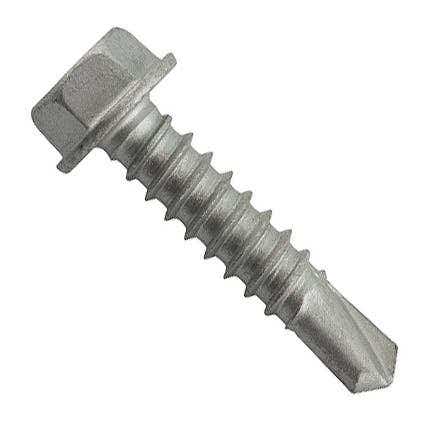
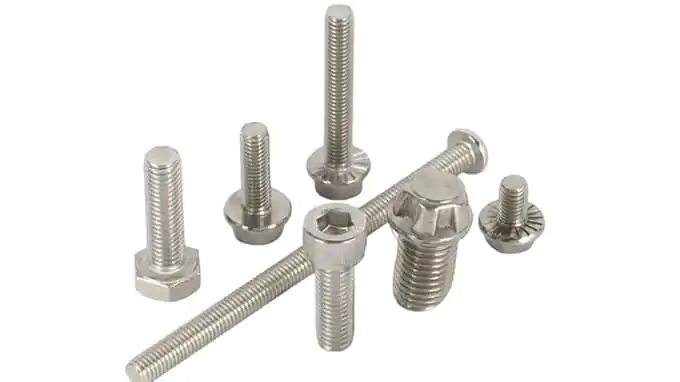
Bolts and screws are popular for fastening aluminum. They provide strong, removable joints. Stainless steel or coated bolts resist corrosion well. Use machine screws for precise, threaded holes. Self-tapping screws create threads in softer aluminum. Choose the right size to avoid damaging the material.
Rivets
Rivets offer a permanent fastening solution. They work well in thin aluminum sheets. Blind rivets are common for hard-to-reach spots. Aluminum rivets prevent galvanic corrosion with aluminum parts. Riveting creates strong joints without threads or nuts. Ideal for lightweight and vibration-resistant connections.
Nuts And Washers
Nuts secure bolts and screws tightly. Nylon-insert nuts help prevent loosening in vibrations. Flat washers distribute pressure evenly on aluminum surfaces. Use stainless steel or aluminum nuts to avoid corrosion. Lock washers add extra grip for strong joints. Proper nuts and washers extend fastener life.
Best Materials For Aluminum Fasteners
Choosing the right fastener material is crucial for aluminum projects. The fastener must resist corrosion and match aluminum’s strength. Using the wrong material can cause damage or failure. Below are three top options for aluminum fasteners that perform well in most conditions.
Stainless Steel
Stainless steel fasteners resist rust and corrosion effectively. They are strong and hold up well outdoors. They do not react badly with aluminum in most environments. Use stainless steel for durability and long-lasting connections.
Aluminum Fasteners
Aluminum fasteners match the base metal perfectly. They prevent corrosion caused by different metals touching. These fasteners are lightweight and easy to work with. Best for projects where weight matters and corrosion must be minimal.
Titanium Options
Titanium fasteners combine strength and corrosion resistance. They are lighter than steel but stronger than aluminum. Ideal for high-performance or marine applications. Titanium lasts long and avoids rust with aluminum parts.
Credit: hrfastener.com
Preventing Galvanic Corrosion
Galvanic corrosion happens when aluminum touches a different metal. This causes the metals to react and corrode faster. Preventing this problem is key to keeping aluminum parts strong and lasting longer. Using the right methods stops damage and saves repair costs.
Insulating Techniques
Keep metals from touching directly. Use plastic washers or rubber gaskets between aluminum and other metals. This stops electric flow that causes corrosion. Insulation blocks moisture and air, which speed up corrosion. Simple barriers work well in most cases.
Coatings And Treatments
Apply protective coatings to aluminum and fasteners. Paint, powder coating, or anodizing create a strong shield. These layers keep metals apart and stop moisture contact. Coatings slow corrosion and extend metal life. Regular inspection helps maintain the coatings.
Proper Fastener Selection
Choose fasteners that match aluminum’s corrosion resistance. Stainless steel or aluminum fasteners work best. Avoid using carbon steel, which rusts easily near aluminum. Use fasteners with a similar electrochemical potential. Correct fastener choice prevents galvanic corrosion from starting.
Installation Tips For Strong Bonds
Creating a strong bond between fasteners and aluminum requires careful installation. Proper steps help prevent damage and ensure lasting strength. Follow these tips to improve your fastening results and keep connections tight.
Torque Specifications
Applying the right torque is crucial for a secure fit. Too much force can strip threads or warp aluminum. Too little torque may cause fasteners to loosen over time. Always use a torque wrench and follow manufacturer guidelines. This practice guarantees consistent pressure and prevents damage.
Surface Preparation
Clean surfaces lead to better adhesion and tighter bonds. Remove dirt, oil, and oxidation before fastening. Use a mild solvent or a soft brush to clean the aluminum. Dry the area completely to avoid moisture trapping. A smooth, clean surface helps fasteners grip firmly.
Use Of Sealants
Sealants protect joints from corrosion and water damage. Choose sealants compatible with aluminum and fasteners. Apply a thin, even layer around the fastener threads. Sealants also help prevent loosening caused by vibrations. Proper sealing extends the lifespan of the bond.

Credit: home.howstuffworks.com
Special Considerations For Thin Aluminum
Thin aluminum requires special care during fastening. Its lightweight and delicate nature can cause damage if the wrong fasteners are used. Choosing the right fastener helps keep the metal strong and intact.
Avoiding Deformation
Thin aluminum bends and dents easily under pressure. Use fasteners that spread force evenly. Flat washers help protect the surface from indentation. Tighten screws gently to avoid crushing the metal. Avoid overdriving screws, which can cause warping.
Choosing Self-tapping Screws
Self-tapping screws work well with thin aluminum. They create their own thread without pre-drilling. Use screws with sharp, fine threads for better grip. Select screws made from materials that resist corrosion. Avoid large diameter screws to reduce stress on the metal.
Using Rivets Effectively
Rivets provide a strong, vibration-resistant hold. Blind rivets suit thin aluminum sheets best. Use rivets sized correctly for the thickness. Place rivets close enough to avoid gaps but far enough to prevent cracking. Proper installation tools ensure tight, secure fastening.
Maintenance And Inspection
Maintaining and inspecting fasteners used with aluminum is crucial for safety and durability. Regular care prevents damage and keeps connections strong. Neglecting this can lead to failures that cost time and money. Simple checks help spot problems early. This section explains how to keep fasteners in good shape.
Regular Checks
Check fasteners often, especially in harsh environments. Look for signs of corrosion or loosening. Tighten any fasteners that feel loose. Use a torque wrench for accurate tightening. Keep the area clean to avoid dirt buildup. Regular checks extend the life of fasteners and aluminum parts.
Signs Of Wear
Watch for rust, cracks, or discoloration on fasteners. Notice if the aluminum around the fastener shows wear or damage. Look for stripped threads or bent parts. Any change in color or shape can signal a problem. Early detection helps avoid bigger repairs later.
Fastener Replacement
Replace fasteners showing signs of wear immediately. Use fasteners made of compatible materials, like stainless steel or coated steel. Avoid mixing metals that cause corrosion. Always choose the right size and type for your project. Proper replacement ensures long-lasting and safe connections.
Frequently Asked Questions
What Types Of Fasteners Work Best With Aluminum?
Stainless steel and aluminum fasteners work best with aluminum. They prevent galvanic corrosion and ensure strong, lasting connections. Avoid using carbon steel fasteners, as they can cause rust and damage aluminum surfaces over time.
Can I Use Stainless Steel Screws With Aluminum?
Yes, stainless steel screws are ideal for aluminum. They resist corrosion and provide durability. Their compatibility minimizes the risk of galvanic corrosion, making them a reliable choice for aluminum assemblies.
Why Avoid Using Carbon Steel Fasteners On Aluminum?
Carbon steel fasteners can cause galvanic corrosion when paired with aluminum. This leads to rust and weakens the joint. Using corrosion-resistant fasteners like stainless steel helps maintain aluminum’s integrity and longevity.
Are Self-tapping Screws Suitable For Aluminum?
Self-tapping screws are suitable if they are made of stainless steel or aluminum. They create strong threads without pre-drilling and reduce assembly time. Ensure the screw material matches aluminum to avoid corrosion issues.
Conclusion
Choosing the right fasteners keeps aluminum strong and lasting. Use stainless steel or coated fasteners to stop rust. Match fastener size with the aluminum thickness for best hold. Avoid mixing metals that cause corrosion and damage. Good fastener choices save time and prevent repairs.
Simple steps lead to solid, safe aluminum projects. Keep these tips in mind for your next build.