Are you struggling to remove Hi Lok fasteners and don’t know where to start? These small but tough fasteners can be tricky to handle if you’re not familiar with the right tools and techniques.
But don’t worry—this guide will walk you through simple, step-by-step methods to get the job done quickly and safely. By the end, you’ll feel confident tackling Hi Lok fasteners without damaging your materials or wasting time. Keep reading to discover the easiest way to remove them like a pro.

Credit: www.youtube.com
Tools Needed
Removing Hi Lok fasteners requires specific tools to do the job safely and correctly. Using the right equipment ensures the fasteners come out without damage to the parts or yourself. Prepare your workspace with all the necessary tools before starting the removal process.
Essential Equipment
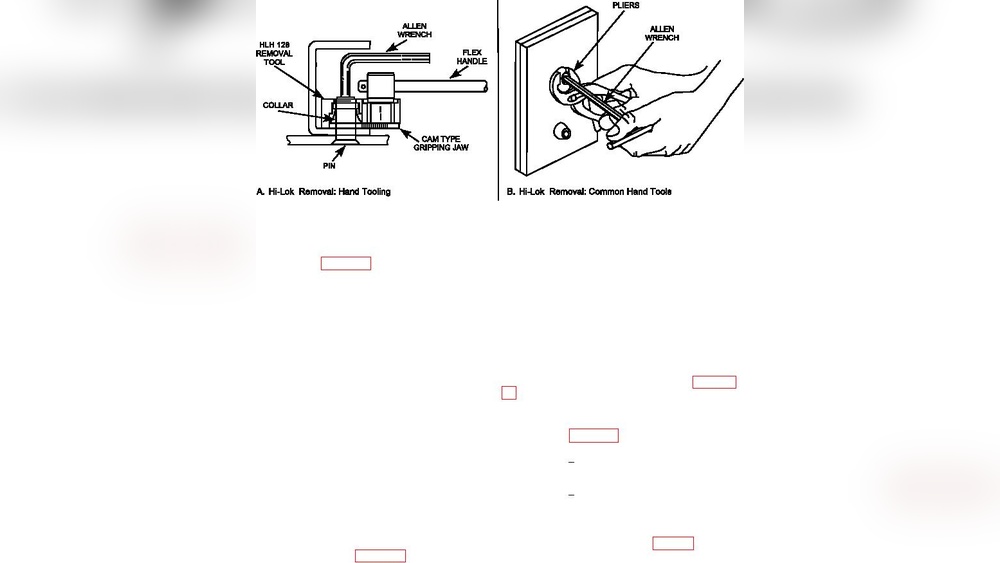
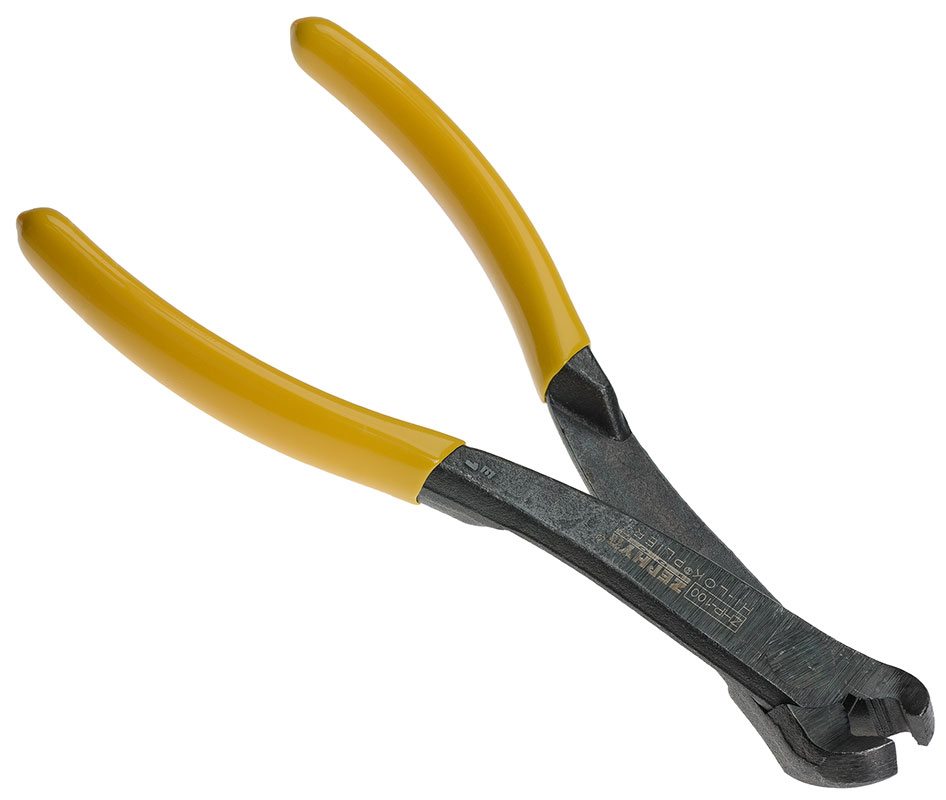
You need a Hi Lok removal tool designed for these fasteners. A torque wrench helps apply the right force. Needle-nose pliers assist in gripping small parts. A screwdriver may be useful for prying loose components carefully. Keep a clean cloth nearby to wipe dirt and grease from the fasteners. Have a small container ready to hold removed fasteners safely.
Safety Gear
Wear safety glasses to protect your eyes from flying debris. Gloves protect your hands from sharp edges and dirt. Use ear protection if working in a noisy environment. Proper clothing prevents cuts or scrapes during the work. Always work in a well-lit area to see details clearly. Safety gear keeps you safe and comfortable throughout the task.
Preparing For Removal
Preparing for the removal of Hi Lok fasteners is a key step to ensure safety and efficiency. Proper preparation helps avoid damage to parts and tools. It also makes the removal process smoother and faster.
Start by closely examining the fastener and the surrounding area. Knowing the condition of the fastener guides you on the right removal method. Next, clean the fastener and its area to remove dirt and debris. Clean surfaces help tools grip better and reduce the risk of slippage.
Inspecting The Fastener
Look at the fastener carefully. Check for signs of wear, rust, or damage. Notice if the fastener is tight or loose. Identify the type and size of the Hi Lok fastener. This information helps in choosing the correct tools for removal. Also, check if the fastener has a break or shear point. This is important to know before applying force.
Cleaning The Area
Remove dirt and grease around the fastener. Use a brush or cloth to clean the surface. Avoid using water directly on sensitive parts. If needed, use a mild solvent to dissolve tough grime. Clean areas prevent tools from slipping during removal. Keep the workspace tidy to avoid mistakes. Clean surroundings also protect other components from damage.
Removing The Fastener
Removing Hi Lok fasteners requires care and the right method. These fasteners hold parts tightly. Removing them without damage is important. Follow simple steps to take them out safely.
Aligning The Removal Tool
Start by placing the removal tool straight on the fastener. The tool must fit the fastener head perfectly. Misalignment can cause damage to the tool and fastener. Hold the tool steady to avoid slipping. Proper alignment makes removal easier and safer.
Applying Correct Pressure
Use steady pressure when turning the tool. Too much force can strip the fastener head. Too little force may not loosen it. Apply just enough pressure to turn the fastener smoothly. Keep your hand firm but gentle.
Avoiding Common Mistakes
Do not rush the removal process. Avoid using wrong tools or damaged ones. Never force the fastener if it resists. Forcing can break the fastener or damage parts. Take time and follow steps carefully for best results.
Credit: www.aircraft-tool.com
Handling Stuck Fasteners
Stuck Hi Lok fasteners can be tough to remove. They often resist normal tools and methods. Careful handling prevents damage to the fastener and surrounding parts. Use gentle, step-by-step techniques to loosen them. Patience is key for best results.
Using Penetrating Oils
Apply penetrating oil to the stuck fastener. Let it soak for at least 15 minutes. The oil seeps into tight spaces and loosens rust or dirt. Use a brush or spray for even coverage. Repeat application if the fastener remains tight.
Tapping Techniques
Tap the fastener lightly with a hammer or mallet. This vibration can break rust or corrosion bonds. Avoid heavy hits to prevent damage. Tap around the fastener to loosen it evenly. Use a punch tool for precise tapping on the head.
When To Use Heat
Heat expands metal and can free stuck fasteners. Use a heat gun or small torch carefully. Heat the fastener for a short time only. Avoid overheating nearby materials or fastener threads. Allow the fastener to cool slightly before trying removal again.
Post-removal Tips
After removing Hi Lok fasteners, follow key steps to ensure safety and efficiency. Proper post-removal care protects parts and prepares them for reuse or disposal. Take time to inspect, store, and get ready for reinstallation.
Inspecting The Fastener And Components
Check the fastener carefully for any damage. Look for cracks, bends, or wear on the pin and collar. Inspect the surrounding parts for signs of stress or damage. Replace any damaged components to avoid future failures. A thorough inspection ensures safe and reliable use.
Storing Or Disposing
Store fasteners in a clean, dry place to prevent rust. Keep them organized by size and type for easy access. Dispose of damaged or worn fasteners according to local regulations. Proper storage and disposal keep your workspace safe and efficient.
Preparing For Reinstallation
Clean fasteners before reinstalling to remove dirt and debris. Check that all parts fit correctly without forcing them. Use the correct tools and follow manufacturer guidelines during reinstallation. Proper preparation helps maintain fastener performance and longevity.

Credit: www.youtube.com
Frequently Asked Questions
What Tools Are Needed To Remove Hi Lok Fasteners?
To remove Hi Lok fasteners, you need a Hi Lok wrench or a special Hi Lok removal tool. A torque wrench may be required for accurate disassembly. Using the right tools ensures safe and efficient removal without damaging the fastener or surrounding material.
Can Hi Lok Fasteners Be Reused After Removal?
Hi Lok fasteners are generally not reusable after removal. Removing them can damage the locking mechanism. It’s best to replace them with new fasteners to maintain joint integrity and safety. Always follow manufacturer guidelines for reuse and replacement.
How To Safely Remove Hi Lok Fasteners Without Damage?
Use the correct Hi Lok removal tool and apply steady, even pressure. Avoid using excessive force or improper tools. This prevents damage to the fastener and the surrounding components. Always follow recommended procedures for safe removal.
What Is The Difference Between Hi Lok And Hi Lock Fasteners?
Hi Lok fasteners have a threaded stud and require torque for installation. Hi Lock fasteners use a pin and collar system and often require special tools. Both provide strong, vibration-resistant joints but differ in installation and removal methods.
Conclusion
Removing Hi Lok fasteners is simple with the right tools and steps. Take your time and follow safety rules closely. Clean the area before and after removal to avoid damage. Practice makes the process easier and faster. Always check your work to ensure all fasteners come out properly.
This careful approach helps keep your equipment in good shape. Now you have the basic knowledge to remove Hi Lok fasteners safely and effectively. Keep learning to improve your skills over time.