Have you ever wondered how tiny parts stay firmly in place without falling apart? That’s where captive fasteners come in.
These small yet powerful components keep your assemblies secure and prevent lost screws or bolts during maintenance. If you want to understand how captive fasteners can make your projects safer and more reliable, keep reading. This simple guide will show you exactly what a captive fastener is and why it might be the missing piece in your work.
Captive Fastener Basics
Captive fasteners are special types of fasteners designed to stay attached to a panel or part. They prevent loss during assembly or maintenance. These fasteners hold parts securely while allowing easy removal and reattachment. Captive fasteners improve efficiency and safety in many industries.
Types Of Captive Fasteners
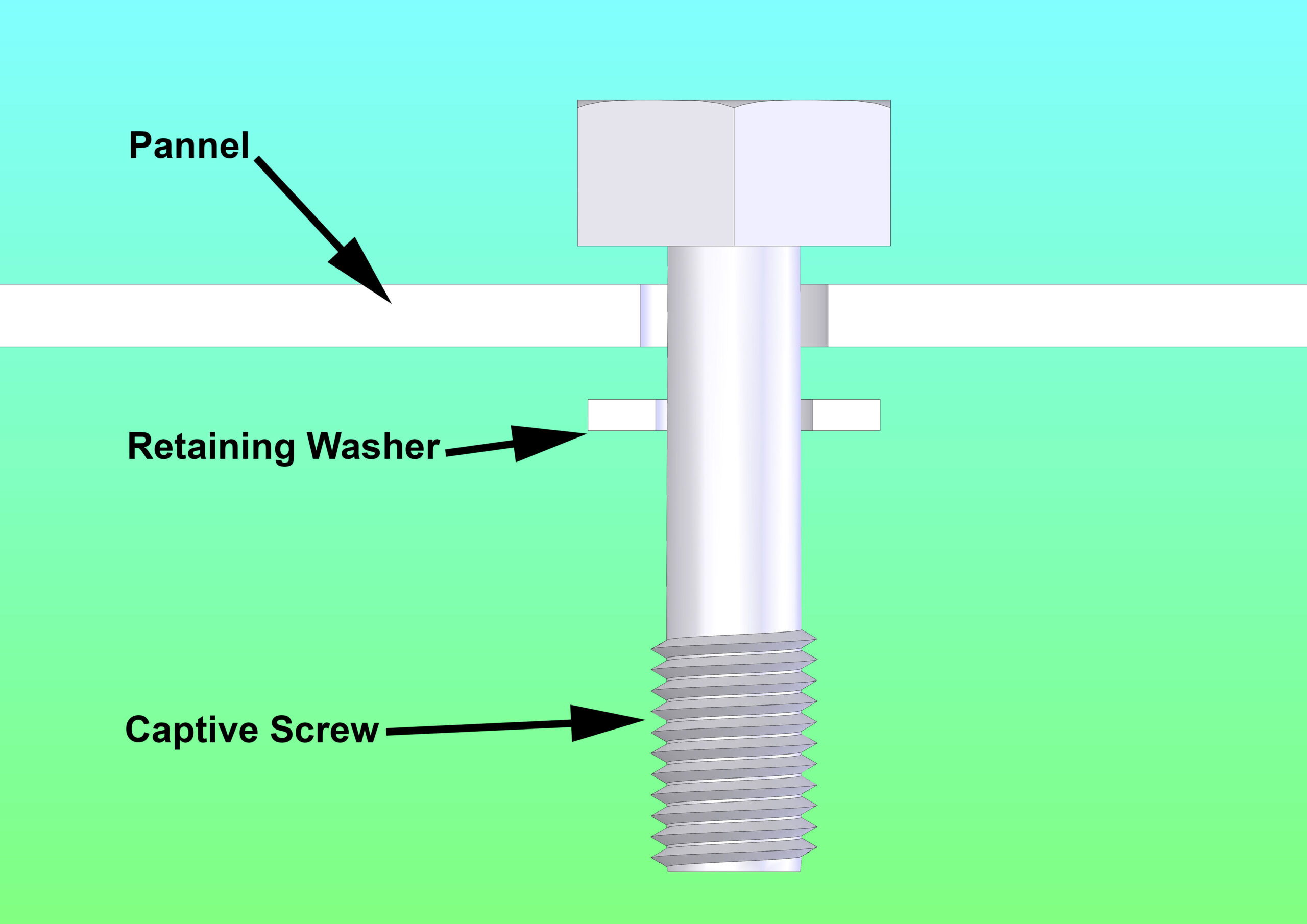
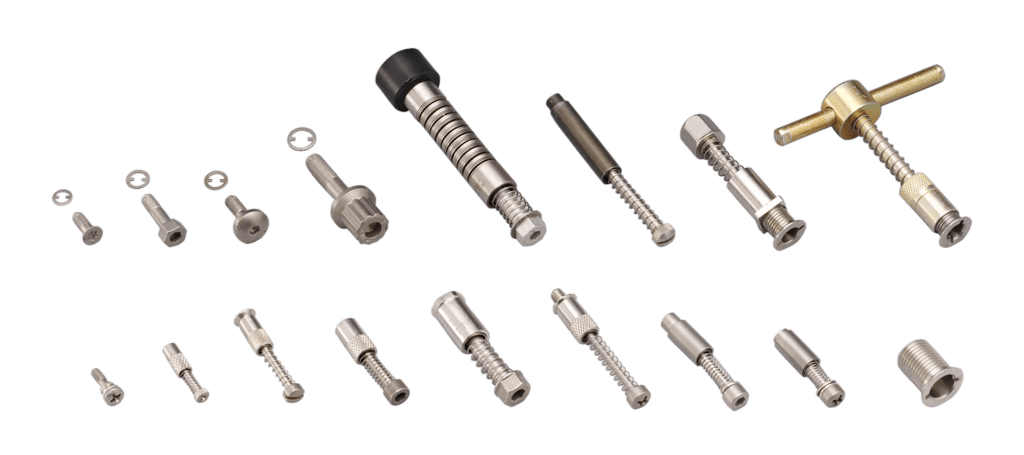
There are several types of captive fasteners. Threaded captive screws are common. They stay attached to a panel with a special retainer. Push-to-close fasteners lock in place by pushing. Quarter-turn fasteners secure parts with a simple turn. Each type suits different needs and applications.
Key Components
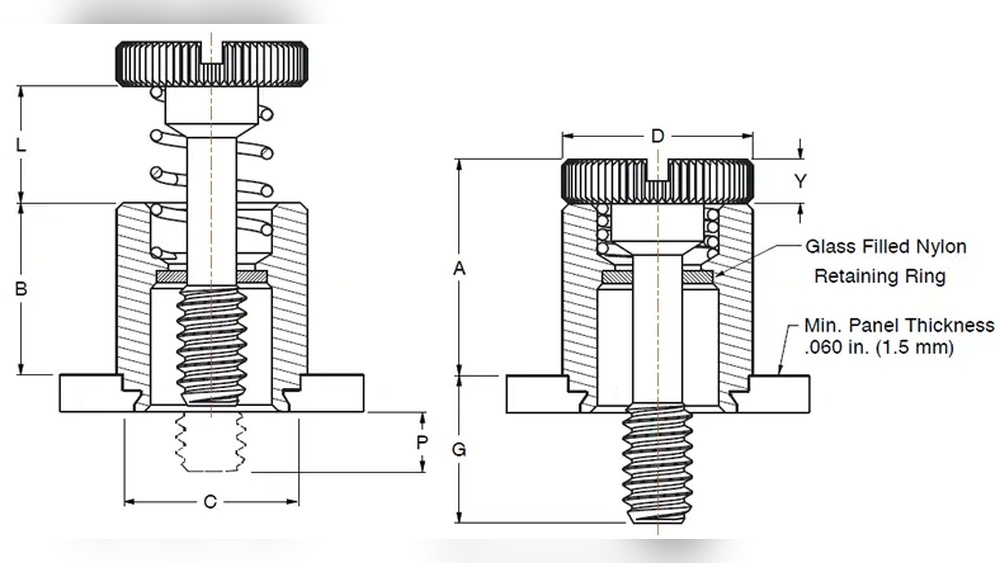
Captive fasteners have a few key parts. The screw or bolt is the main piece. A retainer keeps the fastener attached to the panel. Washers and springs may help hold tension. These parts work together to keep the fastener captive and functional.
Common Materials
Captive fasteners are made from strong materials. Stainless steel is popular for its rust resistance. Zinc-plated steel offers good strength and corrosion protection. Nylon and plastic fasteners are lightweight and non-conductive. Material choice depends on the application and environment.

Credit: www.accu.co.uk
Benefits Of Captive Fasteners
Captive fasteners offer many advantages in various industries. They simplify the fastening process and improve overall productivity. These fasteners stay attached to the panel or component, reducing time spent handling loose parts. The benefits go beyond just convenience, enhancing safety and cutting costs.
Improved Assembly Efficiency
Captive fasteners save time during assembly. Workers do not need to hold or find separate screws. This speeds up production and reduces errors. It also lowers the risk of missing fasteners during assembly. The process becomes smoother and more consistent.
Enhanced Safety
These fasteners reduce the chance of loose parts falling. Loose screws can cause accidents or damage equipment. Captive fasteners stay fixed, preventing such hazards. They help maintain a safer work environment for employees.
Reduced Loss And Damage
Loose fasteners often get lost or damaged. Captive fasteners remain attached to the part, eliminating this issue. This reduces replacement costs and downtime. It also helps keep inventory under control and lowers waste.
Applications Across Industries
Captive fasteners find use in many industries. Their design keeps parts secure and prevents loss. This feature makes them ideal for different applications. Industries benefit from improved safety and efficiency. The following are key sectors using captive fasteners.
Electronics And Electrical
Captive fasteners secure delicate electronic parts. They prevent screws from falling inside devices. This reduces damage and repair time. They also help in easy assembly and maintenance. Devices like computers, phones, and appliances use them.
Automotive And Aerospace
In cars and planes, safety is crucial. Captive fasteners keep panels and parts in place. They reduce the risk of loose screws causing problems. These fasteners also save time during inspections and repairs. Their strength supports high vibration environments.
Industrial Machinery
Machines in factories need reliable fasteners. Captive fasteners hold covers and guards firmly. They prevent fastener loss during machine operation. This improves worker safety and machine uptime. Maintenance crews find them easy to handle.
Installation Techniques
Installing captive fasteners involves precise methods to ensure secure fastening. Proper installation maintains the fastener’s strength and reliability. Different techniques suit various applications and volumes. This section covers key installation methods and necessary tools.
Manual Assembly Methods
Manual installation is ideal for small-scale projects or repairs. It requires steady hands and simple tools. Operators insert the fastener into a pre-drilled hole. Then, they use hand presses or pliers to secure it. This method allows control and flexibility. It suits low-volume tasks and custom fits.
Automated Processes
Automated installation works best for mass production. Machines place and press fasteners quickly and accurately. This process reduces human error and saves time. It also ensures consistent pressure and alignment. Automated systems integrate with assembly lines easily. They improve efficiency and lower labor costs.
Tools And Equipment
Choosing the right tools is vital for effective installation. Hand tools include rivet guns, pliers, and presses. Pneumatic or hydraulic presses speed up the process. Automated machines use feeders and robotic arms. Proper equipment prevents damage to fasteners and materials. Regular maintenance keeps tools reliable and safe.
Design Considerations
Designing a captive fastener requires careful thought. Every part of the fastener must fit the job perfectly. The right design makes sure the fastener works well and lasts long. Key factors affect the choice of materials and shapes. These factors guide engineers in crafting the best fastener for each use.
Material Compatibility
Choosing the right materials is crucial. Materials must work well together to avoid damage. Some metals cause rust or corrosion when paired incorrectly. Selecting compatible materials helps keep the fastener strong. It also prevents wear and tear over time.
Load And Stress Factors
Fasteners must hold up under pressure. Understanding the type of load is vital. Loads can be tension, shear, or compression. Designers calculate stress to avoid failure. Proper design ensures the fastener remains secure and stable.
Environmental Conditions
Environmental factors impact fastener performance. Temperature, moisture, and chemicals play a role. Fasteners in harsh conditions need special coatings or materials. This protects them from rust and damage. Designing for the environment extends fastener life and reliability.
Troubleshooting Common Issues
Troubleshooting common issues with captive fasteners helps keep equipment safe and reliable. These fasteners hold parts tightly but can face problems over time. Understanding these issues prevents costly repairs and downtime.
Fastener Loosening
Fasteners may loosen due to vibrations or poor fit. Check if the fastener fits snugly. Tighten with the correct tool to avoid damage. Use thread-locking compounds for extra security. Regular inspections catch loosening before failures occur.
Corrosion Problems
Corrosion weakens fasteners and metal parts. Moist environments speed up rust formation. Use corrosion-resistant materials like stainless steel. Apply protective coatings to extend fastener life. Clean fasteners regularly to remove dirt and moisture.
Installation Errors
Incorrect installation leads to fastener failure. Avoid overtightening, which can strip threads or break the fastener. Follow manufacturer torque guidelines carefully. Ensure alignment before tightening fasteners. Proper tools reduce the risk of errors during installation.
Future Trends In Fastener Technology
Captive fasteners stay attached to a panel or part, preventing loss during assembly. They improve safety and speed in manufacturing. These fasteners are vital in modern industries for easy and secure fastening.
Smart Fasteners
Fasteners are getting smarter with built-in sensors. These sensors track tension, temperature, and movement. They help detect loosening or failure before problems start. Smart fasteners improve safety and reduce maintenance costs. They send real-time data to machines or operators for quick action.
Sustainable Materials
Using eco-friendly materials is a major trend in fasteners. Manufacturers choose recycled metals and biodegradable plastics. These materials lower environmental impact and waste. Sustainable fasteners meet stricter regulations and customer demands. They help industries move towards greener production.
Advanced Manufacturing Techniques
New production methods make fasteners stronger and cheaper. Techniques like 3D printing allow custom shapes and designs. Precision machining improves fit and reduces errors. Automation speeds up production and keeps quality high. These advances make fasteners more reliable and affordable.
Credit: www.designworldonline.com
Credit: www.howmet.com
Frequently Asked Questions
What Is A Captive Fastener Used For?
A captive fastener secures components while staying attached to one part. It prevents loss during assembly or maintenance. They are ideal for electronics, automotive, and aerospace industries where fastener retention is crucial.
How Does A Captive Fastener Work?
Captive fasteners have built-in retention features like collars or threads. These keep the fastener connected to one part even when loosened. This design ensures fasteners don’t fall out or get misplaced during disassembly.
What Are Common Types Of Captive Fasteners?
Common types include captive screws, bolts, and nuts with retention rings or washers. They vary by application but all prevent fastener loss. Selection depends on material, size, and industry requirements.
Why Choose Captive Fasteners Over Regular Fasteners?
Captive fasteners reduce assembly time and improve safety by preventing loose parts. They lower maintenance costs by avoiding lost fasteners. They enhance reliability in critical systems where fastener retention matters.
Conclusion
Captive fasteners hold parts firmly without falling out. They save time during assembly and reduce lost pieces. These fasteners work well in many machines and tools. Using them improves safety and keeps things neat. They come in different shapes and sizes to fit needs.
Understanding captive fasteners helps you choose the right one. Simple but effective solutions like this make work easier. Consider captive fasteners for your next project to stay organized.