If you’ve just got your hands on a Dewalt P1000 fastening tool, you might be wondering how to get the most out of it. This powerful tool can make your projects faster and easier, but only if you know how to use it right.
In this guide, you’ll discover simple steps and expert tips that will help you master your Dewalt P1000 quickly. By the end, you’ll feel confident and ready to tackle any fastening job with precision and speed. Keep reading to unlock the full potential of your tool and save time on your next project.
Getting To Know The Dewalt P1000
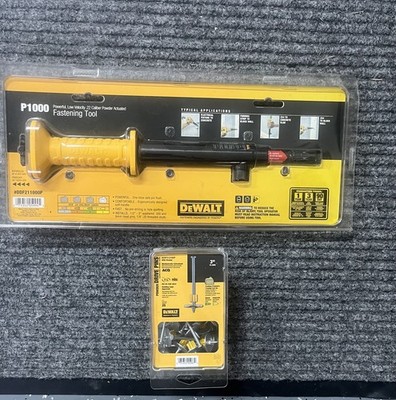
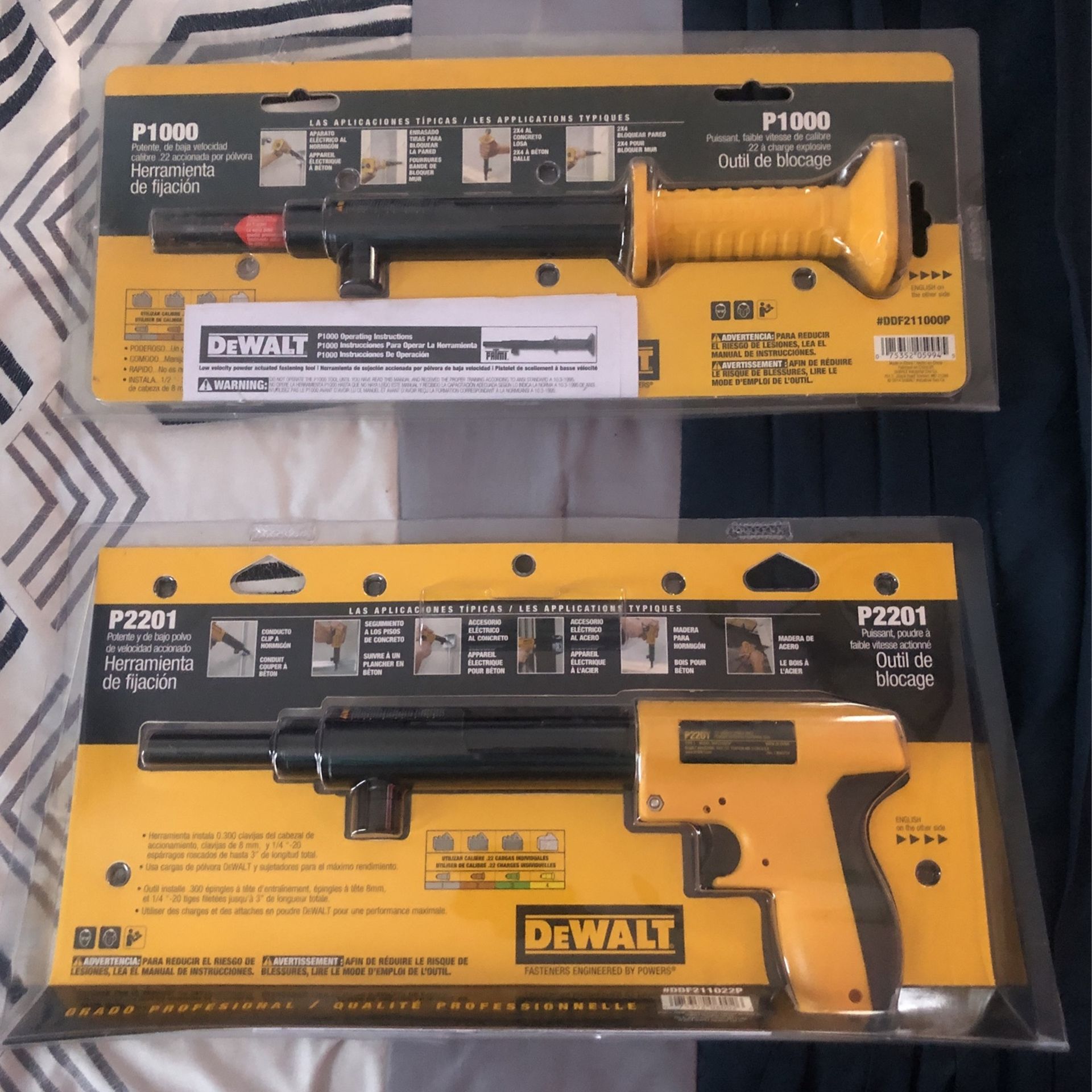
The Dewalt P1000 is a powerful fastening tool designed for many jobs. It helps you work faster and with more accuracy. This tool fits well in construction, carpentry, and home projects. Understanding its features will help you use it better. Knowing what it can do makes your work easier and safer.
Let’s explore the key features and common uses of the Dewalt P1000. This will give you a clear idea of why it is popular among professionals and DIYers alike.
Key Features
The Dewalt P1000 is lightweight and easy to hold. It has a strong motor that drives fasteners deeply. The tool uses a magazine to load nails quickly. It works with different types of fasteners for various tasks. A built-in depth adjustment helps set the right nail depth. It has a safety trigger to avoid accidents. The battery lasts long for extended use. The tool is designed to reduce recoil and noise.
Common Applications
The Dewalt P1000 is great for framing walls and building decks. It works well for installing plywood and sheathing. The tool fastens wood trim and moldings smoothly. It is useful for making furniture and cabinets. Roofing jobs can be done faster with this tool. It also helps in fixing fences and gates. Many use it for general repairs around the house.
Credit: www.ebay.com
Setting Up The Tool
Setting up the Dewalt P1000 fastening tool correctly is key to working safely and efficiently. Proper setup ensures the tool works smoothly and lasts longer. Follow simple steps to get your tool ready before starting any project.
Unpacking And Inspection
Open the box carefully and take out the tool and accessories. Check each part for damage or missing pieces. Look for cracks, dents, or loose screws on the tool. Make sure the power cord and plug are intact. Report any issues before use.
Loading Fasteners
Hold the tool firmly and open the fastener magazine. Insert the correct fasteners as described in the user manual. Align the fasteners properly to avoid jams. Close the magazine securely until you hear a click. Test the feed by pressing the trigger once.
Adjusting Settings
Set the depth control dial to match your material thickness. Adjust the pressure setting to avoid damage to surfaces. Check the trigger sensitivity and safety lock. Make small adjustments, then test on scrap material. Repeat until the tool performs as needed.
Operating The Dewalt P1000
Operating the Dewalt P1000 fastening tool is straightforward and efficient. This tool helps you fasten materials quickly with strong, secure nails. Understanding how to handle and use it properly ensures better results and longer tool life.
Proper Handling Techniques
Hold the Dewalt P1000 firmly with both hands. Keep your fingers away from the nail exit point. Position the tool perpendicular to the surface for best fastening. Avoid tilting the tool to prevent nail bending. Always check the nail strip before use.
Firing And Fastening
Place the tool tip firmly against the work surface. Press the safety tip down to activate the firing mechanism. Pull the trigger gently to drive the nail. Release the trigger after each nail is fired. Move to the next fastening spot smoothly and repeat.
Safety Precautions
Wear safety glasses to protect your eyes from debris. Use ear protection to reduce noise exposure. Keep the tool away from children and untrained users. Disconnect the tool from the power source before maintenance. Never point the tool at yourself or others.
Credit: powersmilesdental.com
Maintenance And Care
Proper maintenance and care keep your Dewalt P1000 fastening tool working well. Regular upkeep prevents breakdowns and extends the tool’s life. Clean parts and replace worn components to maintain performance. Store the tool correctly to avoid damage and rust.
Cleaning Tips
Clean the tool after each use to remove dust and debris. Use a soft brush to clear tight spaces. Wipe the exterior with a dry cloth. Avoid using water or harsh chemicals. Keep the air vents clear to prevent overheating.
Replacing Parts
Check parts regularly for wear or damage. Replace worn fasteners, springs, and seals promptly. Use only Dewalt-approved parts for replacements. Follow the user manual for safe part changes. Proper parts keep the tool running smoothly.
Storage Recommendations
Store the tool in a dry, cool place. Avoid areas with high humidity or dust. Use the original case or a protective box. Keep the tool away from heavy objects that may cause damage. Proper storage prevents rust and mechanical issues.
Troubleshooting Common Issues
Using the Dewalt P1000 fastening tool can sometimes lead to small problems. These issues slow down work and cause frustration. Knowing how to fix common problems helps keep the tool working well.
This section guides you through simple fixes for frequent troubles. Each fix is easy to follow. Keep the tool in good shape and avoid long delays.
Misfires And Jams
Misfires happen when the tool does not fire a fastener properly. This stops the work and wastes fasteners. Jams occur when fasteners get stuck inside the tool. Clear jams by opening the fastener magazine carefully. Remove any stuck fasteners using pliers or a small tool. Check if the fasteners are the right size and type. Using wrong fasteners causes jams and misfires. Clean the nosepiece regularly to remove dirt and dust. This keeps fasteners moving smoothly.
Power Problems
The tool may fail to start or lose power during use. Check if the battery is charged fully. Replace weak or old batteries with new ones. Inspect the battery contacts for dirt or corrosion. Clean contacts gently with a dry cloth. Ensure the battery locks securely into the tool. Loose batteries cause poor power connection. Avoid using damaged or worn-out batteries. These reduce the tool’s performance and may cause failure.
Fastener Delivery Issues
Fastener delivery problems happen when fasteners do not feed properly. Check the fastener strip for bends or damage. Bent strips cause slow or no feeding. Load fasteners carefully according to the user manual. Too many or too few fasteners can cause feeding issues. Keep the fastener magazine clean and free from debris. Dirt blocks fasteners and slows delivery. Test the tool after fixing to ensure smooth operation.
Credit: abmf.org
Advanced Tips And Tricks
Advanced tips and tricks help you get the most from your Dewalt P1000 fastening tool. These ideas improve your work speed, reach, and tool care. Follow these simple steps to boost your tool’s performance and lifespan.
Maximizing Efficiency
Keep your tool clean to avoid jams. Use the right fasteners for each job. Hold the tool firmly to keep control. Work in smooth, steady motions. Avoid forcing the tool; let it do the work.
Working In Tight Spaces
Use the tool’s compact design to your advantage. Adjust your grip for better reach. Remove obstacles near your work area. Use angled or shorter fasteners if needed. Take small, careful steps to avoid mistakes.
Extending Tool Lifespan
Charge the battery fully before use. Store the tool in a dry place. Clean dust and debris after each use. Check parts regularly for wear and tear. Replace worn parts quickly to avoid damage.
Frequently Asked Questions
How Do I Load The Dewalt P1000 Tool?
To load the Dewalt P1000, open the magazine by pressing the release. Insert the fasteners carefully. Close the magazine securely before use.
What Safety Precautions Are Needed With The P1000?
Always wear safety goggles and gloves. Keep hands away from the fastening area. Ensure the tool is off when loading fasteners.
How Do I Adjust The Depth On The Dewalt P1000?
Turn the depth adjustment wheel located near the nosepiece. Adjust until fasteners sit flush with the surface for a clean finish.
What Maintenance Does The Dewalt P1000 Require?
Regularly clean the magazine and nosepiece. Check for worn parts and replace them. Lubricate moving parts as instructed in the manual.
Conclusion
Using the Dewalt P1000 fastening tool makes your work faster and easier. It fits well in your hand and works with many materials. Always follow safety steps for best results. Practice a little to get comfortable with it. This tool helps you finish projects neatly and quickly.
Keep it clean and check it often to last longer. Now, you can start using the Dewalt P1000 with confidence. Simple steps, solid results.