Are you wondering if your light fixtures should match your cabinet hardware? It’s a common question that can make a big difference in how your space looks and feels.
Choosing the right combination can either create a seamless, stylish flow or leave your room feeling disconnected. You’ll discover simple tips to help you decide what works best for your home. Keep reading to make choices that bring out the best in your design and make your space truly shine.
Matching Metals In Design
Matching metals in design means choosing light fixtures and cabinet hardware with similar finishes. This creates a smooth, unified look in any room. It helps the space feel balanced and thoughtfully styled. Metal finishes can set the tone for the whole design, making it important to consider how they work together.
Benefits Of Coordinated Finishes
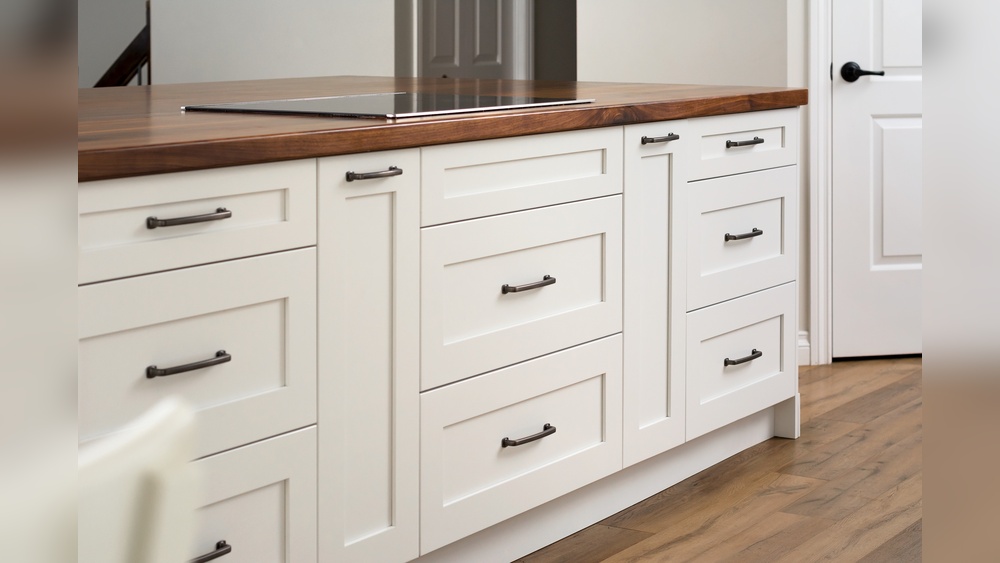
Coordinated finishes bring harmony to your space. They make the room look clean and organized. Matching metals help highlight other design elements without clashing. This approach also makes decorating easier because the parts fit well together. A consistent metal tone adds a polished, high-end feel.
When To Mix Metals
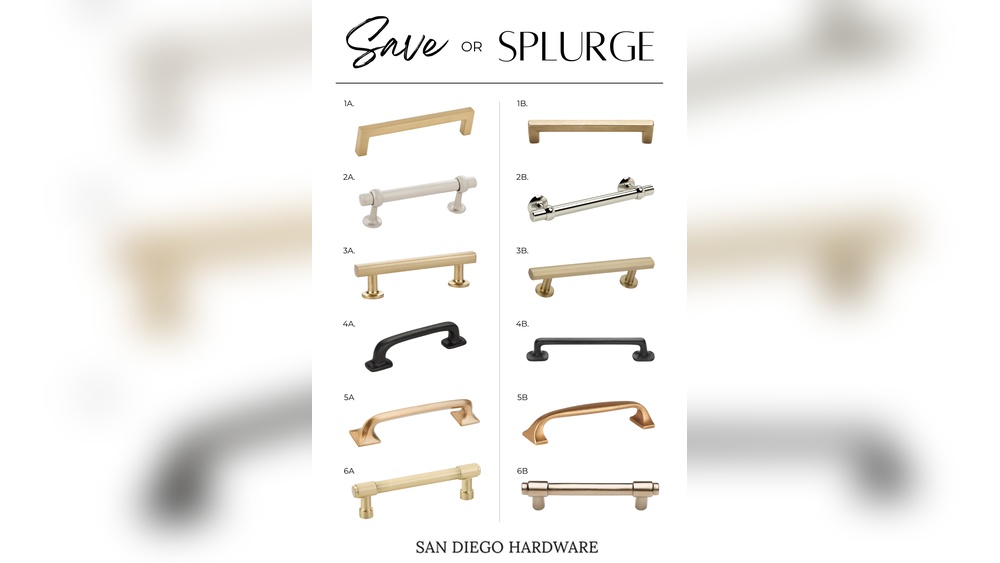
Mixing metals can add interest and depth. It works best when you use two or three different finishes. Keep one metal dominant and use others as accents. Mixing works well in eclectic or modern designs. It breaks up monotony and adds personality to your space.
Popular Metal Combinations
Brass and black metal create a warm but bold contrast. Chrome and brushed nickel offer a sleek, modern look. Copper pairs nicely with bronze for a rich, vintage style. Silver and gold can work together if balanced carefully. Choose combinations that fit your room’s mood and style.

Credit: schoolhouse.com
Considering Style Consistency
Considering style consistency helps create a balanced and harmonious space. It guides choices for light fixtures and cabinet hardware. Matching styles improves the overall look and feel of a room. It avoids clashes that can distract the eye or feel chaotic.
Style consistency means picking fixtures and hardware that share similar design features. It creates a smooth flow from one element to another. This section explores how style affects your choices and how to keep everything aligned.
Traditional Vs Modern Fixtures
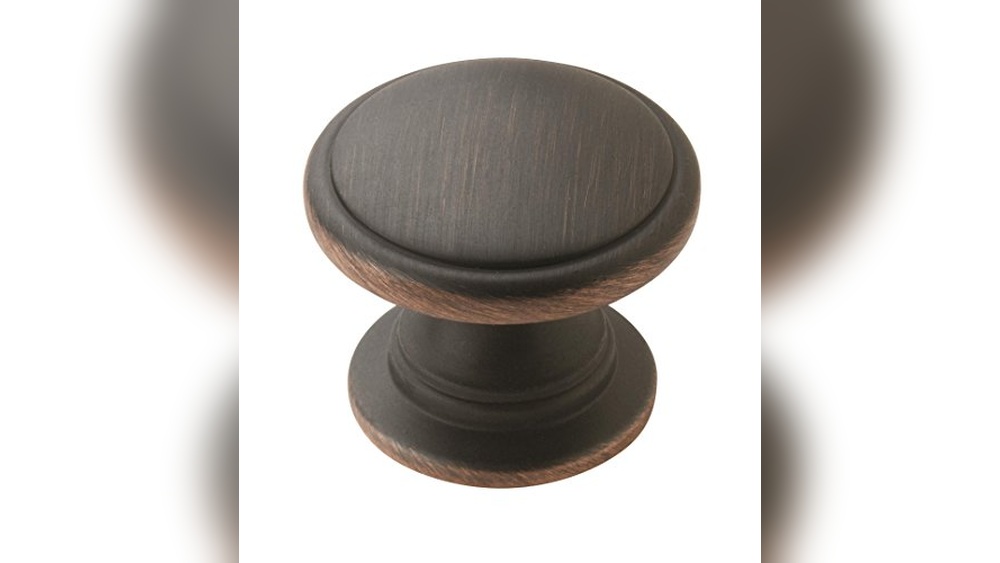
Traditional fixtures often feature ornate details and warm finishes. They pair well with classic cabinet hardware, like brass or bronze knobs. These pieces share a timeless, elegant look. Modern fixtures use clean lines and simple shapes. Their finishes tend to be chrome, black, or matte. Matching modern fixtures with sleek hardware keeps the design fresh and minimal.
Impact Of Hardware Shapes
Shapes matter in style consistency. Rounded knobs feel soft and classic. Square pulls offer a sharp, modern touch. Mixing these shapes can cause visual tension. Choose hardware shapes that echo the fixture’s form. Curved fixtures work best with rounded hardware. Angular fixtures pair well with straight-edged pulls.
Balancing Bold And Subtle Elements
Bold fixtures draw attention and act as focal points. Subtle hardware supports without competing. Overmatching every detail can feel dull. Contrast can add interest if done carefully. Use bold fixtures with simple hardware or vice versa. Balance keeps the space lively yet unified.
Color And Texture Tips
Color and texture play a big role in tying a room together. Matching light fixtures and cabinet hardware can make a space look smooth and planned. These tips help you pick colors and textures that work well together. They keep the style fresh and balanced without feeling too strict or dull.
Choosing Complementary Tones
Pick colors that sit near each other on the color wheel. Warm metals like bronze look great with gold or copper. Cool metals like chrome pair well with silver or brushed nickel. This keeps the look soft but unified. You can also use neutral tones like black or white to bridge different colors.
Using Texture To Add Interest
Mix smooth and rough surfaces for a lively feel. A matte light fixture looks great with shiny cabinet handles. Textured finishes like hammered metal add depth. Wood grain hardware can warm up a sleek metal fixture. Play with these contrasts to avoid a flat look.
Avoiding Clashes In Finishes
Try not to mix too many finish types in one room. Bright chrome next to dull brass can feel off. Stick to one or two finishes for a calm vibe. Match the finish style, like all polished or all brushed. This keeps the design neat and pleasant to the eye.

Credit: www.reddit.com
Practical Installation Advice
Practical installation advice helps you create a balanced look with light fixtures and cabinet hardware. It guides the placement and style choices to fit your space. Proper planning saves time and makes your room look polished.
Lighting Placement And Hardware Visibility
Place lights where they highlight cabinet hardware. Lighting near handles and knobs makes them stand out. Avoid shadows that hide hardware details. Good lighting shows off your design choices clearly.
Maintaining Cohesion In Open Spaces
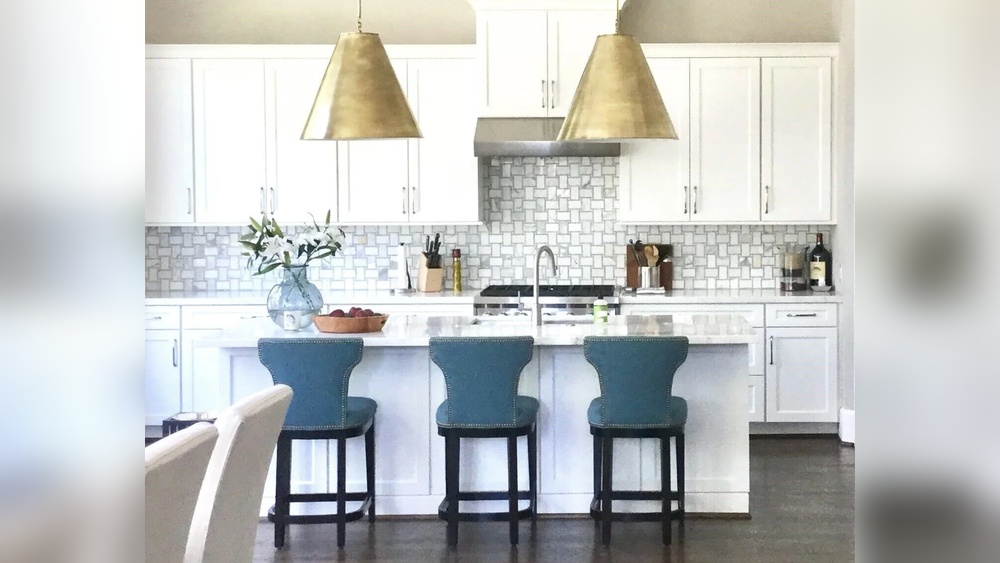
Open spaces need consistent style between lights and hardware. Choose finishes that complement each other without matching exactly. Keep shapes and colors in the same family. This creates a smooth flow from one area to another.
Adjusting For Different Room Sizes
Small rooms benefit from fewer, brighter lights. Hardware should be simple and not too large. In big rooms, use multiple light sources to avoid dark spots. Larger or more detailed hardware can add interest without crowding.
Trends And Expert Insights
Choosing light fixtures and cabinet hardware can shape a room’s look. Trends and expert advice help make smart choices. Designers share ideas to balance style and function. Below are current styles, expert tips, and common mistakes to avoid.
Current Popular Styles
Matte black finishes are very popular now. They add contrast and suit many rooms. Brushed gold also remains trendy. It brings warmth and a touch of luxury. Mixed metals are growing in use. Combining brass knobs with chrome lights creates interest. Simple, clean lines are preferred. They keep the space fresh and modern. Vintage-inspired fixtures also attract attention. These add character without overwhelming the design.
Expert Recommendations
Experts suggest matching metals subtly, not exactly. Slight differences in tone can work well. Choose a unifying style, such as modern or rustic. Keep the room’s overall theme in mind. Lighting should complement hardware without competing. Focus on balance, not perfect matching. Consider the size and shape of fixtures. They should fit the room’s scale. Experts advise testing samples before final choices.
Mistakes To Avoid
Avoid matching everything too closely. This can make the space look flat. Don’t ignore the room’s lighting needs. Style should not overpower function. Avoid mixing too many different finishes. This can create a cluttered appearance. Don’t forget to consider the cabinet style. Hardware and lighting should feel connected. Avoid choosing trends that quickly date. Aim for timeless appeal with subtle updates.

Credit: www.granitetransformations.com
Frequently Asked Questions
Should Light Fixtures Match Cabinet Hardware Exactly?
No, light fixtures don’t have to match cabinet hardware exactly. Coordinating finishes creates harmony, but mixing metals can add style and depth.
How Do Matching Fixtures And Hardware Affect Kitchen Design?
Matching fixtures and hardware create a cohesive, polished look. They unify the space and enhance the overall kitchen aesthetic.
Can Contrasting Light Fixtures Complement Cabinet Hardware?
Yes, contrasting fixtures can complement cabinet hardware by adding visual interest. Balance colors and finishes for a stylish, modern appeal.
What Finishes Work Best For Light Fixtures And Hardware?
Popular finishes include brushed nickel, matte black, and bronze. Choose finishes that reflect your style and blend well with cabinets.
Conclusion
Choosing matching light fixtures and cabinet hardware can create a unified look. It helps your space feel balanced and neat. But mixing finishes can add character and interest too. Think about the style and mood you want. Simple matching works well in classic designs.
Bold contrasts suit modern or eclectic rooms. Trust your eye and personal taste the most. Your home should feel comfortable and true to you. Small details matter and make a big difference. Take time to decide what fits your style best.