Choosing the right hardware size for your kitchen cabinets can make a huge difference in both how your kitchen looks and how it feels to use. If you’ve ever struggled with handles that are too small to grip comfortably or knobs that look out of place, you know why size matters.
But don’t worry—finding the perfect fit is easier than you think. You’ll discover simple tips to help you pick the correct size hardware that not only matches your style but also makes your kitchen more functional. Keep reading, and you’ll soon have the confidence to choose cabinet hardware that truly works for you.
Credit: www.nhance.com
Types Of Cabinet Hardware
Cabinet hardware shapes the look and feel of your kitchen. Choosing the right types helps improve both style and function. Hardware comes in many forms. Each type serves a different purpose and suits various cabinet designs.
Knobs Vs Pulls
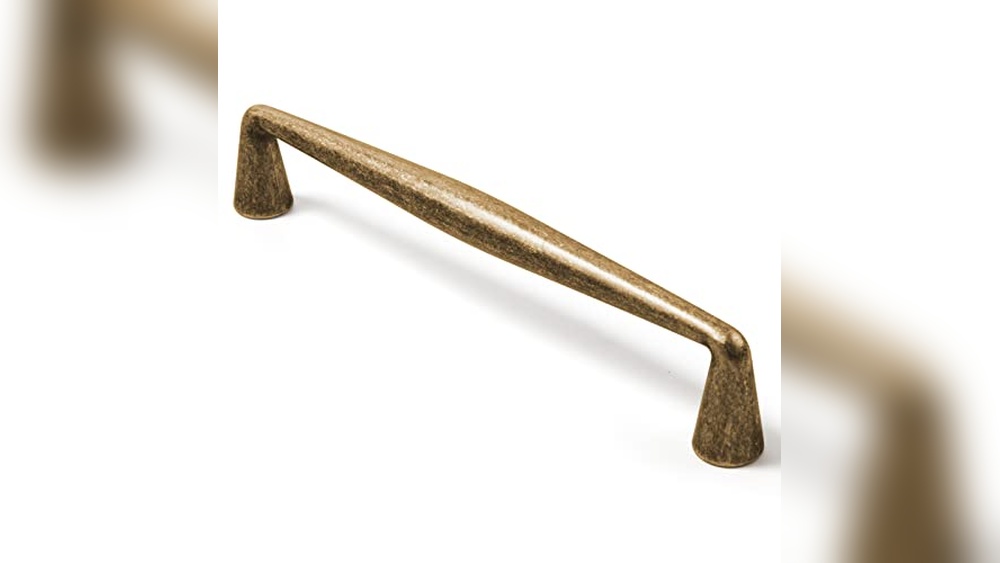
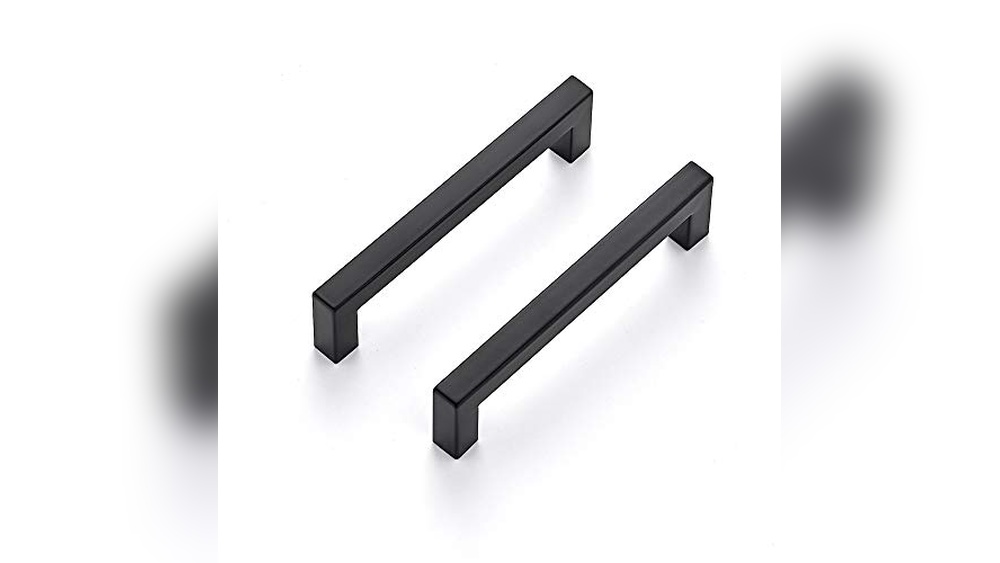
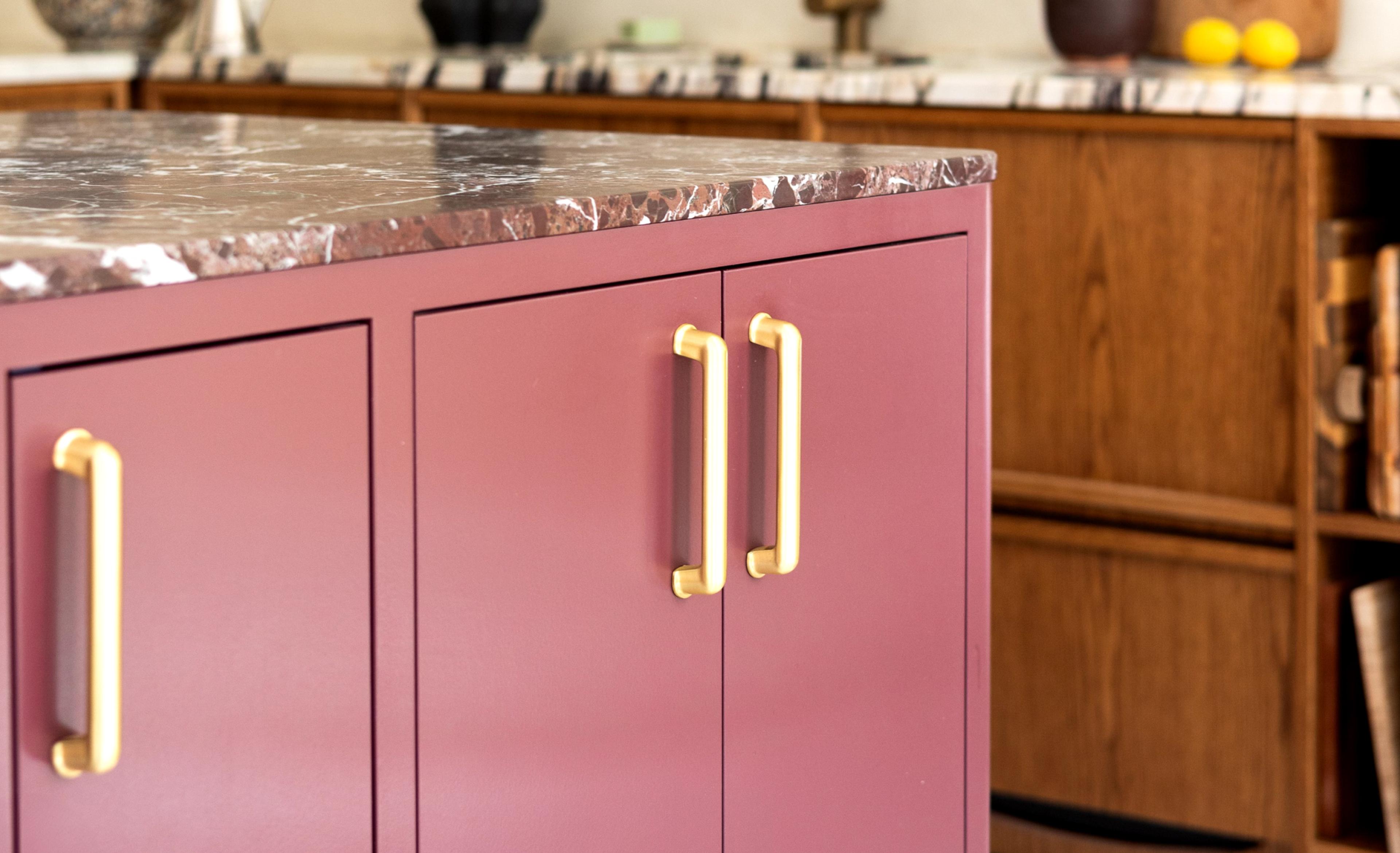
Knobs are small and simple. They attach with one screw and are easy to install. Knobs suit smaller cabinets or drawers. Pulls are longer and need two screws. They offer a better grip for larger drawers. Pulls fit modern and traditional kitchens well.
Hinges Varieties
Hinges hold cabinet doors and allow smooth opening. There are visible and concealed types. Visible hinges show on the cabinet’s outside. Concealed hinges hide inside for a clean look. Soft-close hinges prevent slamming and protect doors. Choose hinges based on door type and style.
Specialty Hardware
Specialty hardware includes items like edge pulls and finger pulls. These fit flush with the cabinet surface. They work well in sleek, modern kitchens. Other specialty pieces include decorative backplates and unique handles. Specialty hardware adds personality and function.
Credit: schoolhouse.com
Measuring For Hardware
Measuring for kitchen cabinet hardware is a key step in choosing the right size. Proper measurements ensure that knobs, pulls, and hinges fit well and look balanced. Precise sizing makes opening and closing cabinets easy and smooth.
Take your time with measuring. Use a ruler or tape measure with clear markings. Write down all measurements to avoid mistakes. Accurate numbers help you pick hardware that matches your cabinets perfectly.
Determining Knob Size
Start by measuring the diameter of your current knobs or the space you want to fill. Most cabinet knobs range from 1 to 1.5 inches in diameter. Smaller knobs suit delicate or small cabinet doors. Larger knobs work better for big or heavy doors.
Consider the style of your kitchen too. Simple knobs with a medium size fit most designs well. Measure the thickness of the door or drawer front to ensure the knob’s screw length will fit.
Pull Length And Reach
Pulls come in various lengths, commonly from 3 to 12 inches. Measure the distance between the screw holes on your current pulls. This measurement is called the “center-to-center” distance.
Choose pulls that fit your hand comfortably. The pull’s reach should allow your fingers to grasp it easily. For larger drawers, longer pulls offer better grip and control.
Hinge Dimensions
Measure the height and width of your existing hinges. Standard kitchen cabinet hinges vary in size but often are about 3.5 inches tall. Check the thickness of the cabinet door where the hinge attaches.
Note the hinge type: overlay, inset, or partial overlay. This affects the hinge size and placement. Correct hinge dimensions ensure smooth door movement and proper alignment.
Material Choices
Choosing the right material for your kitchen cabinet hardware affects both style and durability. The material sets the tone for your kitchen’s look. It also impacts how long the hardware lasts under daily use. Different materials offer various benefits and fit different kitchen styles.
Metal Options
Metal hardware is strong and long-lasting. Popular metals include stainless steel, brass, and aluminum. Stainless steel resists rust and stains. Brass adds a warm, classic touch. Aluminum is lightweight and budget-friendly. Metals suit modern and traditional kitchens well. They also handle frequent use without damage.
Wood And Ceramic
Wood hardware gives a natural, warm feel. It works well in rustic or farmhouse kitchens. Wood can be painted or stained for a custom look. Ceramic knobs add color and charm. They come in many shapes and patterns. Both wood and ceramic need gentle care to avoid chips or cracks.
Finish Impact
The finish on hardware changes its look and feel. Matte finishes hide fingerprints and scratches. Glossy finishes look shiny and bright. Brushed finishes add texture and reduce glare. Choose a finish that matches your kitchen’s theme. The finish should also resist wear and tear.
Style Matching
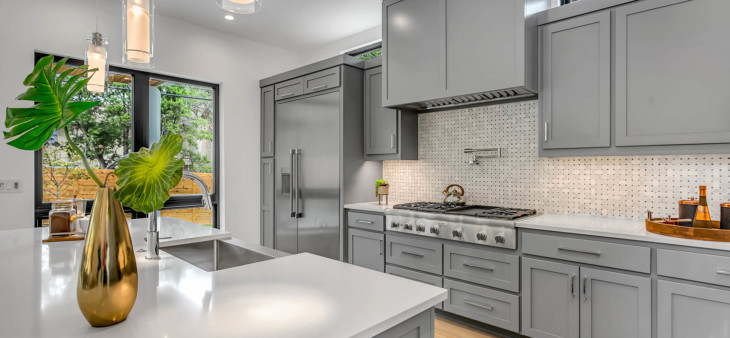
Choosing the right hardware size for your kitchen cabinets is not just about function. Style matching plays a big role in making your kitchen look great. Hardware should blend with your kitchen’s design and feel. This creates a smooth and pleasing look that makes your space inviting.
Focus on how the hardware style fits with your kitchen’s overall look. Consider shapes, colors, and finishes that match your cabinets and decor. This helps avoid a mismatch that can spoil the kitchen’s charm.
Modern Vs Traditional
Modern hardware often has clean lines and simple shapes. It suits kitchens with sleek, minimalist designs. Think of straight handles in metal finishes like chrome or stainless steel. These give a fresh and sharp look.
Traditional hardware tends to be more detailed and ornate. Curved handles, antique brass, or bronze finishes fit well here. They bring warmth and classic charm to kitchens with wood cabinets or vintage styles.
Color Coordination
Matching hardware color with cabinet tones creates harmony. Light cabinets work well with bright or silver finishes. Dark cabinets look good with matte black or bronze hardware.
Consider the kitchen’s other colors too. Hardware should not clash with wall paint or appliances. Choose shades that blend smoothly for a balanced look.
Texture Considerations
Hardware texture affects the kitchen’s feel. Smooth finishes suit modern kitchens. They add a clean and polished touch.
Rough or brushed textures fit rustic or traditional kitchens. These add depth and a cozy vibe. Mixing textures carefully can add interest without chaos.
Functionality Factors
Choosing the right size hardware for kitchen cabinets is not only about looks. Functionality plays a big role in making your kitchen easy to use and safe. Hardware must fit your daily needs and last long. Consider how you use your kitchen and what matters most in your space.
Ease Of Use
Hardware should be simple to open and close. Handles and knobs must be easy to grip. Think about who uses the kitchen the most. Small hands or weak grip? Choose hardware that feels comfortable and smooth to touch. This helps avoid frustration and saves time.
Durability Needs
Kitchen hardware faces constant use. Pick materials that last through daily wear. Metal and solid finishes resist scratches and stains well. Avoid cheap plastic parts that break fast. Durable hardware keeps your kitchen looking good longer and saves money on repairs.
Safety Features
Sharp edges or loose hardware can cause accidents. Select pieces with rounded corners and secure fittings. Ensure screws and bolts hold tight to prevent falls. Safe hardware protects children and adults. It also keeps your kitchen running smoothly without hazards.

Credit: porchdaydreamer.com
Installation Tips
Installing the correct size hardware on kitchen cabinets needs care and precision. Good installation makes cabinets look neat and last longer. Follow these simple tips to get the best results.
Proper Placement
Place handles and knobs where they feel natural to use. For drawers, center the hardware horizontally. For cabinet doors, place knobs about 2 to 3 inches from the edge. Measure twice to avoid mistakes. Use a template or ruler to mark spots before drilling holes.
Tools Required
Gather all tools before starting. You will need a drill, drill bits, screwdriver, measuring tape, pencil, and level. Use the right drill bit size to match screws. A level helps keep handles straight. Having all tools ready saves time and avoids errors.
Common Mistakes
Do not guess hardware placement. Avoid drilling holes without measuring. Using the wrong drill bit size can damage cabinets. Skipping the level leads to crooked handles. Tighten screws enough but do not over-tighten. This prevents hardware damage and cabinet wear.
Budget Planning
Budget planning helps you pick the right cabinet hardware without overspending. It guides your choices and keeps your project on track. Knowing where to spend and save makes a big difference. Let’s break down how to manage your budget for kitchen cabinet hardware.
Cost Vs Quality
Cheap hardware may look nice but wear out fast. Quality pieces last longer and feel better to use. Choose items that balance price and durability. Avoid the lowest-cost options for parts you use often. A small extra cost can mean big savings over time.
Where To Save
Save money on parts that are less visible or less used. Simple knobs or pulls on lower cabinets work well. Skip fancy finishes on hidden areas. Focus your budget on hardware that shows and gets daily use. This keeps costs down without hurting style.
Investment Pieces
Spend more on key items like cabinet handles on drawers. These get the most use and impact the kitchen’s look. Choose sturdy, stylish pieces here. They improve function and add charm. Think of these as investments that raise your kitchen’s value.
Frequently Asked Questions
What Size Hardware Fits Standard Kitchen Cabinets?
Standard kitchen cabinet hardware typically ranges from 3 to 5 inches. Measure your cabinet door or drawer front to choose the right size for balance and function.
How To Measure Cabinet Hardware Correctly?
Measure the distance between screw holes (center-to-center) to find your hardware size. This ensures perfect fit and easy installation.
Does Cabinet Hardware Size Affect Kitchen Style?
Yes, larger hardware creates bold statements, while smaller pieces offer subtle elegance. Choose size based on your kitchen’s design theme.
Can Wrong Hardware Size Damage Cabinets?
Using hardware too large or small can cause damage. It may stress cabinet surfaces or not fit securely, reducing durability.
Conclusion
Choosing the right hardware size makes your kitchen look neat and work well. Measure your cabinets carefully before buying. Small changes can make a big difference in feel and function. Match handles and knobs to your cabinet style for a balanced look.
Remember, simple steps lead to great results. Take your time to pick what fits best. This helps your kitchen stay comfortable and stylish for years.