Choosing the right cabinet hardware can completely transform the look and feel of your kitchen or bathroom. But before you rush out to buy pulls or knobs, there’s one crucial step you can’t skip: measuring properly.
If you get the size wrong, your new hardware might look awkward or feel uncomfortable to use. You want your cabinets to not only look stylish but also work smoothly every time you open or close a door or drawer.
This guide will walk you through simple, foolproof ways to measure for cabinet hardware so you can pick the perfect size with confidence. Keep reading to learn easy tips that will save you time, money, and frustration on your next project. Your dream cabinets are closer than you think!
Measuring Pull Length
Measuring pull length is key when choosing cabinet hardware. The right size pull fits your cabinet perfectly. It also looks balanced and feels comfortable to use. A common method uses simple math to find the best pull length for drawers and doors.
One-third Rule For Drawers
Divide the drawer’s width by three. This number gives the ideal pull length. For example, a 30-inch drawer needs a 10-inch pull. This size fits well with most drawer styles. It is long enough to hold comfortably. It also looks balanced and neat.
Applying The Rule To Cabinet Doors
Use the one-third rule on the door’s height. Measure the door height and divide by three. This gives a good pull length for cabinet doors. It keeps the hardware proportional to the door size. It makes opening easier and keeps the look clean.
Adjusting For Wide Drawers
Wide drawers may need longer pulls than one-third the width. Large drawers require a firm grip to open easily. Consider pulls up to half the drawer width. This helps with heavy or deep drawers. Check the drawer style and weight before choosing.
Center-to-center Measurement
Center-to-center measurement is essential when choosing cabinet hardware. It tells you the exact distance between the two screw holes on a handle or pull. This measurement ensures your new hardware fits perfectly without extra drilling or patching old holes.
Using center-to-center size helps find the right handles quickly. It also keeps your cabinets looking neat and professional. Understanding this simple measurement makes installing or replacing hardware easier and faster.
What Center-to-center Means
Center-to-center is the distance between the centers of two mounting holes. It is usually measured in inches or millimeters. For example, a 3-inch center-to-center handle has holes exactly 3 inches apart.
This measurement is standard for all cabinet pulls and handles. It helps match new hardware to existing holes. Knowing this term avoids buying the wrong size and saves time during installation.
How To Measure Accurately
Use a ruler or tape measure for center-to-center measurement. Measure from the center of one hole to the center of the other hole. Do not measure from edge to edge or outside the holes.
Hold the hardware flat and steady while measuring. Double-check your measurement to avoid mistakes. Write down the exact number before shopping for new hardware.
Measuring center-to-center correctly ensures a smooth hardware upgrade. It prevents damage to cabinets and keeps your project stress-free.
Choosing Pulls By Cabinet Type
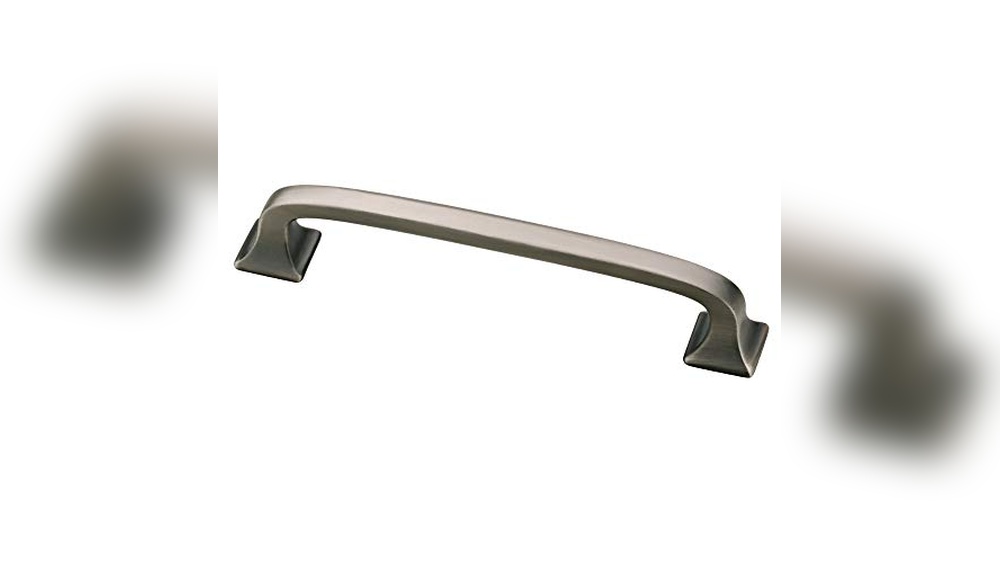
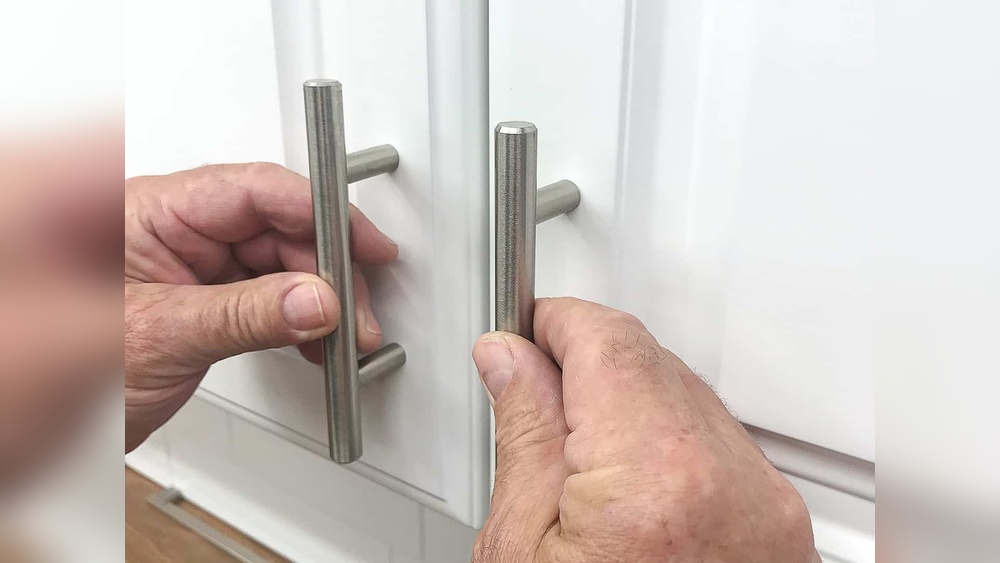
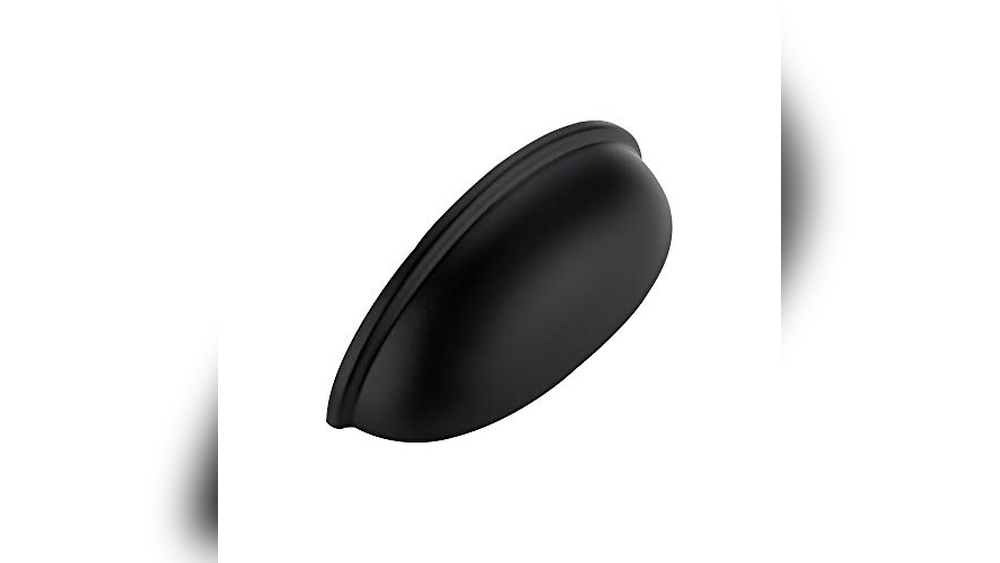
Choosing the right pulls depends on the cabinet type. Different cabinets suit different pull styles. Picking the right pull improves both look and function. Understanding which pulls fit your cabinets makes installation easier.
Single Long Pulls
Single long pulls work well on wide drawers. They provide enough space for your hand to grip. These pulls create a sleek, modern look. Long pulls also help open heavy or deep drawers easily. Measure about one-third the drawer’s width for pull length.
Two Smaller Pulls
Two smaller pulls fit better on tall cabinet doors. They balance the door’s height and add symmetry. This style suits traditional or classic cabinets. Place the pulls evenly spaced for best results. Use pulls that are comfortable to grip and easy to install.
Matching Pull Size To Cabinet Style
Match the pull size to the cabinet’s style and size. Small pulls suit delicate or narrow cabinets. Large pulls complement bold, wide cabinets. Consider the cabinet’s material and finish too. Properly sized pulls enhance the cabinet’s overall design.
Credit: truepositiontools.com
Balancing Aesthetics And Function
Balancing aesthetics and function is essential when measuring for cabinet hardware. The right size and style improve both the look and usability of your cabinets. Hardware should fit the cabinet size, style, and how you use it daily. This balance makes your kitchen or bathroom more attractive and easier to use.
Visual Proportion And Balance
Hardware size should match the cabinet’s dimensions. A handle that is about one-third the drawer width looks balanced and neat. This rule helps avoid hardware that looks too big or too small. Balanced hardware brings harmony to your cabinet design. It also highlights the cabinet’s style without overpowering it.
Grip Comfort And Usability
Hardware must feel comfortable to hold and easy to pull. Choose pulls that allow a secure grip, especially for heavy or large drawers. Small knobs work well on small doors but may be hard to use on big ones. Proper size and shape reduce strain on your hands. Usable hardware makes daily tasks quicker and safer.
Versatility For Various Designs
Choose hardware that works with many cabinet styles and finishes. Simple designs fit modern, traditional, or rustic cabinets. Versatile hardware matches different colors and materials easily. This flexibility lets you update your space without changing all hardware. It saves money and keeps your design cohesive.
Practical Tips For Selection
Selecting the right cabinet hardware involves more than just measuring. Practical tips help you choose pieces that fit well and feel good. These tips make your hardware selection easier and more effective.
Consider different factors like size, style, and comfort. Small details affect the final look and usability. Use these practical tips to guide your choices.
Testing Different Lengths
Try different pull lengths before buying. Use paper strips or tape to mimic hardware size. Place them on cabinet doors and drawers to see how they look.
Measure the drawer or door first. A good pull length is about one-third of the width or height. Testing helps you find the perfect balance between size and comfort.
Considering Other Hardware
Match new pulls or knobs with existing hardware. Think about hinges, locks, and other fittings. Consistency creates a unified and clean appearance.
Mixing styles can cause visual clutter. Choose hardware that blends well with your cabinet’s style and finish. Check the finish type to avoid mismatched metals or colors.
Comfort Vs. Appearance
Comfort matters as much as looks. Hardware should feel good to hold and use every day. Test how pulls fit your hand before finalizing your choice.
Sometimes a smaller pull looks nice but feels awkward. Larger handles may offer better grip but affect the style. Find a balance where comfort and appearance meet.
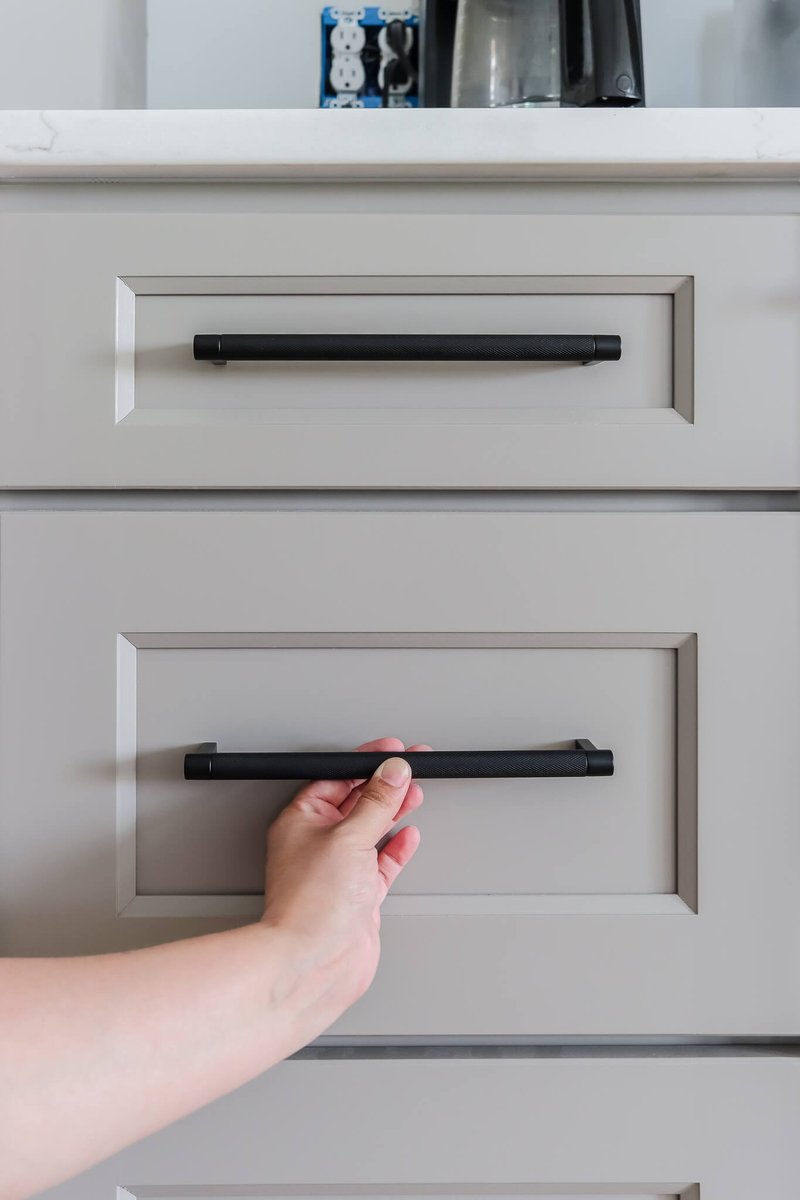
Credit: www.emtek.com
Tools For Measuring And Installation
Measuring and installing cabinet hardware requires the right tools for precision and ease. Using proper tools helps avoid mistakes and ensures a neat finish. Accurate measurements lead to hardware that fits perfectly and functions well. This section covers essential tools and helpful templates for your project.
Using Installation Templates
Installation templates simplify the hardware placement process. These templates mark exact drill points on cabinet doors or drawers. They reduce guesswork and speed up installation. Templates come in various sizes to match different hardware styles. Using them ensures consistent alignment across all cabinets.
They are especially useful for multiple installations, keeping holes uniform. Templates save time and prevent damage from misplaced screws. Many hardware kits include free templates, or you can buy reusable ones.
Essential Measuring Tools
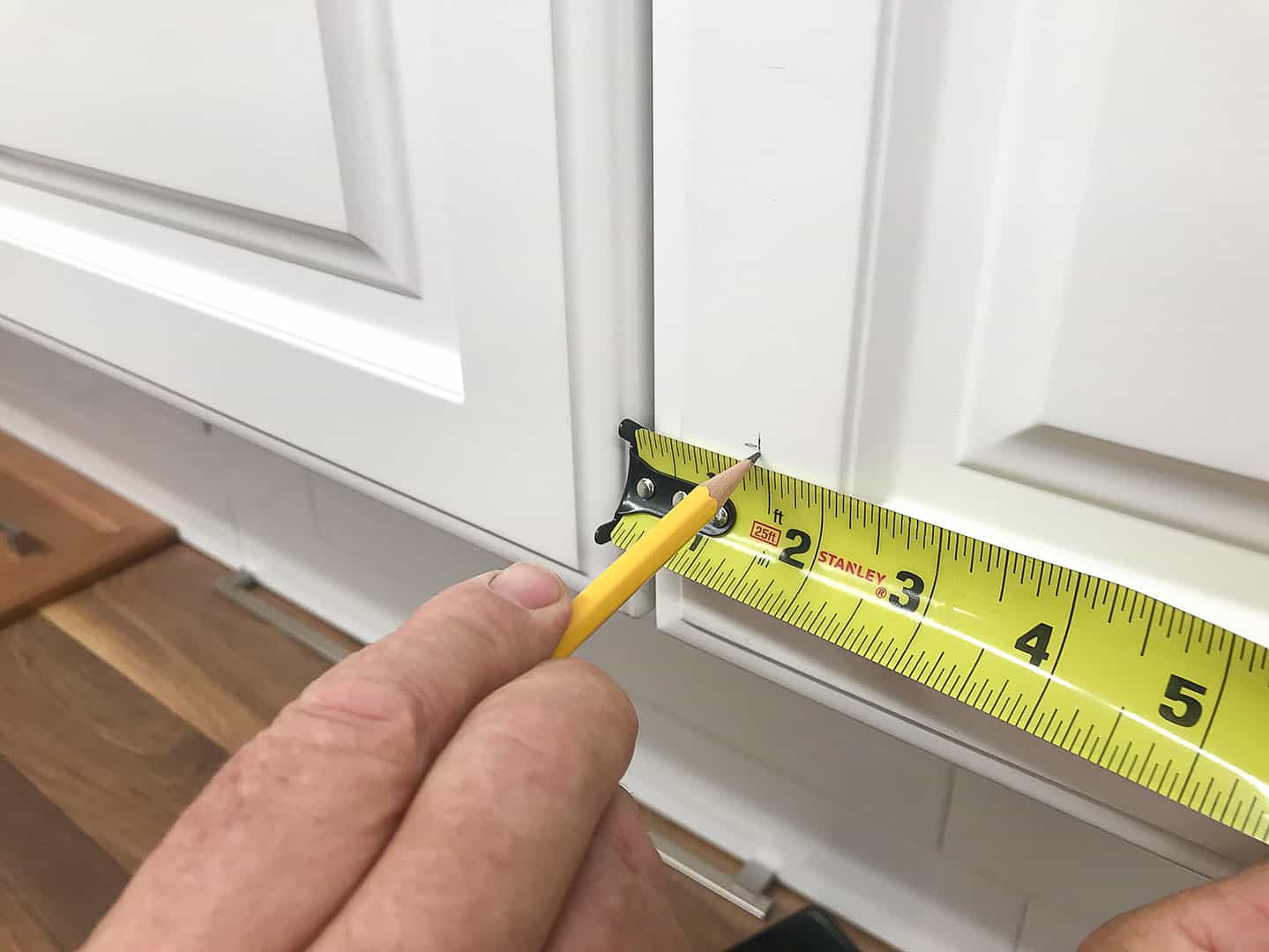
A good tape measure is vital for accurate length and width checks. Choose one with clear, easy-to-read markings. A ruler or a small straightedge helps verify short distances and hole spacing.
A pencil marks drill spots precisely on wood surfaces. A level ensures pulls or knobs are straight and even. For center-to-center measurements, a caliper or a drill bit gauge can be handy.
Using these tools together improves measurement accuracy and installation quality. They make your cabinet hardware project smoother and more professional.

Credit: porchdaydreamer.com
Frequently Asked Questions
What Is The 1/3 Rule For Cabinet Pulls?
The 1/3 rule for cabinet pulls means the pull’s length should be about one-third the drawer’s width or cabinet door’s height. This ensures a balanced look and comfortable grip.
Should I Use 1 Or 2 Pulls On A 30 Inch Drawer?
Use two pulls on a 30-inch drawer for balanced aesthetics and better grip. One pull may feel awkward and less functional.
What Is The Rule Of Thumb For Cabinet Handles?
The rule of thumb for cabinet handles is to choose a pull about one-third the width of the drawer or height of the door. This ensures a balanced look and comfortable grip.
What Size Pulls For 42 Cabinets?
For 42″ cabinets, choose pulls about 14″ long, following the one-third rule of the cabinet width. This size ensures a balanced, comfortable grip and complements the cabinet’s proportions.
Conclusion
Measuring cabinet hardware is simple with the right steps. Always measure carefully to get accurate results. Use the center-to-center method for pulls and knobs. Remember the one-third rule for pull length on drawers and doors. This keeps your cabinets looking balanced and functional.
Take your time and double-check measurements before buying. Proper measurement helps avoid mistakes and saves time. Enjoy a smooth installation and a fresh cabinet look.