Are you tired of your old cabinet hardware dragging down the look of your kitchen or bathroom? Changing the color of your cabinet handles and knobs is a simple way to refresh your space without spending a lot of money.
Imagine giving your cabinets a brand-new style that matches your personality and home decor perfectly. In this guide, you’ll discover easy, step-by-step tips to transform your hardware quickly and beautifully. Ready to see how a small change can make a big difference?
Keep reading, and you’ll be amazed at how simple it is to update your cabinets like a pro.

Credit: brandtcph.com
Tools And Materials Needed
Changing the color of cabinet hardware requires the right tools and materials. These help ensure a smooth, lasting finish. Prepare carefully for the best results. Gather everything before starting to save time and avoid mistakes.
Types Of Cabinet Hardware
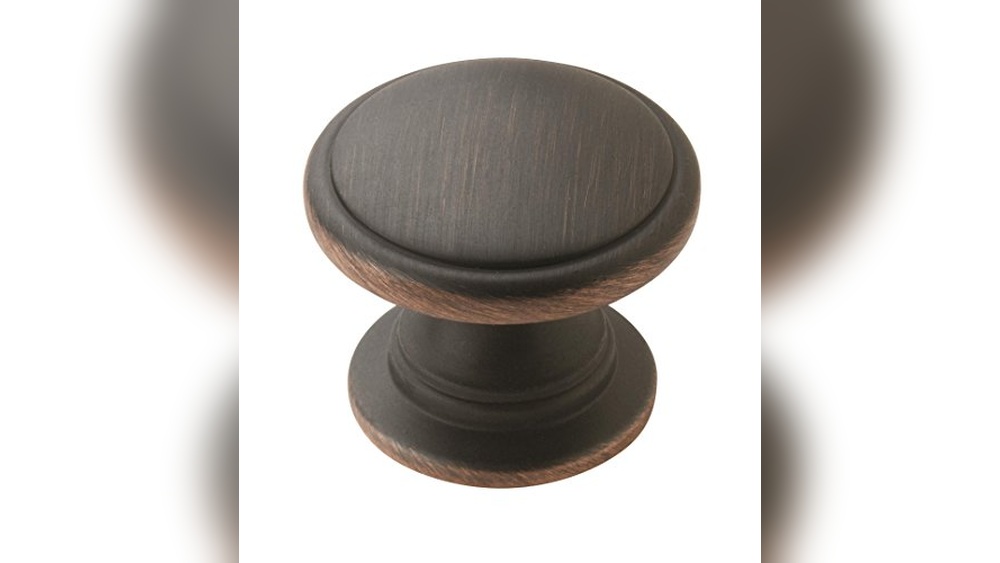
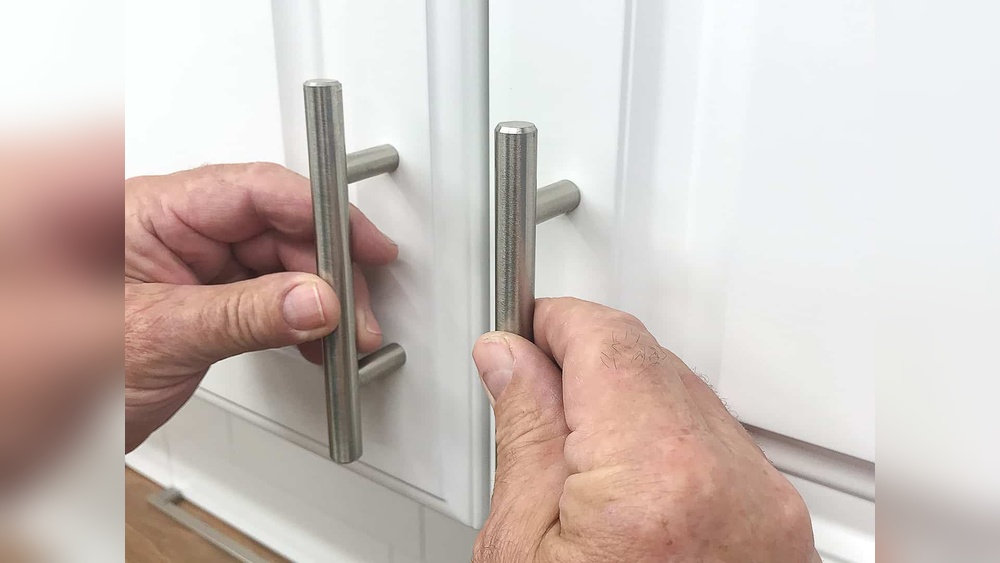
Cabinet hardware includes knobs, pulls, and handles. They come in metal, plastic, or wood. Different materials need different preparation and paint types. Identify your hardware material for the best finish.
Paints And Finishes
Choose paint made for metal or plastic surfaces. Spray paint works well for even coverage. Use primer to help paint stick better. Finish with a clear coat for durability and shine. Matte, satin, or glossy finishes change the look.
Essential Tools
Remove hardware with a screwdriver. Use sandpaper to smooth surfaces. Clean hardware with soap and water. Use painter’s tape to protect areas you don’t want painted. Have gloves and a mask for safety. Use a drop cloth to keep your workspace clean.
Credit: julieblanner.com
Preparing The Hardware
Preparing cabinet hardware is the first step in changing its color. Proper preparation ensures the paint or finish will stick well. It also helps achieve a smooth and lasting result. Take your time to prepare each piece carefully. This section explains how to get hardware ready for painting or refinishing.
Removing Cabinet Handles And Knobs
Start by unscrewing all cabinet handles and knobs. Use a screwdriver that fits the screws properly. Keep screws and hardware parts in a small container. This prevents losing anything. Removing hardware makes cleaning and painting easier. It also stops paint from getting on your cabinets.
Cleaning And Sanding
Clean each piece with warm, soapy water to remove dirt and grease. Dry hardware completely with a soft cloth. Lightly sand the surface using fine-grit sandpaper. Sanding roughens the surface so paint sticks better. Wipe off sanding dust with a clean, dry cloth before painting.
Protecting Surrounding Areas
Cover your workspace with newspaper or a drop cloth. Use painter’s tape to protect areas near the hardware. This keeps paint off surfaces you do not want to paint. Protection helps keep your project neat and tidy. It saves time cleaning up after painting.
Choosing The Right Paint
Choosing the right paint is key to changing the color of your cabinet hardware successfully. The paint type affects how the hardware looks and how long it lasts. Picking the wrong paint can lead to peeling or fading. Understanding the differences in paint types helps you get the best results for your project.
Spray Paint Vs. Brush-on Paint
Spray paint offers a smooth, even coat with no brush marks. It works well on small or detailed hardware parts. Spray paint dries faster, saving time. Brush-on paint lets you control the amount you apply. It works best for larger surfaces or when you want a thicker finish. Both types need thin, even layers for good coverage.
Durability And Finish Options
Durability matters because cabinet hardware faces daily use. Choose paints labeled as durable or suitable for metal. Satin and semi-gloss finishes resist fingerprints and scratches. Matte finishes hide imperfections but may wear faster. Clear topcoats add extra protection and shine. Proper curing time increases paint strength and lifespan.
Color Selection Tips
Pick colors that match your kitchen style and cabinets. Neutral tones like black, white, or silver fit most looks. Bold colors add a pop and highlight hardware details. Test paint colors on a small piece before the full job. Consider lighting in your kitchen to see true color. Choose colors that complement your overall room design.
Painting Process
Changing the color of cabinet hardware through painting is a simple way to refresh your kitchen or bathroom. This process needs careful steps to get a smooth, lasting finish. The painting process includes preparing the hardware, applying paint layers, and allowing proper drying time. Follow these steps to achieve great results.
Priming The Hardware
Start by cleaning the hardware well. Remove all dirt, grease, and old paint. Use a mild soap and water, then dry completely. Apply a primer made for metal surfaces. The primer helps the paint stick better and lasts longer. Use a thin, even coat. Let the primer dry fully before the next step.
Applying Paint Coats
Choose a spray paint or brush-on paint made for metal. Apply thin, even coats to avoid drips. Wait for each coat to dry before applying the next. Usually, two or three coats are enough. Paint all sides of the hardware carefully. Take your time to cover every detail for the best look.
Drying And Curing Time
Allow the paint to dry for at least one hour between coats. After the final coat, let the hardware dry fully for 24 hours. This drying time helps prevent scratches and smudges. For best durability, let the paint cure for a few days before reinstalling. Handle the hardware gently during this time to keep the finish perfect.
Sealing And Protecting
Sealing and protecting your cabinet hardware is essential after changing its color. It keeps the new finish safe from scratches, moisture, and wear. A proper sealant extends the life of your hardware and maintains its fresh look for longer.
Types Of Sealants
Choose a sealant that suits your hardware’s material and finish. Clear spray sealants are easy to use and work well on metal. Brush-on polyurethane offers strong protection but may alter the gloss. Wax sealants provide a soft shine and are good for antique finishes.
Application Techniques
Clean the hardware before applying any sealant. Use thin, even coats to avoid drips and bubbles. Spray sealants should be applied outdoors or in a well-ventilated area. Allow each coat to dry fully before applying the next one for best results.
Maintenance Tips
Wipe your hardware regularly with a soft cloth to remove dust and dirt. Avoid harsh cleaners that can damage the sealant. Reapply sealant every year or when you notice wear. Proper care keeps your cabinet hardware looking new longer.
Reinstalling The Hardware
Reinstalling cabinet hardware is the final step after changing its color. This process helps complete the fresh look. It requires care to avoid damage and ensure a good fit. Follow clear steps to get your hardware back in place securely.
Checking For Dryness
Make sure the paint or finish on the hardware is fully dry. Wet paint can smudge and ruin your work. Wait at least 24 hours for complete drying. Touch the surface gently to check for stickiness. Only proceed if it feels dry and hard.
Proper Installation Steps
Start by lining up the hardware with the screw holes on the cabinet. Use the original screws unless they are damaged. Tighten screws slowly to avoid stripping the holes. Use a screwdriver that fits well to prevent slipping. Check the alignment before fully tightening the screws.
Adjustments And Final Touches
After installing, open and close the cabinet doors to test the hardware. Adjust screws if the hardware feels loose or uneven. Clean any fingerprints or dust from the hardware surface. Polish gently with a soft cloth to bring out the shine. Your cabinets look fresh and ready for use.
Common Mistakes To Avoid
Changing the color of cabinet hardware is a simple way to refresh your space. Avoiding common mistakes can save time and effort. These errors often cause poor results or extra work. Follow these tips to get a smooth, lasting finish.
Skipping Preparation
Preparation is key to a good paint job. Clean the hardware well to remove dirt and grease. Sand the surface lightly to help paint stick better. Skipping these steps leads to peeling or uneven color. Always take time to prep before painting.
Using The Wrong Paint
Not all paints work well on metal hardware. Choose paint made for metal or multi-surface use. Avoid regular wall paint; it can chip or scratch easily. Using the right paint ensures durability and a smooth look.
Rushing Drying Time
Patience matters when drying painted hardware. Let each coat dry completely before adding another. Rushing causes smudges, bubbles, or uneven texture. Follow the paint instructions for drying times. Proper drying keeps the finish clean and strong.
Creative Ideas For Customization
Customizing cabinet hardware is a fun way to refresh your space. It lets you add personality and style without big changes. Small tweaks can create a unique look that fits your taste perfectly.
Explore creative ideas to make your cabinet hardware stand out. Try mixing colors, adding decorations, or matching styles for a fresh feel.
Mixing Colors And Patterns
Use different colors to create contrast or harmony. Mix bright and neutral tones for a lively effect. Patterns like stripes or dots on knobs add charm. Try painting handles in two colors for a bold look. This approach makes your cabinets unique and eye-catching.
Adding Decorative Elements
Decorate hardware with small gems or stickers. Wrap handles with thin ribbons or twine for texture. Attach tiny charms for a personal touch. Use stencils to paint designs on knobs. These elements make simple hardware more interesting and fun.
Matching With Cabinet Styles
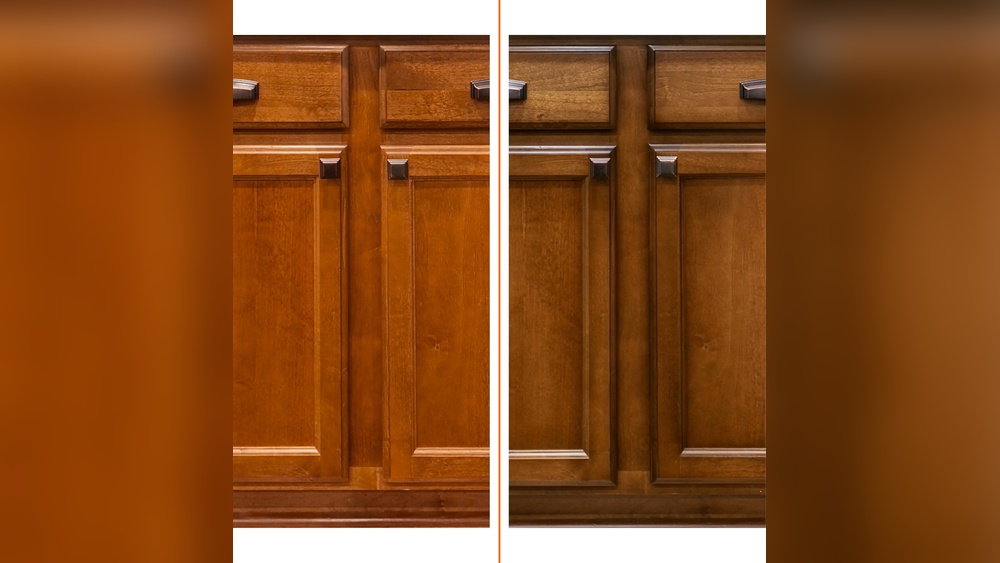
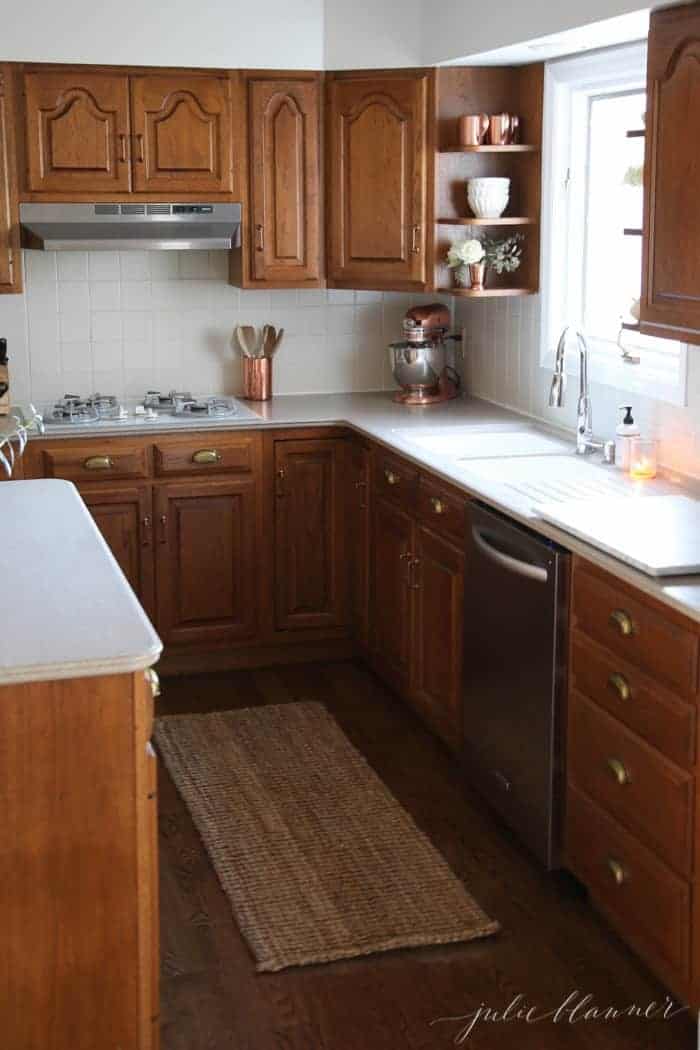
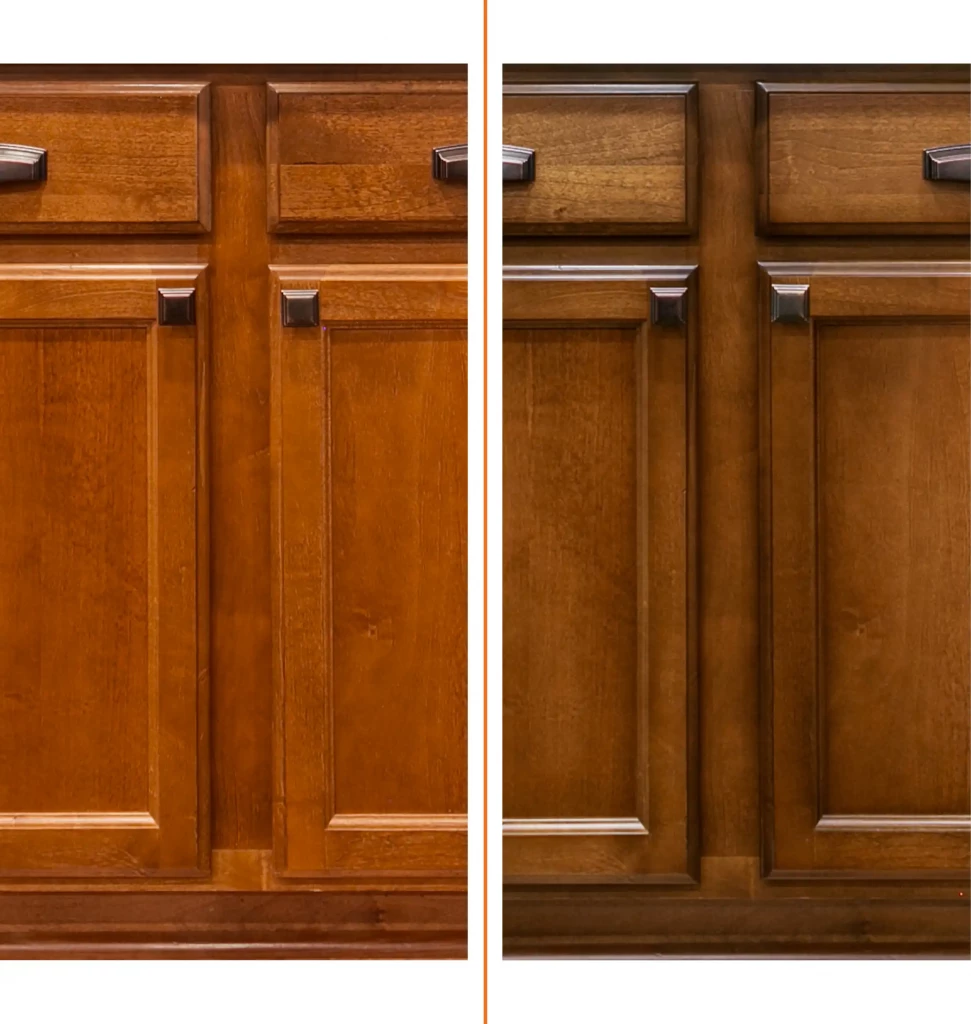
Choose hardware colors that match the cabinet finish. For wooden cabinets, warm tones work best. White cabinets look great with silver or gold. Modern cabinets suit sleek, metallic hardware. Classic cabinets pair well with vintage-style handles. Matching styles keeps your kitchen or bathroom balanced and stylish.
Credit: www.nhance.com
Frequently Asked Questions
How Do I Change Cabinet Hardware Color Easily?
Start by removing the hardware and cleaning it thoroughly. Use spray paint or metal paint designed for hardware. Apply thin, even coats and let each layer dry fully for best results.
What Tools Are Needed To Paint Cabinet Hardware?
You need a screwdriver, sandpaper, primer, spray paint, and clear sealant. These tools help prep, paint, and protect the hardware for a lasting finish.
Can I Paint Cabinet Hardware Without Removing It?
It’s best to remove hardware for even coverage. Painting hardware in place risks uneven paint and mess on cabinets.
How Long Does Painted Cabinet Hardware Last?
Properly painted hardware lasts several years. Use durable paint and sealant, and avoid harsh cleaners to maintain the finish.
Conclusion
Changing the color of cabinet hardware can refresh any room quickly. Small updates like this bring a fresh look without much cost. Choose a color that fits your style and space. Clean the hardware well before starting to paint or spray.
Let each coat dry fully for the best finish. Simple steps, big impact. Try it yourself and see how much difference it makes. Enjoy your new, stylish cabinets every day.