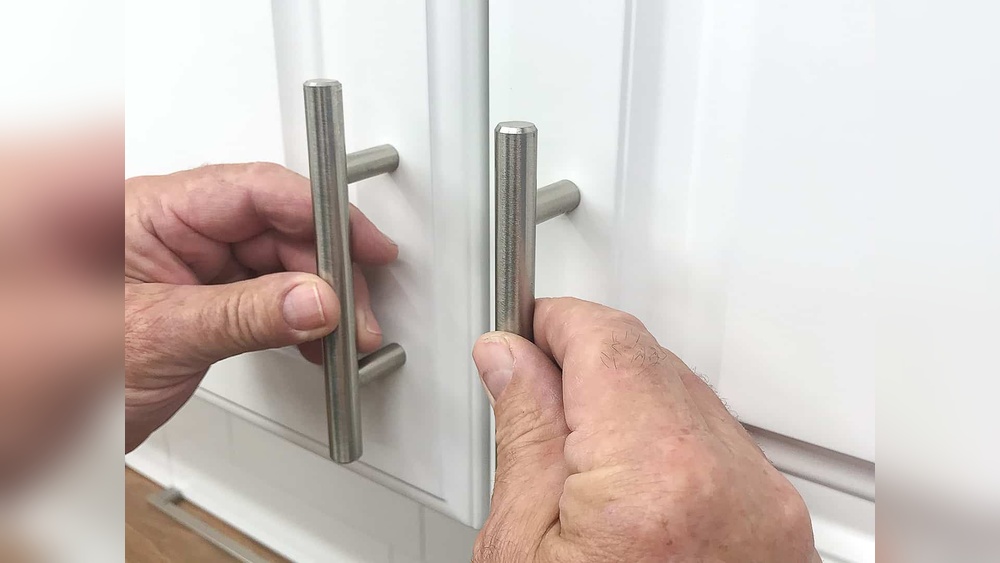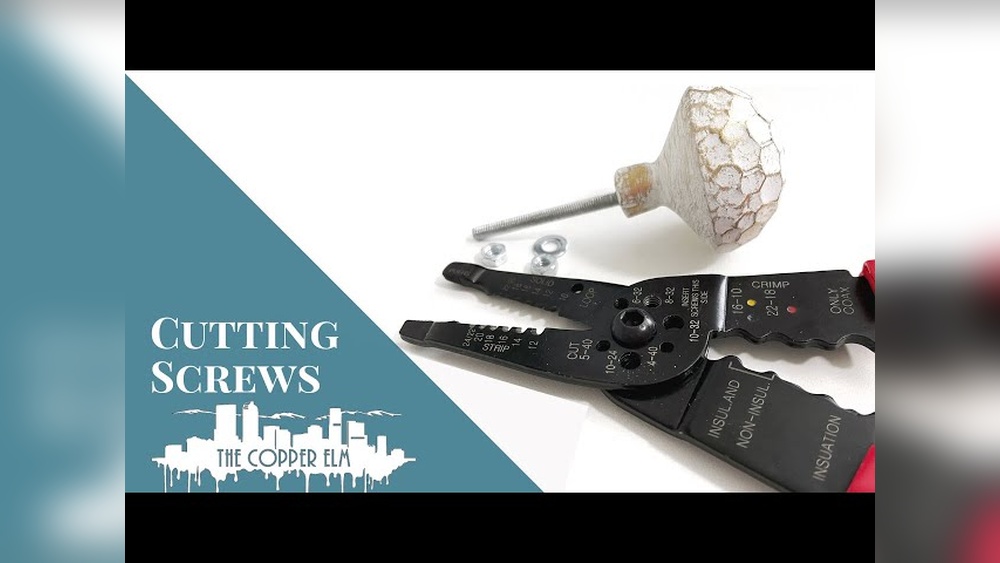
Are your cabinet hardware screws just a bit too long? Struggling with screws that stick out or don’t fit properly can turn a simple project into a frustrating one.
But cutting those screws to the perfect size doesn’t have to be hard. In this guide, you’ll learn easy, step-by-step ways to trim your cabinet hardware screws quickly and safely. Keep reading to discover tips that will save you time and make your cabinets look flawless.
You’ll wonder why you didn’t learn this trick sooner!
Credit: www.homedepot.com
Tools Needed
Cutting cabinet hardware screws requires the right tools. Using proper tools makes the task safe and easy. It also ensures a clean cut without damaging the screws or cabinets. Below are the essential tools you need for this job.
Types Of Screw Cutters
Screw cutters come in different styles. Bolt cutters are strong and good for thick screws. They work by squeezing the handles together to cut the screw.
Wire cutters are smaller and more precise. They work well on thin screws or small hardware. These cutters look like scissors but are made for metal.
Hacksaws can also cut screws. They require more effort but work well for screws that are too thick for cutters. A fine-tooth blade helps make a smooth cut.
Additional Helpful Tools
A ruler or measuring tape helps measure the screw length before cutting. Marking the screw with a pencil shows where to cut.
A file is useful to smooth the cut end of the screw. This prevents sharp edges that can cause injury or damage the cabinet.
Safety glasses protect your eyes from metal shards. Gloves protect your hands and improve grip.

Credit: www.amazon.com
Preparing The Screws
Preparing the screws is the first step to cutting cabinet hardware screws correctly. It helps ensure the screws fit perfectly and hold well. Proper preparation saves time and prevents damage to the cabinet or hardware.
Measuring The Desired Length
Start by measuring the length you need for the screws. Use a ruler or tape measure for accuracy. Measure twice to avoid mistakes. Mark the length clearly on the screw with a pencil or marker. This step sets the guide for cutting and ensures the screw fits well.
Marking The Cut Point
Next, mark the exact spot where you will cut the screw. Use a fine-tip marker or nail to make a clear line. Check the mark from different angles to be sure. A clear cut point helps you cut straight and prevents rough edges. This makes the screw easier to use and safe to handle.
Cutting Techniques
Cutting cabinet hardware screws is a simple task if you know the right techniques. Using the correct tool helps you achieve a clean cut without damaging the screw or the cabinet. Different tools work best depending on the screw size and material. Learn these easy cutting methods to get the job done fast and safely.
Using Wire Cutters
Wire cutters work well for thin screws or soft metal. Hold the screw firmly and place the cutters near the spot to cut. Apply steady pressure and squeeze the handles. The cutters will snip the screw quickly. Avoid twisting the screw during cutting to keep the edge smooth.
Using A Hacksaw
A hacksaw fits best for thicker screws or hard metal. Clamp the screw in a vise or hold it tight. Use slow, even strokes with the saw to cut through the screw. Keep the blade straight to avoid bending the screw. Clean any rough edges with a file after cutting.
Using A Rotary Tool
Rotary tools offer precision for cutting screws. Attach a cutting disc and secure the screw. Turn on the tool and gently guide the disc to the screw. Cut slowly to prevent overheating or damage. This method is great for odd angles or tight spaces.
Smoothing Rough Edges
After cutting cabinet hardware screws, rough edges often remain. These edges can cause injuries or damage surfaces. Smoothing these edges is important for safety and a clean look. This section explains easy ways to smooth rough screw edges.
Filing Tips
Use a small metal file to smooth the cut end. Hold the screw firmly to avoid slipping. File in one direction, not back and forth. Check the edge often to avoid removing too much metal. A fine-toothed file works best for small screws. Wear gloves to protect your hands during filing.
Sanding Methods
Sandpaper can also smooth rough edges quickly. Choose a fine grit sandpaper, like 220 or higher. Wrap sandpaper around a small block or stick for better control. Rub the cut end gently in a circular motion. Test the screw edge with your finger to check smoothness. Repeat sanding until the edge feels safe and neat.
Safety Tips
Cutting cabinet hardware screws requires care to avoid injuries. Safety tips help protect you during the task. Follow these steps to stay safe and finish your work smoothly.
Protective Gear
Wear safety glasses to shield your eyes from flying metal bits. Use gloves to protect your hands from sharp edges. Closed-toe shoes help avoid foot injuries from dropped tools or screws. Choose sturdy clothing to cover your skin and prevent cuts.
Safe Handling Practices
Hold the screw firmly but not too tight to prevent slipping. Use the right tool designed for cutting screws. Cut screws on a stable surface to keep control. Keep your fingers away from the cutting area. Dispose of metal scraps carefully to avoid harm.
Common Mistakes To Avoid
Cutting cabinet hardware screws sounds simple but many make mistakes. These errors can waste time and damage your hardware. Avoiding common pitfalls helps you get clean cuts and strong fittings. Pay close attention to the details below to improve your results.
Cutting Too Short
Cutting screws too short is a frequent error. A screw that is too short may not hold the cabinet hardware firmly. Always measure twice before cutting. Leave a little extra length to avoid cutting too much. You can trim more later if needed, but you cannot add length back.
Damaging Screw Threads
Many damage the screw threads while cutting. Threads are the ridges that help the screw grip tightly. Using the wrong tool or cutting carelessly can crush these threads. Protect the threads by wrapping tape around the screw before cutting. Use a proper metal cutter and cut gently. Damaged threads make screws weak and hard to use.
Alternative Solutions
Cutting cabinet hardware screws can be tricky without the right tools. Alternative solutions can save time and effort. These methods help adjust screws without complex steps. They also avoid damage to your cabinets or hardware.
Using Pre-cut Screws
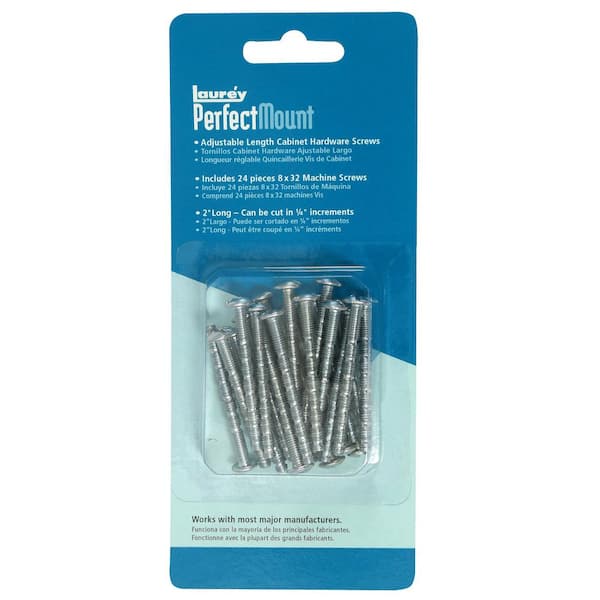
Pre-cut screws come in different lengths. You can choose one that fits your cabinet hardware perfectly. This avoids the need to cut screws yourself. Hardware stores often sell these screws. They save effort and reduce mistakes. Using the right length improves cabinet handle stability.
Adjusting Cabinet Hardware
Sometimes, adjusting the hardware position helps more than changing screws. Move the handle slightly to fit longer screws. Use washers to fill small gaps if screws are too long. Tighten the screws carefully to avoid damage. This method works well with fragile cabinets. It keeps your hardware secure without cutting screws.
Credit: www.woodworkerexpress.com
Frequently Asked Questions
How Do I Measure Screws Before Cutting?
Measure the screw length needed using a ruler or tape measure. Mark the desired length clearly with a marker or tape. Accurate measurement ensures the screw fits perfectly without damage to the cabinet or hardware.
What Tools Are Best To Cut Cabinet Screws?
Use a hacksaw, bolt cutters, or a rotary tool with a cutting disc. These tools provide clean, precise cuts and are easy to handle for small hardware screws.
Can I Cut Screws Without Damaging Threads?
Yes, cutting screws carefully with the right tool preserves threads. Use a fine-toothed hacksaw or rotary tool and file any rough edges gently after cutting.
How To Smooth Rough Edges After Cutting Screws?
Use a metal file or sandpaper to smooth rough edges. This prevents injury and ensures screws thread easily into hardware without damage.
Conclusion
Cutting cabinet hardware screws is simple with the right tools. Measure twice to get the perfect length. Use a proper cutter or saw for clean cuts. Take your time to avoid damaging the screws. Properly cut screws make installation easier and sturdier.
Small steps bring big results in cabinet projects. Now, you can handle hardware screws confidently and safely. Keep practicing to improve your skill and speed. Enjoy your improved cabinets with neat, secure hardware.