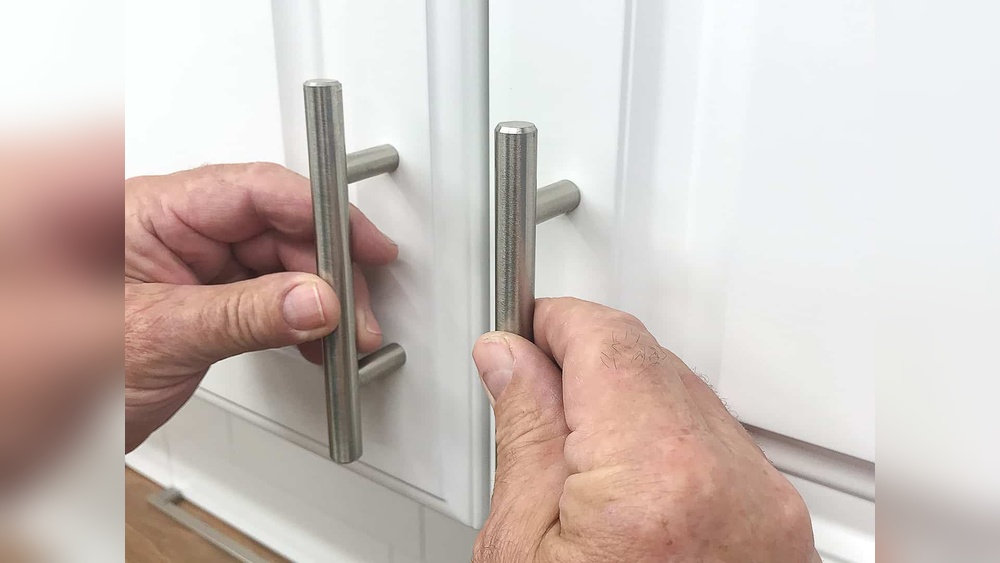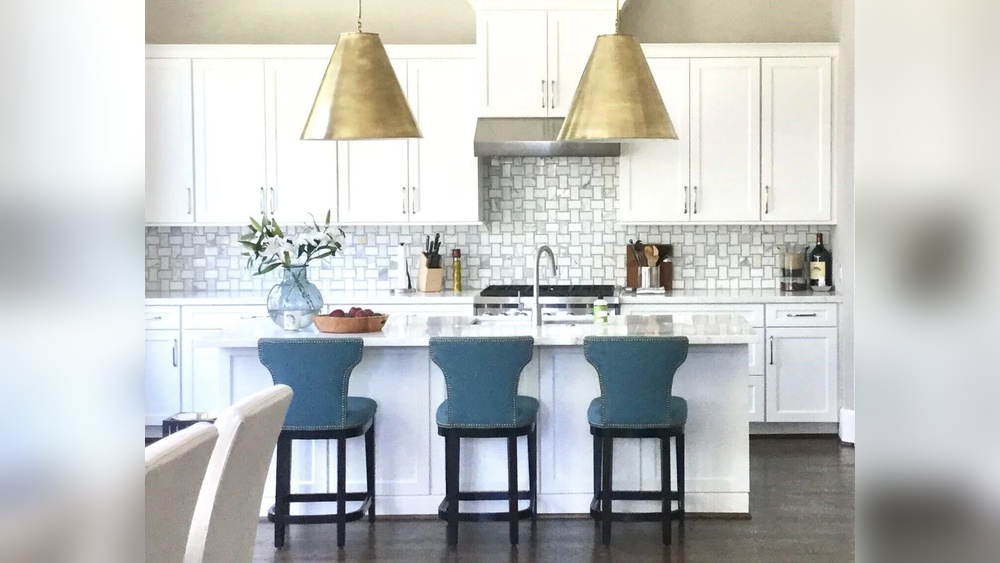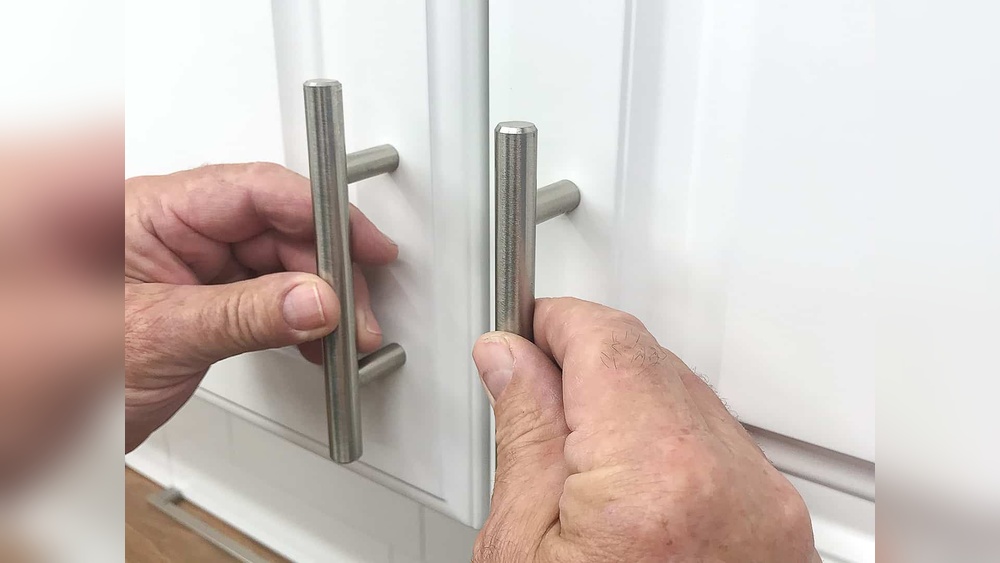
Are you wondering exactly when cabinet hardware should be installed in your home makeover? Getting the timing right can save you time, avoid damage, and make your project flow smoothly.
Whether you’re updating your kitchen, bathroom, or any other space, knowing when to add handles, knobs, and pulls matters more than you might think. Keep reading to discover the best moment to install your cabinet hardware and ensure your renovation looks flawless from start to finish.
Choosing The Right Moment
Choosing the right moment to install cabinet hardware affects the final look and ease of your project. Timing helps avoid damage and extra work. It also ensures the hardware fits well and works smoothly. Understanding when to install can save time and effort.
Before Or After Painting
Installing hardware before painting can protect the handles from paint splatters. But it may make painting harder in tight spots. Painting first lets you cover the whole cabinet evenly. You avoid paint marks on the hardware. Choose based on your painting skills and hardware type.
During Cabinet Assembly
Adding hardware during assembly helps check alignment early. It allows easy adjustments before everything is fixed. This method can speed up the process. But it may risk scratching the hardware during assembly. Consider your comfort with handling parts carefully.
After Installing Cabinet Doors
Installing hardware after the doors are hung gives the best fit. It ensures handles and knobs match door placement perfectly. This approach avoids mistakes in hole placement. It may take more time but offers a cleaner finish. Ideal for those who want precise results.
Factors Influencing Installation Timing
Several factors affect the timing of cabinet hardware installation. These factors help decide the best moment to attach handles, knobs, or pulls. Proper timing ensures smooth installation and avoids damage.
Understanding these elements helps plan the project efficiently. It also saves time and effort during the renovation or building process.
Type Of Cabinet Material
Different cabinet materials need different handling. Softwood cabinets may require hardware installation later to avoid dents. Hardwoods allow earlier installation due to their strength. Particleboard or MDF cabinets may need extra care to prevent splitting. Knowing the material guides the right time to install hardware.
Hardware Style And Size
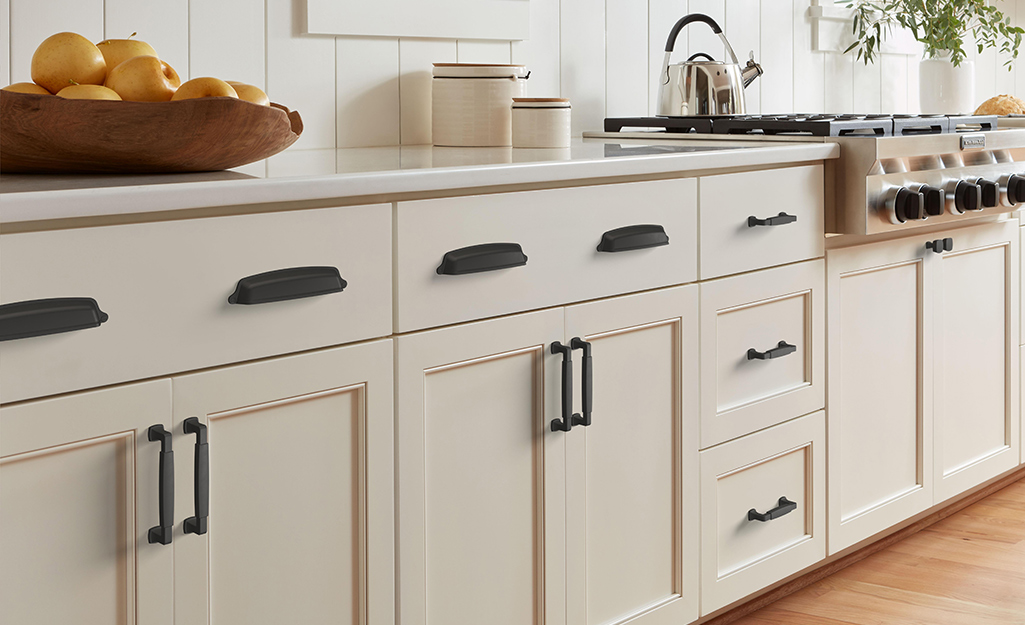
The size and style of hardware influence installation timing. Large or heavy pulls might need extra support before installation. Small knobs are easier to attach early in the process. Decorative hardware may require precise placement, which can delay installation. Choosing the right time avoids mistakes and ensures proper alignment.
Project Scale And Complexity
Small projects allow faster hardware installation. Large or complex projects take more time to finish other tasks first. Multiple cabinet types and finishes can slow down the process. Coordinating with other work like painting or tiling affects timing. Planning installation at the right stage avoids damage and rework.
Tools And Preparation
Installing cabinet hardware requires careful tools and preparation. This step ensures a smooth and accurate process. Proper preparation saves time and prevents mistakes. Before starting, gather all necessary tools and prepare the cabinet surfaces well.
Essential Tools For Installation
Use a drill or screwdriver for fastening screws. A tape measure helps to place hardware evenly. A pencil is needed for marking spots. A level ensures the hardware is straight. Small clamps can hold hardware in place. Keep extra screws handy for replacements.
Measuring And Marking Tips
Measure twice to avoid errors. Mark the exact spot for each piece of hardware. Use a pencil to make light marks. Check alignment with a level before drilling. Consistent spacing looks neat and professional. Mark all holes before drilling.
Preparing Cabinet Surfaces
Clean the cabinet surface with a cloth. Remove dust and grease to help screws hold. Fill any holes or dents with wood filler. Sand the surface smooth after filler dries. Make sure the surface is dry before installation. This ensures hardware fits well and stays secure.
Credit: www.homedepot.com
Common Installation Mistakes
Installing cabinet hardware seems easy but many make common mistakes. These errors affect both look and function. Avoiding these issues saves time and effort. Understanding typical mistakes helps you get perfect results.
Misaligned Hardware
Hardware that is not straight looks bad and feels wrong. Doors and drawers may not close well. Measuring twice and marking carefully prevents this problem. Use a level or template to keep handles even. Take your time to check alignment before drilling.
Wrong Screw Length
Using screws that are too long or too short causes damage. Long screws can crack the wood. Short screws may not hold the hardware firmly. Choose screws that fit your cabinet thickness. Always match screws to the hardware size and type.
Ignoring Manufacturer Instructions
Skipping instructions leads to mistakes and hardware failure. Each hardware set has special rules for installation. Follow steps carefully to avoid problems. Instructions show the right tools and parts needed. Reading them saves frustration and ensures a secure fit.
Optimizing Installation Efficiency
Installing cabinet hardware can be a time-consuming task without the right approach. Optimizing installation efficiency saves time and reduces errors. It helps complete the project faster and with better results.
Batch Drilling Techniques
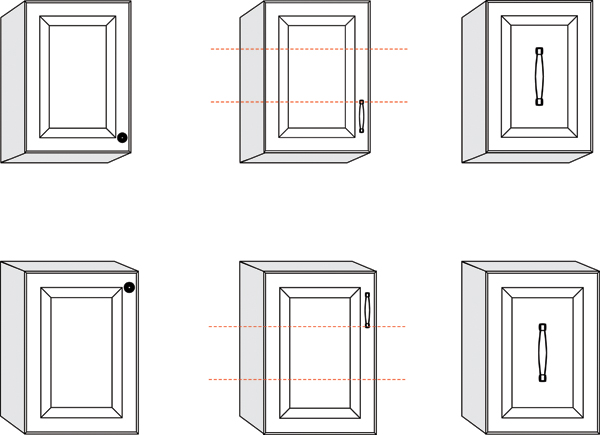
Batch drilling means drilling holes for many pieces at once. This method reduces the need to measure and mark each piece separately. It keeps hole placement consistent across all cabinets. Using a drill press or a guide helps speed up the process. Batch drilling lowers the chance of mistakes and uneven holes.
Using Templates And Jigs
Templates and jigs guide the drill to the right spots. They ensure that all holes are drilled in the exact same place. This tool saves time on measuring and marking. Templates can be made from wood, plastic, or metal. Using jigs improves accuracy and keeps hardware aligned perfectly.
Team Coordination Tips
Working with a team can speed up the installation. Assign specific tasks like drilling, screwing, and quality checking. Clear communication avoids confusion and mistakes. Plan the workflow so each person knows their role. Teamwork helps complete the job smoothly and faster.
Credit: www.cabinetknob.com
Maintenance And Adjustments Post-installation
After installing cabinet hardware, maintenance keeps it working well. Small checks and fixes can extend its life. Regular care prevents bigger problems later.
Checking Hardware Tightness
Hardware can become loose with use. Check screws and handles often. Tighten them gently to avoid damage. Loose hardware affects cabinet function and looks.
Handling Wear And Tear
Hardware parts wear down over time. Look for scratches, rust, or broken pieces. Clean hardware regularly with mild soap and water. Replace damaged parts to keep cabinets safe and attractive.
Upgrading Hardware Later
Changing hardware updates cabinet style easily. Choose new handles or knobs that fit the holes. Upgrade to improve cabinet function or match new decor. Make sure new hardware fits well to avoid extra work.

Credit: www.thriftydecorchick.com
Frequently Asked Questions
When Should Cabinet Hardware Be Installed?
Cabinet hardware is typically installed after cabinet painting or staining. This prevents damage to the finish and ensures proper alignment.
Can Hardware Be Installed Before Cabinet Doors?
Installing hardware before doors is not recommended. It may cause scratches or misalignment during door installation.
What Tools Are Needed For Cabinet Hardware Installation?
Basic tools include a drill, screwdriver, measuring tape, and pencil. These ensure accurate placement and secure attachment.
How To Measure For Cabinet Hardware Placement?
Measure from the edge or center of the cabinet door. Consistent measurements help achieve a uniform and professional look.
Conclusion
Cabinet hardware usually goes on after painting or staining. This step helps protect the finish from scratches. Installing hardware before finishing can cause damage. Also, hardware fits best when cabinets are fully dry. Planning the timing saves time and effort later.
Remember, correct installation keeps cabinets looking nice longer. Small details make a big difference in your kitchen. Take your time to do it right. This way, your cabinets look great and work well. Simple steps lead to better results every time.