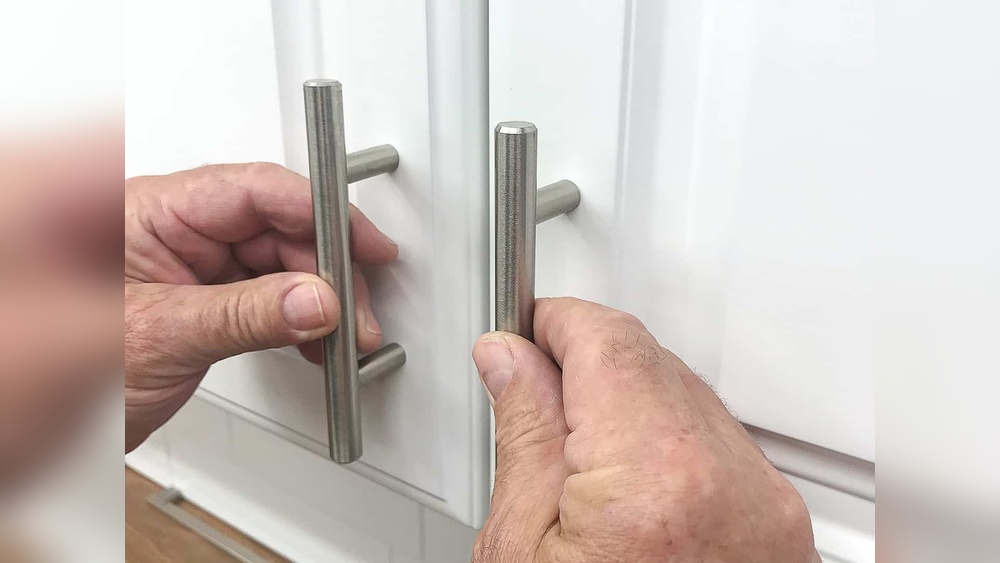
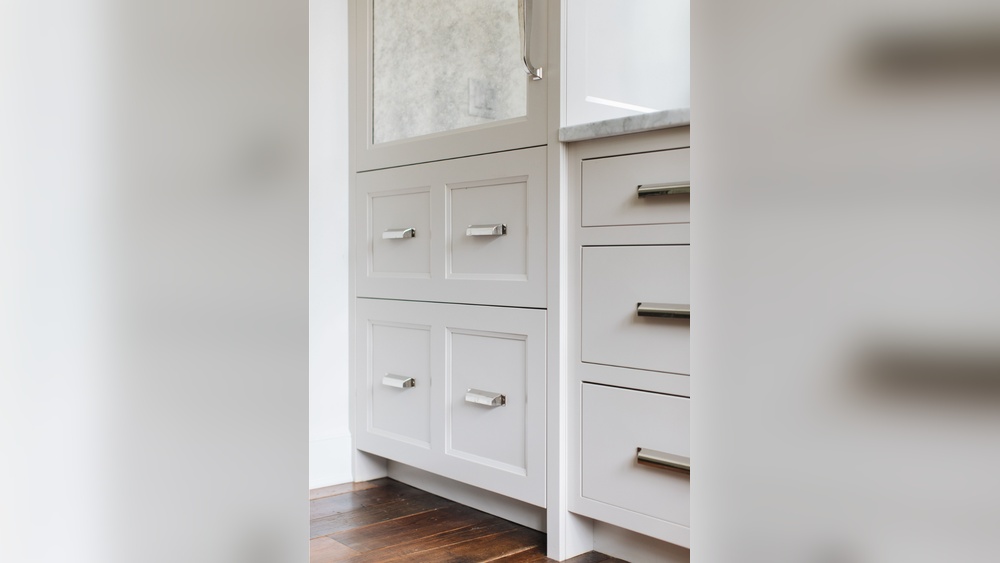
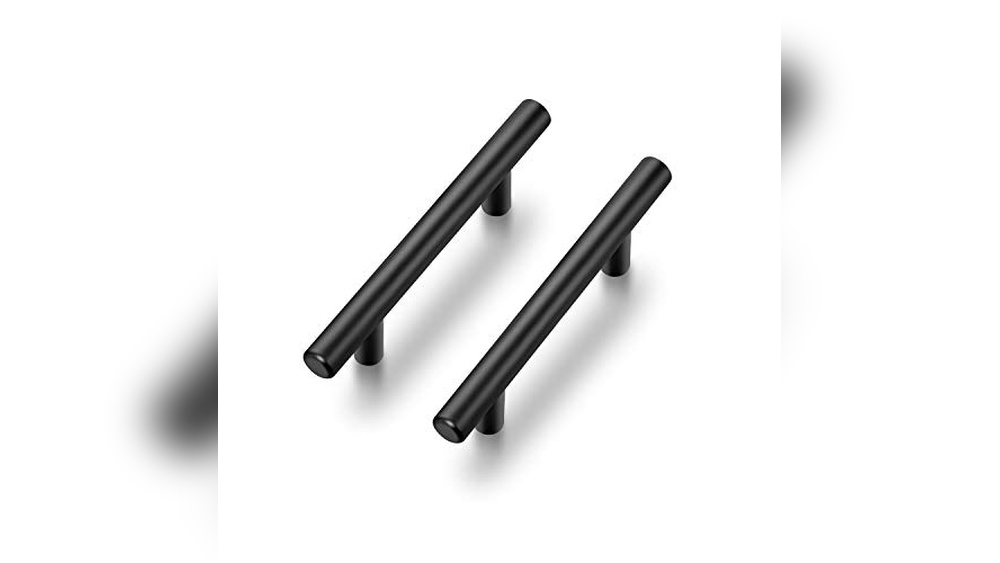
Are your kitchen cabinets looking a bit tired, but you’re not ready for a full remodel? You might be surprised to learn that painting your kitchen cabinet hardware can give your space a fresh, new look without the hassle or cost of replacing everything.
But can kitchen cabinet hardware really be painted? If you’ve ever wondered whether this small change can make a big difference, you’re in the right place. Keep reading to discover how a simple coat of paint could transform your kitchen and save you time and money.
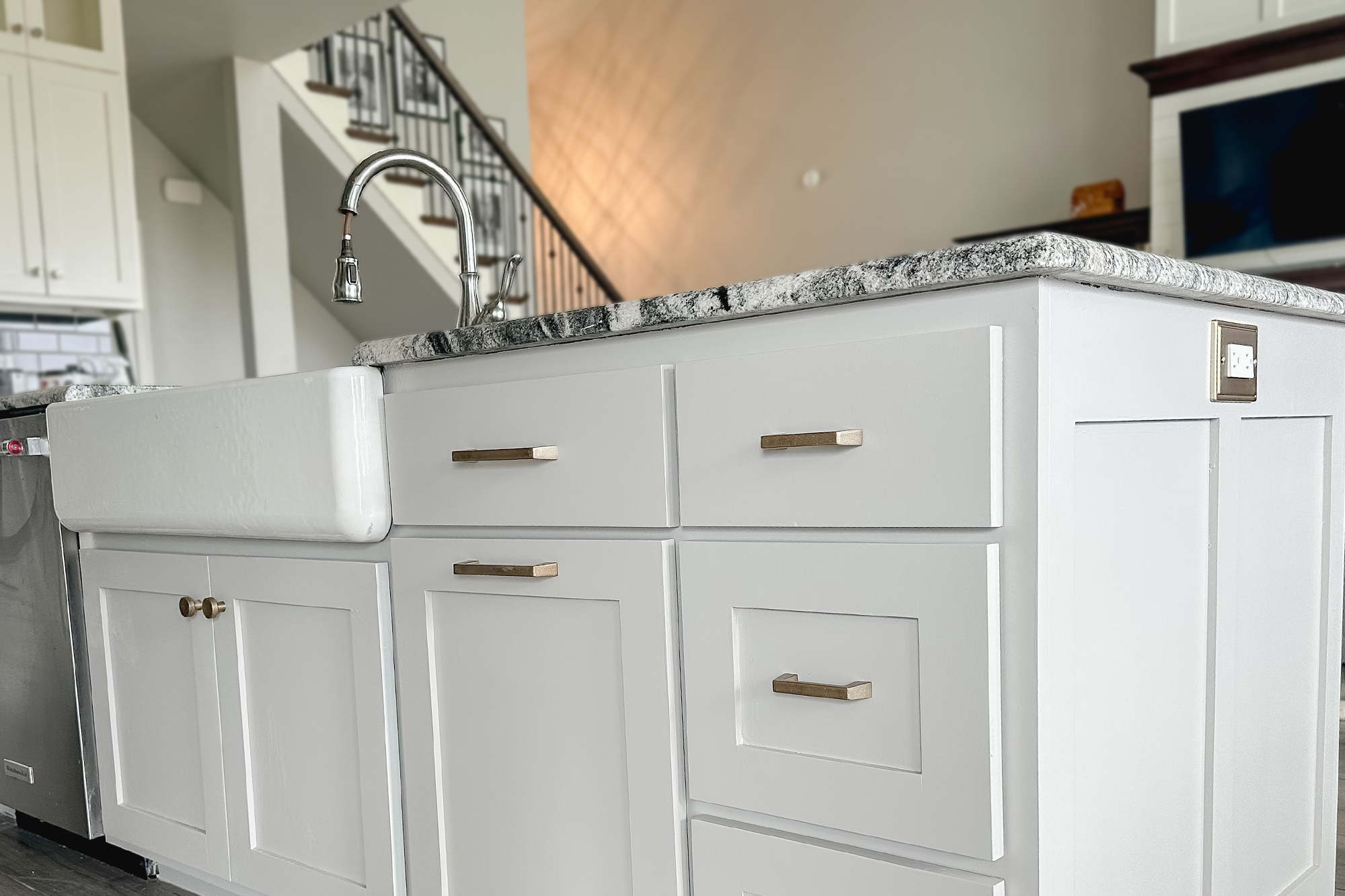
Credit: www.kilz.com
Types Of Kitchen Cabinet Hardware
Kitchen cabinet hardware comes in many types. These small pieces affect your kitchen’s look and feel. Choosing the right hardware helps refresh your space. Knowing the types helps decide if painting is a good option.
Hardware varies by material, finish, and style. Each type has its own care needs and appearance. Understanding these differences guides your painting project.
Materials And Finishes
Hardware can be made from metal, plastic, or wood. Metal options include brass, stainless steel, and zinc. Each metal has a unique shine and strength.
Finishes add color and texture. Common finishes include brushed, polished, and matte. Painted finishes give more color choices. Some finishes need special paint types for good results.
Common Styles
Styles range from classic to modern. Knobs are small and simple. Pulls are longer and easier to grip.
Traditional styles have detailed shapes and curves. Modern styles favor clean lines and minimal design. Rustic styles use rough textures and natural looks.
Choosing the style affects how hardware looks after painting. Some styles hide paint flaws better than others.
Benefits Of Painting Cabinet Hardware
Painting kitchen cabinet hardware offers many benefits. It refreshes the look without replacing pieces. This simple change gives your kitchen a new style and feel. You save money and add a personal touch. Painting lets you match your hardware with your kitchen’s colors and theme.
Cost-effective Makeover
Painting cabinet hardware is affordable. It costs much less than buying new handles or knobs. You only need paint and some basic tools. This small investment makes a big impact on your kitchen’s look. It also avoids the hassle of drilling or fitting new hardware. This method saves both time and money.
Customization Options
Painting lets you choose any color or finish. You can create a unique look to fit your style. Matte, glossy, or metallic—your choice. It allows you to update old hardware to match current trends. You control the design, making your kitchen truly yours. This option gives more creativity than store-bought hardware.
Choosing The Right Paint
Choosing the right paint for kitchen cabinet hardware is key to a successful update. The right paint not only improves the look but also lasts longer. It must stick well to the surface and resist daily wear. Different materials need different types of paint to get the best finish.
Paint Types For Metal And Wood
Metal hardware needs paint made for metal surfaces. Spray paints or enamel paints work well. These paints dry hard and resist chipping. For wooden hardware, use acrylic or latex paint. These types stick well to wood and offer smooth coverage. Primer is important for both metal and wood. It helps paint stick better and prevents rust or stains.
Durability Considerations
Hardware faces constant use and contact with moisture. Choose paint that can handle this wear. Oil-based paints are tough but take longer to dry. Water-based paints dry fast and clean easily. A clear topcoat adds extra protection to both metal and wood. It keeps the paint from scratching and fading. Durability helps your painted hardware stay fresh and beautiful for a long time.

Credit: www.thriftydecorchick.com
Preparation Steps Before Painting
Preparing kitchen cabinet hardware before painting is essential for a smooth finish. Proper preparation helps paint stick better and last longer. It also prevents damage to the hardware and cabinets.
Follow these key steps to prepare your hardware for painting. Each step ensures the best results and a professional look.
Removing Hardware Safely
Remove all cabinet hardware carefully. Use a screwdriver to take off handles, knobs, and hinges. Place screws in a small container to avoid losing them. Handle hardware gently to avoid bending or scratching. This step makes painting easier and cleaner.
Cleaning And Sanding
Clean hardware thoroughly before painting. Use warm, soapy water to remove dirt and grease. Dry completely to prevent rust. Lightly sand the surface with fine-grit sandpaper. Sanding helps paint stick by creating a rough surface. Wipe off sanding dust with a soft cloth.
Priming Techniques
Apply a suitable primer to the hardware before painting. Use a primer made for metal or plastic, depending on the material. Spray primers offer even coverage and reduce brush marks. Allow primer to dry fully for better paint adhesion. Priming prevents peeling and ensures a smooth finish.
Painting Techniques For Best Results
Painting kitchen cabinet hardware can refresh your kitchen look without replacing parts. To get the best results, follow proper painting techniques. These techniques help the paint stick well and last longer. Proper steps prevent chips and uneven color. Here are some key tips for painting hardware successfully.
Brush Vs. Spray Painting
Brush painting works well for small jobs and detailed hardware. It lets you control the paint application easily. Use a high-quality brush to avoid streaks or bristles in the paint. Spray painting covers hardware quickly and evenly. It reaches tight spots and creates a smooth finish. Spray paint requires a well-ventilated area and some practice for even coats.
Applying Multiple Coats
One coat is never enough for kitchen hardware. Apply thin, even layers for better coverage. Let each coat dry fully before adding the next. Multiple coats build a strong, durable surface. Avoid thick coats to prevent drips and uneven textures. Patience here pays off with a professional look.
Drying And Curing Time
Drying means the paint feels dry to the touch. Curing means the paint fully hardens and sticks well. Hardware needs both to avoid scratches and chips. Follow the paint manufacturer’s drying and curing times. Usually, drying takes a few hours, but curing can take days. Handle painted hardware gently until fully cured.
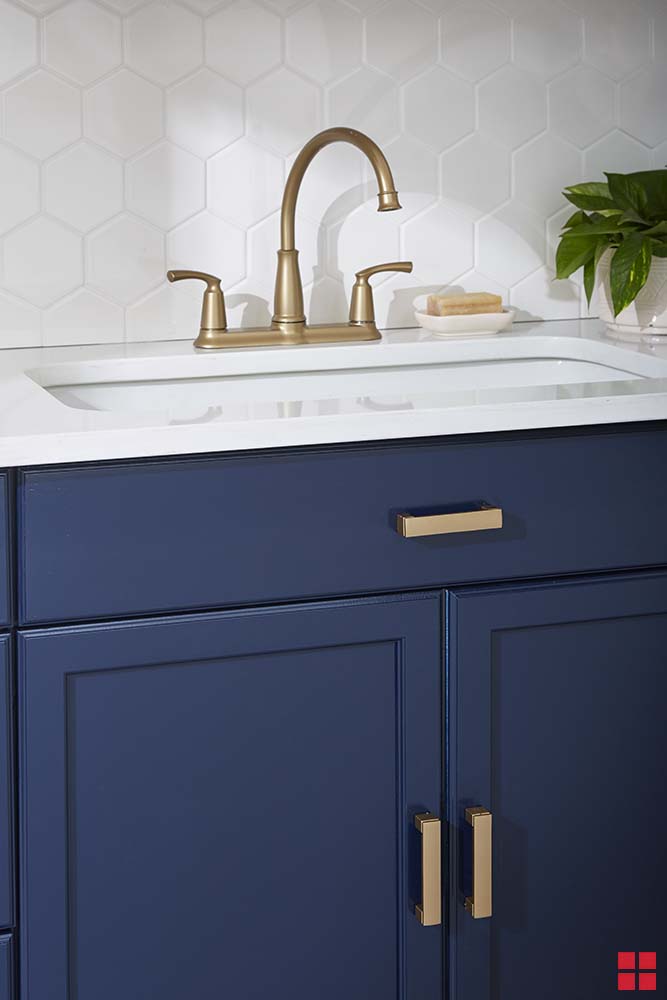
Credit: www.rustoleum.com
Common Mistakes To Avoid
Painting kitchen cabinet hardware can refresh your kitchen look. Avoid common mistakes to get smooth, lasting results. These errors can cause peeling, uneven color, or chipped paint. Follow these tips to paint like a pro.
Skipping Surface Prep
Surface prep is key before painting hardware. Clean all dirt and grease with soap and water. Sand rough spots to help paint stick better. Skip prep, and paint may peel quickly. Take time to dry hardware fully before painting.
Using The Wrong Paint
Choose paint made for metal surfaces. Regular paint may crack or chip fast. Spray paint designed for hardware works well. Avoid glossy paint that shows every flaw. Pick a paint with good durability and finish.
Ignoring Proper Drying
Let hardware dry completely after each coat. Rushing causes smudges and uneven texture. Drying time depends on paint type and weather. Avoid touching hardware until fully dry. Patience ensures a smooth, hard finish.
Maintaining Painted Hardware
Maintaining painted kitchen cabinet hardware helps keep your kitchen looking fresh and neat. Painted surfaces can chip or fade over time. Proper care extends their life and keeps the color bright. Simple cleaning and quick touch-ups make a big difference. Follow easy steps to maintain the painted finish without damage.
Cleaning Tips
Use a soft cloth to clean painted hardware. Avoid abrasive cleaners that can scratch the paint. Mild soap and water work well for most dirt and grease. Wipe gently to remove stains without removing paint. Dry the hardware fully to prevent water spots. Clean regularly to stop buildup and keep the paint fresh.
Touch-up Advice
Small chips and scratches are normal over time. Keep some matching paint on hand for quick fixes. Use a fine brush to apply paint to damaged areas. Let the paint dry completely before using the hardware. Avoid heavy layers to prevent uneven surfaces. Regular touch-ups keep your hardware looking new longer.
When To Consider Professional Help
Deciding to paint kitchen cabinet hardware can be a fun DIY project. Yet, some situations need expert skills. Knowing when to call a professional saves time and avoids mistakes.
Complex Hardware Designs
Hardware with many small parts or detailed patterns is hard to paint well. Paint can clump or cover delicate details. Professionals have the right tools to handle these designs. They ensure smooth, even coating without damage.
Time And Skill Constraints
Painting hardware needs patience and steady hands. It takes many steps like cleaning, sanding, and drying between coats. Without enough time or skill, results may look messy or peel fast. Experts complete the job faster and with better finish.
Frequently Asked Questions
Can Kitchen Cabinet Hardware Be Painted Safely?
Yes, kitchen cabinet hardware can be painted safely. Use proper cleaning, sanding, and priming to ensure paint adhesion. Choose durable paint suitable for metal or plastic surfaces to achieve a smooth, lasting finish.
What Type Of Paint Works Best For Cabinet Hardware?
Spray paint designed for metal or plastic works best. Look for oil-based or enamel paints for durability. These paints resist chipping and provide a smooth, professional finish on kitchen hardware.
How To Prepare Cabinet Hardware Before Painting?
Clean hardware thoroughly with soap and water to remove grease. Lightly sand the surface to create texture for paint adherence. Apply a primer compatible with the paint type for better results.
Will Painting Cabinet Hardware Affect Its Durability?
Properly painted cabinet hardware maintains durability. Using the right paint and prepping well prevents chipping and wear. Painted hardware can last long with normal kitchen use.
Conclusion
Painting kitchen cabinet hardware is possible with the right steps. Choose the best paint and prepare surfaces well. Clean and sand hardware for good paint grip. Use spray paint for smooth, even coverage. Let each coat dry fully before adding another.
Painted hardware can refresh your kitchen look affordably. Small changes can make a big difference in style. Try painting to give old cabinets new life. Enjoy a fresh, updated kitchen without replacing parts.