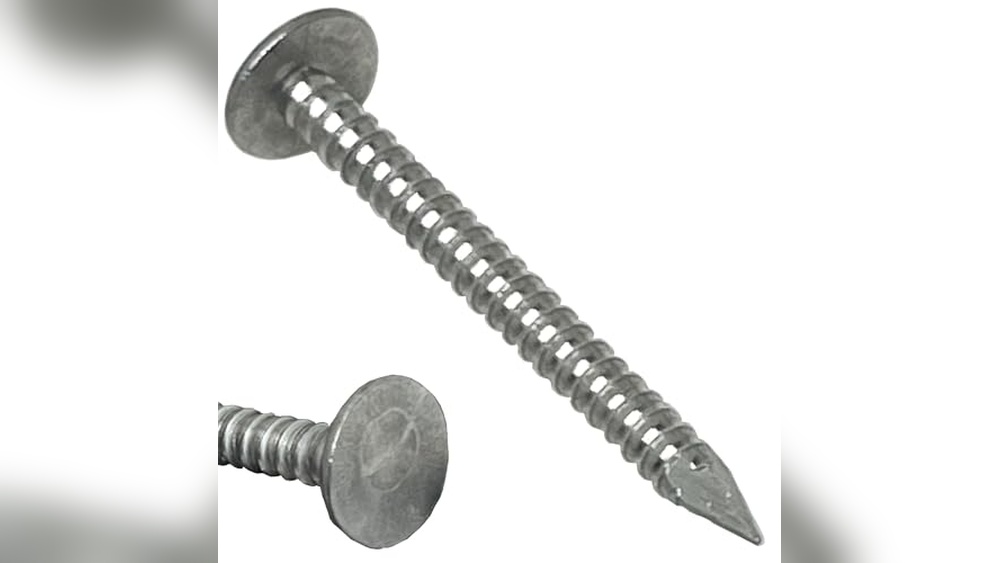
When working with HVAC systems, knowing the right fasteners can make all the difference in your project’s success. You might think fasteners are just tiny pieces, but they play a big role in keeping everything secure and running smoothly.
If you’ve ever wondered which fasteners are most common in HVAC work, this article is for you. By understanding these key components, you’ll save time, avoid mistakes, and make your repairs or installations much easier. Keep reading to discover the essential fasteners you should know about for your HVAC tasks.
Types Of Hvac Fasteners
Fasteners are small but vital parts of HVAC systems. They hold together different components and ensure stability. Different types of fasteners serve different purposes. Choosing the right fastener improves system safety and performance.
Screws And Their Uses
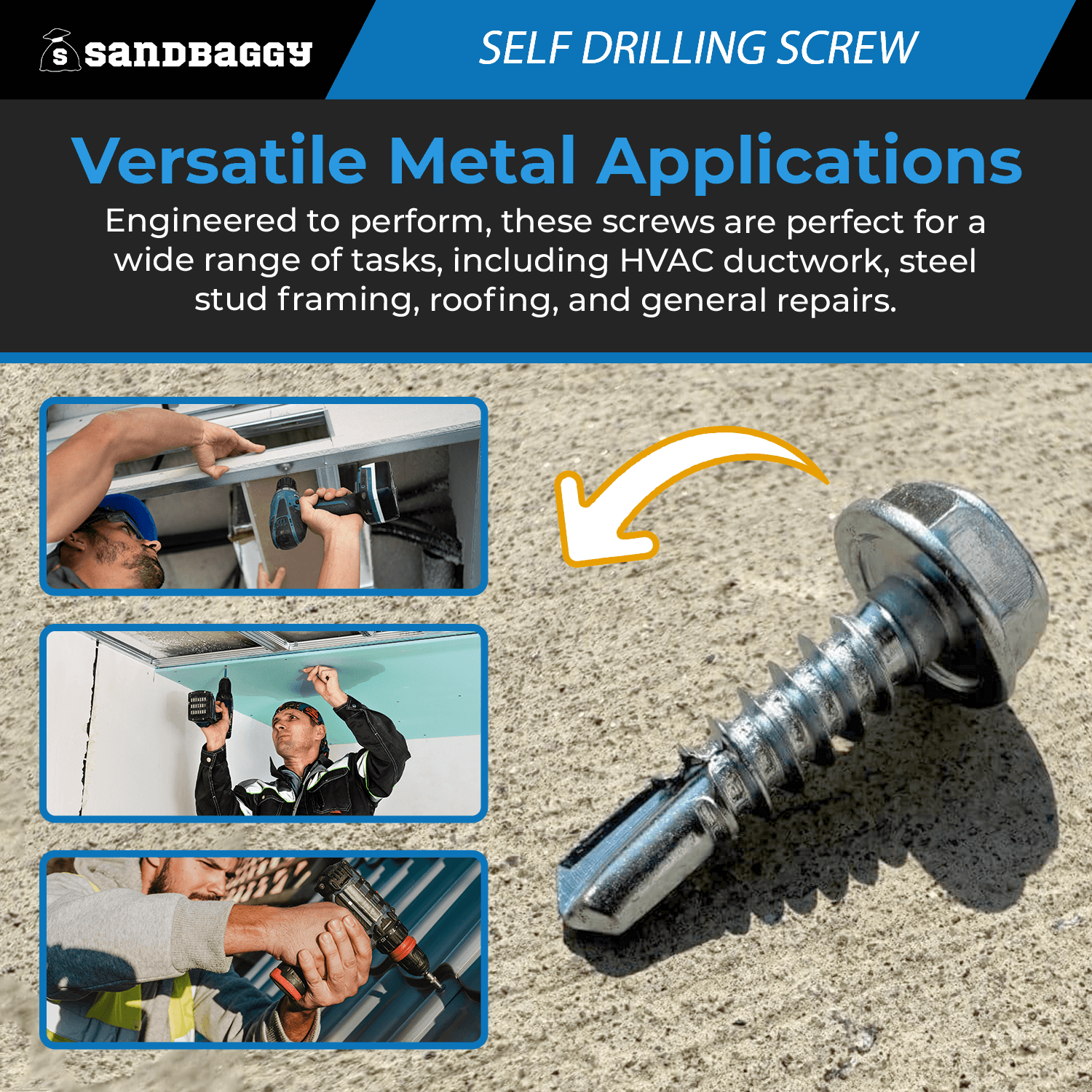
Screws are common fasteners in HVAC work. They come in many sizes and types. Sheet metal screws are popular for joining metal parts. Self-tapping screws create their own thread in soft materials. Screws provide strong holds and easy removal for repairs.
Bolts In Hvac Systems
Bolts secure heavy parts in HVAC units. They use nuts to fasten parts tightly. Bolts come in various lengths and diameters. Hex bolts are common due to ease of use. They offer high strength for large connections.
Nuts And Washers
Nuts fasten bolts and screws firmly. They prevent loosening from vibration or movement. Washers distribute pressure evenly under nuts or screws. Lock washers add extra grip to stop slipping. Both parts increase the durability of connections.
Rivets And Pins
Rivets join parts permanently in HVAC systems. They are strong and vibration-resistant. Pins align components and allow movement in some joints. Cotter pins lock bolts to stop turning. Rivets and pins suit fixed or moving parts well.
Credit: sandbaggy.com
Materials Used For Fasteners
Fasteners are key in HVAC systems. They hold parts firmly in place. Choosing the right material matters a lot. It affects strength, durability, and resistance to rust. Different materials suit different needs. Some fasteners face moisture and heat. Others need to stay light or strong. Understanding materials helps pick the best fastener for HVAC jobs.
Steel Fasteners
Steel is the most common fastener material. It is strong and affordable. Steel fasteners hold HVAC parts tightly. They work well under heavy loads. Plain steel can rust if wet. So, it is often coated for protection. Steel fasteners fit most HVAC applications well.
Stainless Steel Benefits
Stainless steel fasteners resist rust and corrosion. They last longer in wet or humid areas. This makes them ideal for outdoor HVAC units. Stainless steel also stays strong at high temperatures. These fasteners cost more but reduce maintenance needs. They offer great value in tough environments.
Aluminum And Other Metals
Aluminum fasteners are lightweight and resist corrosion. They suit areas where weight matters. Aluminum is softer than steel and less strong. Other metals like brass or copper appear in special cases. These metals resist rust and conduct heat well. Choice depends on specific HVAC parts and conditions.
Coatings And Finishes
Coatings protect fasteners from rust and wear. Zinc plating is common for steel fasteners. It adds a thin rust-resistant layer. Other finishes include black oxide and chrome. Some coatings also improve appearance. Proper coatings extend fastener life in HVAC systems.
Choosing The Right Fastener
Choosing the right fastener is essential for HVAC projects. The right fastener holds parts securely and ensures safety. It also helps the system last longer and work well. Picking the wrong fastener can cause damage or failure. Focus on key factors to make the best choice.
Load And Strength Requirements
Fasteners must handle the weight of HVAC components. Some parts need strong fasteners to hold heavy loads. Others require lighter fasteners for small attachments. Check the load each fastener must carry. Choose one that meets or exceeds the strength needed.
Corrosion Resistance
HVAC systems often face moisture and chemicals. Fasteners can rust or corrode over time. Rust weakens the fastener and causes problems. Use fasteners made from materials that resist corrosion. Stainless steel or coated fasteners work well in these conditions.
Temperature Considerations
HVAC systems operate under various temperatures. Fasteners must withstand heat and cold without breaking. Some materials expand or shrink with temperature changes. Choose fasteners designed for the temperature range of the system. This prevents loosening or damage.
Ease Of Installation
Fasteners should be easy to install and remove. This saves time during maintenance or repairs. Look for fasteners with simple designs and common tools. This helps technicians work faster and reduces mistakes. Easy installation improves overall system reliability.
Specialized Fasteners For Hvac
Specialized fasteners play a key role in HVAC systems. They ensure parts stay secure and stable during operation. These fasteners are designed for specific tasks, offering strength and durability. Proper fasteners help avoid leaks and damage.
Using the right fastener improves system safety and performance. Each type serves a unique purpose in HVAC installations and repairs. Understanding these fasteners helps in choosing the best one for the job.
Self-tapping Screws
Self-tapping screws create their own threads as they go in. This feature saves time because no pre-drilling is needed. They work well on metal ducts and sheet metal parts. Their sharp tips cut through tough materials easily. These screws hold parts firmly in place and resist vibration.
Threaded Inserts
Threaded inserts add strong threads inside soft materials. They are used in plastic or thin metal parts. These inserts create a durable anchor point for screws. This prevents stripping or damage in delicate areas. Threaded inserts improve repair quality and extend part life.
Expansion Anchors
Expansion anchors secure fasteners in concrete or masonry. They expand inside holes to grip tight. These anchors support heavy HVAC units on walls or floors. They provide a solid hold and resist loosening. Using expansion anchors adds safety and stability to installations.
Common Applications In Hvac
Fasteners play a vital role in HVAC systems. They hold parts together and keep everything stable. Different fasteners fit different HVAC tasks. Knowing their uses helps in choosing the right one for the job.
Ductwork Assembly
Ducts carry air through a building. Fasteners like screws and rivets join duct sections. They create airtight seals to prevent leaks. Clamps also hold ducts securely in place. Proper fastening keeps airflow steady and efficient.
Mounting Equipment
HVAC units need strong support. Bolts and anchors fix equipment to walls or ceilings. They stop vibrations and movement during operation. Fasteners ensure the equipment stays safe and stable. Correct mounting extends the life of HVAC parts.
Securing Electrical Components
Electrical parts must stay fixed and organized. Small screws and clips hold wires and panels. Fasteners prevent loose connections that cause problems. They keep electrical systems safe and working well. Proper fastening avoids short circuits and damage.

Credit: www.mudgefasteners.com
Maintenance And Replacement Tips
Proper maintenance and timely replacement of fasteners keep HVAC systems running smoothly. Fasteners hold essential parts together. If they fail, the system can break down or lose efficiency.
Regular checks help spot issues early. Replace fasteners before they cause bigger problems. Use the right tools and techniques for removal and replacement. This ensures safety and system integrity.
Signs Of Wear And Damage
Look for rust, cracks, or bends on fasteners. Loose or missing fasteners also indicate wear. Vibrations or noise in the system may point to bad fasteners. Check fasteners during routine HVAC inspections.
Proper Removal Techniques
Use correct screwdrivers or wrenches to avoid damage. Turn fasteners slowly and steadily. Avoid forcing stuck fasteners; apply lubricant if needed. Keep removed fasteners organized for easy replacement.
Selecting Replacement Fasteners
Match size and type to original fasteners. Choose corrosion-resistant materials for durability. Stainless steel or coated fasteners work well in HVAC systems. Always buy fasteners from trusted suppliers for quality assurance.

Credit: m.made-in-china.com
Frequently Asked Questions
What Are The Most Common Hvac Fasteners Used?
Common HVAC fasteners include screws, bolts, nuts, washers, and rivets. These secure ductwork, panels, and components reliably. Each fastener type suits specific HVAC parts for durability and stability.
Why Are Sheet Metal Screws Important In Hvac Systems?
Sheet metal screws firmly join metal duct sections. They ensure airtight seals and prevent air leaks. Their corrosion resistance makes them ideal for HVAC environments.
How Do Rivets Function In Hvac Applications?
Rivets permanently fasten thin metal sheets in HVAC ducts. They provide strong, vibration-resistant joints. Rivets are easy to install and maintain duct integrity.
When Should You Use Bolts In Hvac Installations?
Bolts are best for heavy HVAC equipment assembly. They offer strong, removable connections. Bolts handle vibration and weight effectively in HVAC setups.
Conclusion
Fasteners play a key role in HVAC systems’ strength and safety. Screws, bolts, and rivets hold parts firmly together. Choosing the right fastener helps avoid leaks and damage. Each type fits specific needs and materials. Understanding common fasteners makes repairs and installations easier.
This knowledge saves time and reduces mistakes. Keep these fasteners in mind for any HVAC task. Simple tools and parts can make a big difference. Trust in good fasteners for a system that works well.