Are you curious about the small but mighty pieces that hold everything together in your projects? Fasteners might seem simple, but knowing the different types can make a huge difference in your work’s strength and durability.
Whether you’re fixing something at home or working on a big build, choosing the right fastener is key. You’ll discover the main types of fasteners, how they work, and when to use each one. Keep reading to unlock the secrets that will make your next project easier and more reliable.
Common Fastener Types
Fasteners hold materials together. They play a key role in construction and repairs. Understanding common fastener types helps in choosing the right one for your project.
Each fastener type has a specific use. Knowing their differences saves time and effort. Here are some common fasteners you will see often.
Screws
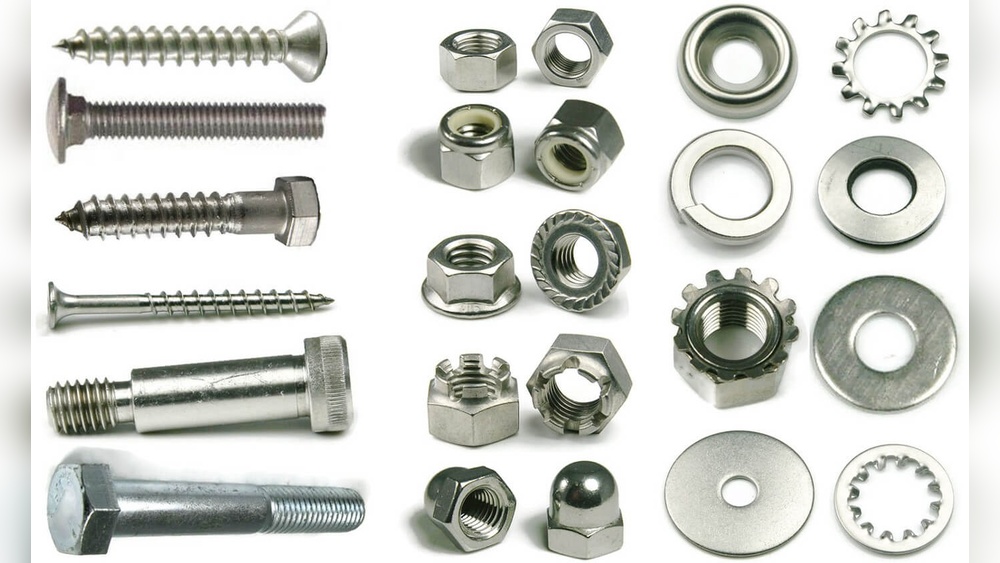
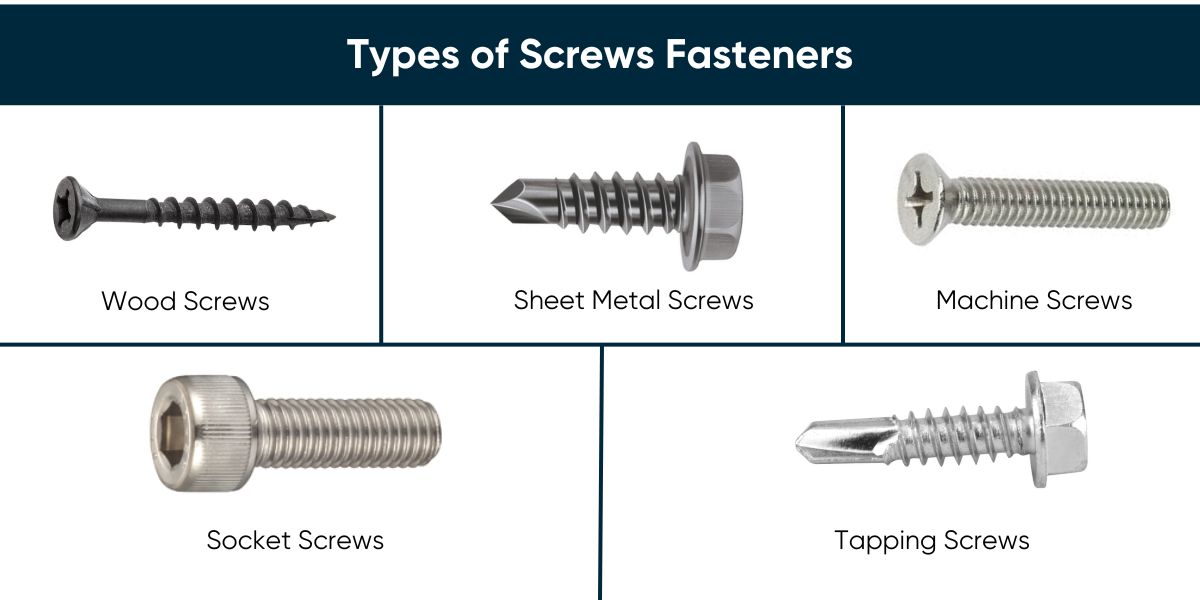
Screws have a threaded shaft that fits into materials tightly. They provide strong holding power. You can remove and reuse screws easily. They come in many sizes and head types.
Nails
Nails are smooth or slightly ridged pins driven into materials. They are quick to use and hold things firmly. Nails work best for wood and framing projects. They are often cheaper than screws.
Bolts
Bolts are heavy-duty fasteners with external threads. They need a nut to hold materials together. Bolts provide strong, secure connections. Used in machinery, vehicles, and structural work.
Washers
Washers are thin discs placed under bolts or screws. They spread the load evenly to prevent damage. Washers help keep fasteners tight and reduce wear. They come in many shapes and materials.
Credit: bhansalitechno.com
Specialized Fasteners
Specialized fasteners serve unique purposes beyond standard bolts and screws. They secure materials in specific ways for different projects. These fasteners provide strength, flexibility, or quick release options. Understanding their types helps choose the right one for each task.
Rivets
Rivets join two pieces of material permanently. They are common in metalwork and construction. Once set, rivets hold parts tightly without loosening. They work well where welding is not possible.
Anchors
Anchors fasten objects to concrete or masonry. They expand inside holes to hold firm. Anchors support heavy loads on walls or floors. They prevent bolts from pulling out easily.
Clips And Clamps
Clips and clamps hold parts temporarily or permanently. Clips snap into place and are easy to remove. Clamps apply pressure to keep pieces together. They suit applications requiring quick assembly or adjustments.
Pins
Pins align or secure parts without threads. They fit into holes to stop movement. Pins are easy to insert and remove. Common types include cotter pins and split pins.
Materials Used In Fasteners
Fasteners come in many materials. Each material fits different needs and uses. Choosing the right material helps ensure strength and durability. It also affects corrosion resistance and cost. Understanding common materials helps you pick the best fastener for your project.
Steel And Stainless Steel
Steel is the most common fastener material. It offers high strength and durability. Steel fasteners work well in many environments.
Stainless steel contains chromium. This makes it resistant to rust and corrosion. Stainless steel fasteners suit outdoor and wet conditions. They last longer and keep their look.
Brass And Copper
Brass and copper fasteners resist corrosion naturally. They do not rust like steel. These materials look attractive and shiny.
Brass fasteners are softer and easy to shape. Copper fasteners conduct heat and electricity well. Both are good for decorative or electrical use.
Plastic And Nylon
Plastic and nylon fasteners are lightweight and non-metallic. They resist corrosion and chemicals well. These fasteners do not conduct electricity.
They work in light-duty and electrical applications. Nylon fasteners offer some flexibility. They are easy to install and cost-effective.

Credit: abalegal.eu
Choosing The Right Fastener
Choosing the right fastener is key to making a project strong and long-lasting. Each fastener type fits different needs. Picking the wrong one can cause problems later. Understanding what to consider helps in making the best choice.
Load And Strength Considerations
Fasteners must hold the weight and stress of the materials. Heavy loads need stronger fasteners like bolts or screws. Light loads may work with nails or clips. Always check the strength rating on the fastener package. This prevents failure and keeps your project safe.
Environmental Factors
Fasteners face different weather and conditions. Moisture, heat, or chemicals can cause rust or damage. Choose stainless steel or coated fasteners for wet places. For indoor use, regular steel may be enough. Think about where the fastener will stay for a long time.
Material Compatibility
Fasteners must match the materials they join. Wood fasteners differ from metal or plastic fasteners. Using the wrong type can weaken the joint. Wood screws have sharp threads for grip. Metal fasteners usually need pre-drilled holes. Match the fastener to the material for the best hold.
Fastener Sizes And Standards
Fasteners come in many sizes and follow strict standards. These standards help ensure parts fit well and work safely. Choosing the right size and type is key for strong connections. Understanding fastener sizes and standards makes it easier to pick the right fastener for any project.
Metric Vs Imperial Sizes
Fasteners use two main size systems: metric and imperial. Metric sizes use millimeters for diameter and length. Imperial sizes use inches or fractions of inches. Knowing which system to use avoids confusion and wrong fits. Metric is common worldwide, while imperial is popular in the United States.
Thread Types
Threads come in different shapes and pitches. Coarse threads have fewer threads per inch and are strong in soft materials. Fine threads have more threads per inch and offer better grip in hard materials. There are also specialized threads for certain uses, like pipe threads for sealing.
Length And Diameter
Length measures the fastener from head to tip. Diameter is the width of the fastener’s shank or body. Both length and diameter must match the parts being joined. Choosing the right size prevents damage and ensures a secure hold. Always check these measurements before buying fasteners.
Tools For Installing Fasteners
Installing fasteners requires the right tools. Using proper tools makes the job easier and faster. It also helps to secure the fasteners tightly. Different fasteners need different tools for installation. These tools range from simple hand tools to advanced power tools and special equipment.
Hand Tools
Hand tools are basic and easy to use. Screwdrivers are common for screws. They come in many shapes like flathead and Phillips. Wrenches help tighten nuts and bolts. Pliers grip and twist small fasteners. Hand tools are best for small tasks and quick fixes.
Power Tools
Power tools save time and effort. Electric drills drive screws quickly. Cordless screwdrivers offer freedom of movement. Impact drivers provide more power for tough jobs. Nail guns shoot nails fast and straight. Power tools increase speed and reduce hand strain.
Specialized Equipment
Some fasteners need special tools. Rivet guns install rivets securely. Torque wrenches apply exact force to bolts. Staple guns fix staples to wood or fabric. These tools ensure strong and safe connections. They are common in construction and manufacturing.
Tips For Diy Fastening Projects
DIY fastening projects can be simple and rewarding. Using the right techniques saves time and effort. Follow these tips to ensure your fasteners hold tight and last long.
Proper Preparation
Choose the correct fastener for your material and task. Clean the surfaces before fastening to ensure a strong bond. Measure and mark spots carefully for accurate placement. Use the right tools to avoid damage or slipping. Take time to drill pilot holes if needed. This prevents splitting and helps fasteners go in straight.
Avoiding Common Mistakes
Do not overtighten fasteners; this can strip threads or break them. Avoid mixing different types of fasteners in one project. Match fastener size to the load and material thickness. Check alignment often to keep parts straight. Use washers to spread pressure and prevent damage. Replace damaged fasteners rather than forcing them in.
Maintenance And Inspection
Check fasteners regularly for loosening or rust. Tighten loose screws and bolts promptly to keep structures secure. Replace rusty or worn fasteners to avoid failure. Clean fasteners during maintenance to prevent buildup. Store unused fasteners in a dry place to stop corrosion. Good care extends the life of your projects.

Credit: forum.digikey.com
Frequently Asked Questions
What Are Common Types Of Fasteners Used In Construction?
Common fasteners include nails, screws, bolts, nuts, and rivets. Each serves different purposes like joining wood, metal, or other materials securely.
How Do Screws Differ From Bolts In Fasteners?
Screws are threaded fasteners used directly in materials. Bolts require nuts to secure parts together. Both provide strong, removable joints.
What Materials Are Fasteners Typically Made From?
Fasteners are commonly made from steel, stainless steel, brass, aluminum, or plastic. Material choice depends on strength, corrosion resistance, and application needs.
Why Are Rivets Important In Fastener Applications?
Rivets provide permanent, strong joints especially in metalwork. They are crucial where welding or screws are not suitable, ensuring durability and stability.
Conclusion
Fasteners come in many shapes and sizes. Each type serves a special purpose. Choosing the right fastener makes projects stronger and safer. Simple tools can help you pick the best one. Understanding fasteners helps in many tasks around the home or work.
Keep learning about them to make better decisions. This knowledge saves time and effort later. Fasteners hold things together—strong and steady. Knowing their differences helps you work smarter every day.