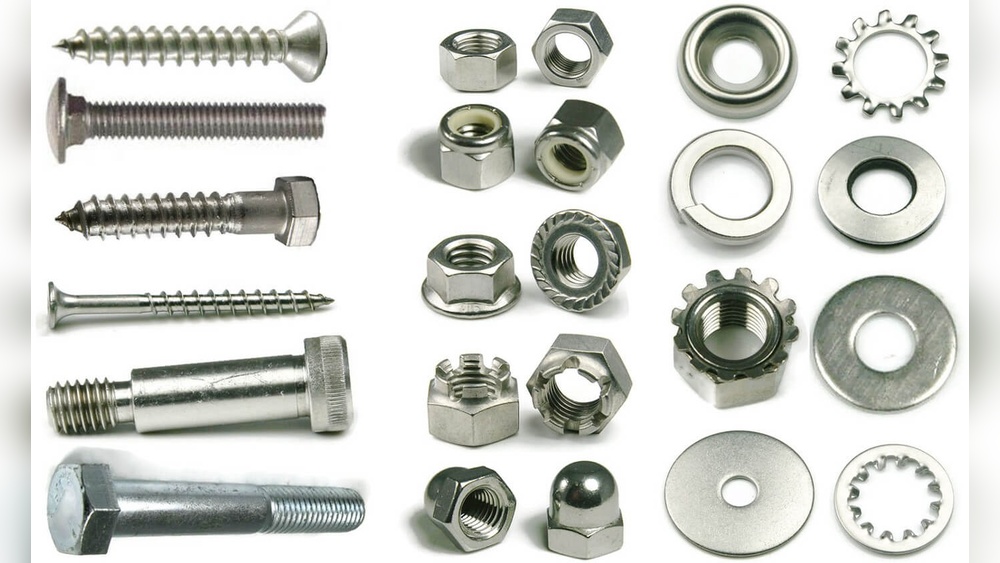
Have you ever wondered what keeps your furniture, gadgets, and even buildings firmly together? The answer often lies in something small but mighty: the fastener screw.
If you think a screw is just a simple tool, think again. Understanding what a fastener screw is and how it works can save you time, money, and frustration in your DIY projects or repairs. You’ll discover the secrets behind these essential little devices and why they are crucial in almost every construction and assembly task.
Keep reading—you’re about to unlock knowledge that makes your next fix or build easier and more reliable.
Credit: www.homedepot.com
Fastener Screw Basics
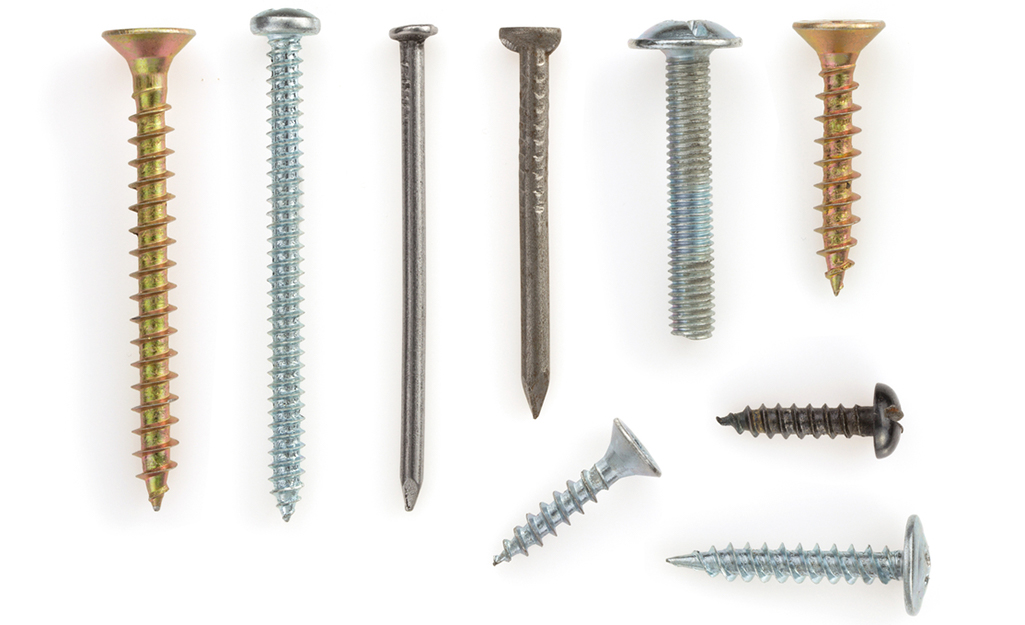
Fastener screws are essential tools in construction and repairs. They hold materials together tightly and securely. Understanding their basics helps in choosing the right screw for any project.
These screws come in many shapes and sizes. Each type serves a unique purpose. Knowing their parts and materials improves their use and durability.
What Is A Fastener Screw
A fastener screw is a small metal rod with threads. These threads wind around its shaft in a spiral pattern. When turned, they dig into materials and hold parts firmly. Screws join wood, metal, plastic, and other materials. They provide strong, lasting connections that nails cannot always match.
Key Components
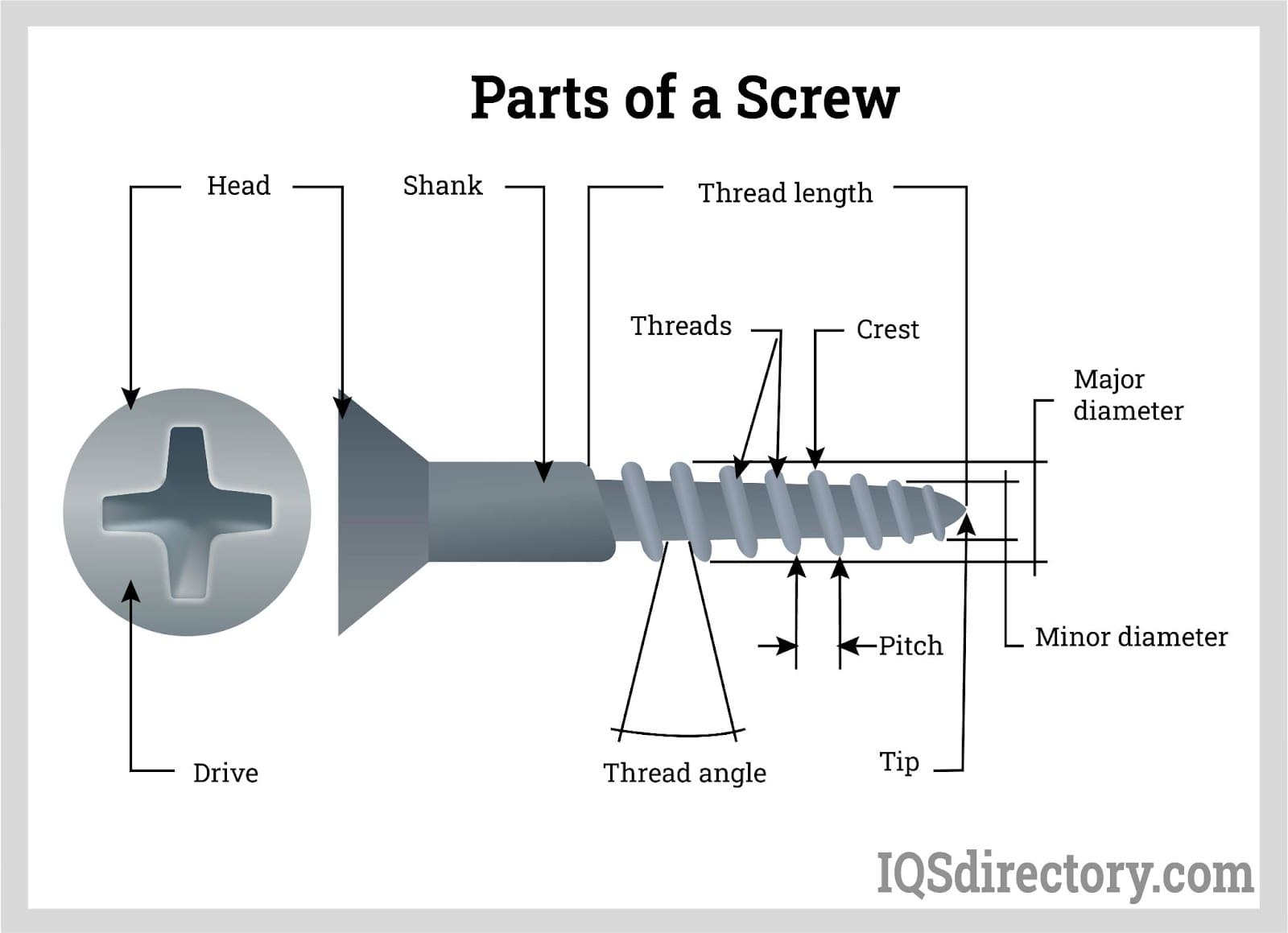
Every fastener screw has three main parts. The head, the shaft, and the thread. The head is the top part, shaped for tools like screwdrivers. The shaft is the long middle part that fits inside materials. Threads wrap around the shaft and grip surfaces tightly. Some screws also have a pointy tip to start easily.
Common Materials
Fastener screws are made from different metals and alloys. Steel is the most common because it is strong and affordable. Stainless steel resists rust and is perfect for outdoor use. Brass and aluminum are lighter and resist corrosion. Choosing the right material keeps screws strong and prevents damage.
Credit: www.iqsdirectory.com
Popular Screw Types
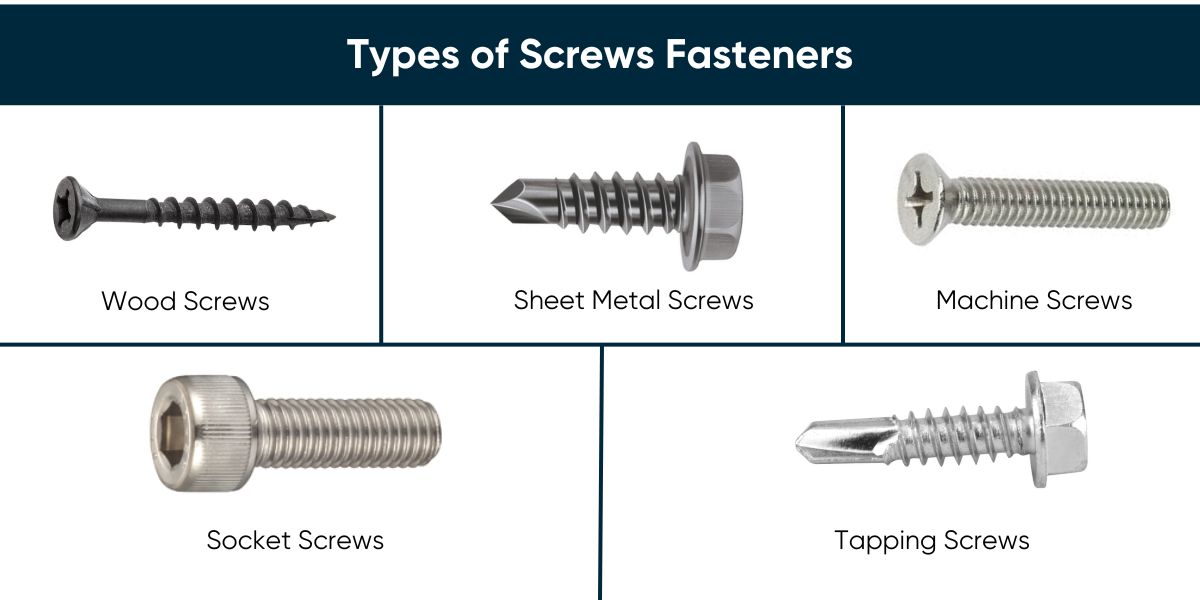
Screws come in many types, each designed for a specific job. Choosing the right screw makes your project stronger and easier to complete. Here are some popular screw types you will often find in hardware stores and toolboxes.
Wood Screws
Wood screws are made to join pieces of wood. They have sharp threads that grip the wood tightly. Their tapered shape helps them go in smoothly without splitting the wood. Usually, they have a flat or rounded head for easy driving.
Machine Screws
Machine screws fasten metal parts together. They fit into a nut or tapped hole. These screws have uniform threads and come in various lengths. They often have a flat or pan head and require a screwdriver or wrench.
Sheet Metal Screws
Sheet metal screws are strong and sharp. They cut threads into thin metal sheets. These screws can also work on plastic and other thin materials. Their threads run all the way up to the head for a secure hold.
Self-tapping Screws
Self-tapping screws create their own threads as they are driven in. They save time by eliminating the need to pre-drill holes. You can use them on metal, plastic, and wood. Their sharp tip makes them easy to start.
Lag Screws
Lag screws are large and heavy-duty. They are perfect for heavy wood projects. Their thick threads provide strong holding power. You often use them to fasten wood to wood or wood to metal. They need a wrench or socket to drive in.
Head Styles And Drive Types
Fastener screws come with different head styles and drive types. These affect how the screw fits, looks, and works. Choosing the right head and drive type helps in easy installation and strong holding power.
Flat Head
Flat head screws have a smooth, flat top. They sit flush with the surface after tightening. This style is common in woodworking and construction. It gives a clean, finished look.
Pan Head
Pan head screws have a rounded, slightly raised top. They provide a larger surface area for driving force. These screws are good for metal and plastic parts. They stay above the surface when installed.
Phillips Drive
Phillips drive screws have a cross-shaped slot. This design allows better grip with a screwdriver. They reduce slipping during driving. Phillips screws are popular in many home projects.
Slotted Drive
Slotted drive screws have a simple straight line slot. They work with flathead screwdrivers. Slotted screws are easy to use but can slip out more. They are common in light-duty applications.
Torx And Hex Drives
Torx drive screws have a star-shaped slot. Hex drive screws have a six-sided slot. Both provide strong grip and reduce cam-out. They are used in electronics and automotive industries.
Choosing The Right Screw
Choosing the right screw is important for any project. The correct screw ensures strong holds and lasting results. Different screws suit different materials and conditions. Understanding key factors helps pick the best fastener for the job.
Based On Material
Screws come in various materials like steel, brass, and stainless steel. Steel screws are strong and common for wood and metal. Brass screws resist corrosion and suit decorative work. Stainless steel screws work well outdoors and in wet places. Match the screw material to the work material for best grip.
Load And Strength Considerations
Think about the weight the screw must hold. Heavy loads need thick, strong screws. Light tasks can use smaller screws. Check the screw’s tensile strength before use. The right strength prevents breaking or loosening. Choose screws that handle the project’s force safely.
Environmental Factors
Environmental conditions affect screw choice. Outdoor projects need screws that resist rust and moisture. Indoor screws do not need heavy corrosion resistance. Some screws have coatings to protect from weather. Select screws based on where and how they will be used.
Common Applications
Fastener screws are essential in many industries. Their design helps join materials tightly. They provide strong, reliable connections. Different screws fit different needs and materials. Common uses show their importance in daily life.
Construction
Screws hold wood, metal, and concrete parts together. Builders use them to frame walls and roofs. They secure drywall and attach fixtures. Screws allow quick assembly and strong bonds. Their durability supports heavy structures safely.
Furniture Assembly
Screws connect wooden and metal furniture pieces. They make chairs, tables, and cabinets sturdy. Easy to use for flat-pack furniture. Screws also allow disassembly for moving or repairs. They help create lasting, stable furniture.
Electronics
Small screws keep electronic devices intact. They secure circuit boards and components inside gadgets. Screws protect delicate parts from damage. Their precision fits tiny spaces perfectly. Electronics rely on screws for safety and function.
Automotive
Screws fasten engine parts and body panels. They hold interior trim and mechanical systems. Strong screws withstand heat and vibration. Automotive screws keep vehicles safe and reliable. They help maintain and repair cars easily.
Credit: bhansalitechno.com
Installation Tips
Installing fastener screws correctly helps ensure strong and lasting joints. Small mistakes can lead to weak connections or damaged materials. Follow simple steps to make screw installation easier and more effective.
Pre-drilling
Pre-drilling a hole guides the screw into the material. It prevents splitting and cracking, especially in wood. Choose a drill bit slightly smaller than the screw diameter. Drill straight and to the right depth for best results.
Proper Torque
Apply the correct torque to tighten screws. Too much force strips the screw head or breaks the screw. Too little torque leaves the screw loose. Use a screwdriver or drill with adjustable torque settings for control.
Avoiding Damage
Protect materials from damage during installation. Use the right screw type for the material. Keep the screwdriver or drill bit aligned with the screw. Stop tightening as soon as the screw is snug.
Maintenance And Safety
Proper maintenance and safety of fastener screws are vital. They ensure the screws work well and last longer. Neglect can lead to damage or accidents. Regular care keeps everything secure and safe.
Inspection
Check screws regularly for signs of wear or damage. Look for cracks, bends, or loose screws. Tighten any loose screws immediately. Replace damaged screws to avoid failure. Frequent inspection prevents accidents and equipment breakdowns.
Corrosion Prevention
Moisture causes screws to rust and weaken. Use screws made of corrosion-resistant materials in wet areas. Apply protective coatings like paint or sealants. Keep screws dry and clean to avoid rust. Corrosion prevention extends the life of fasteners.
Safe Handling Practices
Use the right tools for screw installation and removal. Avoid using damaged or worn tools. Wear gloves to protect your hands from sharp edges. Work in well-lit areas to avoid mistakes. Proper handling reduces injury risks and ensures secure fastening.
Frequently Asked Questions
What Is A Fastener Screw Used For?
A fastener screw joins materials securely. It holds parts in place by threading into surfaces. Screws offer strong, reliable fastening in construction and manufacturing.
How Do Fastener Screws Differ From Bolts?
Fastener screws thread directly into materials. Bolts require nuts for fastening. Screws provide tighter grip in wood or metal without extra parts.
What Materials Are Fastener Screws Made From?
Fastener screws are commonly made of steel, stainless steel, brass, or aluminum. Material choice depends on strength, corrosion resistance, and application needs.
What Are Common Types Of Fastener Screws?
Common types include wood screws, machine screws, self-tapping screws, and sheet metal screws. Each type suits specific materials and fastening methods.
Conclusion
Fastener screws hold things tightly and securely. They come in many shapes and sizes. Each type fits different jobs and materials. Choosing the right screw makes your work strong and safe. Knowing how screws work helps you fix or build better.
Simple tools and screws can create lasting results. Remember, good fasteners keep everything in place. Use screws wisely to ensure your projects last long.

