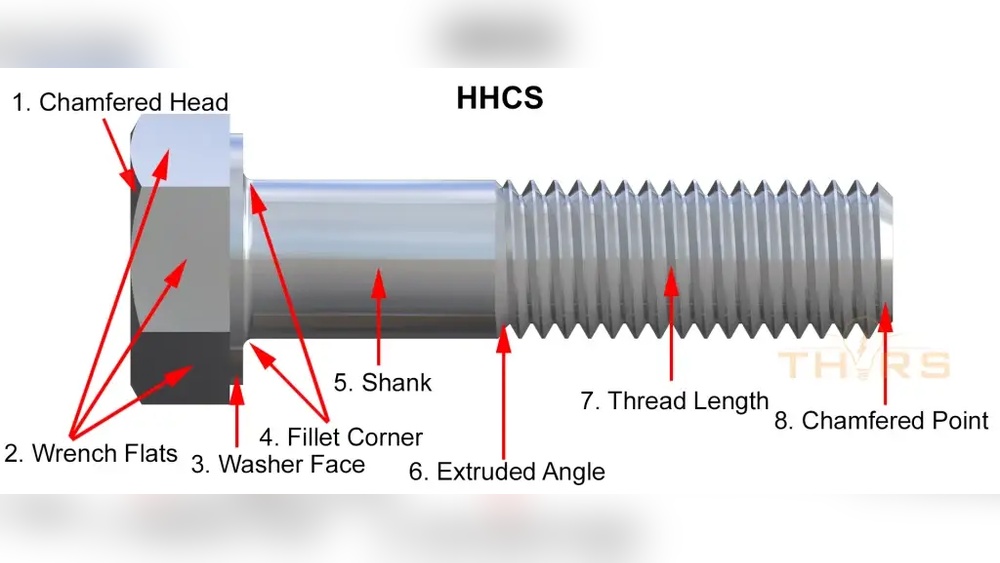
Are you struggling to get threaded fasteners to grip properly in wood? Whether you’re building furniture, fixing a deck, or tackling any woodworking project, knowing the right way to insert these fasteners can save you time and prevent costly mistakes.
In this guide, you’ll discover simple, effective techniques to ensure your fasteners hold strong and last longer. Keep reading to master the skill that will make your woodwork sturdy and professional every time.
:max_bytes(150000):strip_icc()/156_Pg_54_2-936bbf9ced3e45b4b213546e6177f448.jpg)
Credit: www.woodmagazine.com
Choosing The Right Fasteners
Choosing the right fasteners is key to a strong wood project. Fasteners hold pieces tightly together. Using the wrong type can cause damage or weak joints. Understanding the types and sizes helps you pick the best fit for your work.
Types Of Threaded Fasteners For Wood
Screws are the most common fasteners for wood. They have sharp threads that grip wood fibers well. Lag screws are heavy-duty and fit large projects. Wood screws are smaller and used in lighter tasks. There are also machine screws that need nuts or inserts.
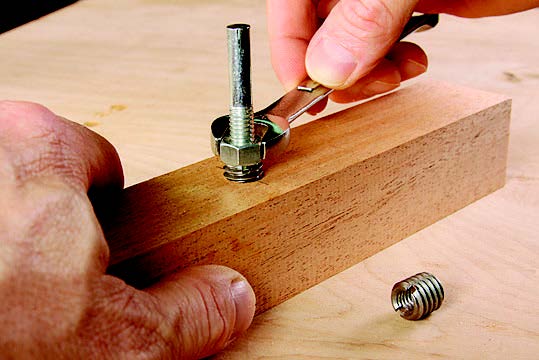
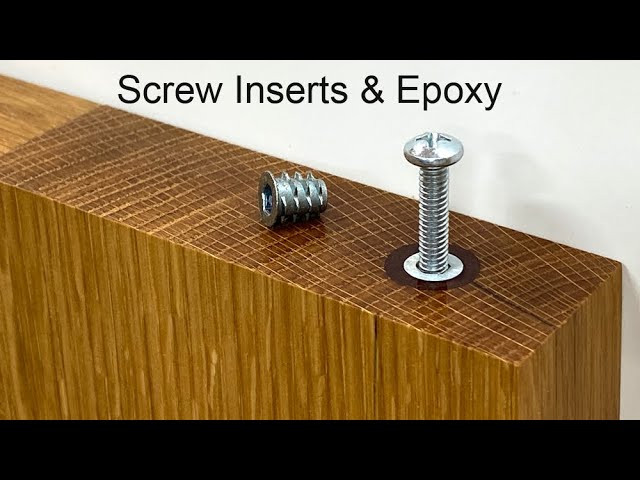
Threaded inserts provide a strong hold for bolts. They are placed inside wood and create a metal thread. This helps when you want to remove and reattach parts without damage. Choosing the right type depends on the project’s strength and appearance needs.
Material And Size Considerations
Fasteners come in steel, brass, stainless steel, and zinc-plated types. Steel is strong but may rust if not coated. Stainless steel lasts longer outside and in moisture. Brass fasteners look nice but are softer and weaker. Zinc coatings help prevent rust on steel screws.
Size matters too. Length should match the thickness of the wood parts. Too short won’t hold well. Too long may split the wood. Thread diameter also affects grip strength. Pick a size that fits snugly but doesn’t crack the wood.
Preparing The Wood Surface
Preparing the wood surface is the first step to insert threaded fasteners properly. It ensures the fastener fits well and holds strong. A smooth, clean surface prevents wood from splitting. This step also helps in accurate placement of screws or bolts. Taking time here saves effort later and makes your work last longer.
Selecting The Drill Bit
Choose a drill bit that matches the fastener size. It should be slightly smaller than the fastener’s outer diameter. This allows the threads to grip the wood firmly. Using the wrong size bit can cause weak holding or wood damage. Check the fastener package for recommended drill bit size. Use a sharp bit to make clean holes without splinters.
Marking The Insertion Points
Mark the exact spots where fasteners will go. Use a pencil or a marker for clear marks. Measure carefully to keep spacing even and aligned. Proper marking prevents mistakes and uneven fastening. You can use a ruler or measuring tape for accuracy. Double-check your marks before drilling to avoid errors.
Drilling Pilot Holes
Drilling pilot holes is a key step when inserting threaded fasteners into wood. These small holes guide screws or bolts, making the process easier. They also prevent the wood from splitting or cracking. Proper pilot holes help the fastener grip tightly and stay secure over time.
Using the right drill size is important. The hole should be slightly smaller than the fastener’s diameter. This ensures a snug fit and strong hold. Now, focus on two main points to drill pilot holes well: setting the drill depth and maintaining drill stability.
Setting The Drill Depth
Set the drill depth to avoid drilling too deep or too shallow. Too shallow means the fastener won’t fit fully. Too deep weakens the wood and reduces holding power.
Use a depth stop or tape on the drill bit. Mark the desired depth clearly. Stop drilling once the mark reaches the wood surface. This controls hole depth precisely and protects the wood.
Maintaining Drill Stability
Keep the drill steady for a straight, clean hole. Hold the drill firmly with both hands. Apply even pressure without forcing the drill.
Start drilling slowly to guide the bit. Increase speed only after the bit bites into the wood. A stable drill prevents angled holes and uneven holes, which weaken the fastener’s hold.
Inserting The Fasteners
Inserting threaded fasteners into wood requires care and precision. The right approach makes the fasteners hold firmly and last longer. This section explains how to insert fasteners correctly for strong, lasting joints.
Hand Vs. Power Tools
Choosing between hand and power tools depends on the project size and your skill. Hand tools give more control and reduce the risk of damaging the wood. They work well for small jobs or delicate wood.
Power tools speed up the work and save effort. They are best for many fasteners or hard wood. Use a drill with adjustable speed and clutch to avoid over-driving the fastener.
Both tools need a steady hand. Start slowly and keep the fastener straight to avoid splitting the wood or stripping the threads.
Ensuring Proper Alignment
Proper alignment keeps the fastener straight and the joint strong. Mark the spot clearly before starting. Use a center punch or awl to make a small guide hole.
Drive the fastener straight into the wood. A slight angle weakens the hold and can cause the wood to split. Check alignment often during insertion.
Stopping to adjust saves time and prevents damage. Use clamps or guides to hold pieces steady and aligned.
Securing And Testing Fasteners
Securing and testing fasteners is a key step in woodworking. It ensures your project stays strong and safe. Proper tightening and checking stability help avoid loose or damaged fasteners. This section guides you through the essential steps to secure and test threaded fasteners in wood.
Tightening Techniques
Use the right tool for tightening fasteners. A screwdriver or wrench should fit the fastener head well. Turn the fastener slowly and steadily. Avoid over-tightening. Too much force can strip the wood or fastener threads. Tighten until the fastener feels snug but not forced. Stop if the wood starts to crack or split.
For deeper fasteners, use a pilot hole. It helps the fastener enter straight and reduces wood damage. Tighten the fastener until it sits flush or slightly below the wood surface. This prevents catching or snagging on the fastener head.
Checking For Stability
After tightening, test the fastener’s hold. Gently wiggle the connected parts. No movement means the fastener is stable. If parts shift, tighten the fastener more or try a larger fastener. Check for cracks around the fastener. Cracks weaken the hold and may require repair.
Use a simple pull test. Pull the wood pieces apart slightly to ensure the fastener holds firmly. Repeat this test on all fasteners in your project. Stability checks help keep your woodworking safe and durable.
Credit: www.woodworkersjournal.com
Avoiding Common Mistakes
Inserting threaded fasteners into wood can be tricky. Mistakes can cause damage to the wood or make the fastener weak. Avoiding these errors ensures a strong and lasting hold. Focus on careful preparation and the right technique for the best results.
Preventing Wood Splitting
Wood splits if fasteners go in too fast or without a pilot hole. Always drill a pilot hole that is smaller than the fastener’s diameter. This reduces pressure on the wood fibers. Use sharp drill bits to make clean holes. Slow and steady screwing prevents cracks. Choose the right size fastener for the wood thickness.
Dealing With Stripped Threads
Stripped threads happen when the fastener spins without gripping. Avoid using too much force when screwing in. Stop if you feel resistance or slipping. Use a thread repair kit to fix stripped holes. Insert a wood filler or dowel before re-drilling if needed. Select the correct fastener size to avoid stripping. Tighten screws gently and evenly for a firm hold.
Maintenance Tips For Threaded Fasteners
Threaded fasteners in wood need regular care to last longer and work well. Proper maintenance stops damage and keeps connections strong. Simple steps can save time and money on repairs.
Regular Inspection
Check fasteners often for signs of wear or rust. Look for loose screws or bolts that may weaken the joint. Tighten any fasteners that feel loose to keep parts secure. Remove dirt or debris that can cause damage over time.
Lubrication And Replacement
Apply a light oil or wax to fasteners to prevent rust and ease turning. Avoid heavy greases that attract dirt or clog threads. Replace fasteners that show heavy rust, bending, or stripped threads. Using new fasteners ensures a strong and safe hold in wood.
Credit: www.youtube.com
Frequently Asked Questions
What Tools Are Needed To Insert Threaded Fasteners Into Wood?
You need a drill, drill bits, a screwdriver, and the threaded fasteners. A pilot hole drill bit matching the fastener size is essential. Using the right tools ensures clean, secure insertion without damaging the wood.
How Do You Prevent Wood Splitting When Inserting Fasteners?
Drill a pilot hole slightly smaller than the fastener’s diameter. This reduces wood stress and prevents splitting. Also, avoid overtightening the fastener to maintain wood integrity and secure hold.
Can Threaded Fasteners Be Removed Without Damaging Wood?
Yes, use the correct screwdriver or drill bit for removal. Turn slowly counterclockwise to avoid stripping the fastener head or damaging the wood surface. Proper insertion also helps ensure easy removal later.
What Types Of Wood Work Best With Threaded Fasteners?
Softwoods like pine and fir are easier to work with. Hardwood requires pilot holes and careful insertion to prevent splitting. Choose fasteners designed for wood to maximize holding strength and durability.
Conclusion
Inserting threaded fasteners into wood takes care and the right steps. Start by drilling a small pilot hole to guide the fastener. Use the correct size and type of fastener for your project. Turn the fastener slowly to avoid splitting the wood.
Check that it fits tight and stays secure. These tips help your woodworking stay strong and neat. Practice makes the process easier and more accurate. Keep your tools clean and sharp for best results. You can achieve great results with patience and the right approach.