Are you struggling with stubborn concrete fasteners that just won’t come out? Removing them can feel like a tough, frustrating job, especially if you don’t have the right tools or know the best techniques.
But what if you could make the process quicker and easier? In this guide, you’ll discover simple, effective ways to remove concrete fasteners fast—saving you time and effort. Keep reading, and you’ll learn exactly what to do to get the job done right, without the hassle.
Credit: blog.qrfs.com
Types Of Concrete Fasteners
Concrete fasteners hold objects firmly to concrete surfaces. Different types serve different needs. Knowing the types helps in choosing the right removal method. Each fastener type has unique features and uses.
Expansion Anchors
Expansion anchors expand inside the drilled hole to grip tight. They work well for light to medium loads. These anchors are easy to install and remove. They often use a bolt that pushes the anchor to expand.
Sleeve Anchors
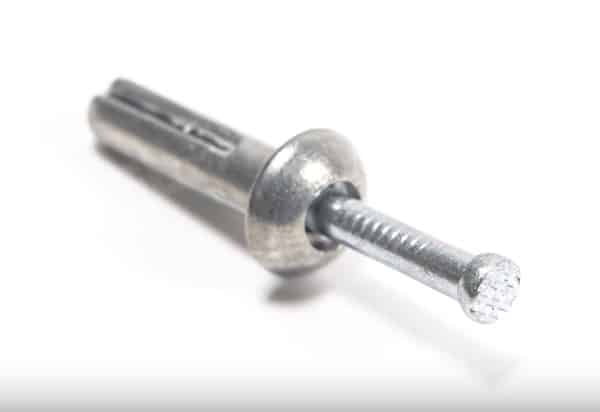
Sleeve anchors have a metal sleeve that expands when tightened. They provide strong holding power in concrete. These anchors are good for heavy loads and outdoor use. Their design helps resist vibration and pull-out forces.
Wedge Anchors
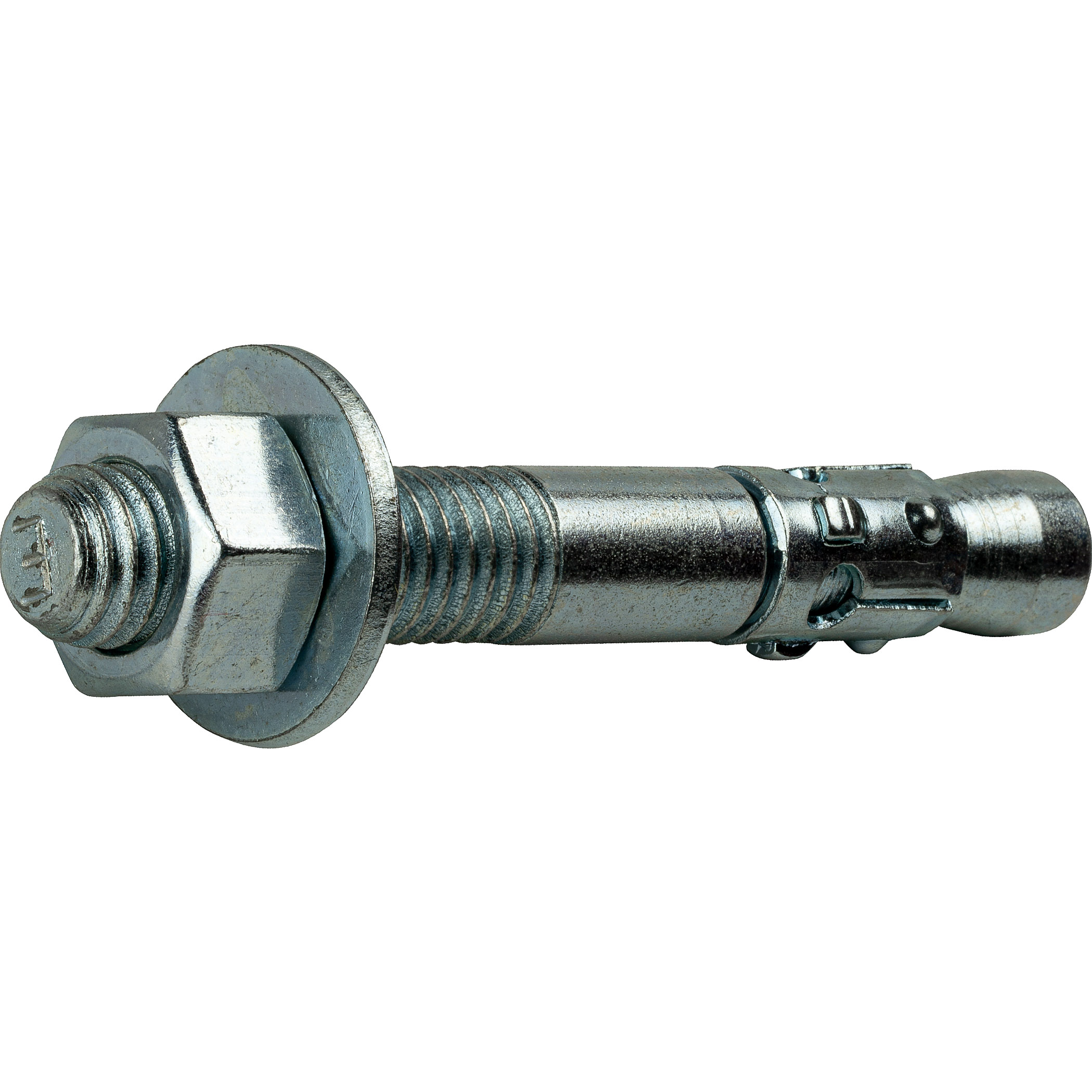
Wedge anchors use a wedge-shaped end to lock in place. They are very strong and reliable for heavy-duty tasks. These anchors require a deep hole in the concrete. Tightening the nut pulls the wedge firmly against the hole wall.
Tapcon Screws
Tapcon screws are specially designed screws for concrete and masonry. They cut threads directly into the material. These screws are quick to install and remove with the right tools. Tapcons are best for light to medium fastening jobs.
Tools Needed For Removal
Removing concrete fasteners requires the right tools. Using proper tools makes the job easier and safer. Each tool serves a specific purpose. Prepare these tools before starting the removal process.
Drill And Bits
A drill is essential for removing concrete fasteners. Use a hammer drill for best results. Choose bits designed for concrete. Carbide-tipped masonry bits work well. They help drill out the fastener or loosen it.
Hammer And Chisel
A hammer and chisel help to pry out stubborn fasteners. Use a cold chisel for metal fasteners. Tap the chisel carefully to avoid damage. This method works best for surface-level fasteners.
Pliers And Wrenches
Pliers and wrenches help grip and turn fasteners. Use locking pliers for better hold. Adjustable wrenches fit different fastener sizes. These tools assist in loosening or pulling out fasteners.
Safety Gear
Wear safety gear to protect yourself. Safety glasses shield your eyes from dust and debris. Gloves protect your hands from sharp edges. Use ear protection if drilling for long periods. Safety is a top priority during removal.
Step-by-step Removal Methods
Removing concrete fasteners can be a tricky task. It requires the right approach and tools. This section breaks down the removal process into simple steps. Each method targets a specific type of fastener. Follow these guides to remove fasteners safely and effectively.
Removing Screw-type Fasteners
Start by choosing the correct screwdriver. Match the head type of the fastener. Turn the screw counterclockwise to loosen it. Apply steady pressure to avoid stripping the head. If the screw is stuck, use penetrating oil. Let it sit for a few minutes. Try again to unscrew it slowly. Avoid forcing the screw to prevent damage.
Extracting Expansion Anchors
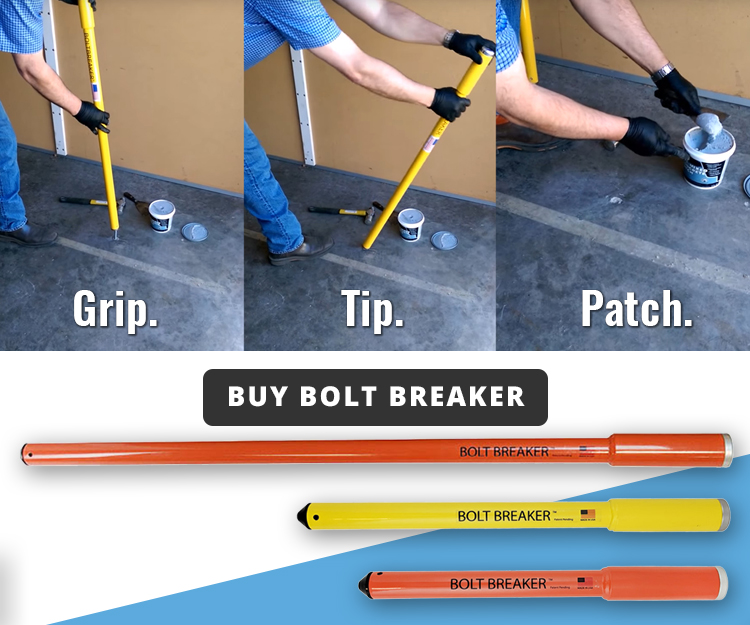
Expansion anchors grip tightly inside concrete. First, try to unscrew the fastener attached to the anchor. If it does not move, use pliers to pull it out. Wiggle the anchor gently back and forth. Use a hammer and punch for stubborn anchors. Tap around the anchor to loosen it. Remove the anchor carefully to avoid breaking the concrete.
Using Drilling Techniques
Drilling is effective for stubborn fasteners. Use a drill bit slightly smaller than the fastener. Drill into the center of the fastener slowly. This weakens the grip inside the concrete. Once drilled, remove the fastener with pliers. Wear safety glasses to protect your eyes. Keep the drill steady for best results. Avoid overheating the drill bit.
Leveraging Pliers And Wrenches
Pliers and wrenches provide extra grip. Use locking pliers for a firm hold. Clamp the fastener tightly before turning. Turn slowly to loosen the fastener. Wrenches work well for larger fasteners. Select the right size to avoid slipping. Combine with gentle hammer taps if needed. Always work carefully to protect the concrete surface.
Tips To Avoid Concrete Damage
Removing concrete fasteners without hurting the concrete is a careful task. It needs the right steps to keep the surface safe and strong. Damage can cause cracks or chips that are hard to fix. Follow clear tips to protect your concrete while taking out fasteners.
Proper Tool Selection
Choose tools made for concrete work. Use a hammer drill or impact driver for tough fasteners. Avoid tools that apply uneven pressure. Select drill bits sized for the fastener. Sharp tools reduce force and damage risk. Using the right tool saves time and protects the surface.
Controlled Force Application
Apply steady, gentle force when removing fasteners. Avoid hitting hard or fast. Controlled pressure prevents cracks and chips. Slow and steady loosens the fastener safely. Let the tool do the work, not your strength. This method keeps the concrete intact.
Surface Protection Techniques
Cover the area around the fastener with tape or soft padding. This shields the concrete from scratches. Use a backing plate behind the fastener if possible. Clear dust and debris often to see the surface well. Protecting the surface helps keep it smooth and clean.
Dealing With Stubborn Fasteners
Removing stubborn concrete fasteners can be tough. These fasteners often stick tightly due to rust or strong bonding with the material. Patience and the right tools help make the process easier. Trying a few different methods can free the fastener without damaging the surface.
Applying Penetrating Oil
Start by applying penetrating oil to the fastener. This oil seeps into small cracks and loosens rust or corrosion. Let the oil sit for at least 15 minutes. For very stuck fasteners, wait a few hours or overnight. Use a brush or spray to cover the entire fastener. This simple step often makes removal much easier.
Heat Application Methods
Heat can expand the metal and break the bond with concrete. Use a heat gun or propane torch carefully around the fastener. Heat for 1 to 2 minutes, avoiding damage to nearby materials. Wear gloves and safety glasses during this step. After heating, try loosening the fastener with a wrench or screwdriver.
Cutting And Grinding Options
If the fastener won’t budge, cutting or grinding works well. Use a rotary tool or angle grinder to cut through the fastener head or shaft. Make sure to wear protective gear like goggles and gloves. Cut slowly to avoid overheating and damaging the concrete. This method removes the fastener quickly when other methods fail.
Credit: www.fastenere.com
Cleanup And Surface Repair
After removing concrete fasteners, cleaning and repairing the surface is important. This step helps prepare the area for new work or finishing touches. Proper cleanup removes leftover debris that can cause problems later. Surface repair fixes holes and cracks, making the concrete look smooth and strong again.
Removing Residual Debris
Clear the area of dust, small concrete pieces, and metal bits. Use a stiff brush or vacuum to remove loose particles. This prevents dust from spreading and ensures a clean working surface. Removing debris also helps new materials stick better to the concrete.
Filling Holes And Cracks
Choose a concrete patch or filler to fill holes left by fasteners. Apply the filler with a putty knife or trowel. Press the material firmly into cracks and gaps. Smooth the surface to avoid bumps. Let the filler dry fully before any further work.
Surface Smoothing Techniques
Use sandpaper or a concrete grinder to smooth rough patches. Light sanding blends the filled area with the rest of the surface. For larger areas, a grinder can remove uneven spots quickly. A smooth surface improves the look and prepares for painting or sealing.
Credit: www.gilgharda.com
Frequently Asked Questions
How Do I Safely Remove A Concrete Fastener?
Use a hammer drill with a carbide bit to loosen the fastener. Apply steady pressure and rotate counterclockwise to unscrew it. Wear safety goggles and gloves for protection during removal.
What Tools Are Needed To Remove Concrete Fasteners?
Common tools include a hammer drill, screwdriver or wrench, pliers, and a chisel. Safety gear like gloves and goggles is essential. These tools help break and extract the fastener efficiently.
Can I Reuse Concrete Fasteners After Removal?
Reusing concrete fasteners is not recommended. They may lose strength or become damaged during removal. Always use new fasteners to ensure secure and safe installations.
Why Is My Concrete Fastener Stuck?
Fasteners can get stuck due to rust, over-tightening, or debris buildup. Use penetrating oil and allow it to soak before attempting removal. Gently tap around the fastener to loosen it.
Conclusion
Removing concrete fasteners takes patience and the right tools. Choose a method that fits your project and skill level. Work carefully to avoid damaging surfaces or tools. With practice, the task becomes easier and faster. Always prioritize safety and wear protective gear.
Keep these tips in mind for smooth removal next time. Simple steps lead to great results.