Want to hang a shelf that looks clean and stylish, without any screws or brackets showing? You’re not alone.
Visible fasteners can ruin the sleek, modern look you want for your space. Imagine a floating shelf that seems to just hover on your wall, giving your room a fresh and elegant feel. In this guide, you’ll learn simple, step-by-step methods to achieve that flawless look.
By the end, you’ll have the confidence to install your shelf perfectly—no tools or tricks needed that leave ugly marks. Ready to transform your walls and impress everyone who sees your work? Let’s get started!

Credit: diy.stackexchange.com
Choosing The Right Shelf
Choosing the right shelf is key for a clean, floating look without visible fasteners. The shelf must suit your space and hold your items safely. Think about the material, how much weight it will bear, and the style it brings to your room. These factors help make the shelf both useful and attractive.
Material Options
Wood shelves offer warmth and natural beauty. They work well in most rooms and come in many finishes. Metal shelves add a modern touch and strong support. Glass shelves create a light, airy feel but need careful handling. Choose a material that fits your room and daily use.
Weight Considerations
Know what you will place on the shelf. Heavy books or tools need stronger support. Light decor or small plants require less strength. The shelf material and mounting system must hold the weight safely. This keeps the shelf steady and secure on your wall.
Style And Design
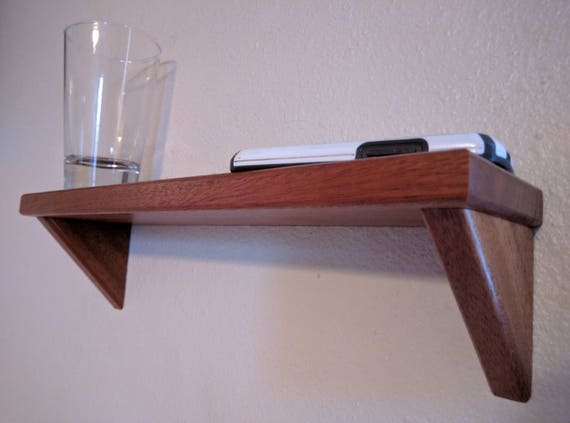
The shelf style affects your room’s look. Simple, clean lines create a modern vibe. Rustic or distressed finishes add character and warmth. Floating shelves without visible brackets look sleek and neat. Pick a design that matches your room’s mood and your personal taste.
Selecting Hidden Fastener Techniques
Choosing the right hidden fastener technique is important for a clean, stylish look. Shelves seem to float without visible screws or brackets. This makes rooms look neat and modern.
Each hidden fastener type fits different shelf styles and wall types. Some work better for heavy shelves, others for light ones. Knowing the options helps you pick the best method.
Keyhole Brackets
Keyhole brackets are small metal plates with a hole shaped like a key. You screw these into the shelf’s back. Then, you hang the shelf on screws fixed in the wall.
The shelf slides down and locks in place. This holds it tightly and hides the screws. Keyhole brackets work well for light to medium shelves.
Floating Shelf Brackets
Floating shelf brackets are metal rods attached to the wall. The shelf has holes that fit these rods perfectly. You slide the shelf onto the rods for a strong hold.
This method hides all fasteners inside the shelf. Floating brackets hold heavier shelves and look very clean. They need precise drilling and strong walls.
French Cleats
French cleats use two wood or metal strips that lock together. One strip fixes to the wall. The other attaches to the shelf back. They fit together at an angle.
This method supports heavy shelves well. It also allows easy shelf removal and repositioning. French cleats keep fasteners out of sight for a tidy look.
Tools And Materials Needed
Hanging a shelf without visible fasteners creates a clean and modern look. The right tools and materials make the process smooth and safe. Prepare everything before you start to avoid interruptions. This section lists essential items for the job.
Basic Tools
Start with a drill for making holes in the wall. A screwdriver helps tighten screws securely. Use a level to keep the shelf straight. A tape measure measures distances accurately. A pencil marks points on the wall. A stud finder locates strong spots to hold the shelf.
Specialized Hardware
Invisible shelf brackets are key for no visible fasteners. These brackets fit inside the shelf and wall. Wall anchors provide extra support in drywall. Choose anchors that match the wall type. Screws must fit the brackets and anchors well. Select hardware based on shelf weight and size.
Safety Equipment
Wear safety glasses to protect your eyes from dust. Use gloves to protect your hands from sharp edges. A dust mask keeps you safe from inhaling particles. Work in a well-lit area to see clearly. Keep a first aid kit nearby just in case. Safety keeps the project smooth and injury-free.
Preparing The Wall Surface
Preparing the wall surface is the first step to hang a shelf without visible fasteners. Proper preparation ensures the shelf stays strong and looks clean. It involves finding the right spots on the wall and marking them clearly. This makes the installation easier and more secure.
Locating Studs
Studs are wooden beams behind the wall. They hold the weight of shelves better than drywall alone. Use a stud finder to locate them. Move it slowly across the wall until it beeps or shows a marker. Mark each stud with a pencil. Avoid guessing the stud location. A shelf without proper support may fall.
Wall Type Identification
Knowing the wall type helps choose the right tools. Drywall, plaster, and concrete walls need different fasteners. Tap the wall lightly to hear the sound. Hollow sounds mean drywall. A solid sound means concrete or plaster. Use anchors for drywall to add support. For concrete, use masonry screws. This step prevents damage and keeps the shelf steady.
Marking Measurements
Measure the shelf length and decide its height on the wall. Use a level to keep marks straight. Mark where the fasteners will go. Double-check the spacing between marks. Incorrect marks can cause a crooked shelf. Clear, accurate marks help align the shelf perfectly. Take your time and measure twice.
Step-by-step Installation
Installing a shelf with no visible fasteners gives your space a clean, modern look. The process is simple if you follow the steps carefully. This guide will help you hang your shelf securely and neatly. Each step ensures the shelf looks great and holds weight safely.
Mounting The Brackets
Start by marking the bracket positions on the wall. Use a level to keep marks even. Drill holes where you marked. Insert wall anchors for extra support. Screw the brackets into the anchors tightly. Make sure the brackets are firmly fixed and do not wobble.
Attaching The Shelf
Slide the shelf onto the mounted brackets carefully. Check that the shelf fits snugly and sits flush. Some shelves use hidden slots or grooves for a clean fit. Press gently to secure the shelf in place. Avoid forcing it to prevent damage.
Ensuring Level And Stability
Use a level on top of the shelf to check alignment. Adjust the shelf or brackets if needed. Press down on the shelf to test stability. Tighten any loose screws or fittings. Confirm the shelf holds weight without shifting or tilting.
Troubleshooting Common Issues
Hanging a shelf with no visible fasteners looks clean and stylish. Sometimes, problems arise during or after installation. These issues can affect the shelf’s look and safety. Fixing them early keeps your shelf strong and neat.
Shelf Not Level
A shelf that tilts or leans is a common problem. Check if the brackets or supports are even. Use a spirit level to confirm the shelf is straight. Tighten or adjust the fasteners slowly until the shelf sits level. Small shifts can make a big difference.
Weak Support
Weak support causes shelves to sag or fall. Make sure the wall anchors fit the wall type. Heavy items need stronger anchors or studs. Use thicker brackets or add extra supports for heavy loads. Always test the shelf by gently pressing down before placing items.
Visible Fastener Problems
Invisible fasteners should stay hidden. Sometimes screws or brackets peek out. Check if the fasteners are too long or placed wrong. Use shorter screws or different fasteners designed for hidden mounting. Cover minor spots with paint or wood filler for a smooth look.
Maintenance Tips
Keeping your shelf strong and neat takes little effort. Simple care helps your shelf last long without visible fasteners. Follow easy maintenance tips to keep it safe and looking good.
Regular Checks
Check the shelf every few weeks. Look for any signs of wobbling or loose parts. Tighten any hidden screws or brackets gently. Early fixes prevent bigger problems later.
Cleaning Recommendations
Dust the shelf with a soft cloth. Avoid wet or harsh cleaners that can damage wood or paint. Use a dry or slightly damp cloth for best results. Clean regularly to keep the shelf fresh and attractive.
Reinforcement Strategies
Add small supports if the shelf feels weak. Use clear brackets or hidden braces for strength. Avoid heavy objects that may cause damage. Reinforce corners and edges carefully to keep the shelf steady.
Credit: www.etsy.com

Credit: www.reddit.com
Frequently Asked Questions
How Do You Hang A Shelf Without Visible Screws?
Use hidden brackets or floating shelf hardware. These attach inside the shelf and mount to the wall, hiding fasteners for a clean look.
What Tools Are Needed For Invisible Shelf Mounting?
You need a drill, level, stud finder, measuring tape, and hidden shelf brackets to ensure precise and secure installation.
Can Floating Shelves Hold Heavy Items Safely?
Yes, if mounted properly into wall studs using strong brackets, floating shelves can support heavy items without visible fasteners.
How To Find Studs For Hanging Shelves Without Visible Fasteners?
Use a stud finder to locate studs behind the drywall. Mark their position to securely anchor hidden brackets for the shelf.
Conclusion
Hanging a shelf without visible fasteners keeps walls neat and stylish. You only need a few simple tools and careful steps. This method hides screws and brackets well. Your shelf will look clean and float on the wall. Try this easy technique to improve any room’s look.
A neat shelf adds space and charm without clutter. It feels good to see a smooth, tidy wall. Keep these tips in mind for your next project. Simple, smart, and neat – that’s how shelves should hang.