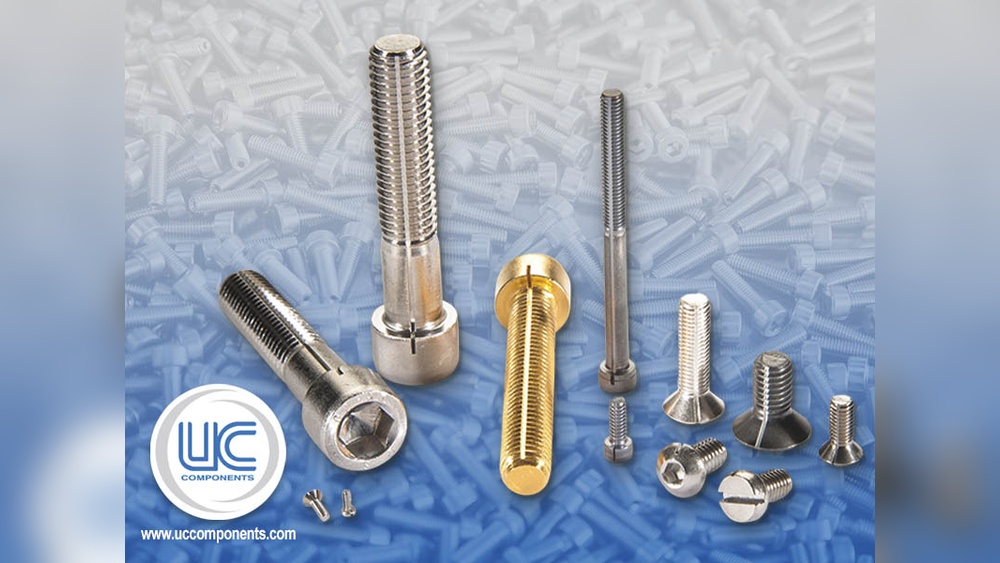
When tightening a fastener, you might think it’s a simple task—just turn it until it feels tight. But did you know that doing it wrong can cause serious problems?
Whether you’re fixing something at home or working on a bigger project, the way you tighten fasteners can affect safety, durability, and performance. If you want to avoid common mistakes and make sure your work holds strong, keep reading. This guide will show you exactly what you should do every time you tighten a fastener—and why it matters to you.

Credit: store.fixitsticks.com
Choose The Right Tool
Choosing the right tool is key to tightening fasteners correctly. Using the wrong tool can damage the fastener or the surface. It also wastes time and effort. The right tool helps you work safely and efficiently.
Match Tool To Fastener Type
Fasteners come in different shapes and sizes. Screws, bolts, nuts, and washers all need specific tools. Use a screwdriver for screws and a wrench for bolts. Choose the correct size to fit the fastener snugly. A loose fit can strip or round off the fastener head.
Check Tool Calibration
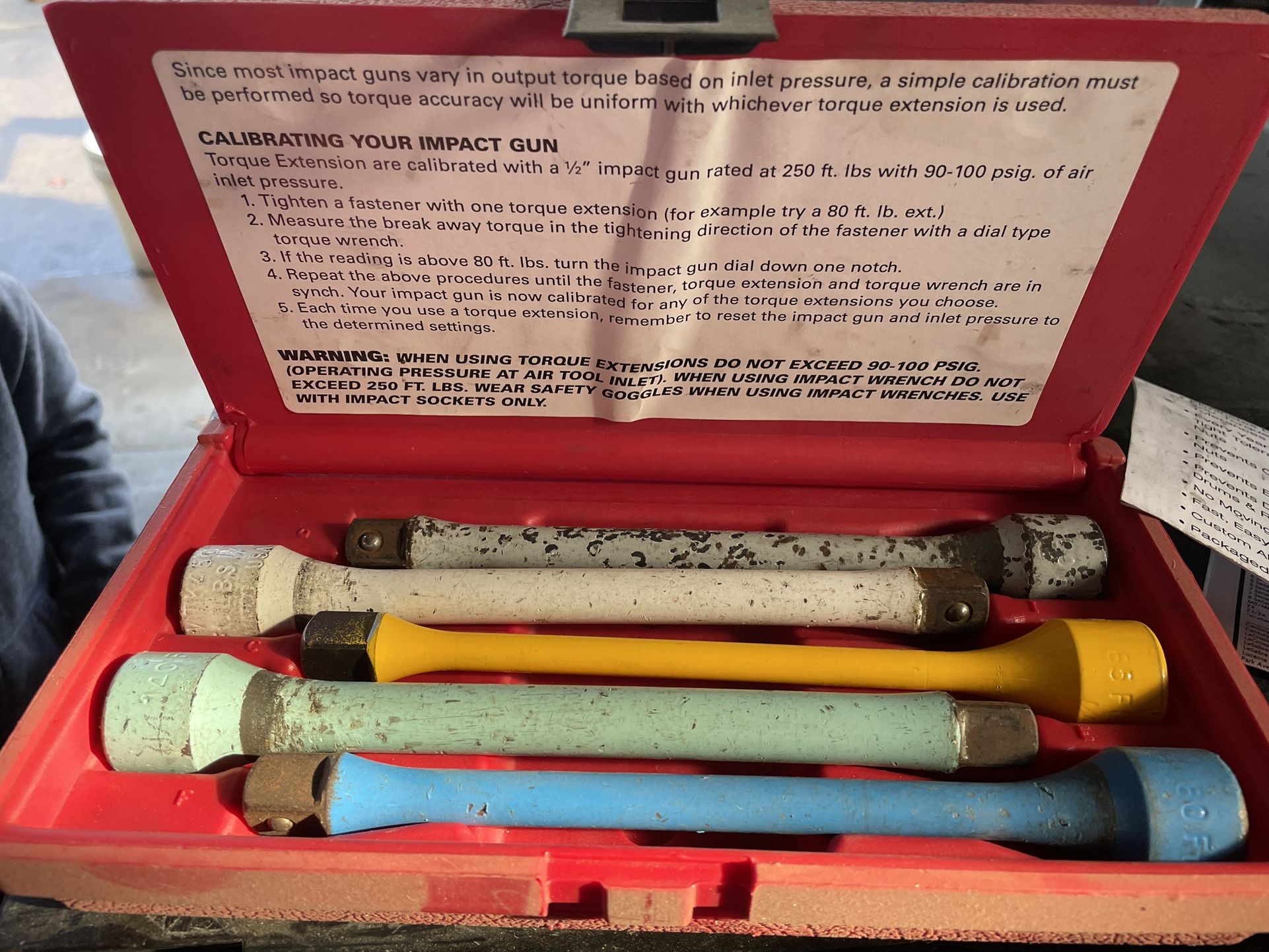
Some tools, like torque wrenches, need calibration. Calibration ensures the tool applies the right force. A poorly calibrated tool may over-tighten or under-tighten. Check calibration regularly for accuracy. This step protects your project and extends tool life.
Follow Proper Torque Specifications
Following proper torque specifications is key when tightening fasteners. It ensures the right tightness. Not too loose, not too tight. This balance helps keep parts safe and secure. It also prevents damage to the fastener or the materials.
Using the correct torque helps maintain the strength of the joint. It stops parts from moving or coming apart. Proper torque can also extend the life of the equipment or structure.
Use A Torque Wrench
A torque wrench measures the exact force applied. It helps tighten fasteners to the right level. Using this tool avoids guessing or relying on feel alone. This precision protects parts from damage. It also ensures safety in critical applications.
Avoid Over-tightening
Over-tightening can strip threads or break fasteners. It can also warp or crack the materials joined. This causes costly repairs and unsafe conditions. Knowing the torque limit prevents these problems. Stop tightening as soon as the correct torque is reached.
Prevent Under-tightening
Under-tightening leaves fasteners loose and weak. Loose fasteners can cause parts to shift or fall apart. This creates safety risks and equipment failure. Applying the right torque avoids these issues. Check the torque value and tighten fully but not too much.
Prepare Fastener And Surface
Preparing the fastener and surface is the first step for a strong, lasting hold. Clean parts fit better and tighten more evenly. Dirt, rust, or oil can cause problems during tightening. Taking time to prepare ensures the fastener works as intended.
Well-prepared fasteners reduce the risk of damage and failure. The surface and threads must be ready before you start. This saves time and prevents costly repairs later.
Clean Threads And Surfaces
Remove dirt, rust, and old grease from threads. Use a wire brush or cloth for cleaning. Clean surfaces help the fastener grip properly. Dirty threads cause slipping and uneven tightening. Check both the fastener and the hole for debris. Clean parts create better contact and hold.
Apply Lubricants When Needed
Use lubricants to reduce friction on threads. Lubrication helps achieve accurate torque. Avoid over-tightening due to rough threads. Some fasteners need oil or grease for smooth turning. Check if the fastener type requires lubrication. Proper lubrication protects against rust and wear.
Credit: abmf.org
Use Correct Tightening Sequence
Using the correct tightening sequence is very important when working with fasteners. It helps spread the pressure evenly across the parts. This prevents damage and ensures the fastener holds well. Following the right steps avoids warping or uneven stress.
Tighten In Stages
Start by tightening the fastener a little at a time. Do not try to tighten it fully in one go. Tighten each fastener a bit, then move to the next one. Repeat this process in several rounds. This method balances the force and reduces risk of damage.
Follow Manufacturer Guidelines
Always check the manufacturer’s instructions before tightening. They provide the best sequence for their fasteners. The guidelines include the correct order and torque values. Following them ensures safety and proper function. Skipping this step can cause problems later.
Avoid Common Errors
Avoiding common errors during fastener tightening is key. Mistakes can cause damage, reduce strength, or waste time. Simple steps help ensure a secure fit and long-lasting hold.
Don’t Use Improper Tools
Using the wrong tool can strip the fastener head. It makes tightening harder and may ruin the fastener. Always choose a tool that fits the fastener size and type perfectly.
Avoid Cross-threading
Cross-threading happens when the fastener is forced at the wrong angle. It damages threads and weakens the connection. Start by aligning the fastener straight and turning gently to avoid this issue.
Don’t Ignore Fastener Condition
Check fasteners before use. Rusty or bent fasteners can fail under pressure. Replace any damaged fasteners to keep the joint strong and safe.

Credit: www.ebay.com
Check And Recheck Fasteners
Checking and rechecking fasteners is a key step when tightening them. It helps to ensure safety and prevents problems later. A fastener that feels tight at first might loosen over time. Regular checks stop this from happening.
Taking time to inspect fasteners after you tighten them can save work and costs. It makes sure everything stays secure and stable. Never skip this step in any project.
Inspect After Initial Tightening
After tightening a fastener, look closely at it. Check if it sits flush and does not move. Feel if it is as tight as needed. Look for any cracks or damage around the fastener. This step catches errors early.
Use the right tools to measure tightness if possible. This gives a clear idea if the fastener holds well. Do this for every bolt or screw you tighten.
Retighten If Necessary
Fasteners can loosen after being tightened. This happens due to vibration, temperature changes, or material settling. Check fasteners again after some use or time. If any feel loose, tighten them again.
Do not over-tighten. This can strip threads or break the fastener. Tighten just enough to hold parts firmly. Retightening keeps everything safe and working well.
Frequently Asked Questions
How Tight Should I Make A Fastener?
Tighten a fastener until it is snug and secure. Avoid overtightening to prevent damage or stripping threads. Use a torque wrench for precise tightening based on manufacturer specifications. Proper tightness ensures safety and performance without risking material damage.
Why Use A Torque Wrench For Fasteners?
A torque wrench ensures you apply the correct tightening force. This prevents overtightening or undertightening, both of which can cause failure. Accurate torque improves safety and longevity of the fastened components. Always follow torque specifications from the manufacturer.
Should I Lubricate Fasteners Before Tightening?
Lubricating fasteners can reduce friction, allowing accurate torque application. However, only lubricate if the manufacturer recommends it. Lubrication changes torque values, so adjust torque settings accordingly. Proper lubrication helps achieve consistent tightness and prevents thread damage.
What Happens If A Fastener Is Overtightened?
Overtightening can strip threads, break fasteners, or damage materials. It may also lead to joint failure or safety hazards. Use correct torque specifications and tools to avoid overtightening. Always tighten fasteners slowly and evenly for best results.
Conclusion
Tightening a fastener takes care and attention. Use the right tools for the job. Apply steady pressure to avoid damage. Check the tightness often to keep things secure. Avoid overtightening to prevent breaking parts. Remember, safety matters when working with fasteners.
Following these steps helps your work last longer. Simple habits make a big difference in results. Keep practicing to get better each time.